
Is It Rude to Be Early to a Wedding? Exploring the Etiquette of Timeliness
Arriving early to a wedding can feel like the right thing to do, but it actually depends on the couple’s plans. Generally, it’s best to arrive on time or just a bit early, but being excessively early might cause unnecessary stress for the couple and disrupt their carefully timed schedule.
Respecting the couple’s wedding day timeline is essential, as they have spent a lot of time planning the event to ensure everything goes smoothly.
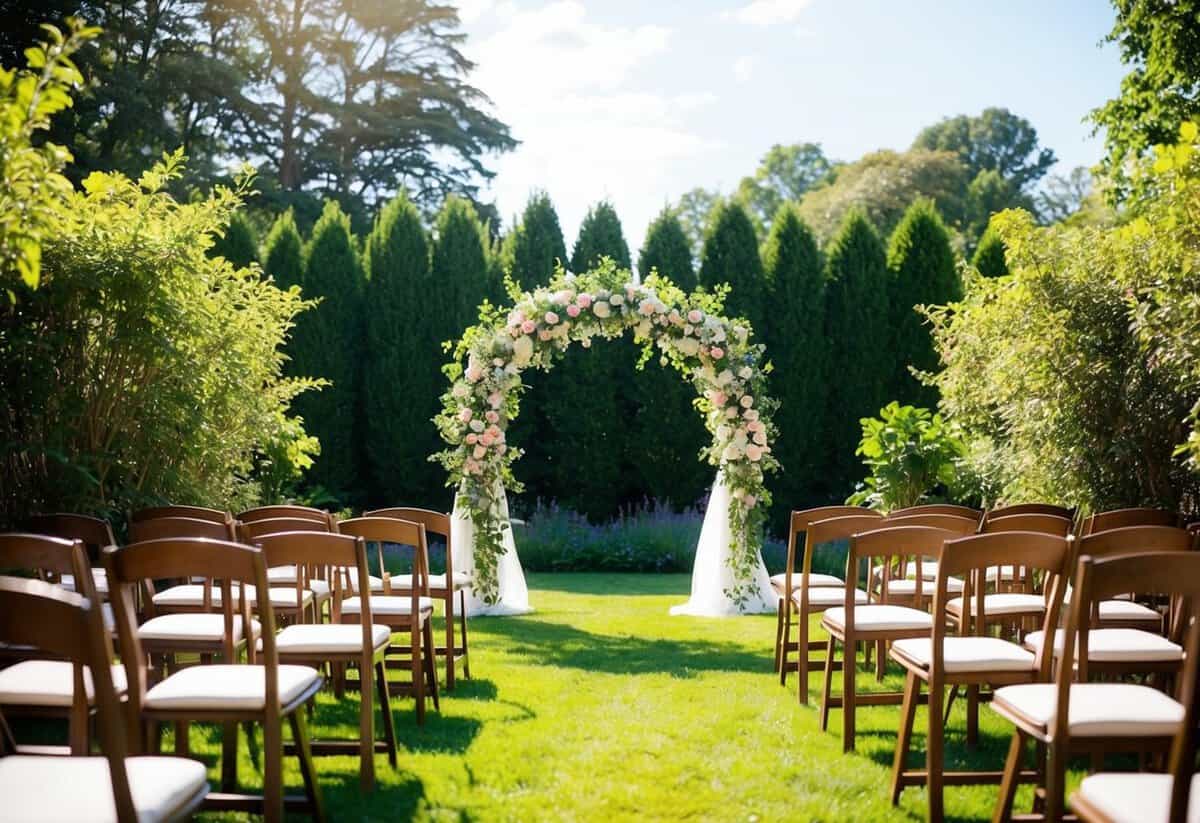
Understanding wedding etiquette is key to being a considerate guest. If you show up too early, you could interrupt the couple’s final preparations or catch them at a moment when they’d prefer privacy.
It’s best to honor the couple’s wishes while making sure you don’t create any awkward situations by arriving too soon.
By following these guidelines, you’ll show your respect for the couple and the effort they put into their special day. A well-timed arrival allows you to celebrate with the couple without adding any extra stress to an already busy day.
Understanding Wedding Etiquette
Being aware of wedding etiquette can help you navigate the social rules that come with attending a wedding. Knowing when to arrive and how to respond to invitations makes the event more enjoyable for everyone involved.
Traditions and Timing
Weddings come with many traditions, and timing plays a crucial role in them. Guests typically arrive before the ceremony starts to witness the couple’s vows.
It’s best to arrive at least 15-30 minutes early. This allows time for parking and settling in.
If you arrive too early, you may disrupt the couple or the wedding party, who are likely in their final preparations.
Weddings have a flow, and interruptions can be distracting. Being respectful of time helps ensure the day runs smoothly.
RSVP and Arrival
The RSVP is an essential part of wedding etiquette. It lets the couple know how many guests to expect.
Always respond by the deadline provided.
When you arrive, make sure to greet the couple if possible. If the invite includes a reception, that’s a great time to mingle.
Remember the 30/5 rule: it’s polite to arrive within 30 minutes of the start time but leave no later than 5 minutes after the wedding begins. This ensures you honor the couple’s special moment while being considerate of their schedule.
The Ceremony and Reception
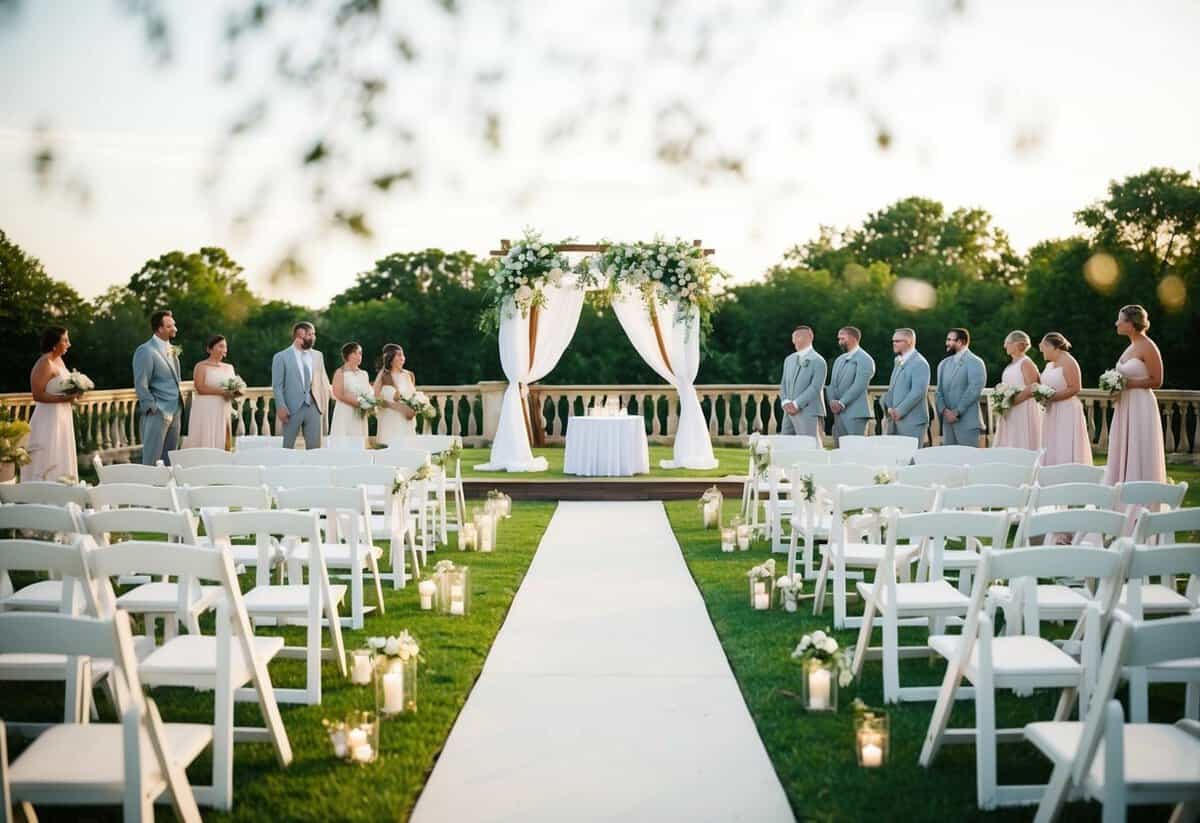
Weddings have specific activities that help create lasting memories. Understanding how to navigate the ceremony and reception can make your experience more enjoyable while being respectful of the couple’s plans.
Participating in Planned Activities
Arriving early to a wedding allows you to see the setup and get comfortable. However, if you’re too early, it can disrupt the final touches. Guests should aim to arrive just before the ceremony starts.
During the ceremony, you can participate in special moments. This may include standing for vows or clapping after the couple is pronounced married.
The reception involves more planned activities, like speeches and the first dance. If you enjoy these moments, staying engaged contributes to the atmosphere.
Remember to be attentive during the cake cutting and other key moments. Being present helps celebrate the couple and shows your support.
Leaving Before Major Milestones
If you have to leave early, consider the major milestones of the wedding. Leaving before the cutting of the cake or send-off can feel disrespectful to the couple. These events often mark highlights of the celebration.
The cake cutting is a significant moment. It’s when the couple shares their first dessert together. If you miss this, you might miss a chance for meaningful photos and connections.
Similarly, the send-off is often a beautiful farewell. Guests participate with sparklers or confetti. Exiting early means missing out on these shared experiences that create lasting memories for everyone involved.
Saying Goodbye and Early Departure
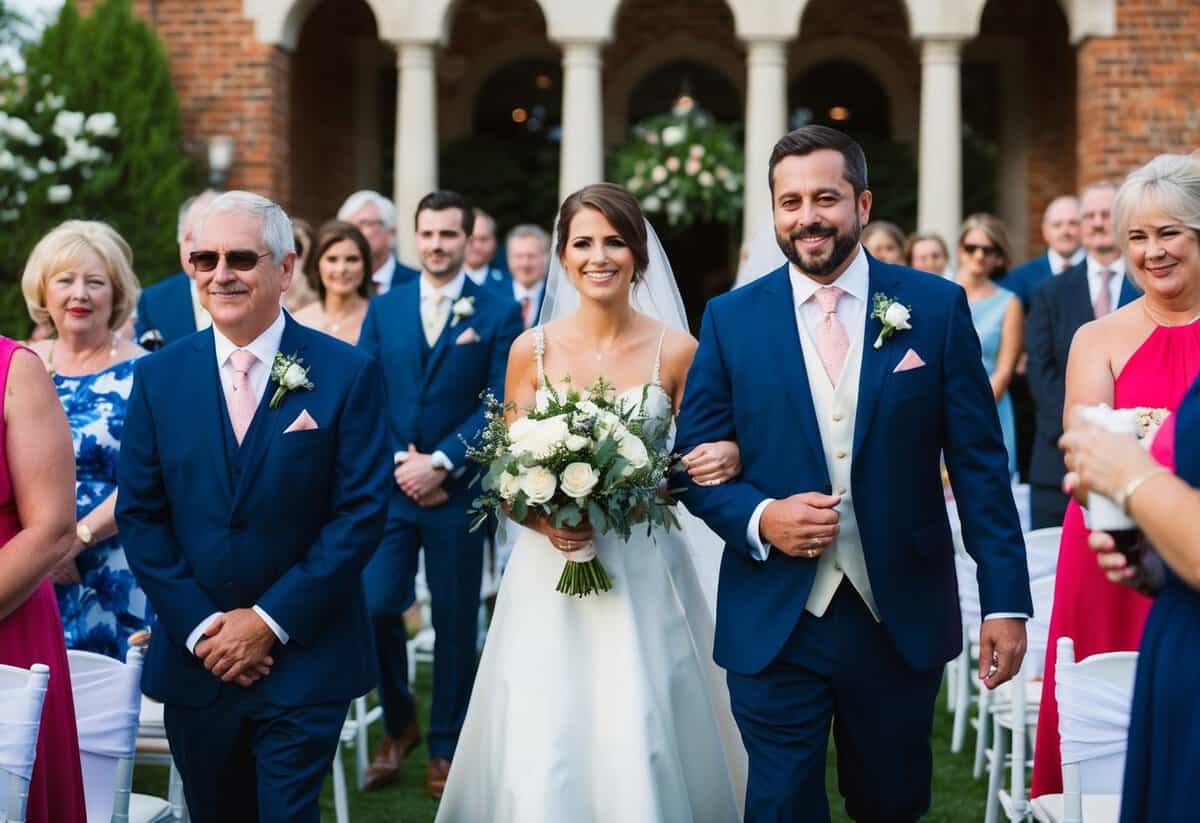
When attending a wedding, you may find yourself needing to leave early. It’s important to understand how to do this gracefully, especially if you want to maintain good relationships with the couple and their families.
How and When to Bid Farewell
If you need to leave early, try to say goodbye to the bride and groom. This is a nice gesture that shows you appreciate their special day.
Even a simple wave or nod can work if they are busy with other guests.
Consider timing your departure wisely. Leaving right after the ceremony or just before dinner can be more acceptable.
Additionally, if the couple plans to cut the cake, it can be considerate to wait until that moment. This way, you can catch a significant part of the celebration.
If you approach the couple to congratulate them before you go, it leaves a good impression. This also reflects common courtesy.
It’s helpful to keep your farewell brief and friendly, so as not to draw attention to your early exit.
Leaving Due to Personal Reasons
Sometimes, you may need to leave a wedding early due to personal reasons. It could be a family obligation, a work commitment, or other urgent matters. In such cases, it’s best to prioritize your needs while still being respectful.
If possible, inform the couple ahead of time about your situation. This transparency can help ease any worries they may have about your departure. They will likely understand that life can be unpredictable.
If you have to leave without saying goodbye, it’s generally not seen as rude, especially at large weddings. Just be sure to send a card or a message later to congratulate them. This small gesture can show that you care, despite not being able to stay for the entire event.