
Is It Rude to Bring Uninvited Guests? Navigating Social Etiquette with Grace
When you’re invited to a party, it can be tempting to bring along an uninvited guest. However, bringing uninvited guests is generally considered rude unless you get the host’s permission first. This topic can often lead to awkward situations, so it’s important to understand the etiquette surrounding it.
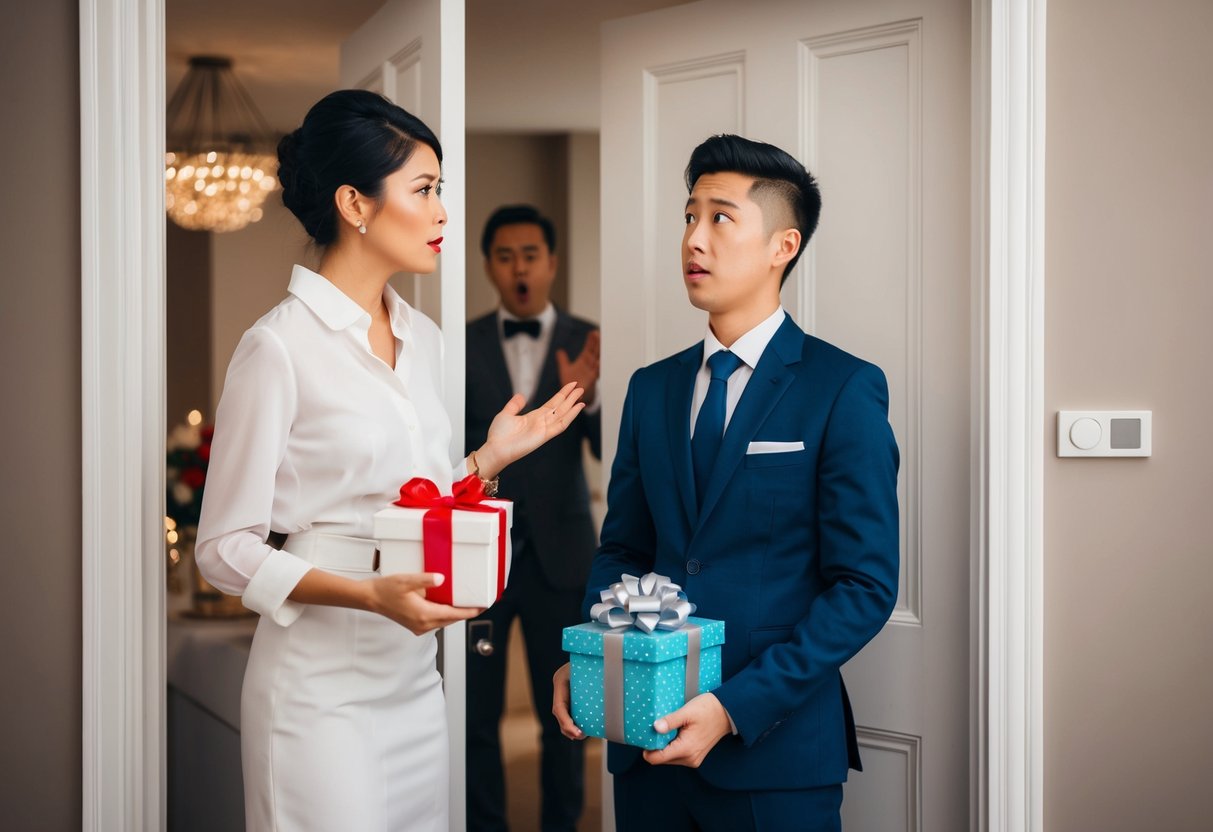
Imagine you’re hosting a gathering and someone shows up with an extra person. It can shift the balance of seating, food, and your overall vibe for the event. Knowing when it’s okay to invite someone along can help you avoid these uncomfortable moments and ensure everyone has a good time.
Understanding the social rules can make your social life easier and more enjoyable. By following proper etiquette regarding uninvited guests, you can show respect for your host and keep friendships strong.
Understanding Social Etiquette

Navigating social situations can be tricky, especially when it comes to uninvited guests. Knowing the rules of etiquette helps you make better choices at gatherings, like dinner parties. Here’s what you should consider.
Defining Uninvited Guests
An uninvited guest is someone who shows up without an invitation. This can lead to discomfort for both hosts and attendees.
It’s important to think about the context. For example, in casual settings, such as an open house or a big party, bringing a friend might be okay. However, in more intimate gatherings, it can feel intrusive.
You should also consider the relationship you have with the host. If you’re close, they might not mind an unexpected friend. But if you’re unsure, it’s best to check with your host before bringing someone along.
Etiquette and Dinner Parties
Dinner parties usually have a more formal atmosphere. It’s good manners to follow the host’s rules regarding guests. Bringing an uninvited guest can create tension and may upset the host.
If you want to bring someone along, it’s best to ask first. You can say, “Would it be okay if I brought a friend?” This gives the host a chance to say yes or no.
Remember, a dinner party is meant for enjoying food and company. Keeping communication open helps ensure everyone has a good time. Following these etiquette tips can enhance your social experiences and keep relationships strong.
Navigating Guest Lists and Invitations

Creating and managing a guest list can seem tricky, especially when it comes to uninvited guests. Understanding how to handle these situations can help make your event more enjoyable for everyone involved. Here’s how to navigate the complexities of guest lists and invitations.
Crafting a Thoughtful Guest List
When creating your guest list, consider the type of event you’re hosting. For a wedding or formal gathering, focus on inviting only those who are meaningful to you.
Tips for a Thoughtful Guest List:
- Start with family and close friends.
- Think about coworkers and acquaintances if the event calls for it.
- Set a reasonable limit based on your budget and space.
Make sure to send clear invitations that outline who is invited. If your invitation only lists a specific guest’s name, it’s understood that they should not bring extra people. This helps prevent any confusion.
Dealing with Unexpected Plus-Ones
Sometimes, people may want to tag along to your party, even if they weren’t invited. If someone asks to bring an uninvited guest, it’s important to be polite but firm.
For example, you can say:
- “I’m glad you want to share the event with someone. However, I have a limited guest list and need to stick to it.”
If the invitation did allow for a plus-one, be clear about the guest’s name. Ensure you communicate no extra guests unless specified. This helps maintain the comfort and size of your gathering.
Open House Events
Open house events can be more flexible regarding guests. If you are hosting an open house, people generally expect it to be more casual.
In this case, it’s okay to let guests know they can bring along friends or family. Just be clear about how many people are reasonable. It can be helpful to state this in your invitations, such as:
- “Feel free to bring a friend, but please let me know in advance.”
A friendly approach can make your open house inviting and enjoyable for all. Remember, it’s about creating a comfortable environment where everyone feels welcome!
Mitigating Awkward Situations
When uninvited guests arrive, it can create awkward moments for everyone involved. Knowing how to handle these situations can help you maintain a pleasant atmosphere and avoid discomfort.
Addressing Uninvited Guests
If someone shows up uninvited, it’s important to stay calm. You can greet them warmly but gently explain that they weren’t expected. A simple phrase like, “It’s great to see you! We’re a bit short on space today,” can work.
You might also consider providing them with a drink or snack to make them feel welcome, while subtly hinting at the crowd size. Communication is key. If you feel uncomfortable, let them know that it’s a gathering for close friends only. This can help set boundaries without causing hard feelings.
Preventing Overstaying
Uninvited guests may not realize they are overstaying their welcome. To avoid this, set clear time frames for your gatherings. You can mention that you have other plans. Or, use friendly phrases like, “We’ll wrap things up by 8 PM.”
If a guest lingers, gently bring up plans for the evening. Saying something like, “I love having you here, but I need to get ready for tomorrow,” signals it’s time to go without being rude. You can also lead them toward the door as a hint that it’s time to leave.