
Is It Rude to Come Late to a Wedding? Understanding Wedding Etiquette
Weddings are special occasions that celebrate love and unity. Arriving on time shows respect for the couple and their big day. Coming late to a wedding is considered rude. It can disrupt the ceremony and cause unnecessary distractions. Guests play a vital role in the success of the event, and being punctual helps keep everything on track.
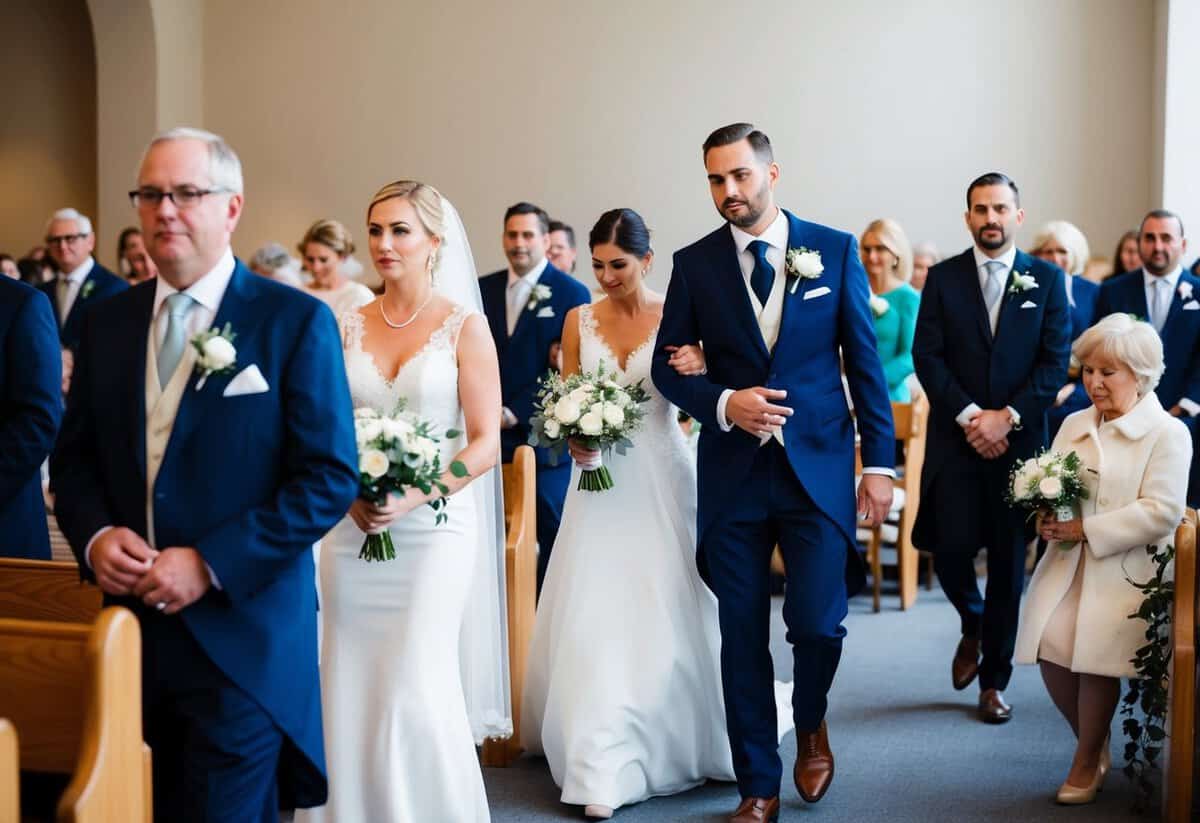
When you attend a wedding, you’re part of a carefully crafted timeline, from the ceremony to the reception. By arriving on time, you contribute to a smooth flow and ensure that everyone can enjoy the celebration without interruptions.
Plus, being there from the beginning allows you to soak in all the beautiful moments.
If you’re worried about timing, it’s always a good idea to arrive a little early. This way, you can settle in and avoid any stress about being late. Remember, your presence means a lot to the newlyweds, so make it special by honoring their schedule.
Understanding Wedding Etiquette
Being aware of wedding etiquette helps everyone enjoy the day. You want to ensure that you respect the couple, the planner, and other guests. This section highlights the importance of being on time and the roles involved in planning and attending the event.
The Importance of Punctuality
Arriving on time for the wedding ceremony shows respect for the couple and their special day. Weddings are often timed events, and delays can disrupt the schedule.
For example, if you arrive late, it might interrupt the ceremony. The couple has worked hard to create a flow for their big day, and your lateness could throw that off.
Plus, many ceremonies have specific start times. It’s generally accepted that a wedding should not start more than 15 minutes late.
Guests should aim to arrive early to avoid any issues. This gives you time to settle in, greet other guests, and find a good seat. Your punctuality also helps the wedding planner manage the timeline and keep everything on track.
Roles of the Wedding Planner and Guests
The wedding planner is key in making sure the event runs smoothly. They manage the timeline and coordinate all activities, from arriving to the ceremony to the reception.
As a guest, you play an essential role, too. You should follow the timeline set by the couple and the planner. Being late can create stress for everyone involved.
Communicate any concerns about arriving on time. If you think you might be late, inform someone in advance so they can plan accordingly.
Also, remember that weddings can be busy, and showing up on time can enhance the experience for you and everyone else.
The Timeline of a Wedding Day
Understanding the timeline of a wedding day is essential for everyone involved. It ensures that key moments are not missed, especially for the bride and groom. Staying on schedule allows for a smoother experience overall.
Key Moments for the Bride and Groom
The wedding day timeline is packed with important events. You have the ceremony, reception, and sometimes even pre-wedding rituals.
-
Preparation: The day typically starts with the bride and groom getting ready. This can take several hours. Hair, makeup, and attire must be perfect.
-
First Look: Many couples choose to have a private moment together before the ceremony. This often occurs about 1-2 hours before guests arrive.
-
Ceremony: The ceremony is usually the centerpiece of the day. Timeliness is crucial here to ensure all elements, including music and officiants, are in place.
-
Reception Activities: After the ceremony, important events like the first dance and cake cutting follow. Each involves precise timing to keep guests engaged.
Failing to stick to the timeline can create stress and lead to rushed moments throughout the day.
Consequences of Being Late
Being late to a wedding can affect everyone involved. For the bride and groom, this can mean missed opportunities for photos and moments.
-
Delayed Schedule: If a key person arrives late, it can throw off the entire day’s timeline. This may lead to rushed events and a less enjoyable experience.
-
Sunset Photos: For outdoor weddings, timing is especially important for sunset photos. If you’re late, you might miss the best lighting.
-
Guest Experience: Late arrivals can disrupt guests, causing them to wait longer. This can create awkwardness and tension among attendees.
Staying on time is crucial to ensure that every moment is memorable and enjoyable for all.
What to Do If You’re Running Late
If you find yourself running late to a wedding, it’s important to handle the situation with care. You may want to let someone know, and finding a way to enter the venue quietly is key. Here are some helpful tips to navigate this situation smoothly.
How to Notify the Appropriate People
Before you rush to the wedding, consider sending a quick message to the couple or the wedding planner. A simple text can go a long way.
Let them know you’re running late and give an estimated arrival time. This helps them manage the schedule, especially if you have a role in the ceremony.
If it’s not urgent, you can skip alerting everyone else, as they might not need that information. Just make sure you arrive safely.
Minimizing Disruption Upon Arrival
When you arrive at the venue, wait a moment before entering. Entering quietly during an ongoing ceremony is respectful.
Choose a seat in the back to avoid distractions. You might also want to wait until a song change or a moment during the ceremony to minimize interruptions.
If the event has a cocktail hour, arriving late can be a little easier since people are mingling. Just make sure to greet the couple and other guests when you do arrive. This helps you reconnect and shows you still care about the celebration.