
Is It Rude to Decline Being in a Wedding? Navigating Friendly Boundaries with Brides and Grooms
When you receive a wedding invitation, especially for an important role like a bridesmaid or groomsman, it can feel like a big commitment. You might worry about hurting the couple’s feelings by saying no. It’s perfectly acceptable to decline being in a wedding, especially if it doesn’t fit your schedule or your relationship with the couple isn’t as close.
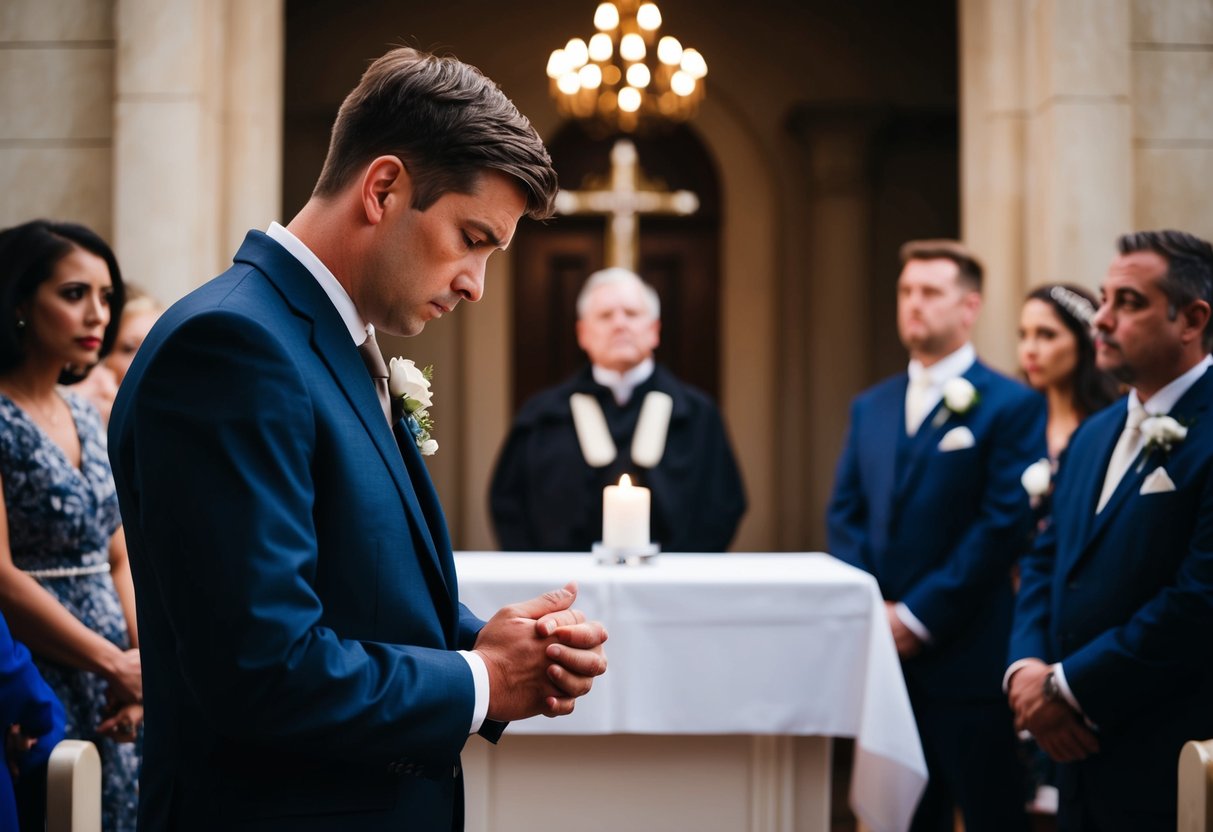
Your decision can depend on various factors, such as how well you know the couple and your own situation. The couple likely understands that not everyone can take on such a commitment during their wedding planning. They want you to feel comfortable and happy, so don’t hesitate to prioritize your own needs.
Saying no doesn’t mean you care less about the couple. You can still show your support by attending the wedding as a guest or sending them well wishes. Remember that friendships thrive on honesty, and sharing your truth can strengthen your bond with them.
Understanding Wedding Invitation Etiquette
When you receive a wedding invitation, it’s important to handle it with care. You’ll want to think about the RSVP process, your relationship with the couple, and insights from etiquette experts. Knowing these details helps you respond graciously.
The Importance of RSVP
Responding to a wedding invitation with an RSVP is essential. This tells the couple if you will attend their special day. A timely RSVP allows them to plan better and accommodate guests.
Always reply by the date given on the invitation. If you can’t attend, it’s still polite to return the RSVP card or inform the couple through their preferred method.
Ignoring the RSVP can lead to confusion and disappointment. Your response helps ensure that the couple has a clear understanding of their guest count.
Role of Relationship with the Couple in Responding
Your relationship with the couple influences how you communicate your attendance. If you are close friends or family, they may appreciate a more heartfelt response. It is proper to express your regret and offer a reason for your absence.
For distant acquaintances, a simple polite decline is sufficient. Regardless of your closeness, it remains important to respond respectfully.
Think about the couple’s feelings when declining. A gracious response will help maintain a good relationship, even if you can’t be there for the wedding.
Etiquette Expert Advice on Invitations
According to etiquette experts, clarity and kindness are key when responding to wedding invitations. If you must decline, acknowledge the couple’s effort in inviting you. A short note or message expressing your regret can mean a lot.
Experts suggest keeping your response positive. Instead of focusing on why you can’t attend, wish them joy on their special day.
Most importantly, returning your RSVP promptly shows respect for the couple’s planning process. This approach is not only courteous but helps strengthen your relationship with them, even from afar.
How to Politely Decline a Wedding Invitation
Declining a wedding invitation can be tricky, but it’s important to do it with kindness and thoughtfulness. You want to ensure your message is clear while maintaining good relations with the couple. Here’s how to express your regret gracefully.
Articulating a Heartfelt Message
When you decline a wedding invitation, your message should be sincere and reassuring. Start by thanking the couple for inviting you. It shows appreciation for their thoughtfulness.
Next, express your regret about not being able to attend. You can share a brief reason if appropriate but avoid going into too much detail. The goal is to keep the focus on the couple, not your reasons.
End with warm wishes for their special day. Let them know you’ll be thinking of them, and you’re happy for their upcoming celebration. A heartfelt message ensures the couple feels valued, even if you can’t be there.
Sample Phrases for Declining
Choosing the right words can make your decline sound respectful and kind. Here are some sample phrases you can use:
- “Thank you for inviting me to your wedding. I’m so sorry I can’t attend.”
- “I appreciate the invitation, but I won’t be able to make it to your special day.”
- “Wishing you both all the best as you start this exciting new chapter.”
You can modify these phrases to fit your voice or the relationship you have with the couple. It’s important that it feels genuine to you.
Communication Methods for your RSVP
The way you communicate your decline is just as important as what you say. Here are a few methods to consider:
- Written Note: A handwritten note feels personal and thoughtful. It’s a great way to convey your sentiments.
- Email: If a quick response is needed, an email works well. Keep it respectful and simple.
- Phone Call: If you’re close to the couple, a phone call shows you care. It allows for a more personal touch and lets you convey emotions well.
Choose the method that fits your relationship with the couple best. Regardless of the method, keep your tone friendly and warm.
Reasons for Not Attending and How to Explain
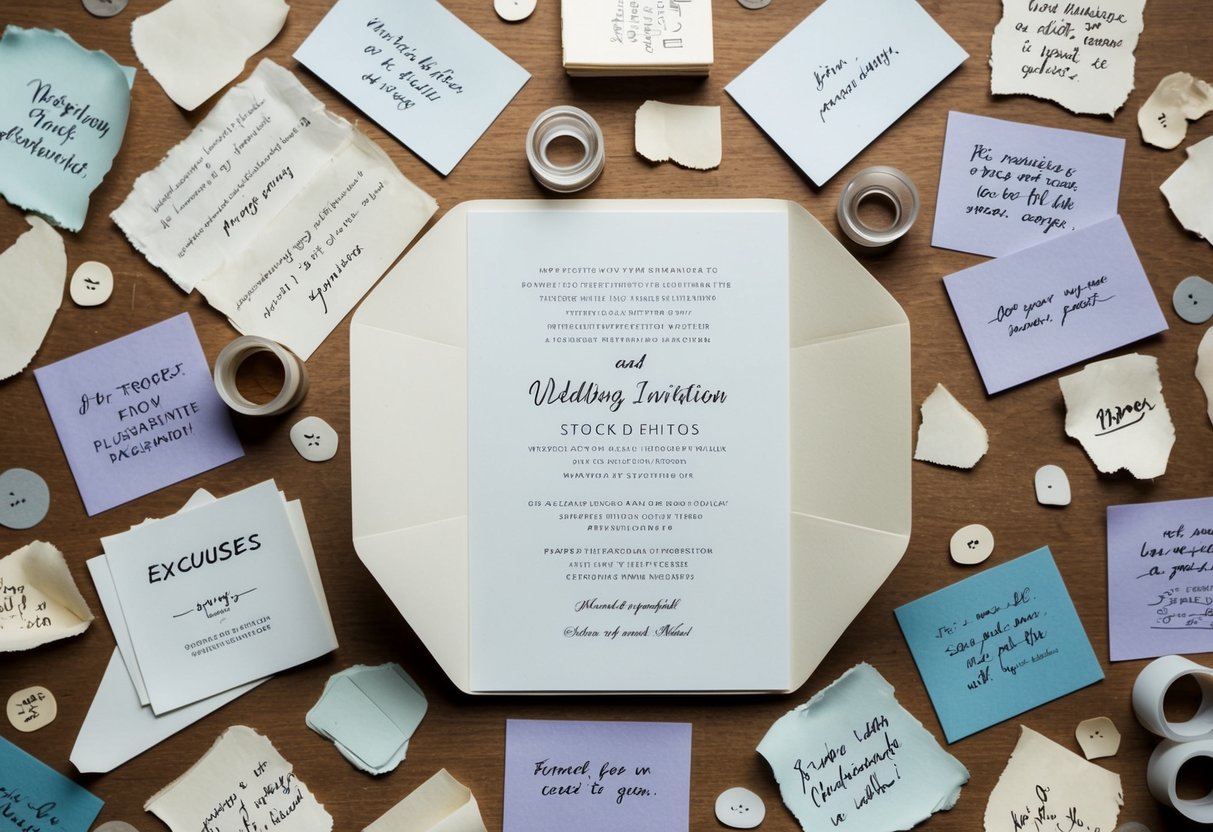
Declining a wedding invitation can be difficult, but there are valid reasons for your decision. Whether it’s financial constraints or health concerns, understanding how to explain your choice can help maintain good relationships.
Financial and Time Commitments
Financial reasons can be a major factor in deciding not to attend a wedding. Weddings often come with unexpected costs, such as travel, accommodation, and gifts. If your budget is tight, it’s reasonable to prioritize your financial well-being.
Time commitments also play a significant role. Maybe you have prior obligations or scheduling conflicts that prevent you from attending. This could include work, family events, or other important activities that require your presence.
When explaining your absence, be honest and straightforward. You can say something like, “I would love to be there, but I have prior commitments that I can’t change.” This shows respect for the couple’s special day while being clear about your situation.
Health and Wellness Considerations
Your health is an important reason for declining a wedding invitation. If you’re facing health issues, it’s not only wise but necessary to prioritize your well-being. This includes both physical health concerns and mental wellness. Feeling unwell, whether due to illness or emotional stress, can make social gatherings challenging.
When discussing your decision, you can say, “I hope you understand, but I’m not feeling well and need to take care of myself at this time.” Being honest about your health can foster understanding and compassion from the couple.
By openly sharing your reasons, you maintain transparency and help others appreciate your situation. It’s essential to take care of yourself while also respecting the couple’s feelings.
Alternative Ways to Celebrate the Couple
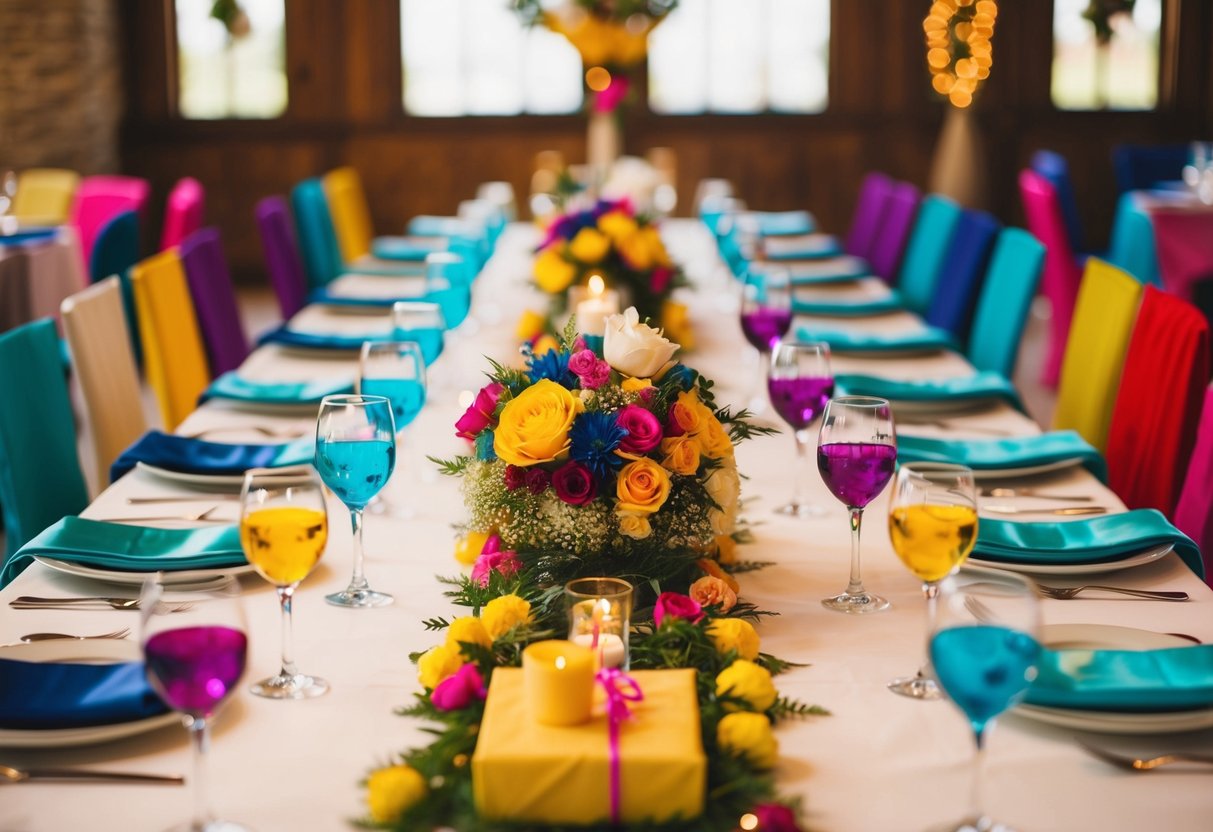
Not everyone can attend a wedding, but that doesn’t mean you can’t celebrate the couple. There are thoughtful ways to show your love and support, even from a distance. Here are two excellent options to consider.
Sending a Thoughtful Gift
Sending a gift is a lovely way to show you care. Choose something meaningful that reflects the couple’s personalities or interests.
You could opt for a classic wedding gift like kitchenware or home décor. Handmade items or a personalized gift can add an extra special touch. Consider a gift card to their favorite restaurant or store, too.
Include a heartfelt note expressing your gratitude for their friendship. This will help them feel connected to you, even if you’re not there on their big day.
Offering Support from Afar
If sending a gift doesn’t feel right, consider reaching out in other ways.
You can offer to celebrate at a later date, like suggesting a lunch or dinner. This gives you a chance to reconnect and show you care.
You can also set up a video call to raise a toast or join their wedding festivities virtually.
By making an effort to connect, you reinforce your bond with the couple. They will appreciate knowing you value your relationship with them, despite not attending their wedding.