
Is It Rude to Have a Small Wedding? Understanding the Etiquette Behind Intimate Celebrations
Planning a wedding can be exciting, but it often brings about tough choices. One common concern is whether having a small wedding might hurt the feelings of loved ones. Having a small wedding isn’t rude; instead, it can be a meaningful way to celebrate with those closest to you.
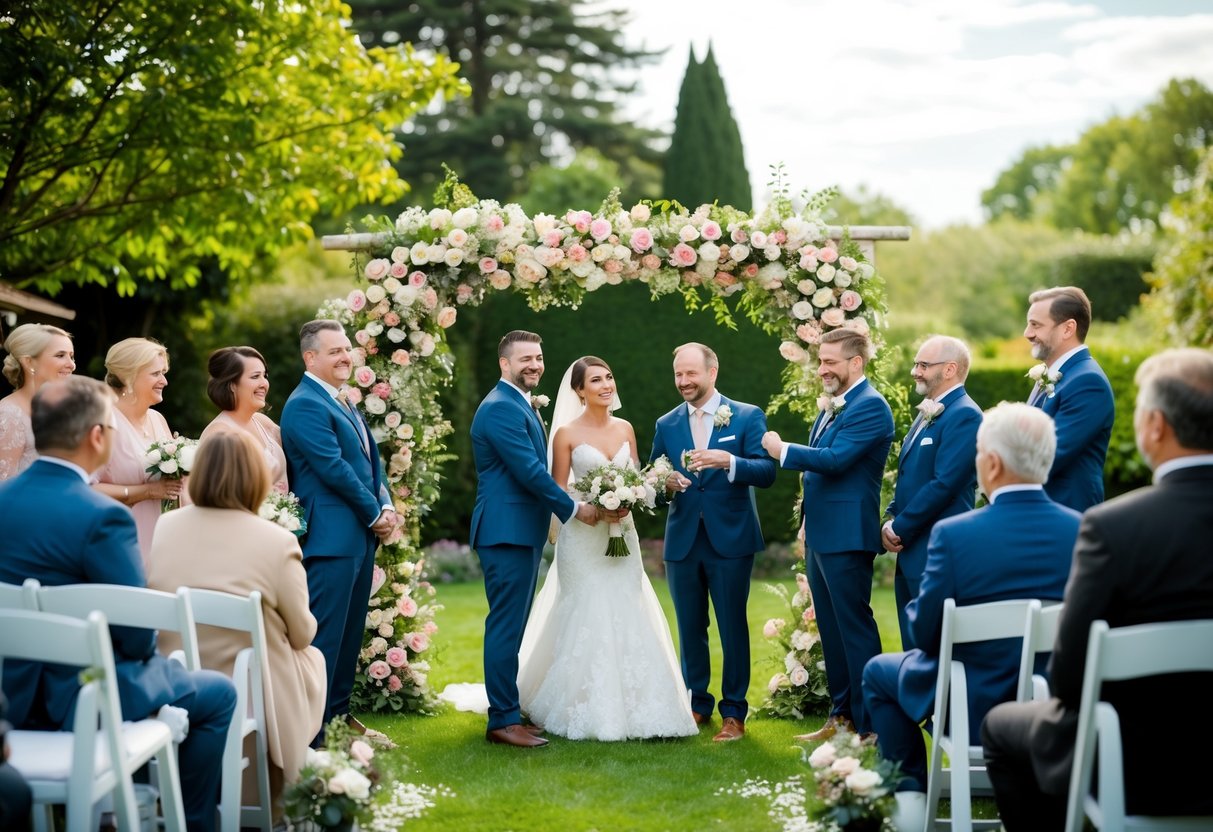
Many couples choose to invite only a select group of family and friends to create an intimate atmosphere. This decision can reflect personal values and priorities, focusing on genuine connections rather than a large guest list.
Navigating wedding etiquette in this context can feel tricky, but open communication usually helps. You should communicate your intentions honestly, letting loved ones know that your choice isn’t about excluding them, but about celebrating in a way that feels right for you.
Deciding the Size of Your Wedding
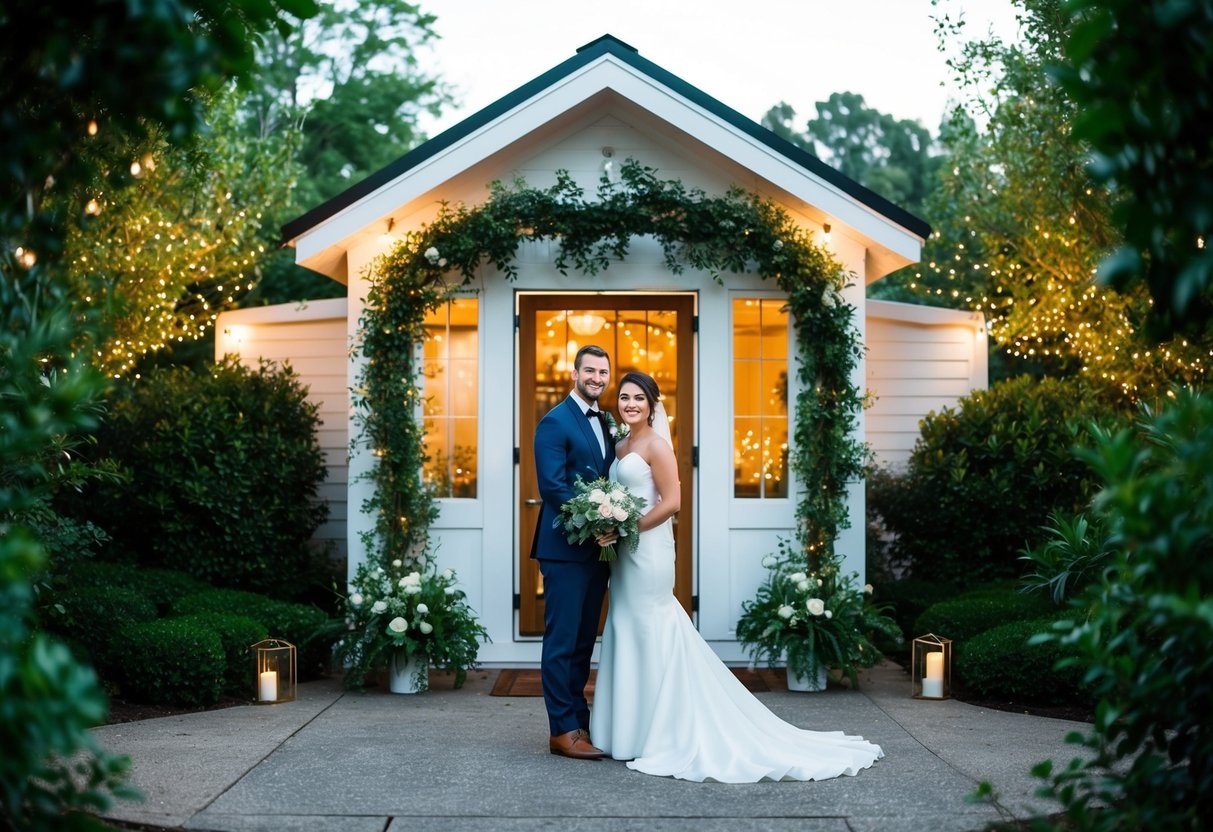
Choosing the size of your wedding is an important decision that can shape your entire experience. It’s essential to think about various factors, as well as the unique benefits of having a smaller, more intimate gathering.
Factors to Consider
First, consider your guest list. Who do you want to share this special moment with? Invite your immediate family and closest friends who mean the most to you. A tighter guest list can create a more personal atmosphere.
Next, think about budget. Smaller weddings typically cost less. Expenses for food, venue, and entertainment decrease when you invite fewer people. You can use the savings for a better experience or a fantastic honeymoon.
Lastly, decide the kind of wedding vibe you want. If you’re after a cozy environment, a micro wedding or intimate wedding can create lasting memories. Don’t forget about the setting—perhaps consider a beautiful outdoor spot to enhance that intimate feel.
Benefits of a Small Wedding
There are many benefits to opting for a small wedding. One is cost savings. Fewer guests mean less spent on meals, drinks, and decorations. This can allow for more exquisite choices in those areas, making every detail count.
Another advantage is the chance to connect deeply with each guest. You can spend quality time with your loved ones when the gathering is smaller. This connection can create lasting memories, as you interact more with each person.
Finally, a small wedding allows for flexibility. You can choose unique venues or fun themes without worrying about accommodating a large crowd. Whether it’s a destination ceremony or a backyard celebration, the possibilities are endless.
Planning Your Small Wedding
Planning a small wedding can be a fun and meaningful experience. You can create a special day that reflects your personality and values while being mindful of your budget. Here are some key areas to focus on.
Creating Your Guest List
Start by making a list of the people you truly want to share your day with. A small wedding usually means inviting fewer than 50 guests. Think about close family, friends, and anyone who has made a significant impact on your life.
As you create your list, consider each person’s importance to you. If you have distant relatives or acquaintances, it might be better to keep the guest list intimate. Remember to express your feelings through your invitations, letting guests know why they are important to you.
Choosing the Right Venue
The venue sets the mood for your wedding. Since you are planning a small event, you can choose places that feel more personal, like a backyard or a small chapel. You might also consider a unique location, such as a beach or a garden, especially for a destination wedding.
Look for venues that accommodate small groups and allow for flexibility. Make sure it has enough space for your ceremony and any additional activities, like dancing or dining. Furthermore, think about accessibility for your guests and how the venue fits into your overall vision.
Selecting Vendors for an Intimate Event
Working with vendors who understand your vision is crucial. Since your wedding is smaller, you can prioritize hiring high-quality vendors, such as a talented photographer or a dedicated wedding coordinator. A good photographer can capture your special moments beautifully and create lasting memories.
When selecting vendors, communicate your needs clearly. Make sure they are experienced with small weddings and can tailor their services to fit your intimate event. This can include personalized touches in the decorations, catering, and even the music you choose to play during the ceremony and reception.
Wedding Ceremony Essentials
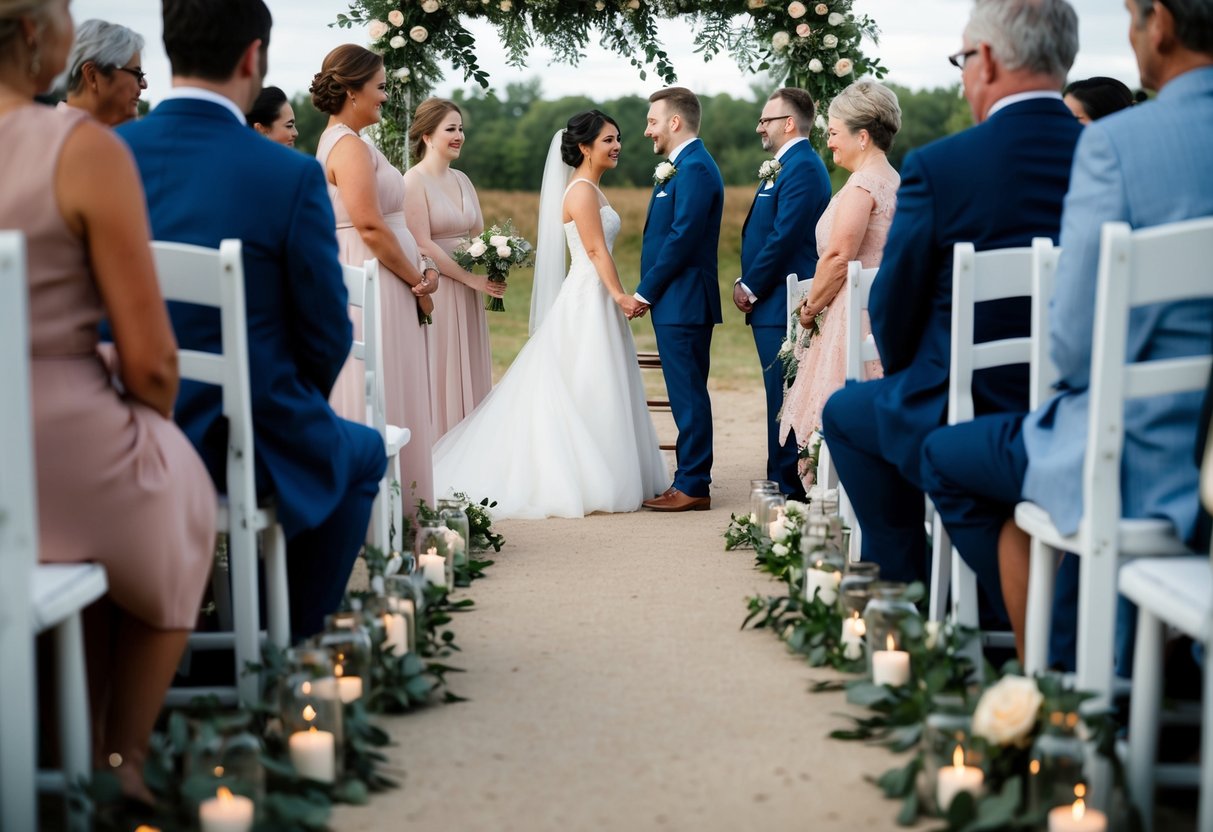
Planning a small or intimate ceremony focuses on creating a meaningful experience for you and your close friends and family. By personalizing your ceremony and incorporating loved ones, you can make your wedding day unforgettable.
Designing a Personalized Ceremony
Start by thinking about what matters most to you. A small ceremony gives you the freedom to design a wedding that fits your style and relationship.
You might want to choose a unique location, like a backyard or a favorite park. This can create a special atmosphere. Set the tone with personalized vows, unique readings, and music that resonates with your love story.
Consider adding personal touches, such as a memory table with photos of family members who couldn’t attend. This small detail honors those who are distance while making your ceremony feel inclusive and heartfelt.
Incorporating Family and Friends
Including your close friends and family in your wedding ceremony can deepen the sense of love and connection. Think about roles they could take on, like giving readings or testimonies.
You might invite them to share special moments or reflections about you as a couple.
If your ceremony is private, having a larger celebration later can help include everyone. This way, you can keep the intimacy of the ceremony while allowing loved ones to celebrate the day with you.
Celebrating with a Reception
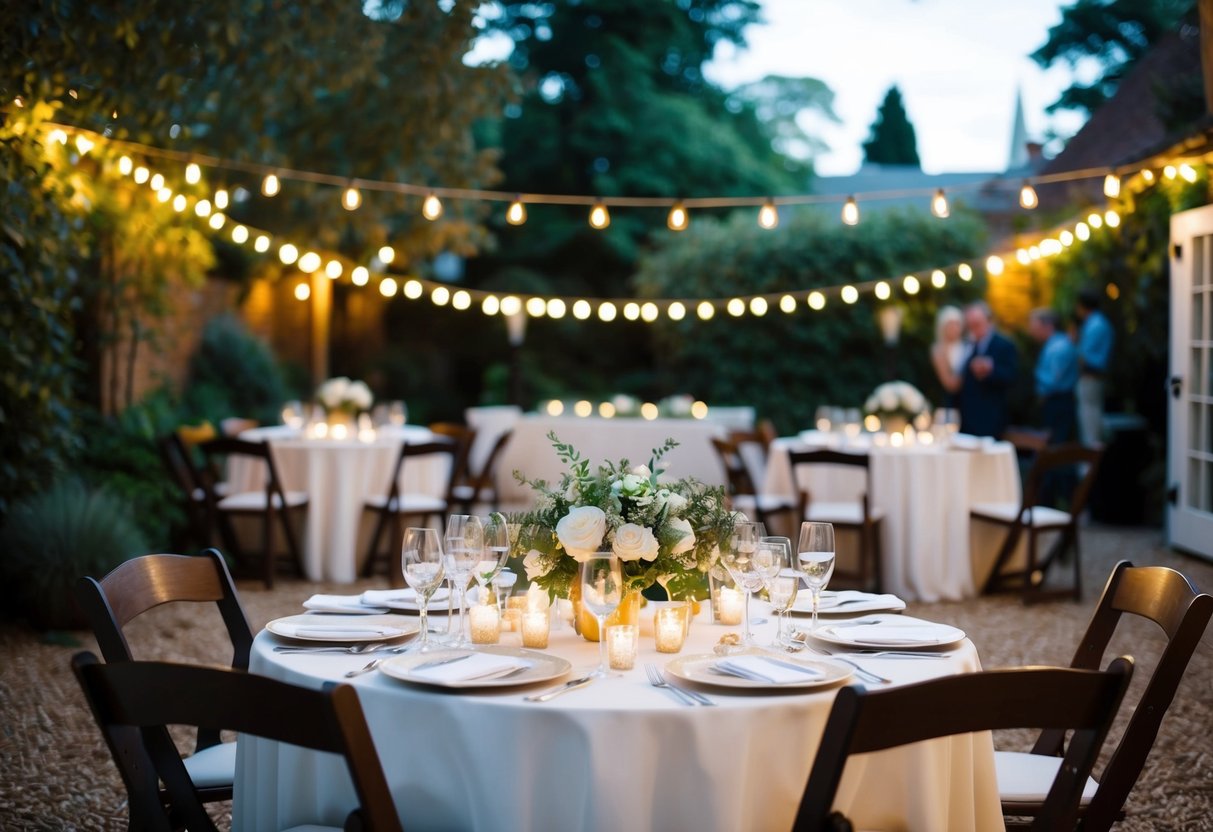
Choosing a small wedding ceremony doesn’t mean you can’t celebrate big with your loved ones later. A reception allows you to share your joy with friends and family who couldn’t attend the private wedding, making it a special occasion for everyone.
Scaling the Event to Fit Your Vision
When planning your reception, think about what you want. You can choose a big reception or something more casual. Consider the distance family and friends may have to travel and make it easy for them to join in.
You might want to reserve a venue that suits your style, whether it’s a cozy restaurant or a grand hall. You can even blend different elements, like combining a sit-down dinner with a fun dance party. Tailor the event to reflect your personality and relationship.
Managing Reception Details
Make a list of important details for your reception. Start with the guest list. Decide who you want to invite, keeping in mind that some may not have attended the wedding.
Next comes the food and drinks. Will you have a buffet or a sit-down meal? Also, think about your guests’ preferences, and perhaps include some of your favorite dishes.
Lastly, plan entertainment that resonates with you and your loved ones. You could hire a DJ, create a playlist, or even include some fun games. All these details add to the joy of the day and make it memorable for everyone involved.