
Is It Rude to Invite Guests to Ceremony Only? Understanding Etiquette and Expectations
Inviting guests to only the wedding ceremony can raise some questions about etiquette. You might wonder if excluding people from the reception is considered rude.
It’s important to understand that while some guests may feel slighted, many will appreciate the invitation to witness the ceremony itself, as this is often seen as the more meaningful part of the wedding.
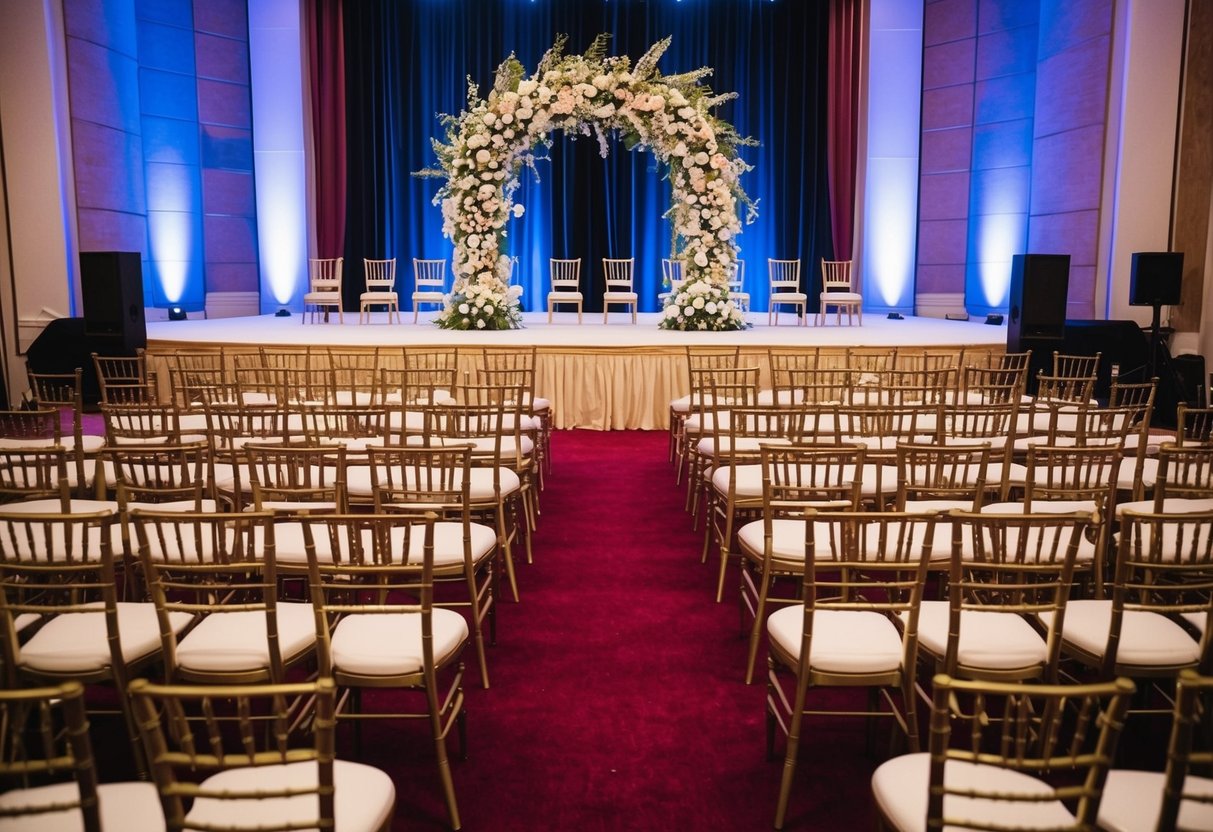
Various factors can influence your decision. For instance, if space is limited at the ceremony but you want to include more people at the reception, a ceremony-only invitation can be an acceptable choice.
Many couples find success in sending clear communication about the nature of the invite, allowing guests to feel valued regardless of the event they attend.
Ultimately, focusing on the intention behind your invitations is key. If you thoughtfully consider your guests and convey your reasons, most will understand your choices. Remember, it’s all about celebrating love and shared moments, whether at the ceremony or in the festivities that follow.
Understanding Wedding Etiquette
Wedding etiquette can be tricky, especially when it comes to your guest list. You want to invite people to celebrate with you, but how you do that matters.
When deciding who to invite, consider the feelings of your guests. Inviting someone only to the ceremony can be seen as a snub if others are invited to both the ceremony and reception.
Creating a clear guest list is important. If your ceremony and reception are at the same place, it might be awkward for guests who have to leave after the ceremony.
Here are a few tips to keep in mind:
- Be clear: Communicate effectively on invitations.
- Consider the size: A smaller guest list for both events can feel more intimate.
- Respect traditions: Some may feel that inviting everyone to the ceremony is the right approach.
Ultimately, think about how your choices might affect your relationships. Your wedding should be a joyful event for everyone involved. Balancing your desires with wedding etiquette ensures that your special day is enjoyable for you and your guests.
Navigating Invitation Wording and Expectations
Clear communication is key when inviting guests to your wedding ceremony only. How you phrase your invitations can help set the right expectations and make your guests feel comfortable with their invitation type.
Crafting Your Invitations
When it comes to invitation wording, you need to be clear and specific. If you’re inviting someone to the ceremony only, consider using distinct wording.
For example, your main invitation could state that you would love their presence at the ceremony and could conclude with:
- “The honor of your presence is requested at the wedding ceremony of [Names].”
If there’s a reception afterward, it’s helpful to include a separate card for those invited to the reception only:
- “Join us for the wedding reception of [Names] immediately following the ceremony.”
This way, guests who are only invited to the ceremony know what to expect.
Setting Guest Anticipations
Setting expectations is important for avoiding any awkwardness. Make sure to include RSVP details to manage who will attend. Use phrases like:
- “Please RSVP by [date] for the ceremony only.”
This keeps it clear that you’re only expecting them for that part of the day.
If you are worried about miscommunication, consider adding a note. You can say:
- “We would love to see you at the ceremony. Unfortunately, the reception will be a smaller gathering.”
This helps guests understand the situation without feeling left out. Clear wording helps everyone know their role in your special day.
Planning for a Small Ceremony and Intimate Reception
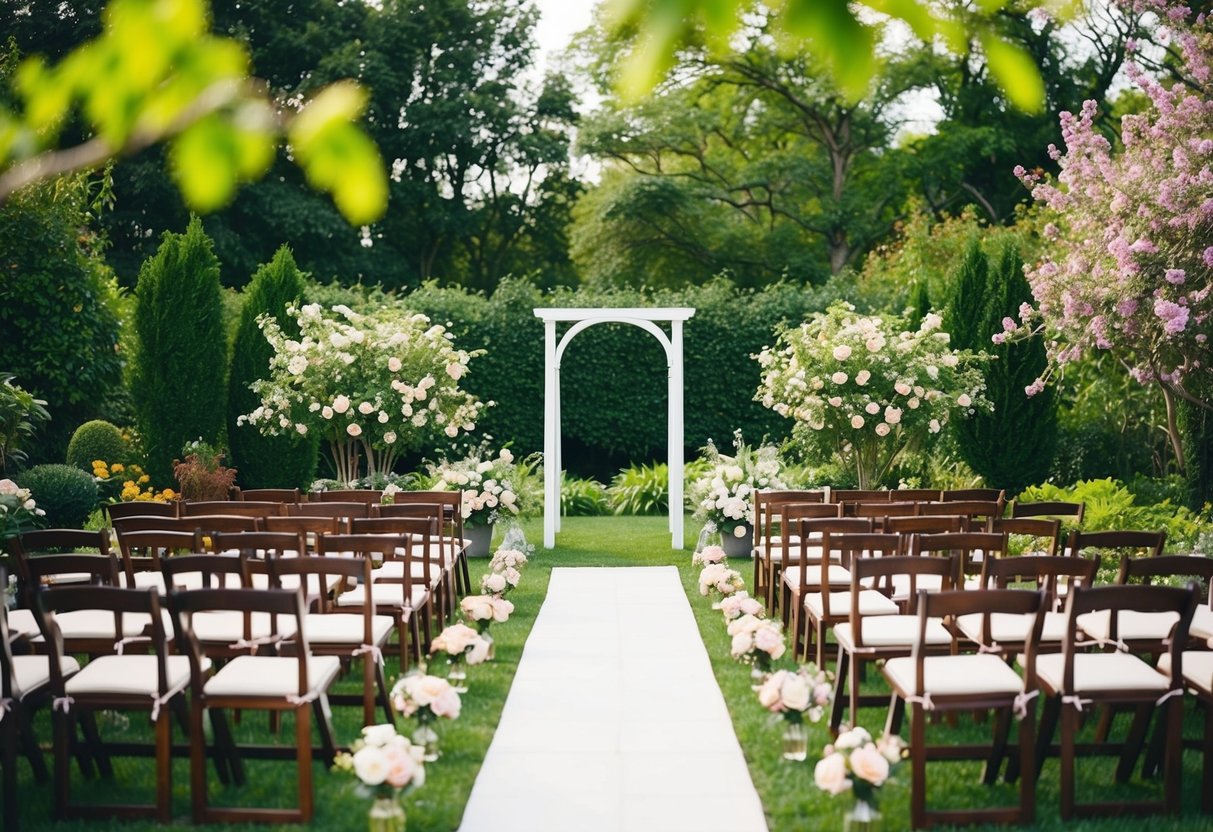
Planning a small ceremony can be a wonderful way to keep your wedding personal and special. By inviting only close family and friends, you create an intimate setting that adds emotional value to your day.
When working with a budget, a small ceremony may help reduce costs. Fewer guests mean fewer expenses for catering, seating, and decorations. This allows you to allocate more funds to other areas like photography or a unique venue.
Consider the following tips for organizing your event:
- Choose a Meaningful Location: Think about places that hold significance for you and your partner.
- Personal Touches: Use items that reflect your style, like personalized decorations or handmade invitations.
- Limit Your Guest List: Focus on inviting those who truly matter to you.
For your reception, keep the atmosphere cozy. You can opt for a small restaurant or a home setting.
With an elopement, you can still celebrate with a larger party later. This allows for both a private moment and a lively gathering without stretching your budget.
Remember, it’s all about the experience you share with your loved ones. A small ceremony and intimate reception can create lasting memories.
Alternatives for Different Types of Wedding Celebrations
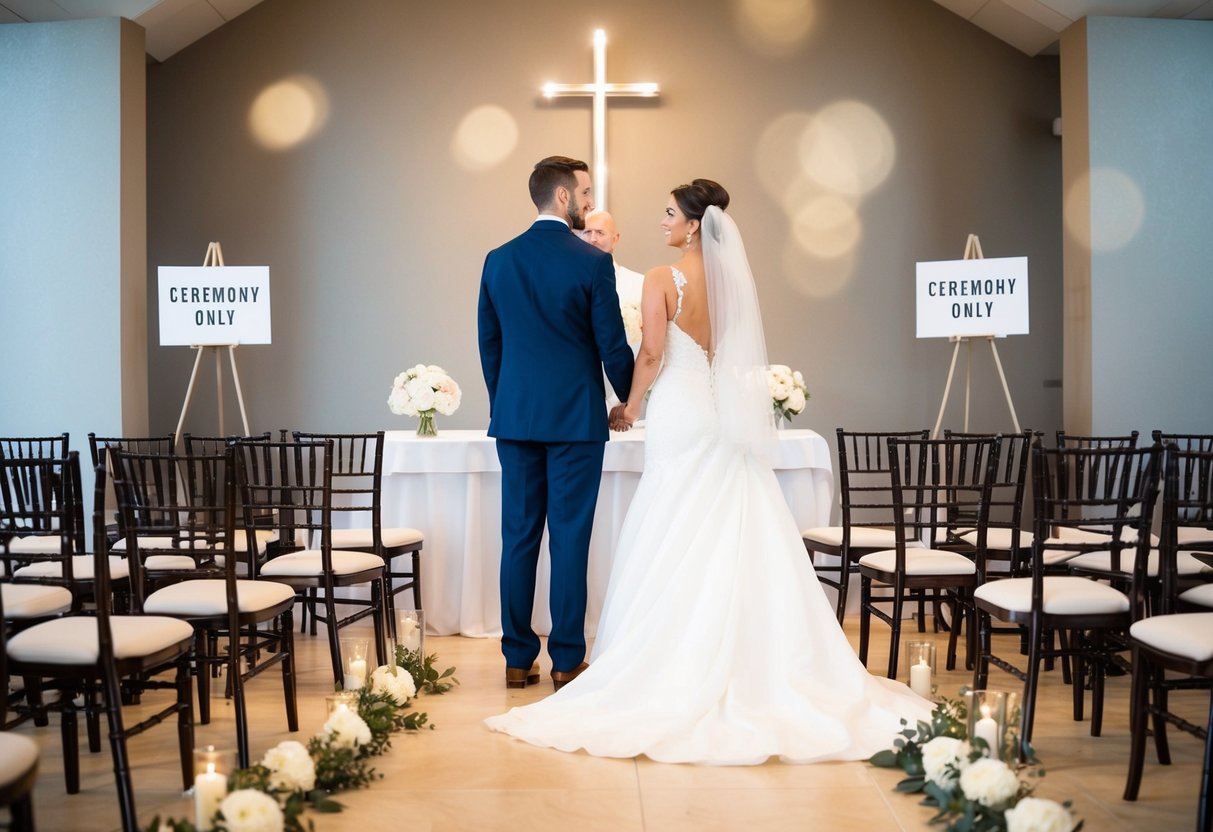
When planning your wedding celebration, you might consider different ways to invite guests. Some choose to invite guests only to the reception or to host separate events. Exploring these options can make your wedding more enjoyable for everyone involved.
Option of Reception Only Invites
Inviting guests only to the reception can be a good option, especially for larger weddings. This allows you to have an intimate ceremony with just close family and friends. It can feel less overwhelming for you, as you can focus on the most important people during the ceremony.
For the reception, send out invitations that clearly state details like the time and venue. Being specific can reduce confusion. Some guests appreciate attending just the celebration where they can mingle, enjoy food, and dance.
Considering Separate Events
You can organize separate events for the ceremony and reception if you prefer. This can work well if your ceremony is small and personal. For example, you might have a family-only ceremony followed by a larger reception with friends and extended family.
Make sure to communicate clearly on the invites. Let guests know the focus of each event. This way, everyone understands the plan. Fewer guests at the ceremony can create a more meaningful experience for those who attend.