
Is It Rude to Invite People to the Wedding but Not the Reception? Understanding the Etiquette
When planning your big day, you might wonder about the etiquette surrounding guest invitations. It’s common to invite certain people to the wedding ceremony but leave them out of the reception. Some may find it acceptable, but others find it rude, making this a sensitive topic in wedding planning. The feelings of your guests matter, and the dynamics of relationships can make a big difference in how your choices are perceived.
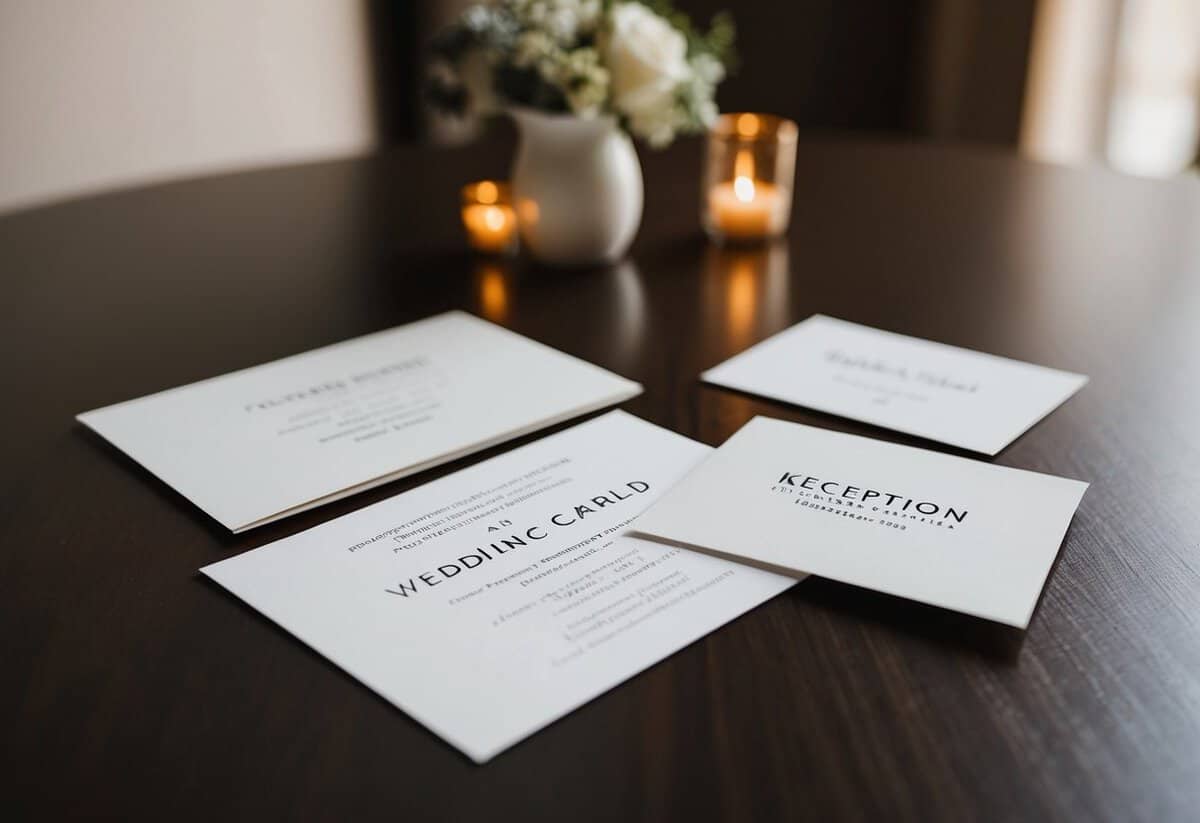
Many couples grapple with budget issues and venue limitations, prompting the question of whether it’s okay to have a tiered invitation list. This discussion often reveals mixed opinions. Some argue that it’s fine to limit guests to just the ceremony or reception, while others feel it can create awkwardness and hurt feelings among those invited only to part of the celebration.
Understanding the fine line between practicality and etiquette can help you navigate this tricky situation. Ultimately, considering your guests’ feelings and communicating your plans openly can lead to a more positive experience for everyone involved.
Understanding Wedding Etiquette
Wedding etiquette can feel confusing, especially when deciding on guest invitations. Knowing how to invite others to your wedding while considering reception attendance is key.
Traditions and Modern Expectations
Traditionally, inviting guests to the wedding ceremony meant you should also invite them to the reception. This practice helped celebrate family and friends together.
In modern times, couples often tailor their events. Some may have a small ceremony but a larger reception. If you invite someone to the ceremony and not the reception, be prepared for potential feelings of exclusion.
It’s essential to think carefully about how your decisions impact your relationships. Balancing tradition with your personal desires makes the day more enjoyable for everyone involved.
Guest List Dynamics
When creating your guest list, consider the relationships you have with your guests. Family and close friends typically expect to be invited to both parts of the event.
For larger weddings, there may be space and budget constraints. You might need to limit some invites. In such cases, communicate your choices clearly.
Consider discussing these plans with family or close friends first. This helps set expectations and avoids misunderstandings. Creating a welcoming atmosphere benefits everyone at the celebration.
Invitation Wording and Clarity
The wording of your invitations plays a significant role in setting the tone for your wedding. If you decide to invite guests only to the ceremony, make this clear on the invitation.
For example, you could state: “Join us for the ceremony at [time] at [location]. A reception will follow with limited guests.” This clarity helps manage expectations.
Use friendly and warm language that reflects your personality. By being upfront, you prepare your guests for what to expect and reduce any confusion. Thoughtful wording shows you care about your guests’ feelings.
Factors Affecting Reception Invitations
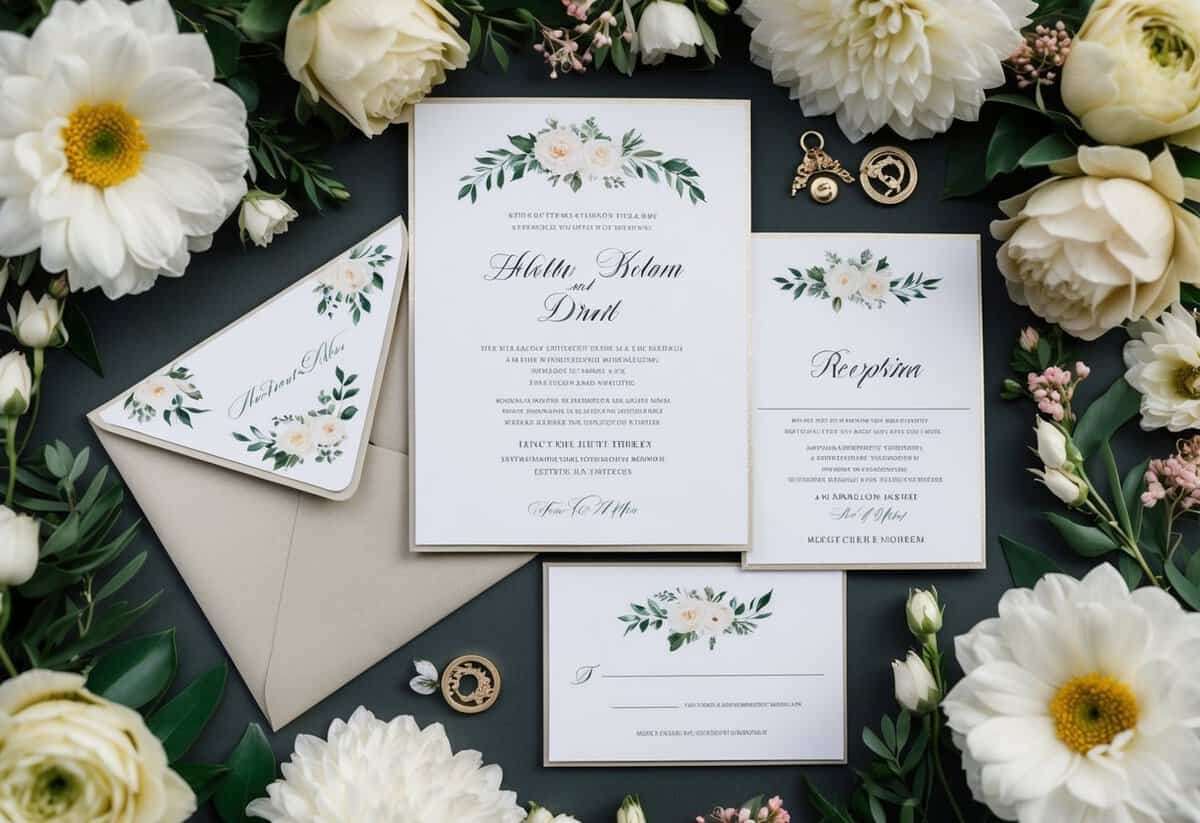
When planning your wedding, several important factors will influence how you handle reception invitations. These elements include budget limitations, the size and intimacy of your venue, and your desire to prioritize family and close friends.
Budget Constraints
Your budget plays a significant role in how many people you can invite to the reception. Weddings can be expensive, and costs can quickly add up.
You might find that inviting fewer guests helps you stay within your financial limits. For example, smaller receptions often lead to a more intimate atmosphere, but they also mean you might need to prioritize who gets an invite.
Focusing on close friends and family can make your event feel special without overspending. Remember, it’s acceptable to have a larger ceremony and a smaller, more intimate reception if your budget requires it.
Venue Size and Intimacy Levels
The size of your venue greatly affects your reception guest list. If you have a small venue for your reception, you’ll need to limit the number of people you invite. This can make for a cozy and intimate setting.
Many couples choose to invite only their immediate families or closest friends to these smaller venues. This way, you can create a more personal experience for everyone involved. Think about how you want your wedding to feel: a large gathering or a small, shared moment?
Consider using a larger venue for the ceremony, which allows you to invite more people, and then scale down for the reception.
Prioritizing Family and Close Friends
When deciding on your reception invitations, think about who truly matters most to you. Many couples choose to invite only family and very close friends to the reception. This can be a way to honor the relationships that mean the most to you.
Having a smaller guest list for the reception allows for meaningful interactions and connections. If you have a larger ceremony, this also helps to keep it from feeling too overwhelming.
Creating an intimate gathering focused on your nearest and dearest can provide a wonderful shared experience. You might even find that it enhances your celebration in a way that a larger crowd couldn’t offer.
Navigating Difficult Conversations
When making wedding guest lists, you may find yourself in tricky situations. It’s essential to communicate clearly and compassionately with your guests. This can help ease concerns and reduce any hard feelings.
Communicating Your Decision
Be honest about your choices. If you decide to invite some guests to the ceremony but not the reception, explain your reasoning. It might be due to venue size or budget constraints. A simple, heartfelt message can go a long way.
When reaching out, consider using a direct approach. You could say, “We have a small ceremony planned and can only invite close family and friends.” This clarity helps your guests understand your situation.
Remember to express gratitude. Thank them for understanding your decision. Acknowledging their feelings can help maintain positive relationships.
Resolving Potential Conflicts
Prepare for potential conflicts. Some guests might feel hurt or left out. To address this, be willing to listen to their concerns. Open communication can help.
If someone expresses feelings of being undervalued, reassure them of their importance in your life. Highlight how much you cherish their friendship. This can help ease hard feelings and reinforce your bond.
If conflicts arise in discussions, remain calm. Keep the focus on your excitement for the day. This can help shift attention from hard feelings toward celebrating your union.
Managing Guest Expectations
Setting clear expectations is crucial. A well-timed RSVP request can prepare guests for what to expect. Let them know the ceremony is intimate, which may affect attendance at the reception.
Consider sharing a brief note with your invitations. Explain the format of your day clearly, so guests understand what they are invited to. This also keeps everyone informed.
You can also create a dedicated space for questions, like a forum or discussion board. This way, guests can voice concerns and you can respond promptly. Setting the right expectations helps avoid misunderstandings and create a positive experience for everyone involved.