
Is It Rude to Invite Someone to a Bridal Shower but Not the Wedding? Navigating Social Etiquette
Inviting someone to a bridal shower but not the wedding can raise eyebrows and stir feelings of confusion. Many people wonder if this practice is acceptable or if it is seen as rude. Generally, people consider it poor etiquette to invite someone to one celebration and not the other. When you invite guests to your bridal shower, it usually implies that they hold a special place in your life, which makes not inviting them to the wedding seem like a snub.
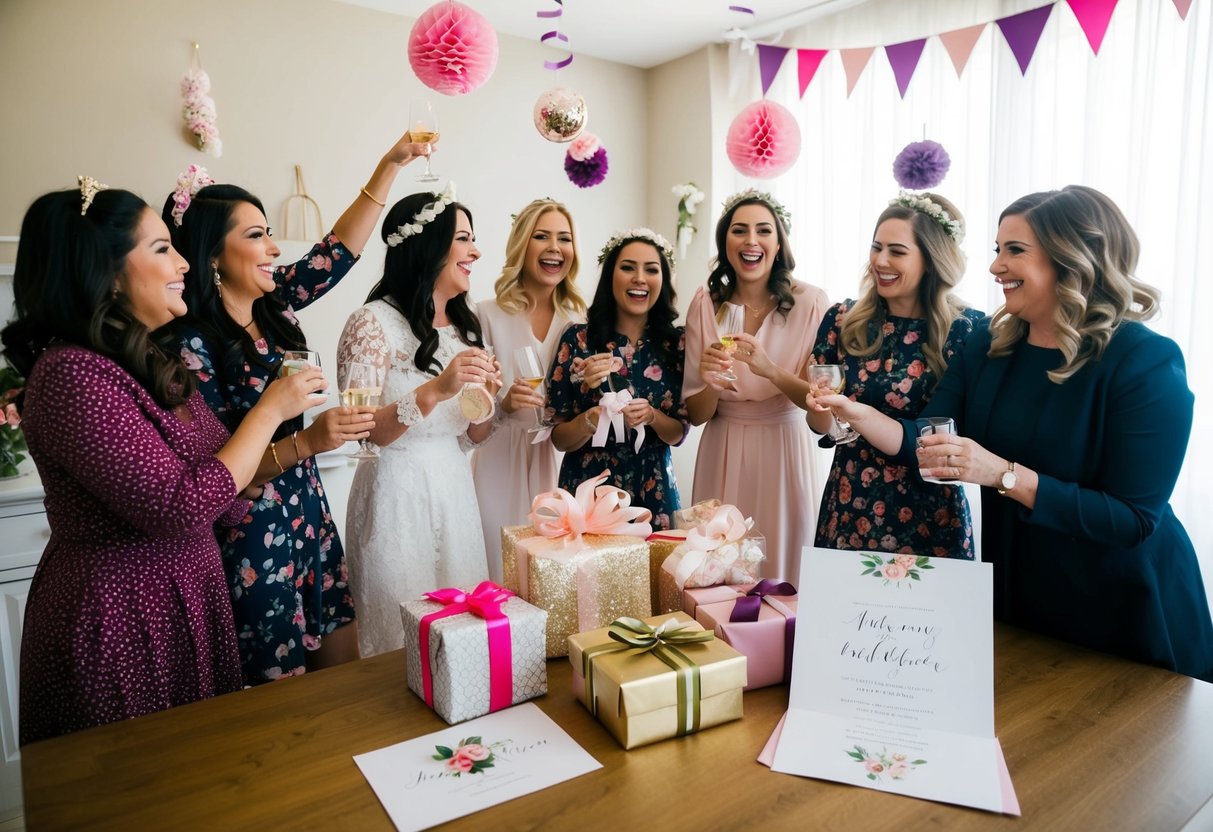
Understanding the expectations surrounding weddings and bridal showers is important. These occasions are not just about having fun; they are about celebrating relationships and honoring your loved ones. If someone is invited to the shower, they may feel left out or undervalued if they’re not on the wedding guest list, leading to hurt feelings.
Navigating these social situations can be tricky. You want to make sure your choices reflect your appreciation for your friends and family. As you learn more about these etiquette norms, you’ll be better prepared to make decisions that maintain harmony and show respect for those who support you.
Understanding Wedding Etiquette
When planning a wedding, understanding etiquette is important. Knowing the differences between events can help you navigate your guest list and manage invitations. Clear communication can prevent misunderstandings and ensure everyone feels valued.
Distinguishing Between Bridal Showers and Wedding Celebrations
Bridal showers and weddings serve different purposes. A bridal shower is a pre-wedding event focused on celebrating the bride with gifts and socializing. It’s often smaller, inviting close friends and family. In contrast, the wedding is a formal event where the couple declares their commitment and celebrates with a larger group.
Inviting someone to a bridal shower but not to the wedding can feel confusing. It can suggest that the person is valued enough for gifts but not for the wedding itself. This sends mixed messages about their importance in your life. To avoid hurt feelings, it’s best to invite those who attend the shower to the wedding.
Communicating Expectations Clearly
Clear communication about your plans is essential in wedding planning. Make it known who is invited to each event. This can be done through conversations, invitations, or save-the-dates.
When creating your wedding guest list, ensure your bridal shower guests align with your wedding invites. If you have reasons for excluding certain guests from the wedding, consider discussing this privately. This approach helps maintain relationships and shows respect for their feelings.
A thoughtful invitation can set the right tone for the event and promote understanding among your friends and family.
Navigating Guest Lists and Invitations
Creating guest lists for both the bridal shower and wedding can be tricky. You want to include everyone important in your life while also being mindful of etiquette. Understanding how to separate these lists is key to avoiding misunderstandings.
Formulating the Bridal Shower Guest List
When making your bridal shower guest list, focus on the bride-to-be’s closest family and friends. Think about who has played a significant role in her life.
You may want to keep it intimate. This can help create a warm atmosphere and allow for meaningful interactions. Aim for a small group, generally around 10 to 30 people.
Remember, it’s not just about numbers. Each person should be someone the bride truly wants to celebrate with. If you plan to invite someone to a shower, consider how they fit into the broader picture of the wedding guest list.
Deciding on the Wedding Guest List
The wedding guest list often looks different from the bridal shower list. Typically, it includes more people, such as extended family, coworkers, and friends from different parts of your lives.
Consider how intimate you want your wedding to be. A small wedding may still only have 50 to 100 guests, depending on your preferences. Balance your desires with the bride’s wishes.
It’s best to avoid inviting someone to the bridal shower but not the wedding, as this can be perceived as rude. Each invite sends a message about relationships and value. Keeping the lists consistent helps prevent feelings of exclusion.
Addressing Potential Hurt Feelings

When planning a bridal shower, it’s essential to consider how your choices might affect your relationships. You want to avoid hurt feelings and maintain good bonds with your close friends and family. Here are important points to think about.
Preventing Passive-Aggressive Behavior
You might face passive-aggressive behavior if someone feels slighted by not being invited to the wedding. To prevent this, be clear about your decisions.
Communicate openly with those invited to the shower. Let them know that not receiving a wedding invite isn’t personal. Sometimes it’s due to limits on your guest list.
You can also consider hosting a casual gathering post-wedding for those not invited. This can help ease feelings and rebuild connections.
An open conversation can prevent misunderstandings, making your bridal events more joyful for everyone involved.
Balancing Gift-Giving Expectations
One concern about inviting someone to a bridal shower but not the wedding is the potential gift grab feeling. Guests might think they’re just being used for gifts.
To handle this, clarify your expectations politely when sending out invites. You can express that their presence means more than any gift.
Consider addressing the RSVP process thoughtfully. Mention you appreciate friendship over material gifts. This helps friends understand you aren’t focused on the gifts.
Remember to thank everyone personally after the events. A simple message of appreciation can reduce any lingering feelings of discomfort. By handling gift-giving thoughtfully, you strengthen your relationships during this special time.
Exploring Various Wedding Formats
When planning your special day, the format can greatly influence the celebration’s dynamics. You may find that options like elopements, micro weddings, and destination weddings can help create an intimate ambiance and customizable experience.
Evaluating Elopements and Micro Weddings
Elopements offer a chance for couples to exchange vows privately, often with just a witness or two. This format is perfect if you want an intimate gathering that can focus solely on your relationship without the stress of larger wedding festivities.
Micro weddings, on the other hand, involve a small guest list, typically around 20-50 people. This allows you to celebrate with close friends and family while keeping costs lower than a traditional wedding. You can create unique experiences tailored to your social circles, making it feel more personal.
Considering Destination Weddings
Destination weddings let you celebrate in a breathtaking location away from home. You and your guests can enjoy time together in a beautiful setting.
This format allows for a vacation atmosphere.
These weddings often combine celebration with exploration. Friends and family share not only in your vows but also in new experiences.
Just remember, inviting guests to a bridal shower but not to the wedding can raise eyebrows. This is especially true in a more intimate setting where everyone typically knows each other. Ensuring that your wedding invite reflects your desires can help reduce any potential misunderstandings.