
Is It Rude to Invite Someone to the Reception and Not the Wedding? Navigating Wedding Etiquette with Care
Inviting someone to a wedding reception without including them in the ceremony can spark some strong opinions. Many wonder if this practice is acceptable or if it comes off as rude. Generally, people consider it impolite to invite someone to the reception without inviting them to the wedding ceremony. This is because the ceremony holds a significant emotional value, and being excluded can make guests feel undervalued.
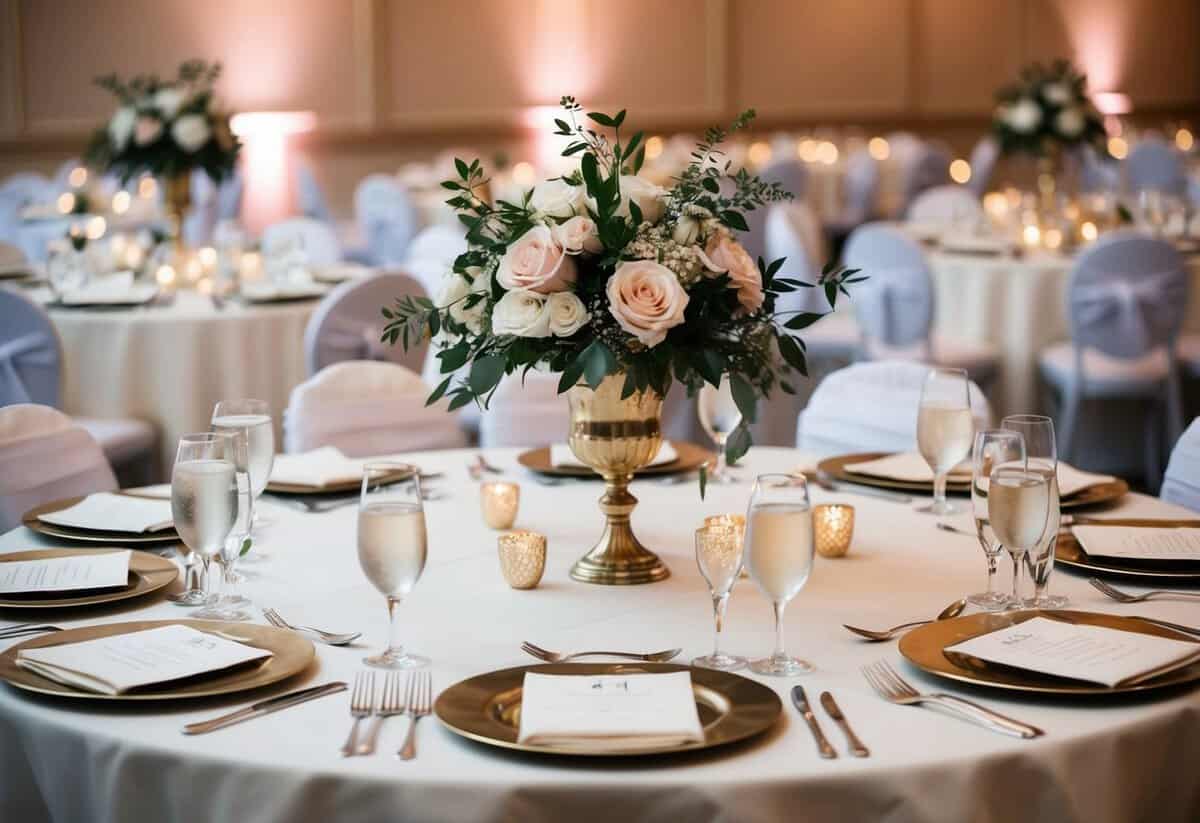
You might find yourself in a situation where you’re dealing with space limits or budget constraints. It’s important to navigate your invitation list thoughtfully. A deeper understanding of wedding etiquette can help ensure that you don’t hurt feelings while still making the day special for everyone involved.
So, as you plan your big day, remember to consider the feelings of your guests. After all, weddings are about love and community, and including everyone you wish to celebrate with can strengthen those bonds.
Understanding Wedding Invitations
When planning your wedding, invitations can be tricky. Knowing the differences between inviting guests to the ceremony versus the reception, and how your budget affects these decisions, is key to getting it right.
Differences Between Ceremony and Reception
The wedding ceremony is often a more intimate event. It typically includes close family and friends, focusing on the vows and the couple’s commitment. An intimate ceremony might have around 20-30 guests. This smaller guest list makes it easier to create a personal atmosphere.
In contrast, the wedding reception is usually much larger. It celebrates the couple’s union with food, dancing, and socializing. Many couples invite everyone they know to this event, sometimes totaling up to 200+ guests.
Choosing who to invite to each event can impact how guests feel. Inviting someone only to the reception might make them feel like an afterthought. This can be a sensitive topic in wedding planning.
Considering Budget Constraints
Your budget constraints play a huge role in decision-making. Each guest adds to the cost. For example, meals, drinks, and venue size become more expensive with larger receptions.
If you’re trying to keep costs down, consider reserving the ceremony for a small group. This allows you to celebrate intimately, while still hosting a larger reception with friends and acquaintances later.
Being clear on your guest list can help manage expenses. Decide who must be at the ceremony versus those you would like to see at the reception. This can help ensure your day is special without overspending.
Etiquette and Expectations
When planning your wedding, it’s important to consider the etiquette surrounding invitations, especially regarding guests invited to the reception but not the ceremony. Understanding the expectations of both couples and guests can help avoid misunderstandings and hurt feelings.
The Do’s and Don’ts for Couples
Do consider your reasons for having a small or private ceremony. If space is limited, it’s perfectly understandable to invite only close family and friends. Communicate openly about your decision on invitations.
Don’t assume that guests invited only to the reception will understand your choice. It may come off as inconsiderate, so it’s crucial to be clear about the invite list and why certain guests are excluded from the ceremony.
Do send clear RSVP instructions. Let your guests know if they are only invited to the reception. Providing full details helps manage expectations and ensures a smooth event.
Guest Perspective on Reception-Only Invites
From a guest’s viewpoint, being invited to the reception but not the ceremony can feel awkward. Many guests expect to participate in both events as a way to show support for you.
Some guests may feel left out, especially if they are close to you. This can lead to confusion or even hurt feelings. It’s important to think about how your decisions affect those invited.
If you choose a reception-only invite, consider including a personal note explaining your choice. This takes thoughtfulness a step further and shows you value their presence, even if they won’t join the ceremony.
Making the Decision

Deciding who to invite to your wedding and reception can be tricky. You need to consider your guest list and think about how your choices will affect your relationships. Here’s how to navigate this important decision.
How to Decide Who Gets Invited
Start by listing everyone you want to celebrate with on your big day. Break this list into two groups: those for the ceremony and those for the reception.
Consider the following points:
- Relationship: Close friends and family often belong at both events.
- Budget: Limitations on food and space may impact your choices.
- Intimacy: Think about the atmosphere you want for each event.
Some couples opt for a small ceremony with immediate family and a larger reception for friends. This can help manage expectations and make your day feel special for everyone involved.
Communicating Your Choice Tactfully
Be honest with your guests while remaining sensitive. If you decide to invite someone only to the reception, consider these tips:
- Personal Touch: Whenever possible, explain your decision directly to those involved.
- Timing Matters: Let guests know well in advance to help manage feelings.
- Gift Expectations: Make it clear that gifts should not be expected from those only attending the reception.
This approach helps avoid misunderstandings and lets your guests feel valued, regardless of their invite status.