
Is It Rude to Not Allow Plus Ones at a Wedding? Navigating Guest Expectations with Grace
When planning your wedding, one of the tricky decisions you may face is whether to allow plus-ones for your guests. Many people wonder about the etiquette behind this choice and how it affects social dynamics at the event. Not allowing plus-ones can come off as rude, especially to guests who may not know anyone else at the wedding.
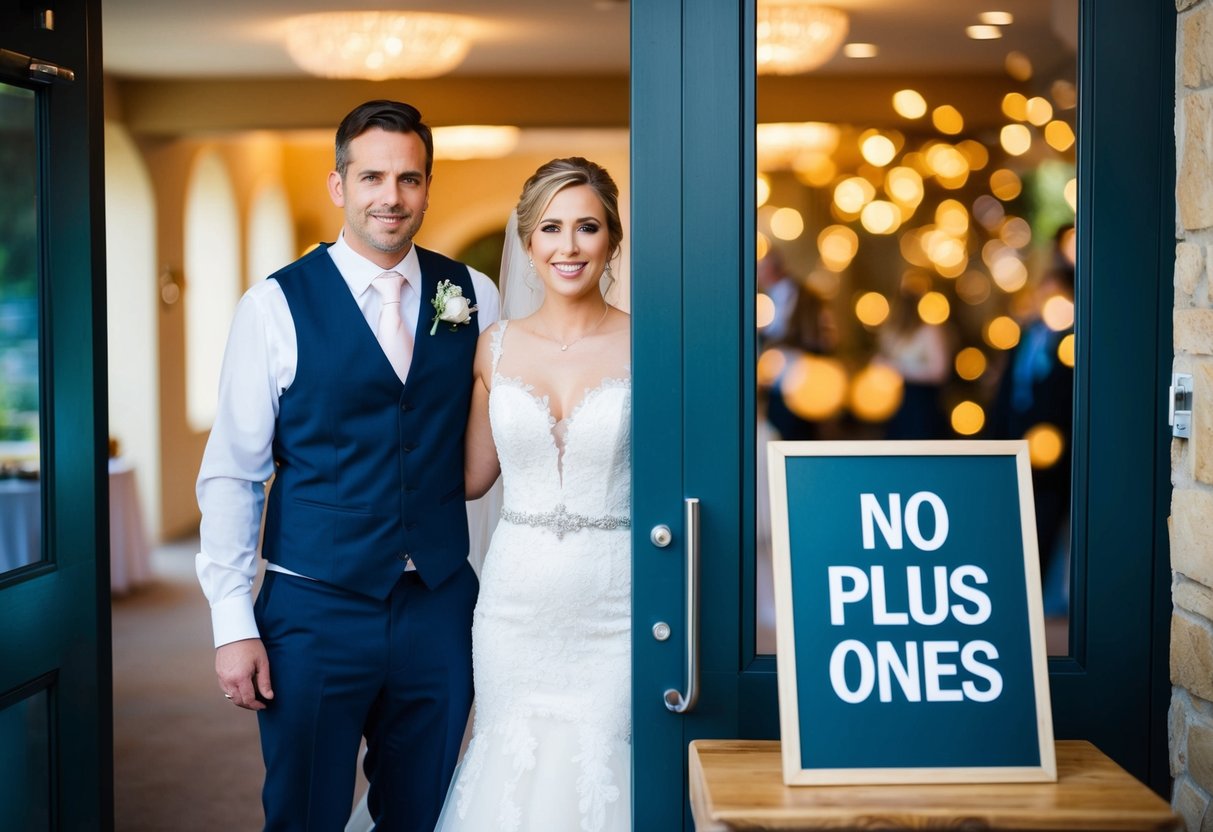
Weddings are significant social gatherings meant to celebrate love and togetherness. Inviting someone without a partner can create awkward moments and might discourage them from enjoying the celebration. Additionally, how you word your invitations can set the right tone for your guests, giving them clear expectations about who is welcome to join them.
While budget and venue can play crucial roles in your decision, understanding the feelings of your guests can help create a more enjoyable atmosphere. Ultimately, it’s important to strike a balance between your preferences and what feels considerate to those you’re inviting.
Understanding Plus-One Etiquette
Plus-one etiquette often raises questions about who should be invited with a guest and how it may affect the overall wedding experience. Understanding these details can help navigate social situations with ease.
What Is a Plus-One?
A plus-one is an invitation for a guest to bring along someone else. This can be a partner, friend, or another person of their choice.
When you send out invitations, including a plus-one can make guests feel more comfortable, especially if they do not know many people at the wedding. It acknowledges their relationship status or social needs.
Many weddings choose to allow plus-ones for those who are in serious relationships. This might include anyone the guest considers a significant other, which can vary widely depending on personal circumstances.
Determining Who Gets a Plus-One
Deciding who receives a plus-one can depend on several factors. First, consider your budget. Weddings can be expensive, and each extra guest adds to the cost.
Think about your venue as well. Space limitations may prevent you from inviting additional guests. You might want to limit plus-ones to close friends and family or those in committed relationships.
In some cases, you might extend a plus-one to solo guests who wouldn’t know anyone else. Having a familiar face can help them enjoy the event more.
Implications of Not Allowing Plus-Ones
Choosing not to allow plus-ones can have social implications. Guests may feel uncomfortable attending alone, especially if most others are paired up.
Not including a plus-one may also lead to feelings of exclusion, especially for those who have partners or close friends. This can unintentionally affect the dynamics of social interactions at your wedding.
If you decide against allowing plus-ones, communicate your reasoning clearly. This helps your guests understand your choices while minimizing any hurt feelings.
Crafting Your Guest List
When creating your guest list, it’s important to balance your budget and the feelings of your guests. Consider who among your friends and family should receive a plus-one while also keeping track of overall numbers. This can help ensure a smoother planning process and a more enjoyable experience for everyone.
Balancing Numbers and Sentiments
Start by determining your venue’s capacity and your overall budget. Knowing how many guests you can accommodate will guide your decisions.
Next, think about your relationships. For close friends and family, allowing plus-ones can be considerate, especially if they are traveling alone or are not familiar with others.
For example, if you have solo guests who don’t know anyone else, it might feel awkward for them to attend alone. Balancing the need for a fun atmosphere with your budget will help create a thoughtful guest list.
Addressing Plus-Ones on Invitations
When crafting your wedding invitation wording, deciding how to handle plus-ones is key. Be clear and specific. For couples, you can include both names on the invitation. For single guests, you may write “plus one” on the envelope.
Make sure your wording reflects your intentions. If you want to limit plus-ones, consider using phrases like “invited guest” instead of “plus one.” This way, your guests understand the rules upfront.
Managing RSVPs and Guest Requests
As RSVPs come in, keep track of each guest’s status. Have a simple system, such as a spreadsheet, to monitor who is attending and if they are bringing a plus-one.
Be prepared for some guests to ask for a plus-one, especially if they are in a long-term relationship. In these cases, it’s up to you to decide if you want to include their partner.
Don’t hesitate to communicate honestly if your guest count is tight. A friendly explanation can go a long way in helping your guests understand your situation.
Communicating Your Decision
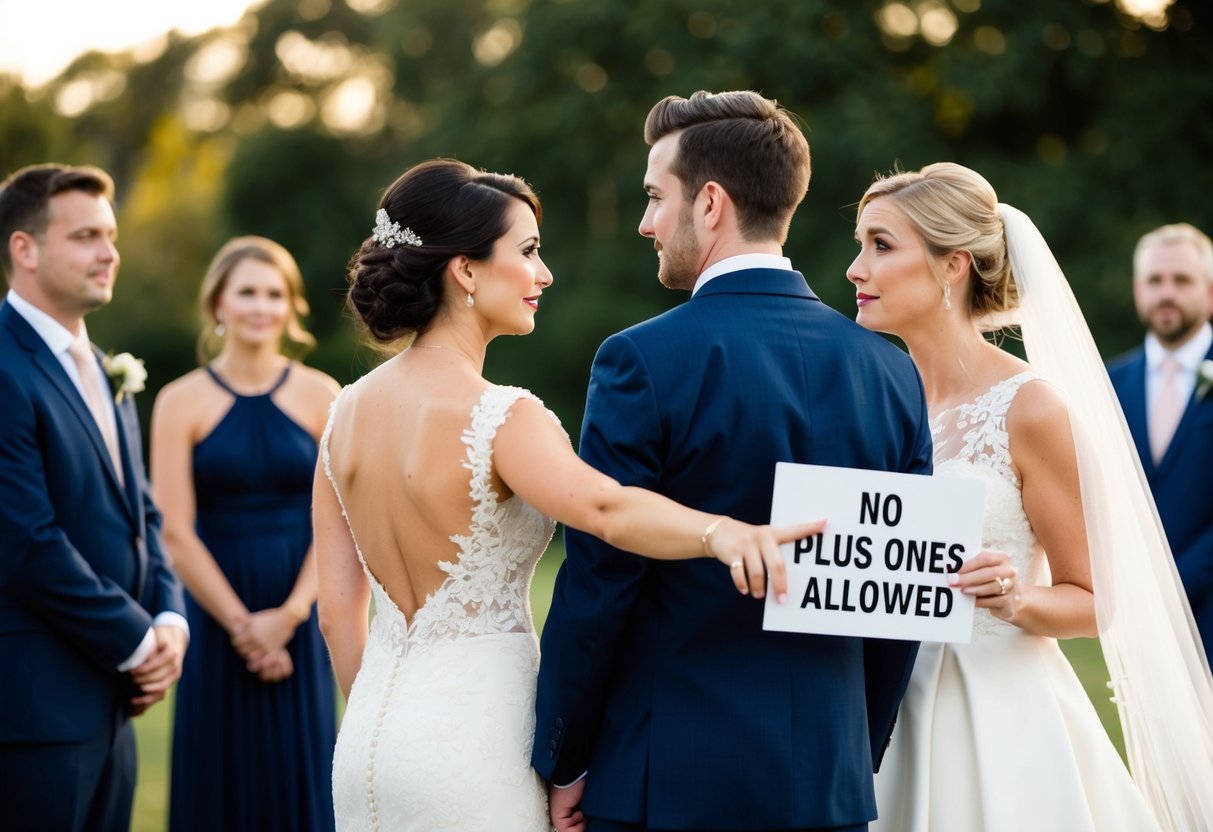
When you decide not to allow plus-ones at your wedding, clear communication is key. You want to ensure that your guests understand your decision while feeling valued and included. Here are some effective ways to approach this topic.
Wording on Wedding Invitations and Website
Your invitations and wedding website are the first places guests will look for information. Be clear and polite in your wording.
- “We’re excited to celebrate with you! Unfortunately, we cannot accommodate plus-ones.”
- “Due to limited capacity, we can only invite guests addressed on this invitation.”
This approach sets the expectation without sounding harsh. On your wedding website, you can elaborate a bit more, explaining reasons like venue size or budget. It helps guests understand and reduces any hard feelings.
Make sure this information stands out on your website. Consider using a separate section titled “Guest Information” or “Important Details” to highlight it.
Handling Conversations with Guests
When guests inquire about plus-ones, a friendly and direct approach works best. You can start by expressing how much you care about their presence.
For example, say, “I can’t wait to celebrate with you!”
Follow this with an explanation. You could say, “Due to our venue limits, we had to make some tough choices about our guest list.” Keep it warm and understanding.
If someone seems disappointed, listen to their feelings. Acknowledge their concerns by saying, “I understand it can be tough to come solo.” This shows you respect their feelings while being firm about your decision.
Logistical Considerations
When planning your wedding, understanding the logistical aspects is essential. This section covers how venue capacity and restrictions play a crucial role, as well as the differences between hosting an intimate affair or a larger celebration.
Venue Capacity and Restrictions
Your venue’s capacity is one of the first things to consider. This dictates the size of your guest list. If your venue can only hold 100 people, you will have to be selective about who gets invited.
Additionally, some venues may impose restrictions related to catering, decoration, or even the number of guests you can invite. Know your limits to avoid last-minute surprises.
Planning for an Intimate or Larger Affair
Deciding between an intimate affair or a larger celebration affects your approach to guest invitations. An intimate wedding often fosters strong connections. You might feel comfortable not offering plus-ones since your guests likely know each other.
In contrast, a larger wedding may require more diplomacy. You might want to consider giving plus-ones to solo guests who might not know others attending. This allows them to enjoy the celebration without feeling lonely.
Your guest list and the overall feel you want for your day will help guide your choices. Ensure your planning aligns with your vision, as this will make the day more enjoyable for everyone involved.