
Is It Rude to Not Go to a Destination Wedding? Understanding Guest Etiquette
Attending a destination wedding can be an exciting experience, but it often comes with challenges. You might feel torn about whether to attend, especially if the location is far away or costs more than you can afford. Planning a trip for someone else’s special day can be a big commitment. If you have valid reasons, like financial concerns or personal commitments, then it is not rude to decline a destination wedding invitation.

Many couples choose destination weddings for their unique charm, wanting to celebrate in a memorable location. However, not everyone can manage the expenses or travel time involved. If you’re hesitant about going, remember that your relationship with the couple is what truly matters.
As you weigh your decision, consider how it may affect your friendship. While attending can help strengthen bonds, your well-being also deserves attention. Ultimately, being honest with yourself and the couple is the best approach.
Understanding Destination Weddings
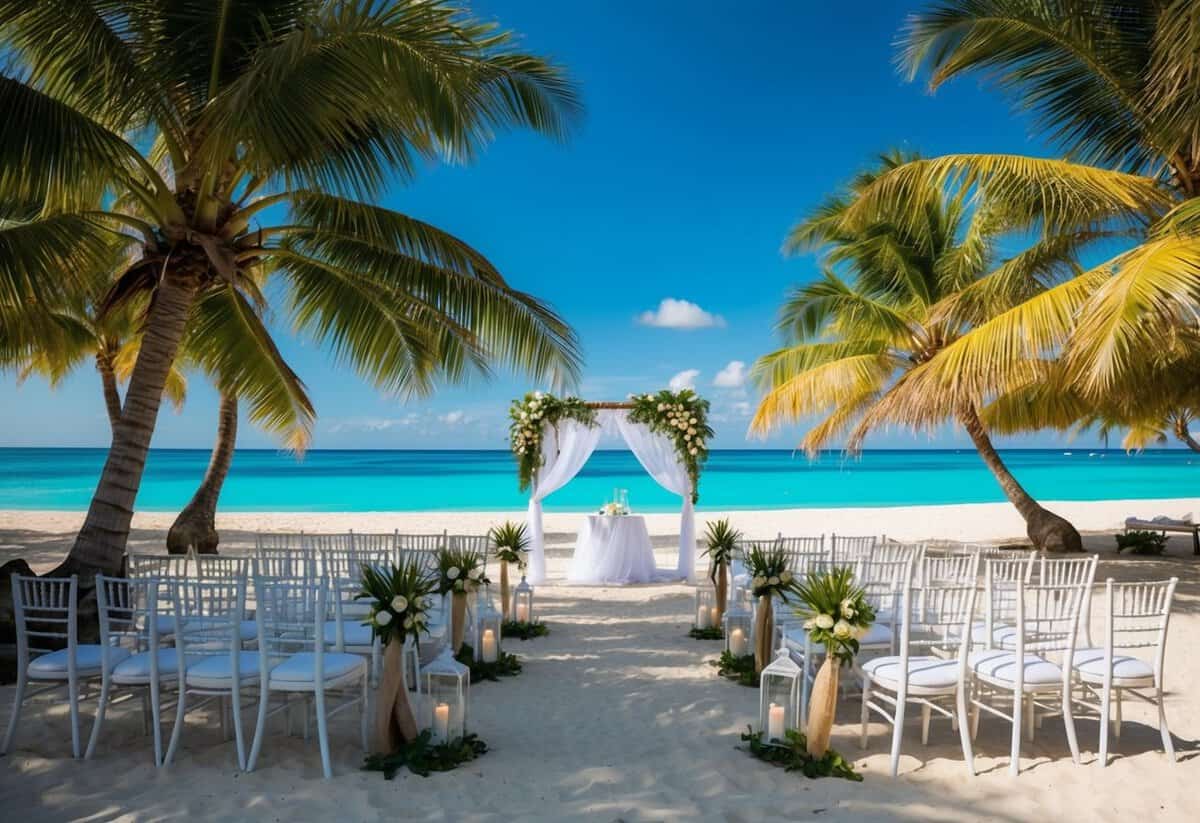
Destination weddings are unique events that take place far from the couple’s hometown. They often involve travel for guests, which can bring both excitement and challenges. Here, you can learn more about what defines a destination wedding and important factors regarding the guest list.
What Constitutes a Destination Wedding?
A destination wedding is typically held in a location that is not where the couple or most guests live. This could be an exotic beach, a picturesque mountain, or a charming city.
These weddings often come with a theme or specific cultural elements tied to the location. Planning these events can be more complex, as you will need to consider travel arrangements and accommodations for both yourself and your guests.
Here are some key aspects of destination weddings:
- Location: Choose a picturesque venue that reflects your personal taste.
- Travel: Guests usually need to book flights and hotels, which adds to the planning process.
- Duration: These weddings can be part of a longer vacation for many guests, allowing them to enjoy the destination.
Guest List Considerations
When planning a destination wedding, the guest list requires careful thought. Not everyone will be able to attend due to travel costs and commitments. This means you may need to keep the guest list smaller than for a traditional wedding.
Here’s what to think about:
- Invitations: Send invites early, ideally around six to twelve months in advance. This gives guests time to plan.
- Costs: Be clear about any costs your guests may incur for traveling and staying over.
- Who to Invite: Focus on close family and friends who will appreciate the chance to travel with you.
Being considerate about your guest list ensures that those who attend will truly want to be part of your special day and the memories you are all creating together.
Evaluating Your Ability to Attend
When deciding whether to attend a destination wedding, it’s important to look closely at your situation. This includes financial aspects, vacation policies, travel details, and personal reasons. Each factor can greatly influence your decision.
Assessing Financial Constraints
Start by evaluating your budget. Destination weddings can be expensive, often involving travel, lodging, and gift costs. Calculate how much you would spend all together, considering:
- Travel Costs: Airfare, gas, or other transportation.
- Accommodation: Hotel or Airbnb prices for the stay.
- Meal Expenses: Eating out or food during your stay.
- Gifts: A thoughtful gift for the couple.
Be honest about what you can afford. If these expenses strain your budget, it’s okay to prioritize your financial health. Remember, it’s not rude to decline if attending would cause you financial stress.
Vacation Time and Travel Arrangements
Next, think about your work schedule and vacation time. Do you have enough leave to attend? Consider:
- Time Off: Check your vacation policy and how much you can take.
- Travel Arrangements: Can you book flights and accommodation easily?
- Traveling Plans: Evaluate potential travel conflicts or delays.
If it’s hard to arrange your time off, or if travel seems complicated, that’s important to weigh in your decision. Don’t hesitate to discuss your plans with your employer to understand your options.
Personal Reasons for Attendance
Finally, consider your personal reasons for wanting to attend. Ask yourself important questions:
- Relationship with the Couple: How close are you to the bride or groom?
- Significance of the Event: Is this a once-in-a-lifetime occasion?
- Emotional Well-being: Will attending bring you joy or stress?
Your reasons for attending can make a difference. If you feel connected to the couple and the event, it might be worthwhile to find a way to attend, even if it means some sacrifices.
Declining with Grace
When you decide not to attend a destination wedding, it’s important to communicate your decision respectfully. You also want to express your best wishes for the couple on their special day. Here are some tips for handling this situation gracefully.
Communicating Your Decision
Start by sending a thoughtful message in response to the wedding invitation. A simple, clear note helps ensure that your reasons are understood. Whether it’s due to travel costs, scheduling conflicts, or personal challenges, honesty is key.
Express your gratitude for the invitation. Let them know you appreciate being included in their special moment, even if you can’t be there. You might say something like, “Thank you for inviting me. I wish I could join you.”
If you feel comfortable, briefly explain your situation. Being open can lead to understanding and less disappointment. It’s best to communicate your decision as soon as possible to give the couple time to adjust their plans.
Sending Your Best Wishes
Even if you can’t attend, you can still send a gift. Consider a thoughtful gift that suits their taste or a contribution towards their honeymoon. This shows you care and are celebrating their union, even from afar.
Along with the gift, include a heartfelt note. Write your best wishes for their marriage and express regret for not attending. A simple message like, “Wishing you a beautiful celebration and a lifetime of happiness” can mean a lot.
Using this approach not only preserves your relationship but also shows respect for the couple’s special day. You maintain goodwill and leave the door open for future connections.