
Is It Rude to Not Go to a Wedding After RSVP? Understanding Guests’ Etiquette
When you receive a wedding invitation and RSVP “yes,” it can feel like a big commitment. Weddings are important events, often planned for months or even years. If something comes up and you can’t attend, you might wonder whether it’s rude to skip out after agreeing to go. It is generally considered rude not to show up after RSVPing “yes,” unless you have a valid reason and inform the couple as soon as possible.
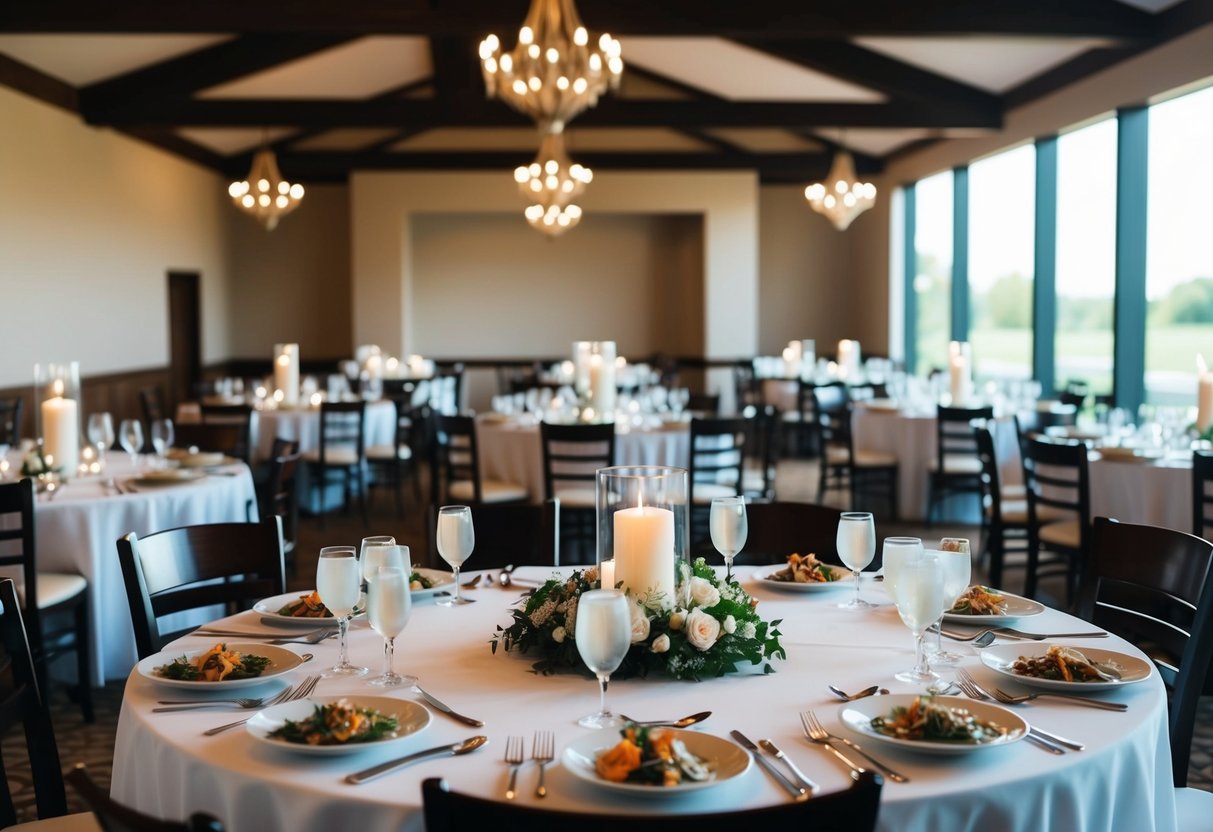
As a guest, your presence matters to the couple and their families. They often spend a lot of money based on the number of guests they expect. If you decide you can’t attend, it’s polite to let someone close to the couple know, rather than remaining silent. This way, they won’t be left wondering where you are on the big day.
Weddings are joyful celebrations, but they come with their own etiquette rules. Understanding how to navigate RSVPs can help ensure that your relationship with the couple remains strong, even if you can’t make it to their special day.
Understanding RSVP Etiquette
Knowing RSVP etiquette is essential when receiving a wedding invitation. It helps you communicate your plans clearly and shows respect for the couple’s big day.
What Does RSVP Mean?
RSVP stands for “Répondez s’il vous plaît,” which is French for “Please respond.” When you receive a wedding invitation, an RSVP is your way of letting the couple know if you can attend.
It’s important to reply as soon as you know your plans. This allows the couple to finalize their guest list and make necessary arrangements. For formal invitations, responding by the date listed is a key part of good etiquette. If you don’t respond, you may leave the couple guessing, which can cause stress in their wedding planning.
The Importance of RSVP for Wedding Planning
Your RSVP plays a big role in the couple’s wedding planning. When you confirm your attendance, it helps them plan for things like food, seating, and favors. Each guest can impact the overall budget and layout of the event.
If you say “yes” but cannot attend later, it’s best to inform the couple right away. Not showing up without notice is often seen as disrespectful. The couple has likely paid for your meal and other expenses based on your response. Communicating changes showcases good RSVP etiquette and keeps everything on track for their special day.
Consequences of Not Attending After RSVP
Failing to attend a wedding after RSVPing can lead to various problems for both you and the couple. These consequences can affect the wedding arrangements and create social tensions among guests.
Impact on Wedding Arrangements
When you RSVP “yes,” the couple makes arrangements based on that commitment. This includes taking care of food, seating, and even favors for guests. If you don’t show up, the couple ends up paying for your meal and other expenses.
This not only affects their budget but also puts pressure on them as they planned for a specific number of guests. Moreover, unexpected no-shows can lead to uneven seating and disrupt the overall flow of the event. Your absence means a spot at the table is left empty, which can change the seating dynamics.
Social Implications
Not attending a wedding after RSVPing can also impact your relationship with the couple. They may feel disappointed or hurt that you chose not to celebrate their special day.
This can create tension, especially if you are part of a close-knit group of friends or family. Other wedding guests may also notice your absence. They might question your commitment to the relationship.
Being a no-show can cause misunderstandings or even strain friendships. It’s essential to communicate any changes in your plans as soon as possible to avoid hard feelings.
Proper Ways to Handle a Change in Attendance
If you need to change your plans after RSVPing to a wedding, it’s important to handle the situation with care. Clear communication and a thoughtful gesture can show respect for the couple and their special day.
Communicating Your Absence
When you realize you cannot attend the wedding, let the couple know as soon as possible. This shows respect for their planning and allows them to adjust their numbers with the caterer.
A simple phone call is often best. It feels more personal than texting and shows you care about their feelings.
Be sure to apologize for any inconvenience. You can briefly mention your reason, whether it’s a family emergency or work conflict, but keep it concise. Avoid going into too much detail.
Remember, they might be disappointed, so express your genuine regret. Ending with well wishes for their big day can leave a positive impression.
Sending a Wedding Gift as a Gesture
Even if you cannot make it to the wedding, sending a gift is a nice way to show your support. This is especially true if you had previously RSVPed “yes.”
Choose a thoughtful gift from their registry if they have one. If not, consider something personal that reflects your relationship.
Sending the gift promptly is a good idea. Not only can this lift their spirits, but it also helps you stay connected.
Include a heartfelt note. You can express your sadness about missing the celebration while wishing them joy in their new life together.
This gesture can strengthen your relationship and show that you care, even if you can’t be there in person.
Etiquette for a Graceful Decline
Knowing how to gracefully decline a wedding invitation is important. Whether you need to decline from the start or withdraw after accepting, handling the situation with care shows respect for the couple’s special day.
Declining the Invitation from the Start
If you can’t attend a wedding from the beginning, it’s best to inform the couple as soon as possible. Use the RSVP card provided or send a short message through their preferred wedding website. Always be polite and express your regrets.
You might say, “Thank you for inviting me to share your special day. Unfortunately, I can’t attend due to personal reasons.” This shows appreciation without going into too much detail.
Keeping your response brief respects their time while making your feelings clear. A prompt reply helps the couple finalize their planning, especially for the reception.
Withdrawing after Accepting the Invitation
Sometimes, plans change, and you may need to withdraw after you’ve already accepted an invitation. It’s crucial to notify the couple right away, as this affects their arrangements and guest count.
Reach out directly via a call or message rather than a text. This personal touch shows that you care.
You can say something like, “I’m sorry, but something important has come up, and I can’t make it to the wedding.”
It’s helpful to reassure them that you still wish them a wonderful day. Mentioning that you’re looking forward to seeing pictures or celebrating later can soften the news. Your honesty and respect for their feelings is key.