
Is It Rude to Not Have a Wedding Reception? Understanding Modern Wedding Choices
Deciding whether or not to have a wedding reception can stir up plenty of questions, especially around etiquette. Many people wonder if skipping the reception comes off as rude to guests. However, it’s a personal choice that can still honor the commitment you are making.
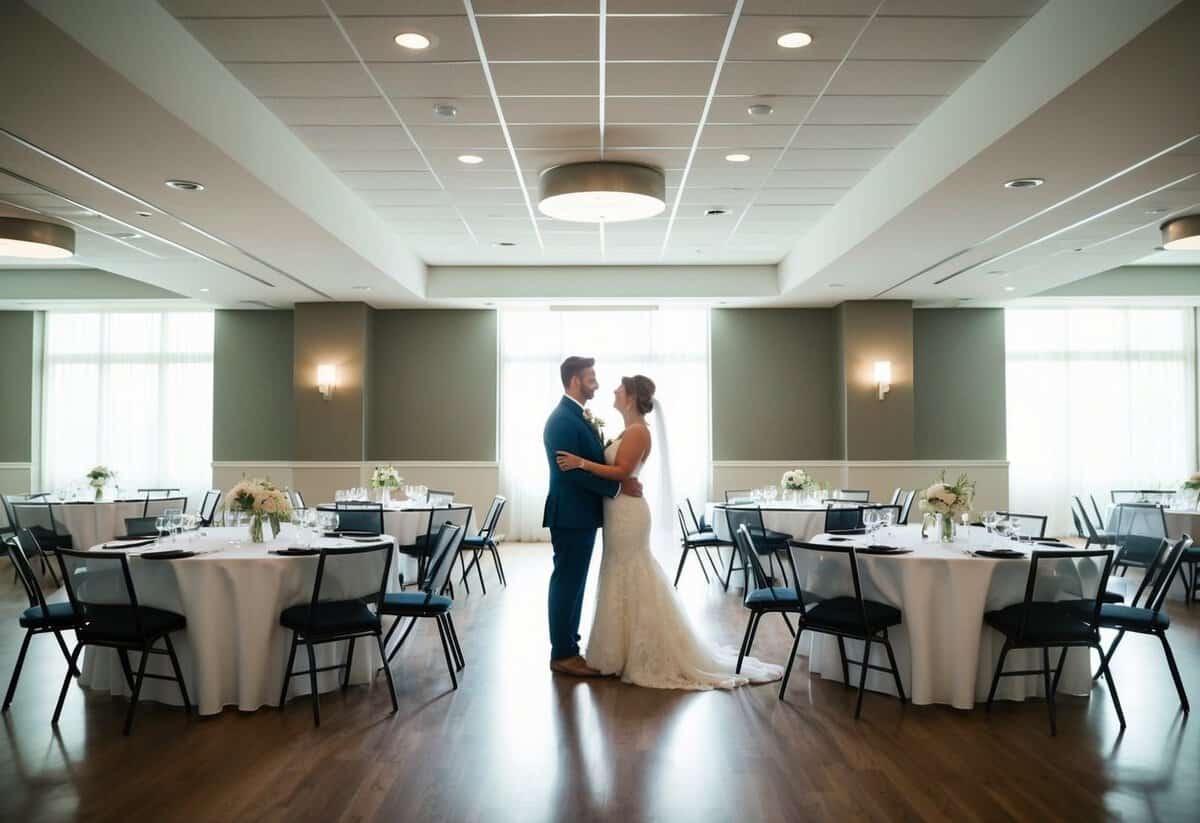
If you choose not to have a reception, there are many ways to communicate this to your guests. You can share your reasoning in the invitation, making it clear that your focus is on the ceremony itself. This approach can help manage expectations and avoid anyone feeling slighted.
Embracing a simple wedding without a reception can also set a unique tone for your celebration. Whether it’s due to budget constraints, personal preferences, or a desire for intimacy, opting out of the traditional reception doesn’t diminish the joy of your special day.
Understanding Wedding Receptions
A wedding reception serves as a joyful gathering to celebrate your union with family and friends. It allows your guests to interact, enjoy food and drinks, and partake in activities like dancing. Let’s explore the role of a reception and the different formats it can take.
The Role of a Reception in a Wedding
The wedding reception follows the ceremony and plays a key role in making your day special. It provides an opportunity for guests to socialize and share in your happiness. Typically, you will have a meal served to your guests, which can range from a formal sit-down dinner to a buffet or even casual finger foods.
Drinks are also a staple, often including a mix of alcoholic and non-alcoholic options. As the newlyweds, this is your chance to greet everyone and thank them for coming. Additionally, the reception usually features dancing, allowing you and your guests to celebrate the occasion joyfully. This party atmosphere helps create lasting memories for you and your loved ones.
Comparing Reception Formats
Wedding receptions can come in various formats, each with its unique vibe and activities. A traditional reception often includes a full meal, speeches, and a DJ or live band for dancing. This format creates a festive atmosphere and allows for various entertainment options.
On the other hand, some couples opt for more intimate receptions. These might include a small gathering at home or a casual get-together at a local venue. In these cases, the focus may shift from elaborate meals to simple appetizers and drinks.
Ultimately, your choice of reception format should align with your preferences and budget. Whether it’s an extravagant gala or a cozy gathering, the key is to create an experience that feels right for you and your guests.
Etiquette and Expectations
When planning a wedding, understanding the etiquette and expectations surrounding the reception is important for both hosts and guests. Many couples grapple with traditions while trying to shape their own experience. Here are some key aspects to consider.
Reception Traditions and Etiquette Rules
Traditionally, a wedding reception is a celebration that allows the newly married couple to thank their guests. It often includes familiar elements like cutting the cake, dancing, and toasting. Following etiquette rules can help you make your choices clear.
Your guest list is essential. Be sure to invite those you wish to celebrate with you. It’s best to follow up with RSVPs to gauge attendance. Remember, it can be seen as rude to invite people to the ceremony but not to the reception. Immediate family usually expects a place at the reception.
The Expectations of Guests and Hosts
Guests generally look forward to a reception for the chance to celebrate and connect with the couple. If you decide not to have one, some may view skipping the reception as impolite, especially if they traveled to attend your wedding.
As hosts, it’s courteous to communicate your plans clearly. If you are not having a reception, consider letting guests know in advance to manage expectations. This action will help avoid feelings of disappointment or misunderstandings.
Non-Traditional Reception Choices
Not every wedding needs a traditional reception. Some couples choose alternatives like small gatherings or casual celebrations. This decision allows for creativity in how you celebrate your union.
If you opt out of a traditional reception, consider other meaningful options. Perhaps a simple photoshoot with family and friends could allow you to capture memories without a large gathering. You can still acknowledge gifts by mentioning how much you appreciate any cash gifts in your thank-you cards.
Ultimately, while some etiquette rules exist, you have the freedom to create a day that feels right for you and your loved ones.
Making the Choice That’s Right for You
Deciding whether to have a wedding reception is a personal choice. It involves considering your feelings, traditions, and what best represents your love story. Here’s how you might approach this decision.
Considering Private Ceremonies
Many couples choose private ceremonies for a more personal experience. In a private setting, you can focus on your vows without distractions. This intimacy can strengthen your bond as you share your commitment.
If you want to include immediate family, a small gathering can be special. You can personalize the event with meaningful touches, like sharing family traditions or incorporating personal vows. This setting often creates lasting memories without the stress of a larger event.
Eloping vs. Intimate Ceremonies
Eloping is an option if you prefer to keep things simple. When you elope, you can express your love with fewer constraints. Many couples enjoy the thrill of a spontaneous celebration that still feels significant.
Intimate ceremonies, on the other hand, offer a balance between a traditional wedding and a private event. You can invite only close family and friends, ensuring that the day feels special. This allows you to celebrate love without the pressure of a big wedding event.
Whether you elope or plan a small gathering, the choice should reflect your values and desires.