
Is It Rude to Not Invite a Husband to a Wedding? Exploring the Etiquette Behind Wedding Guest Lists
Planning a wedding can bring a lot of joy, but it also comes with tough decisions. One of the biggest dilemmas couples face is who to invite. Some people wonder if it’s rude not to invite a husband to a wedding, as traditional etiquette suggests that spouses should be included. This can create tension, especially if you’re close to the guest but don’t know their partner well.
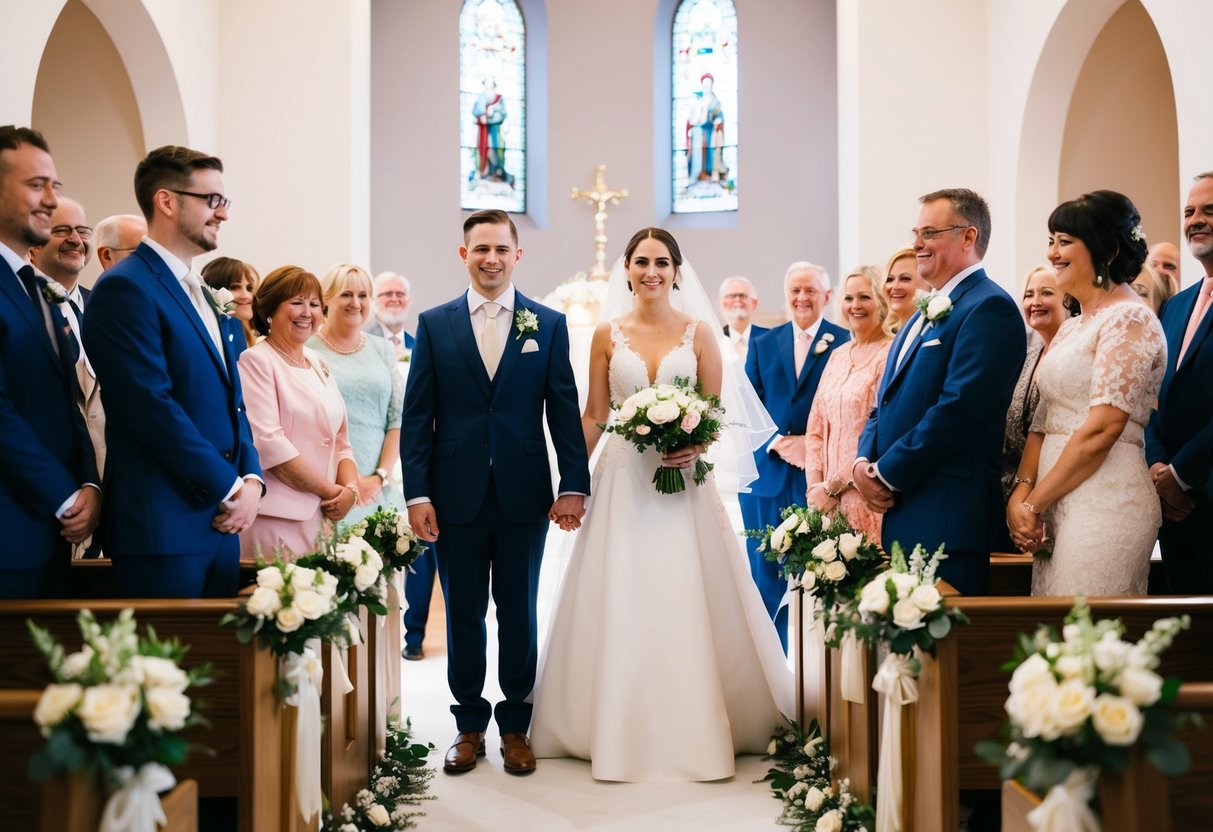
You may wonder about the implications this decision could have on your relationship with your friends or family. Understanding the social norms around invitations can help you navigate feelings and expectations. Learning more about etiquette can make your planning process smoother and foster better connections with your loved ones.
Wedding Invitation Etiquette
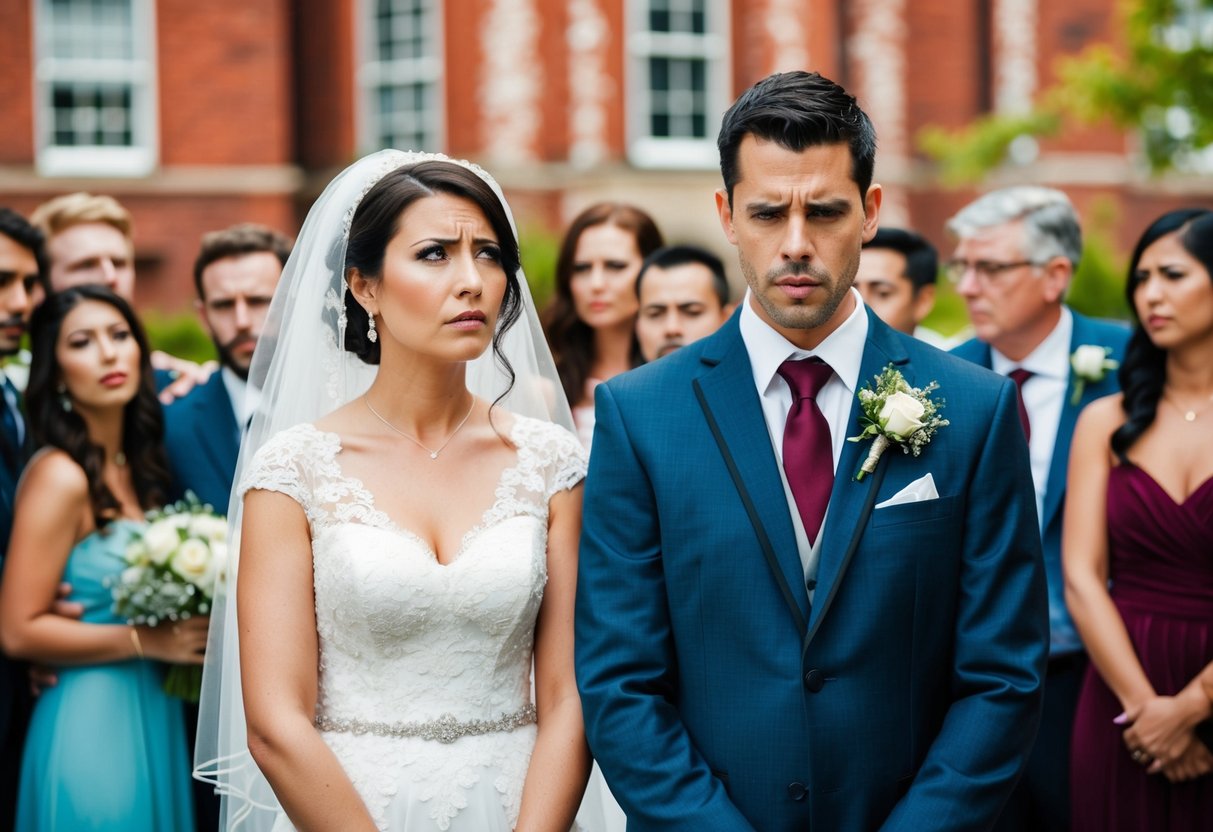
When planning your wedding, understanding how to handle your guest list is essential. Knowing how to include couples and their spouses can help avoid hurt feelings and awkward situations. Let’s break down the basics and address common dilemmas.
Understanding the Basics
Inviting guests to your wedding involves more than just sending out names. You should consider traditional etiquette, which generally states that spouses should be invited together. This shows respect for their relationship and avoids putting anyone in an uncomfortable position.
Create your guest list with care. If you know one half of a couple well, it’s still best to extend the invitation to both. The invitation should clearly state that it includes the spouse or significant other. This detail helps manage expectations and ensures that everyone feels valued.
Dilemmas with Inviting Spouses
Sometimes, you may face tough decisions about inviting spouses. For example, if you have strong feelings against one partner, it might tempt you to leave them out. But this could lead to family drama or hurt feelings.
Keep in mind practical factors like budget and venue space. If inviting every spouse doesn’t work, consider discussing it privately with the couple. Clear communication can ease misunderstandings. You might also ask for their thoughts on plus-ones when sending the invitation.
Planning Considerations for Couples
When planning your wedding, careful thought into budgeting and creating the guest list is essential. These decisions can impact the overall feel of your wedding and help you avoid guest-related issues later on.
Budgeting for Guests
Your guest list directly affects your wedding budget. Each guest adds costs for food, drinks, and seating.
Here are some key factors to consider:
- Per-Head Costs: Calculate how much you’re willing to spend per guest. This can help manage your total budget.
- Venue Size: Ensure your venue can comfortably accommodate your desired guest count.
- Prioritize Guests: List guests by importance. This way, you can trim the list if necessary without leaving out key people.
Creating the Guest List
Creating a guest list can be a balancing act. You want to invite those closest to you while also considering any budget or venue constraints.
Start with these steps:
- Make a “Must Invite” List: Include immediate family and best friends first.
- Consider Plus-Ones: Decide if your guests can bring a partner. This can significantly affect your total guest count.
- Communication: Be open with your partner about who gets invited. This can help prevent misunderstandings and hurt feelings.
Addressing Sensitive Issues
When dealing with wedding invitations and sensitive subjects like not inviting a husband, having open discussions is key. You need to be thoughtful about timing and what you say to protect your relationships. Clear communication can prevent misunderstandings and hurt feelings.
When to Have a Conversation
Timing is important when discussing sensitive issues. Approach the topic well in advance of the wedding. This allows for honest discussion without added stress.
Choose a quiet time to talk, when neither of you is rushed. Make sure you both have enough time to express your feelings.
If possible, find a private setting. This helps both parties feel comfortable to share their thoughts.
It’s essential to address any concerns early to avoid confusion. This is especially true for family members or close friends who might feel left out.
How to Be Honest Without Hurting Feelings
Being honest is crucial, but it’s important to be kind too.
Start the conversation by expressing your feelings about the guest list. Emphasize that you value your friendship or family connection.
Use “I” statements to express your thoughts. For example, say “I feel” instead of “You make me feel.” This focuses on your emotions and reduces defensiveness.
Be clear about your reasons for the decision. Share any space or budget constraints if relevant.
However, try to avoid giving too many details that could hurt them.
It’s a delicate balance between honesty and sensitivity.
Always reassure them that your relationship matters. Offer to meet up or include them in future celebrations. This shows that your care extends beyond this one event.