
Is It Rude to Not Want to Be in a Wedding? Understanding Your Feelings and Boundaries
You might find yourself in a tricky situation when a friend or family member asks you to be part of their wedding. The thought of helping out can be exciting, but what if you really don’t want to be in the wedding party? It’s not rude to feel this way, and there are valid reasons that can influence your decision. Whether it’s personal preference, financial worries, or just a preference for attending as a guest, these feelings are completely normal.
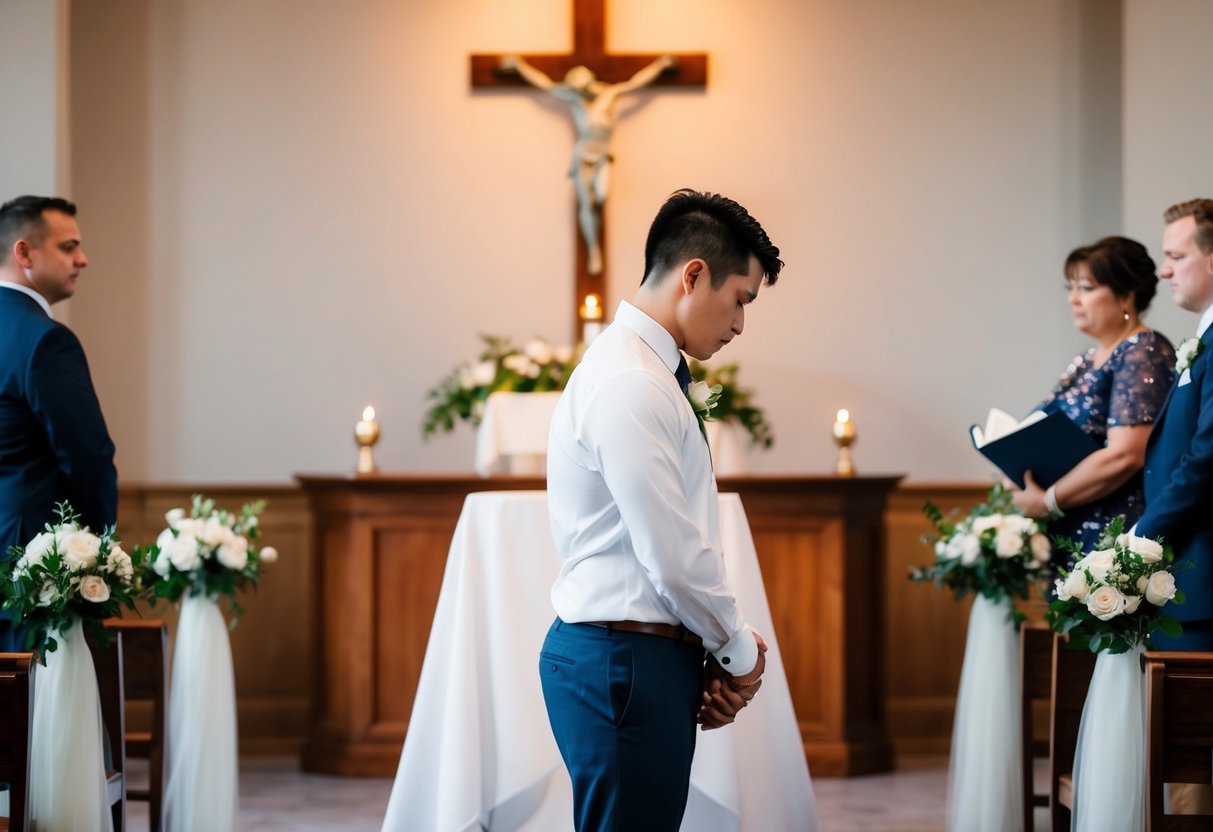
Being part of a wedding can come with a lot of pressure and expectations. You may feel obligated to say yes, but it’s important to prioritize your own comfort and happiness. After all, weddings should be joyful occasions, and your participation should feel good to you, not like a burden.
Remember, it’s okay to decline. Sharing your feelings with the couple can lead to understanding, especially if you approach the situation honestly and with care. Explore your reasons, and you might find that they resonate with others too!
Understanding Wedding Etiquette
When it comes to weddings, understanding etiquette can help navigate feelings around not wanting to participate. It’s important to balance personal preferences with cultural norms and the wishes of the bride and groom.
Cultural and Social Expectations
Every culture has its own wedding traditions. These can shape how you feel about attending. For example, some cultures expect full participation from close friends and family. This can include roles in the ceremony or reception.
If you receive a wedding invitation, remember it’s a reflection of your relationship with the couple. While it’s common to feel obligated to attend, it’s okay to prioritize your feelings. If you feel uncomfortable, consider politely declining.
Gratitude is key. If you don’t attend, it’s nice to send a gift or a note to express your good wishes. This helps maintain relationships without adhering to every social expectation.
Role of the Bride and Groom
The bride and groom play a significant role in shaping wedding etiquette. They make decisions about who to invite and what traditions to follow. Remember, their main goal is to celebrate love and commitment.
If you’re invited, reflect on your connection with them. If they are close friends or family, your absence might be more noticeable. If you choose not to attend, consider reaching out to them directly.
Expressing your gratitude for the invitation is always appreciated. Whether you attend or not, showing respect for their choices and efforts can go a long way in maintaining a positive connection.
Navigating Personal Choices

Choosing whether or not to attend a wedding can be difficult. It’s important to consider your feelings and communicate them thoughtfully to avoid any misunderstandings.
Deciding Not to Participate
When you decide not to participate in a wedding, it’s essential to reflect on your reasons. Maybe you disagree with the couple’s choices, or attending may cause you discomfort. Your feelings matter, and it’s okay to prioritize your well-being.
Think about the impact on your relationship with the couple. If you’re close, they may have expectations for your presence. Consider how this decision might affect your place on the guest list. Ultimately, your choice should align with your values and feelings.
Communicating Your Decision
Once you’ve made your choice, it’s time to communicate it. Responding to the RSVP promptly shows respect. Whether you’re declining or accepting, timely communication helps the couple plan better.
When explaining your decision, be honest yet kind. Express gratitude for the invitation and share your reasons if comfortable. If you feel it might hurt their feelings, emphasize your care for them. Offering alternatives to show support, like sending a thoughtful gift, can help maintain goodwill. Remember that open and respectful dialogue is key to keeping your relationship intact.
Potential Consequences
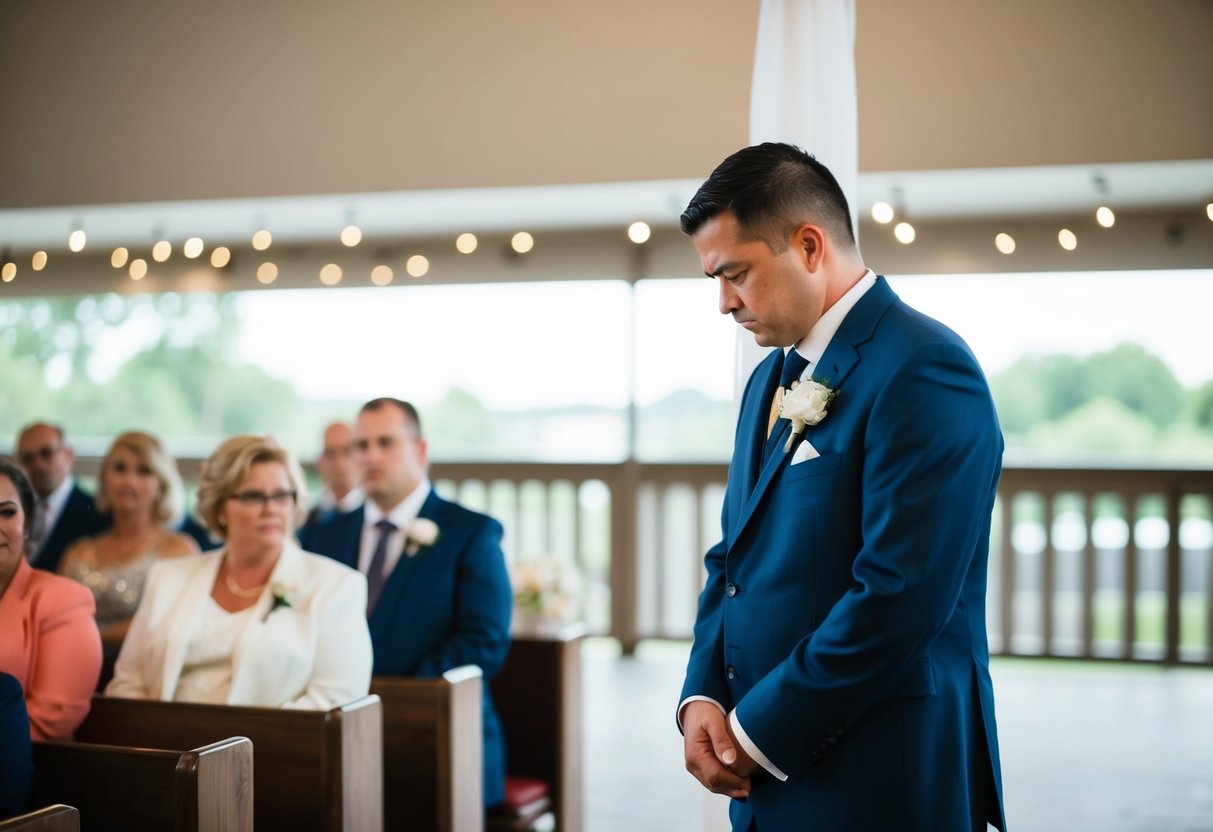
Deciding not to participate in a wedding can affect your relationships. Understanding the potential impact on your connections with others is important. You might also want to manage the expectations of those involved.
Impact on Relationships
Not wanting to be part of a wedding can lead to hurt feelings among close friends or family. They may feel rejected or question your commitment to the relationship. Your absence might be seen as a lack of support during an important time in their life.
To soften this, communicate openly. Explain your reasons honestly. Offering a heartfelt message of support can go a long way in easing any tension. You can still celebrate the couple in other ways, like sending a thoughtful gift or making plans to meet after the wedding.
Managing Expectations
Managing expectations is key when declining to participate in a wedding. People often assume you’ll attend because of your relationship with the couple. It’s important to set clear boundaries.
Be upfront about your decision as soon as you know. Share your feelings while addressing any concerns. Most people understand personal circumstances like schedule conflicts or financial issues.
Offer your encouragement for their big day, even if you can’t be there. This helps maintain a positive vibe and shows you still care about their happiness. Taking these steps can help keep your friendships strong while staying true to your own needs.
Legitimate Reasons for Declining
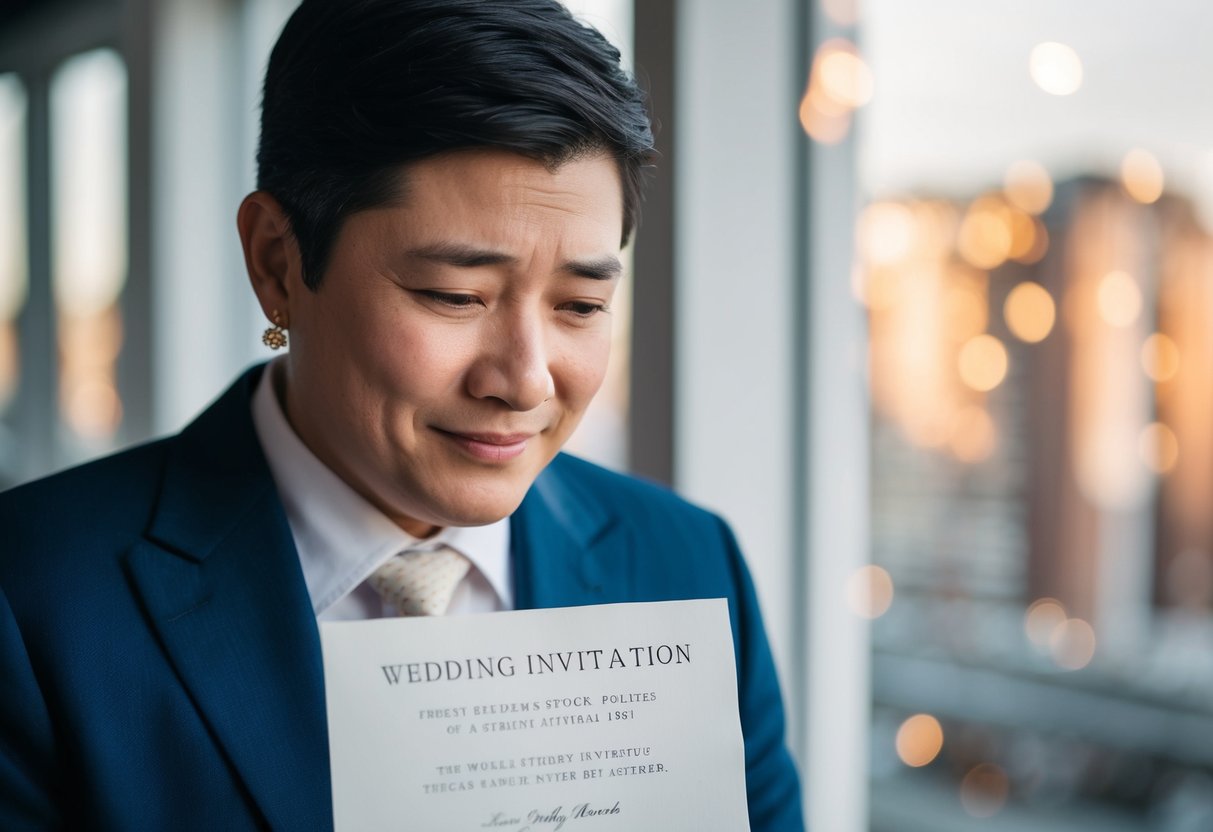
Deciding not to participate in a wedding can feel tough. You might have valid reasons that can help you feel at peace with your choice.
Health and Unexpected Circumstances
Your health should always come first. If you are experiencing a sudden illness or a chronic condition flares up, it’s important to put your wellbeing ahead of social obligations. Attending a wedding when you’re not feeling well can worsen your health and impact your enjoyment of the event.
Unexpected circumstances can also arise. For instance, a last-minute family emergency or a personal issue may happen right before the wedding. It’s perfectly acceptable to decline the invitation if something unexpected comes up that requires your immediate attention.
Financial and Logistical Constraints
Weddings can be expensive. If you’re facing financial difficulties, it may not be feasible to attend. Costs for travel, accommodations, and gifts can add up quickly.
Prioritizing your budget is essential and shows responsibility.
Sometimes, the logistics of getting to a wedding can be complicated. If the reception is in a remote location, transportation might be a hurdle.
You may not have the means to travel long distances or take time off work. These practical concerns are valid reasons to decline the invitation without feeling guilty.