
Is It Rude to RSVP to a Wedding and Not Go? Understanding Wedding Etiquette
You’ve received a wedding invitation and excitedly RSVP’d “yes.” But now, life has thrown you a curveball, and attending the wedding isn’t possible. The big question is, is it considered rude to RSVP “yes” and not show up without a valid reason. Understanding the etiquette around this situation can help you navigate your feelings and obligations.
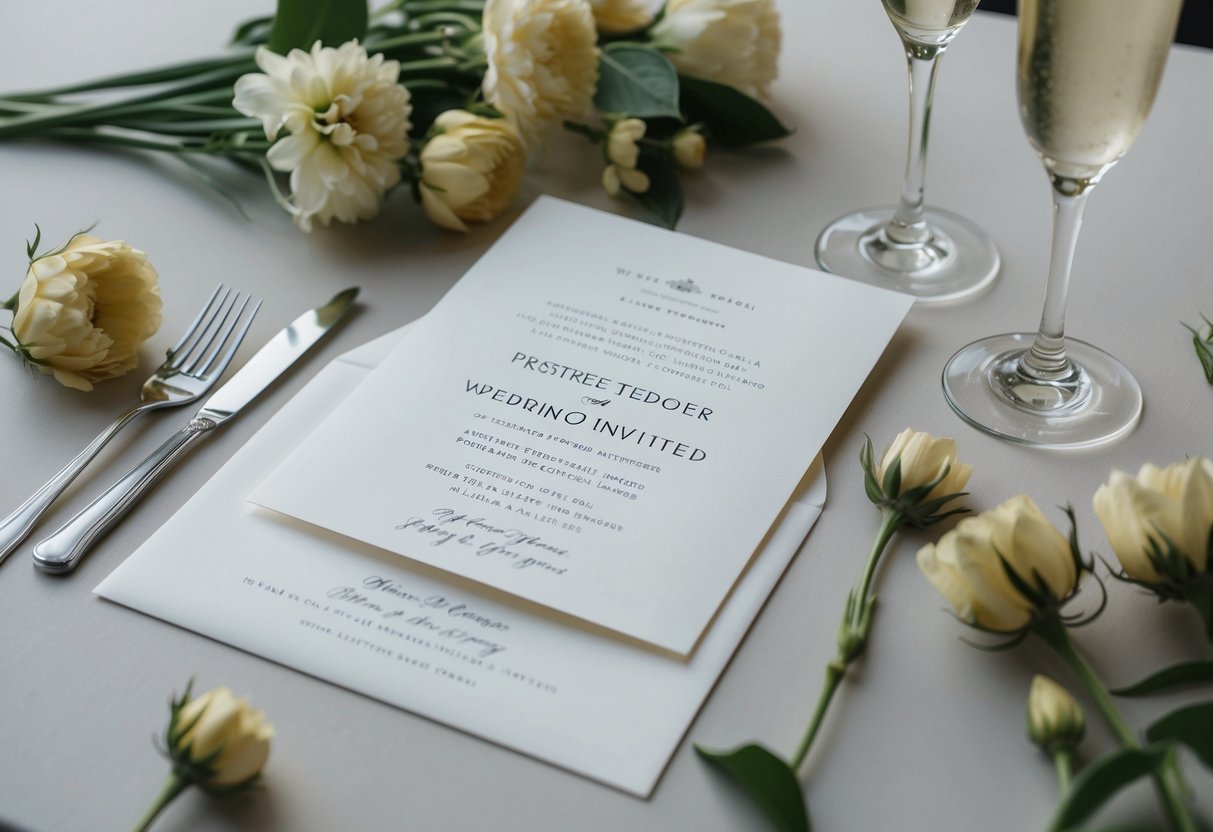
It’s natural to worry about how your decision affects the couple. They may have made arrangements based on your attendance, including meal counts and seating.
When you find yourself unable to attend, it’s important to reach out to the couple as soon as you can to explain the situation and apologize sincerely.
In the end, clear communication is key. While it’s best to honor your RSVP, life happens, and as long as you inform the couple promptly, they will likely appreciate your honesty. This will ensure you leave things on good terms and still maintain your relationship with the couple.
Understanding RSVP Etiquette
RSVP etiquette is crucial for making weddings run smoothly. It helps couples plan their special day by knowing how many guests to expect. Here’s what you need to know about RSVPs.
The Basics of RSVP
RSVP stands for the French phrase “répondez s’il vous plaît,” which means “please respond.”
When you receive a wedding invitation, it’s essential to reply as soon as possible, indicating whether you will attend. This not only shows respect for the couple but helps them with important decisions.
Typically, invitations include an RSVP deadline. Be sure to respond by this date.
If you say “yes,” commit to attending. If you cannot go, let the couple know right away. This helps them manage their guest list effectively.
Why RSVPs Are Important for Planning
RSVPs are vital for several reasons. Firstly, the couple needs an accurate guest count to make arrangements with their caterer. Each plate costs money, so having too many or too few guests can lead to financial strain.
Secondly, knowing how many people are attending helps with seating arrangements. Couples want to ensure everyone is comfortable and seated with friends or family. An accurate count aids in planning the layout of tables and chairs, making the day flow better.
Lastly, RSVPs allow couples to make informed decisions about other aspects of their wedding, like favors or drinks, which can all change based on your response.
Consequences of Not Following RSVP Protocols
Ignoring RSVP requests can lead to negative outcomes. If you RSVP “yes” and do not show up, it is often perceived as rude.
Couples invest in meals and seating based on your response, and no-shows can create logistical headaches for them.
Additionally, it can strain your relationship with the couple. They may feel disrespected, especially if communication was lacking.
It’s always best to communicate changes as soon as possible. This helps the couple adjust their planning and reduces stress on their big day.
Remember, responding thoughtfully is a kind gesture that allows everyone to enjoy the celebration fully!
Common Reasons for Not Attending a Wedding
Sometimes, you may have a legitimate reason for not attending a wedding. Understanding these reasons can help you navigate this sensitive situation with care and respect.
Handling a Death in the Family
If you experience a death in the family, this is a significant reason to miss a wedding. Losing a loved one brings emotional pain and often requires your presence at family gatherings or memorial services.
You may need time to grieve and support other family members. Weddings are joyful occasions, and being in a celebratory environment could feel overwhelming during such a difficult time.
Communicating your situation to the couple is important. Most will understand and support your decision not to attend.
It’s also helpful to acknowledge the couple’s special day, even if you can’t be there. A heartfelt note or message can show that you care, despite your absence.
Dealing With Personal Circumstances
Personal circumstances can also lead to not attending a wedding. This could include health issues, financial challenges, or significant commitments that conflict with the wedding date.
If you’re ill or caring for someone who is, this warrants prioritizing your health. Financial struggles might make it hard for you to travel or buy a gift.
In such cases, it’s perfectly acceptable to RSVP “no.” It’s a sign of respect to the couple, as they deserve to have guests who can fully participate in their celebration. Letting them know as soon as possible allows them to plan accordingly.
Remember, being honest about your situation can help maintain your relationship with the couple, showing that you value their special day, even if you cannot attend.
How to Communicate a Change in Attendance
If your plans change, it’s important to let the couple know as soon as you can. Clear communication shows respect and understanding of their efforts in planning the wedding.
Appropriate Ways to Convey Your Absence
When informing the couple about your absence, choose the best method for communication.
A quick text or email can be suitable if you have a close relationship. If you prefer a formal approach, a handwritten note is thoughtful.
You can also use the couple’s wedding website, if available, to submit your updated RSVP.
It’s important to keep the message clear and sincere. Include a brief apology and a reason for your absence, but keep it simple.
If the couple has a wedding planner, passing your message through them can be helpful too. Make sure your decision is communicated directly to prevent misunderstandings.
Timeline for Updating Your RSVP
Timing is crucial when notifying the couple of your absence. Aim to update your RSVP as soon as you know you cannot attend. This allows the couple to adjust their plans accordingly.
If there is an RSVP deadline, make every effort to inform them well before that date. Typically, giving notice a couple of weeks in advance is considerate.
Doing so not only helps with food and seating arrangements but also shows respect for their preparation. Always be mindful that last-minute changes can cause stress for the couple.
Post-Wedding Etiquette
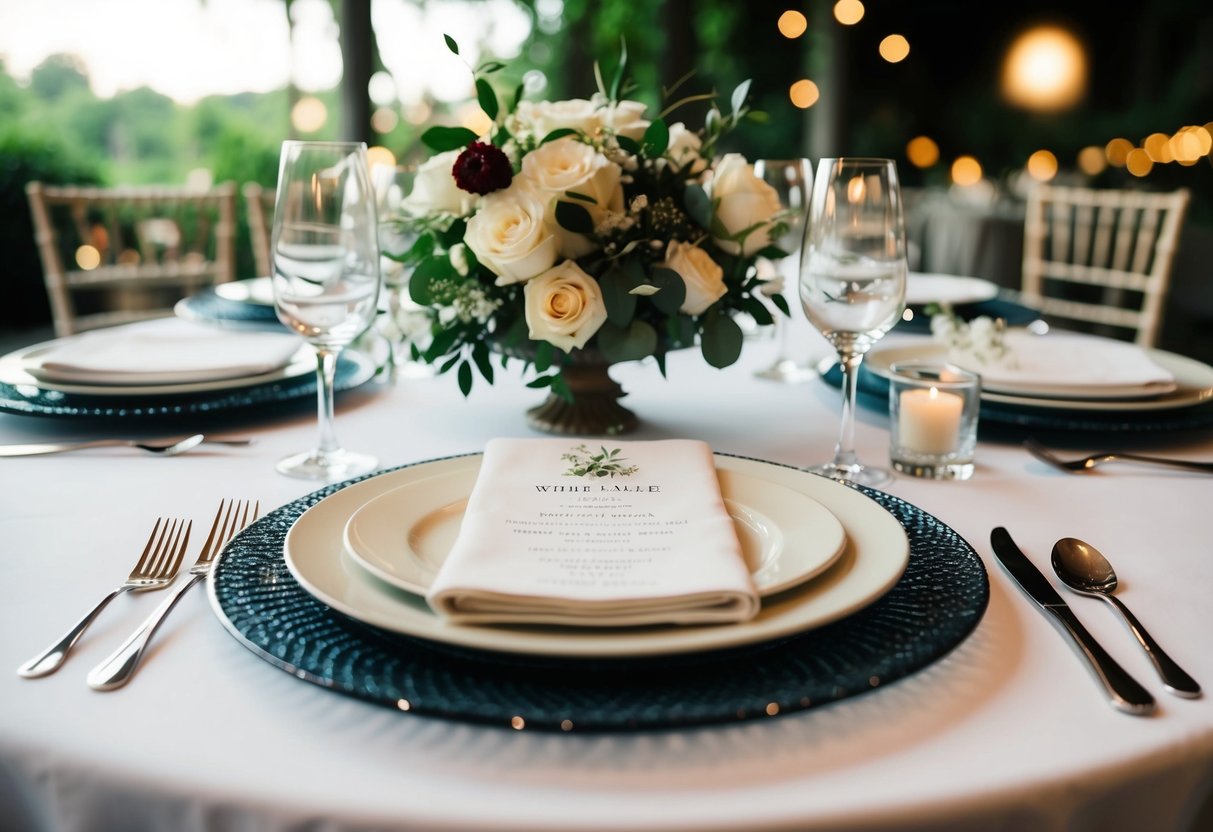
When you can’t attend a wedding, it’s important to navigate the aftermath with kindness and respect. This includes sending a thoughtful gift and nurturing your relationship with the couple.
Sending a Wedding Gift After Non-Attendance
If you RSVP’d “yes” but couldn’t attend, it’s polite to send a wedding gift. A thoughtful gift shows you care, even if you missed the big day.
Consider selecting something from the couple’s gift registry. This ensures you choose something they’ll love. If they don’t have a registry, you might offer cash or a gift card.
Gift ideas could include:
- Home essentials
- Personalized items
- Experiences like dining vouchers
Make sure to send your gift within a few months after the wedding. It’s a nice gesture that helps maintain your connection.
Maintaining the Relationship Post-Event
After missing the wedding, you must stay connected. Reach out to the couple to express your regret for not being able to attend. A simple phone call or message can go a long way.
Consider inviting them for coffee or dinner to catch up. This shows you’re still invested in their happiness and willing to strengthen your bond.
Also, ask for stories or photos from their special day. This interest in their experience helps bridge the gap caused by your absence. Remember, friendships require effort, especially after a missed event.