
Is It Rude to RSVP to a Wedding and Then Not Go? Exploring Etiquette Behind Wedding Invitations
When it comes to weddings, RSVPing is an important part of the planning process. Many couples spend significant time and money organizing their big day, and every RSVP helps them finalize their plans. RSVPing “yes” and then not showing up without a valid reason is considered rude.
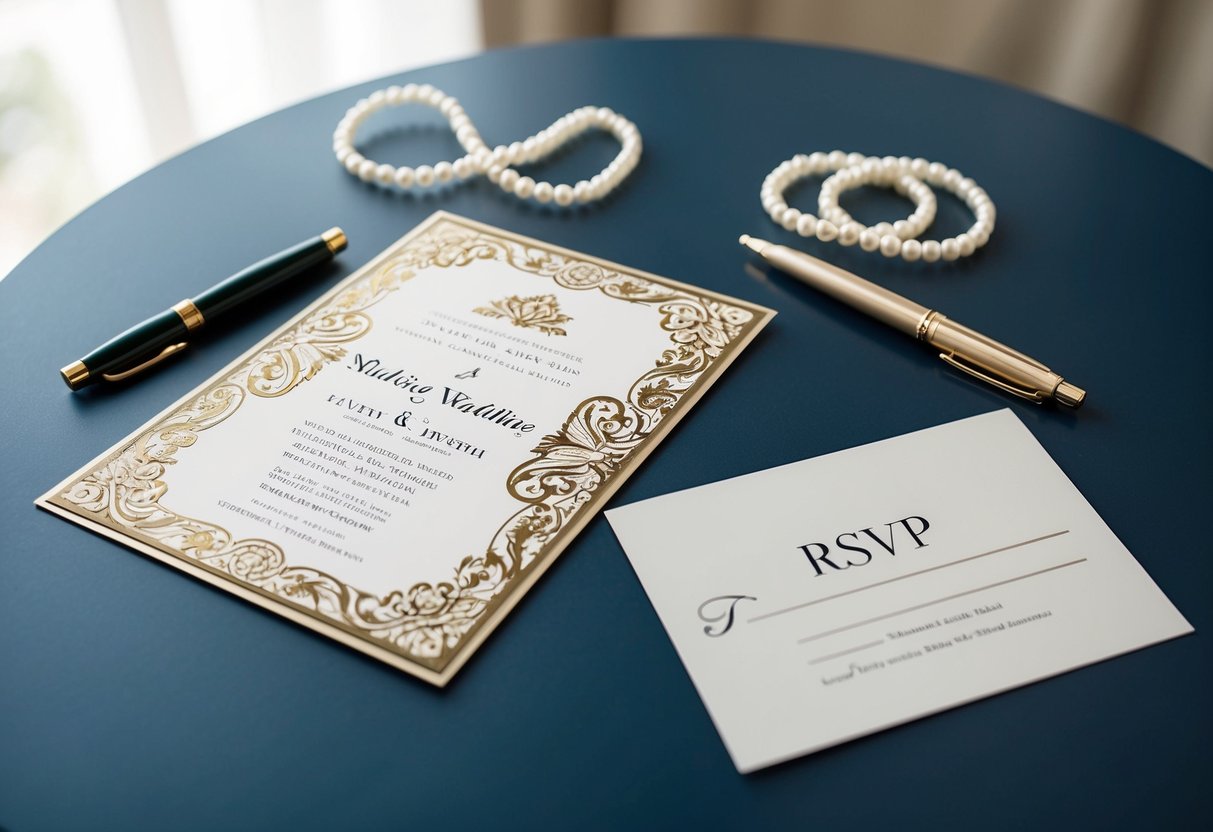
If you find yourself regretting an RSVP, it’s best to notify the couple as early as possible. It’s a matter of respect for their special day and the effort they put into making sure every guest is accounted for. Understanding wedding etiquette can help you navigate these situations with grace and kindness.
This topic not only touches on common social norms but also highlights the importance of communication. With the right approach, you can ensure your actions reflect your good intentions and respect for the couple’s celebration.
Understanding RSVP Etiquette
RSVP etiquette is essential for ensuring smooth wedding planning. Knowing when and how to respond can significantly impact the couple’s arrangements, especially with food and seating.
Definition and Importance of RSVP
RSVP, which stands for “répondez s’il vous plaît,” means “please respond.” When you receive a wedding invitation with an RSVP request, it’s crucial to reply by the designated RSVP deadline. This helps the couple manage their guest list effectively.
By responding promptly, you help them finalize their seating arrangements and food counts. When many guests RSVP “yes” but then don’t show up, it can lead to extra costs and awkward situations. Additionally, honoring the RSVP process shows respect for the couple’s planning efforts and acknowledges the importance of the event.
Consequences of RSVP Negligence
Not responding to an RSVP can create challenges. If you leave the couple guessing about your attendance, it can affect how they plan for meals and seating. For example, they might have to reserve extra seating or prepare more food than necessary.
This negligence might lead to disappointment or additional stress for the couple. Furthermore, if you RSVP “yes” but then don’t attend without a valid reason, it can be perceived as rude. Understanding and following RSVP etiquette helps create a more enjoyable experience for everyone involved.
Communicating Changes in Attendance

When plans change, it’s important to inform the couple or the wedding planner as soon as possible. Clear communication shows respect for their efforts and helps them adjust accordingly. Here’s how you can do this effectively.
How to Notify the Host About a Change of Plans
If you can’t attend the wedding after RSVPing “yes,” let the host know as soon as you can. A quick phone call or text message works well. This allows the couple to adjust their plans.
Make sure to express a sincere apology. For example, you might say, “I’m sorry I can’t make it due to an illness.” Being honest about your situation is crucial.
If you received an RSVP card, mention that in your message. You could say, “I regret that I can’t attend the wedding on the RSVP card I sent back.” This shows you value their invitation.
Try to give a legitimate reason for your absence. If it’s a family commitment or an illness, share that briefly. This helps the couple understand your situation better.
Ensuring a Respectful Approach
Being thoughtful about your decision to RSVP and then possibly not attend a wedding can make a significant difference. It’s essential to uphold respect and etiquette for the couple’s special day. Open communication and sincere apologies play a key role in this process.
Offering Sincere Apologies
If you realize you cannot make it after RSVPing, reaching out quickly is important. A sincere apology can go a long way. Consider sending a message or a call to the couple as soon as possible.
Be clear in your message. Express your regret and provide a short explanation, if appropriate. You can say something like, “I’m really sorry I can’t be there to celebrate your special day.”
This kind of communication shows respect for their feelings. It acknowledges the time and resources they invested in planning. Remember, a thoughtful approach reflects your regard for their big day.
Preventing Future Incidents
To avoid similar situations in the future, think about your commitments before RSVPing. Assess your schedule and be honest with yourself about your availability.
Make a list of events you’re invited to and prioritize them. If a wedding conflicts with other plans, consider reaching out to the couple before responding.
Discussing potential conflicts shows respect for their day. This proactive communication can prevent misunderstandings and ensure a smoother experience for both parties. Taking these steps helps maintain positive relationships in your social circle while respecting the couple’s efforts.
Leveraging Digital Tools for RSVP Management
Managing RSVPs can be much easier with digital tools. These platforms not only streamline the process but also improve communication between you and your guests. Here’s a closer look at how you can effectively use wedding websites for RSVP management.
Utilization of Wedding Websites
Creating a wedding website gives you a central place for guests to RSVP. This digital option saves time and reduces the hassle of paper invitations.
You can customize your site to include important details like the wedding date, location, and even a dress code.
Most wedding websites provide an RSVP section where guests can respond quickly. This makes tracking attendees simple for you and your wedding planner.
Additionally, these sites often allow you to gather information such as dietary preferences or song requests.
Using a wedding website also fosters better communication. You can update your guests in real-time about any changes or important announcements.
These features make digital tools a smart choice for managing RSVPs.