
Is It Rude to Send a Save the Date and Not an Invitation? Exploring Wedding Etiquette
Sending a save the date card is an exciting step in planning your wedding, but it can come with some tricky etiquette rules. Many people wonder if sending out these cards and then not following up with an invitation is rude. The straightforward answer is yes, it can be seen as inconsiderate to send a save the date without sending an actual invitation later.
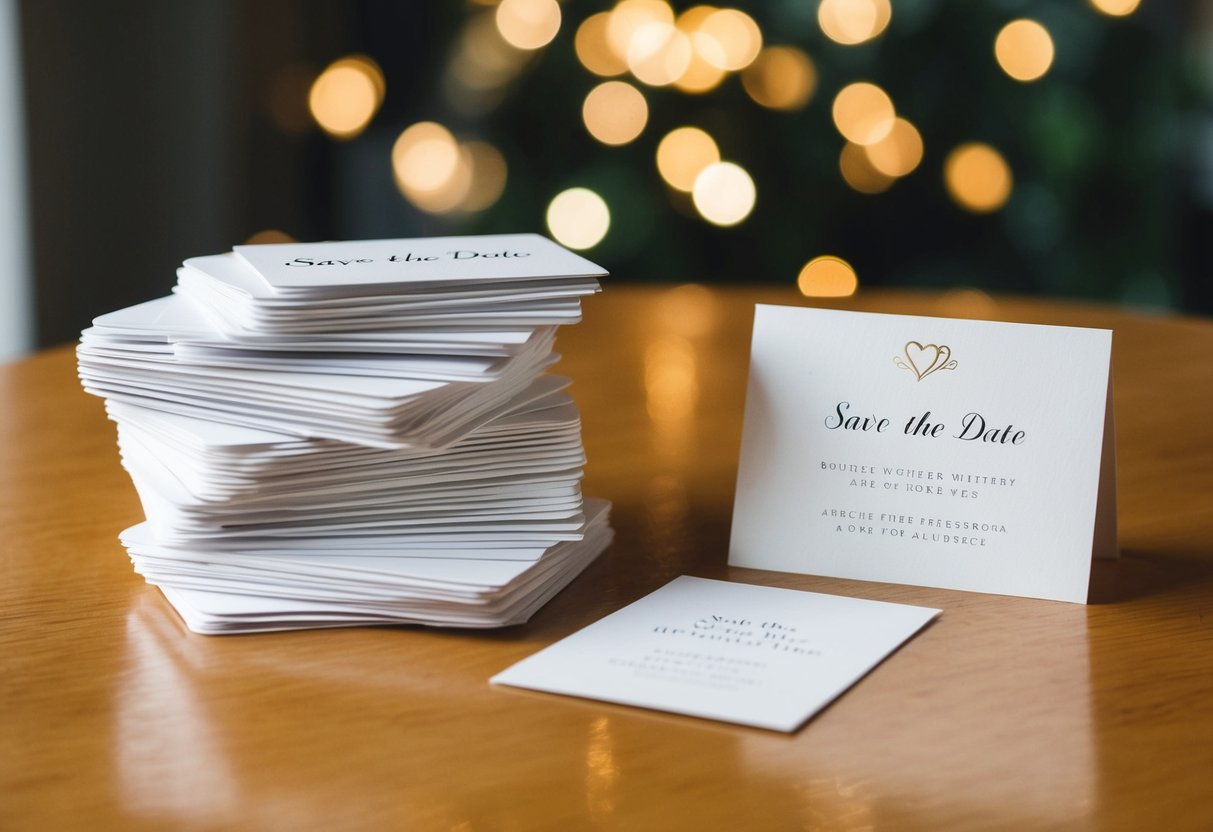
Think about it from a guest’s perspective. Receiving a save the date can create anticipation and even prompt travel plans. If that guest then finds out they’re not invited, it can lead to confusion and hurt feelings.
It’s important to communicate clearly and mindfully about your wedding plans to avoid unnecessary misunderstandings.
By understanding the implications of save the dates, you can navigate your wedding planning with greater ease and ensure that your loved ones feel appreciated and respected. The more you know, the better prepared you are to handle your guest list appropriately.
Understanding Save the Dates
Save the Dates are an important part of wedding planning. They let guests know about your upcoming wedding so they can mark their calendars. It’s essential to understand when and how to use them properly.
The Purpose of Save-the-Date Cards
Save-the-Date cards have a clear purpose: they inform your guests about your wedding date. This is especially useful for destination weddings or events that may require travel.
Sending these cards early helps guests plan ahead. This can be crucial for those who need to make travel arrangements or request time off work.
It’s important to remember that receiving a Save the Date implies an invitation will follow. It sets expectations for your guests, encouraging them to keep that date open.
Timing and Etiquette
When it comes to timing, it’s best to send Save the Dates around 6 to 8 months before your wedding. For destination weddings, consider sending them even earlier, around 8 to 12 months ahead.
Think about your guest list carefully. Only send Save the Dates to people you plan to invite. Ideally, this should include close friends and family. It can be considered rude to send these cards to someone who won’t receive an invitation later.
Make sure your Save the Dates include essential information like the wedding date, location, and your names. This helps guests stay informed while they wait for the formal invitation.
Guest List Considerations
When planning your wedding, creating a guest list can be both exciting and challenging. It’s essential to be clear on who you want to invite. This helps avoid confusion and manages feelings later on, especially regarding save the dates and invitations.
Creating Your Guest List
Start by listing everyone you want to invite. Write down family, friends, and important people in your life. It can be helpful to categorize them into groups, such as immediate family, close friends, and colleagues.
Once you have your list, consider each person’s importance to you. You might want to prioritize those who are essential to your celebration. Be mindful not to send save the dates to anyone you aren’t sure about inviting. This can lead to hurt feelings and misunderstandings later. Stick to your plan and ensure the final guest list matches the save the dates you send out.
Managing Guest Expectations
Communicating clearly with your guests is key. If you send a save the date, they will expect an invitation later. If they don’t receive one, it can lead to confusion and disappointment.
Be upfront if your guest list changes after sending save the dates. This will help manage expectations and reduce any potential hurt feelings. A polite message explaining the situation can go a long way. Consider an informal follow-up call or text for close friends or family. Keeping everyone in the loop will make the process smoother for everyone involved.
Wedding Invitations and Communication
Effective communication is key when it comes to wedding invitations. Clearly distinguishing between save the dates and invitations helps your guests understand what to expect. You also want to provide all essential information without causing any confusion.
Differences Between Save the Dates and Invitations
Save the dates give your guests advance notice about your wedding date. They are usually sent out 6 to 8 months before the event. This allows those with busy schedules, especially for a destination wedding, to mark their calendars early.
In contrast, wedding invitations should be sent out about 6 to 8 weeks before the ceremony. Invitations include specific details, such as the venue and request for RSVP. You might also want to include your wedding website and registry information, helping guests plan better.
Conveying Information Clearly
When you send out invitations, clarity is crucial. Clearly state the date, time, and location of your wedding. Using bullet points can help make this information stand out. For example:
- Date: June 15, 2025
- Time: 3:00 PM
- Location: Sunset Beach Resort
Including an RSVP card along with the invitation is important too. This lets you know who will attend, making planning easier. Additionally, if you have special instructions (like dress code or accommodations), be sure to add those details clearly to avoid any misunderstandings.
Digital Considerations and Additional Events

Digital tools can enhance your event planning while keeping guests informed. Understanding how to effectively use wedding websites and the need to manage additional events can make a big difference.
Leveraging Wedding Websites
Creating a wedding website is a great way to share information. This site can include essential details like your event schedule, venue information, and links to your gift registry.
Ensure you set up a user agreement and a privacy policy to protect your personal information.
Using features like two-factor authentication adds a layer of security. An authenticator app can help you secure your account, allowing you to manage your site with confidence. Also, consider enabling a backup code in case you need to reset your password.
Make sure to ask guests to verify your email and provide a reliable email address for updates. You can share the website link through your digital invitations to keep everyone in the loop.
Beyond the Wedding: Bridal Showers and More
Your wedding website can also be a hub for other events like bridal showers. You might want to include a separate section for these gatherings, so your guests know what to expect.
You can create a tailored invite list and send out save-the-dates for these events via email. Make sure to distinguish between formal invites and casual ones.
If you post an event on social media, like on Reddit, remember to clarify whether it’s open to everyone or invite-only.
Utilizing digital tools can relieve some of the stress in event planning. Rely on your website for updates, RSVP management, and to ensure your special gatherings go smoothly.