
Is It Rude to Send a Save the Date and Not an Invite? Understanding Wedding Etiquette
Sending a save the date can be an exciting part of wedding planning, but it also comes with questions about etiquette. Sending a save the date without following up with a formal invitation is generally considered rude. Once someone receives a save the date, they expect to be officially invited to your wedding.

You might feel tempted to send out save the dates to a large group of people, but it’s important to be cautious. If you’re unsure about inviting certain guests, it’s better not to send them a save the date at all. This helps avoid hurt feelings and misunderstandings.
Ultimately, wedding etiquette encourages clear communication. When you send a save the date, it signals to your guests that they hold a special place in your celebration. Remember, keeping the lines of communication open is key to a smooth planning process and happy relationships.
Understanding ‘Save the Date’ and its Purpose

When planning an event like a wedding, sending save-the-date cards can be an important step. These cards help notify your guests about the upcoming date so they can mark their calendars. Here’s what you need to know about save-the-date cards and the etiquette involved in sending them.
What Are ‘Save the Date’ Cards?
Save-the-date cards are brief notifications that let your guests know the date of your event. They are usually sent out several months in advance of formal invitations. The purpose is simple: to inform friends and family that you want them to save that date for your celebration.
The content on these cards is typically straightforward. You need to include the event date and the general location, but there’s no need for detailed information yet. Remember, this is just a heads-up. Save-the-date cards can be sent digitally or as printed cards. Choose what feels right for your style and budget.
The Etiquette of Sending ‘Save the Date’ Notices
When you decide to send save-the-date cards, it’s important to follow proper etiquette. First, send one card per household, not per person. This helps save money and keeps things simple for your guests.
Most importantly, do not send these cards unless you are sure the people will receive official invitations later. If you have doubts about your guest list, wait until it’s finalized. Once someone receives a save-the-date, they expect to be invited, and it can be awkward to change that later.
By keeping these points in mind, you can ensure that your save-the-date cards serve their purpose without causing confusion.
Crafting Your Guest List and Invitation Protocol
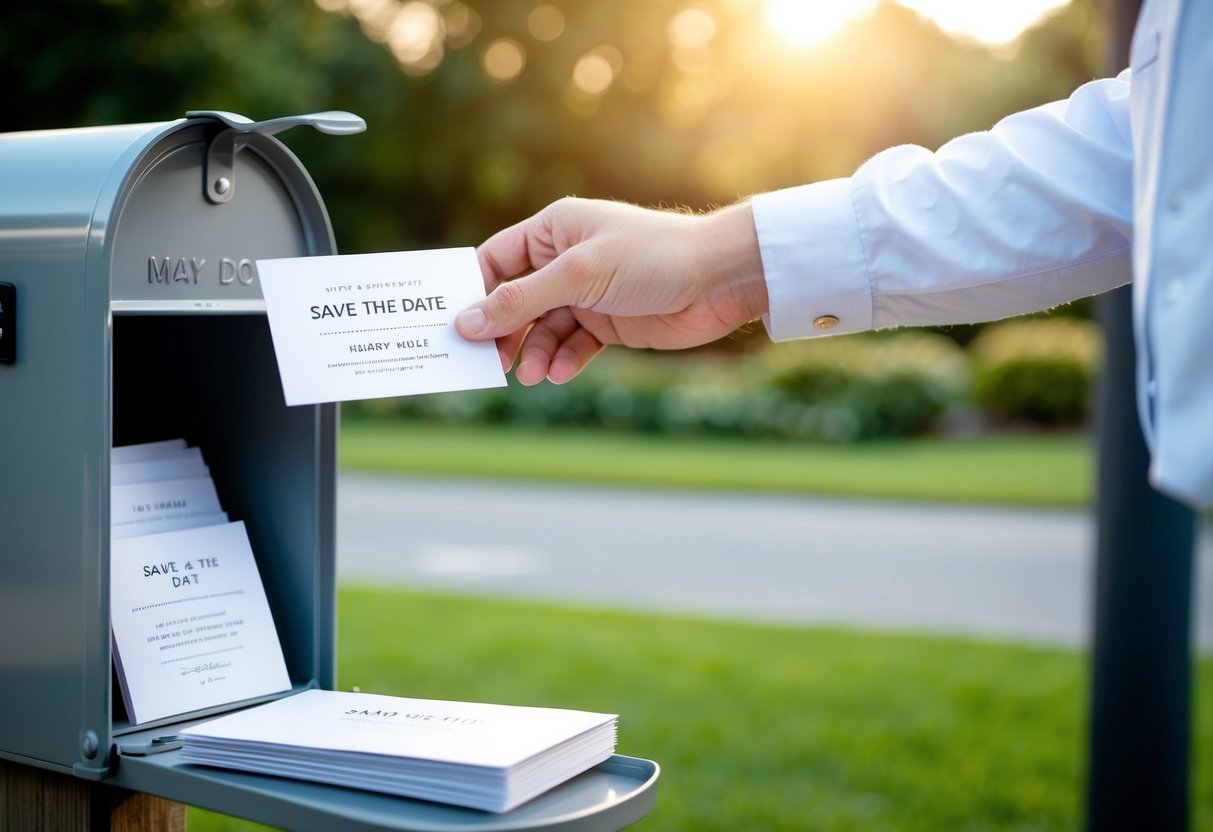
Creating a guest list and managing invitations can feel overwhelming. It’s important to make thoughtful decisions to avoid misunderstandings and hurt feelings later.
Deciding Whom to Invite
Start by listing everyone you’d like to celebrate with. Think about family, close friends, and anyone significant in your life.
Consider creating categories, such as “must invite,” “nice to invite,” and “optional.” This helps clarify who needs a wedding invitation and who might just get a save the date.
Don’t forget to discuss your list with your partner or family. Having open conversations ensures everyone is on the same page.
Each save the date implies a future invitation, so only send them to those you intend to invite to your wedding.
How to Manage RSVPs
RSVPs help you plan effectively. Make it easy for guests to respond by including clear instructions on your invitations. For instance, provide a deadline and the best way to communicate their attendance.
Consider using online RSVPs for a straightforward process. This way, you can easily track responses.
Send reminders a week before the deadline. Some guests may forget or overlook their RSVP. A gentle nudge ensures you get a complete guest count, which is crucial for seating arrangements and catering.
Addressing Potential Hurt Feelings
You may worry about hurting someone’s feelings if they don’t receive a wedding invitation. It’s normal to feel this way, especially with big life events.
Be prepared for questions or concerns about who you invited. If someone asks why they didn’t receive an invite, you can explain with kindness.
Emphasize that your wedding is limited by factors like space or budget.
Offering an invitation to future events can also help smooth things over. Making an effort to include those not invited can soften any disappointment.
Utilizing a Wedding Website
A wedding website is a great tool to communicate with your guests. You can share all the details about your wedding, including the date, location, and schedule of events.
Make sure to include your registry information. This way, guests can easily find where you’re registered.
You can also use your website to gather RSVPs. This will help you plan better by knowing who will be attending.
Remember to update the site regularly. If there are any changes, like venue or time adjustments, you can quickly inform everyone. This keeps everything organized and minimizes confusion.