
Is It Stressful Being an Event Planner? Exploring the Challenges and Rewards
Being an event planner can be a rewarding career, but it often comes with significant stress. Many event planners consider it one of the most stressful jobs due to tight deadlines, high expectations, and managing multiple tasks at once. With events like weddings and corporate launches, there is little room for error, which adds even more pressure to your work.
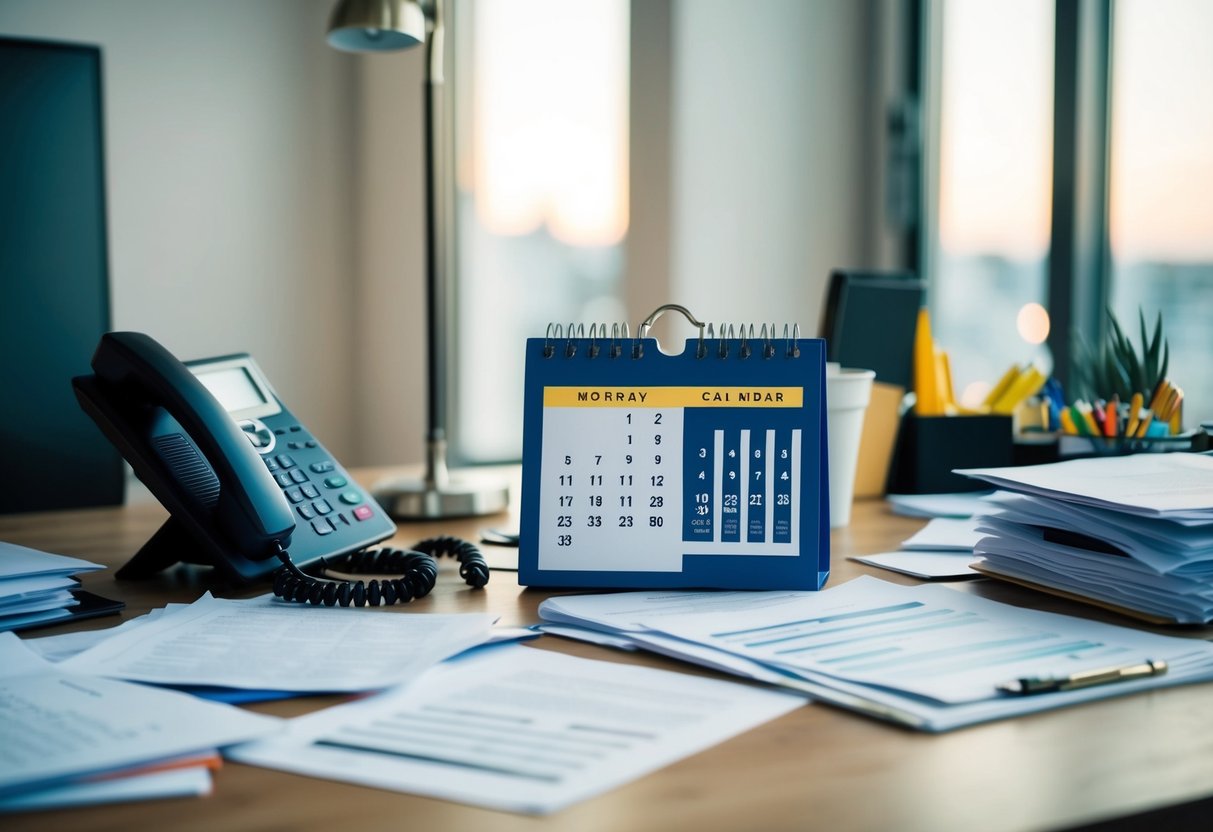
You might find yourself juggling budgets while trying to meet client demands and coordinate with vendors. This can feel overwhelming at times. The need to keep everything running smoothly makes stress a common part of the job. Understanding this reality can help you prepare for the challenges ahead.
Despite the stress, many event planners find joy in seeing their hard work come together and creating memorable experiences for others. If you’re curious about the ups and downs of this career, keep reading to learn more.
The Role and Responsibilities of an Event Planner

Being an event planner requires a blend of creative vision and strong organizational skills. You will manage various tasks, coordinate with many people, and handle challenging situations to ensure each event runs smoothly.
Understanding Event Planning
As an event planner, your job is to oversee all aspects of an event from start to finish. This includes defining event goals, choosing venues, managing budgets, and coordinating logistics. You will need to meet strict deadlines while ensuring everything aligns with your client’s vision.
Event planning also involves detailed scheduling. You’ll arrange timelines, manage vendors, and communicate with stakeholders. Strong communication helps build relationships and sets clear expectations for everyone involved.
Key Skills for Success
To be successful in this role, you must possess key skills. Organizational skills are essential, as you’ll juggle multiple tasks at once. Your ability to prioritize tasks using project management tools will help keep everything on track.
Problem-solving is another vital skill. Unexpected issues can arise, and you must think quickly to address them. Whether it’s a last-minute catering change or a venue hiccup, your teamwork abilities will shine when collaborating with others to find solutions.
Common Stressors in Event Planning
Stress is a common part of event planning. Budgeting is often a challenge, as you must please stakeholders while sticking to financial limits. When you work with tight budgets, finding cost-effective solutions can add pressure.
Deadlines can also be overwhelming. You need to deliver results within a specified time frame. Missing a deadline can affect your client’s expectations and lead to further complications.
Balancing all these responsibilities requires focus and grit. Being aware of these stressors will help you prepare and minimize their impact on your work.
Managing Stress as an Event Planner
Being an event planner can lead to high stress levels, but there are ways you can manage it. Focusing on specific techniques, balancing work and life, and setting realistic expectations can greatly improve your well-being.
Stress Management Techniques
To handle stress, you can use various stress management techniques. Mindfulness practices, like meditation and deep breathing, help ground you in the moment. These techniques reduce anxiety and enhance mental well-being.
Take breaks throughout your day. Short breaks allow your mind to refresh, making you more productive. Relaxation techniques can also be helpful. Consider stretching or a quick walk to clear your head.
Additionally, prioritize your tasks. Identify what needs immediate attention and what can wait. Use lists or digital tools to organize your workload effectively.
The Importance of Work-Life Balance
Maintaining a healthy work-life balance is crucial for your mental health. It can be tempting to let work take over, especially in a stressful job like event planning.
Make sure to set boundaries. Designate specific times for work and for personal activities. This way, you protect your time and reduce stress.
Engaging in self-care practices is essential. Whether it’s spending time with loved ones, reading, or enjoying a hobby, find what helps you relax. This balance contributes significantly to your overall well-being.
Setting Realistic Expectations
Setting realistic goals is vital in your role. Understand that not everything will go as planned. Last-minute changes are common, so try not to let them overwhelm you.
When planning events, use a checklist. Break larger tasks into smaller, manageable steps. This makes your objectives more achievable.
Communicate openly with your team and clients. Setting clear expectations can ease potential stress. By aiming for attainable outcomes, you reduce the pressure and improve your mental well-being.
The Impact of Effective Communication in Event Planning
Effective communication plays a crucial role in how you handle the challenges of event planning. By mastering communication skills, you can better navigate client expectations, delegate tasks, and foster open communication. This not only reduces stress but also enhances the overall success of your events.
Navigating Client Expectations
To meet client expectations, clear communication is essential. Start by setting specific goals and discussing them with your clients. Ask questions to ensure you understand their vision and needs. It’s important to document everything discussed to avoid misunderstandings later.
Regular updates can help keep clients informed. You could send weekly progress reports or schedule check-in meetings. This way, clients feel included, and you can adjust plans if needed. Keeping clients in the loop reduces anxiety and builds trust, leading to smoother event planning.
Delegating Tasks to Alleviate Stress
As an event planner, delegating tasks is crucial for reducing stress. You can’t do everything on your own, so make a list of responsibilities and identify team members suited for specific tasks. Effective delegation helps distribute the workload and allows you to focus on more critical aspects of the event.
Provide clear instructions and deadlines when assigning tasks. This ensures everyone knows what is expected and helps prevent confusion. Trust your team members to execute their responsibilities, which can enhance their skills and confidence. This approach not only eases your burden but also strengthens team dynamics.
The Value of Open Communication with Your Team
Open communication with your team creates a supportive environment. Encourage team members to share ideas and concerns freely. Regular team meetings can foster this, allowing everyone to voice their opinions.
When challenges arise, address them immediately. Use problem-solving sessions to brainstorm solutions together. This builds camaraderie and makes you all more resilient in facing issues.
Also, celebrate successes, big or small. Acknowledging team efforts motivates members and improves morale. This positive atmosphere makes tackling the challenges of event planning much more enjoyable.
Lifestyle Choices and Practices for Event Planners

Taking care of your well-being is crucial when you work in event planning. By focusing on both physical and mental health, you can enhance your productivity and reduce the risk of burnout. Simple self-care practices and relaxation techniques can go a long way in alleviating stress throughout your day.
Prioritizing Physical and Mental Health
You should consider regular exercise a key component of your routine. Aim for activities that you enjoy, like walking, yoga, or dancing. These can boost your mood and improve your physical health.
Make sure to eat balanced meals. Focus on fruits, vegetables, lean proteins, and whole grains. Staying hydrated is also essential. Drinking plenty of water can improve your energy levels and help you think clearly.
Don’t forget about mental health. Set aside time for hobbies and interests outside of work. Engaging in activities you love can recharge your mind and increase your overall well-being. Regular breaks during your workday can also help maintain your focus and prevent burnout.
Integrating Mindfulness and Relaxation into Daily Routine
Mindfulness practices can significantly reduce stress. You can start your day with meditation or deep-breathing exercises. Even a few minutes of focused breathing can center your mind.
Incorporate short breaks into your work schedule. Stand up, stretch, and take a few deep breaths to reset. You can also use relaxation techniques like progressive muscle relaxation. This method helps you release tension in your body.
Consider making a relaxation toolkit. Fill it with things that help you unwind, like calming music, essential oils, or a favorite book. Use these tools when you start to feel overwhelmed.
Making these small lifestyle adjustments can help you create a more balanced and fulfilling work life as an event planner.