
Is It Too Early to Send Wedding Invitations? Finding the Perfect Timing for Your Big Day
If you’re planning your wedding, you may wonder about the timing for sending out your invitations. Generally, you should send wedding invitations 6 to 8 weeks before your big day. This timeline allows guests enough time to make travel plans, adjust their schedules, and ensure they can celebrate with you.

While save-the-dates can be helpful to give a heads-up, they aren’t required. Many couples choose to send them 4 to 6 months in advance. This way, you can ensure that your loved ones are informed early enough, especially if your wedding is during a busy season.
Understanding wedding invitation etiquette can help you avoid the stress of too early—or too late—mailing. Feel free to read on for a deeper dive into the best practices and tips for your special occasion.
Understanding Wedding Invitation Etiquette

Sending wedding invitations requires careful planning to ensure your guests have all the necessary information in a timely manner. This includes understanding the importance of save-the-dates and setting an appropriate RSVP deadline.
The Role of Save-the-Dates
Save-the-dates are an essential part of wedding planning. They give your guests early notice to mark their calendars. Typically, you should send these cards 6 to 12 months before your wedding. This is particularly helpful if your engagement length is longer.
When it comes to save-the-dates, clarity is key. Include the date, location, and your names. This allows guests to plan ahead for travel and accommodations. Remember, while sending save-the-dates is not mandatory, it can significantly boost the likelihood of receiving positive RSVPs later on.
Deciding on the RSVP Deadline
Setting an RSVP deadline is crucial for finalizing your wedding plans. Aim to request responses at least 6 to 8 weeks before your wedding date. This timing gives you enough room to follow up with guests who haven’t replied.
Include RSVP cards with your invitations to make this easier for your guests. Provide a simple way for them to respond, whether by mail or online. Clearly state the deadline on the card so there’s no confusion.
Establishing this timeline helps with everything from seating arrangements to catering numbers, creating a smoother process for your special day.
Timeline for Sending Wedding Invitations
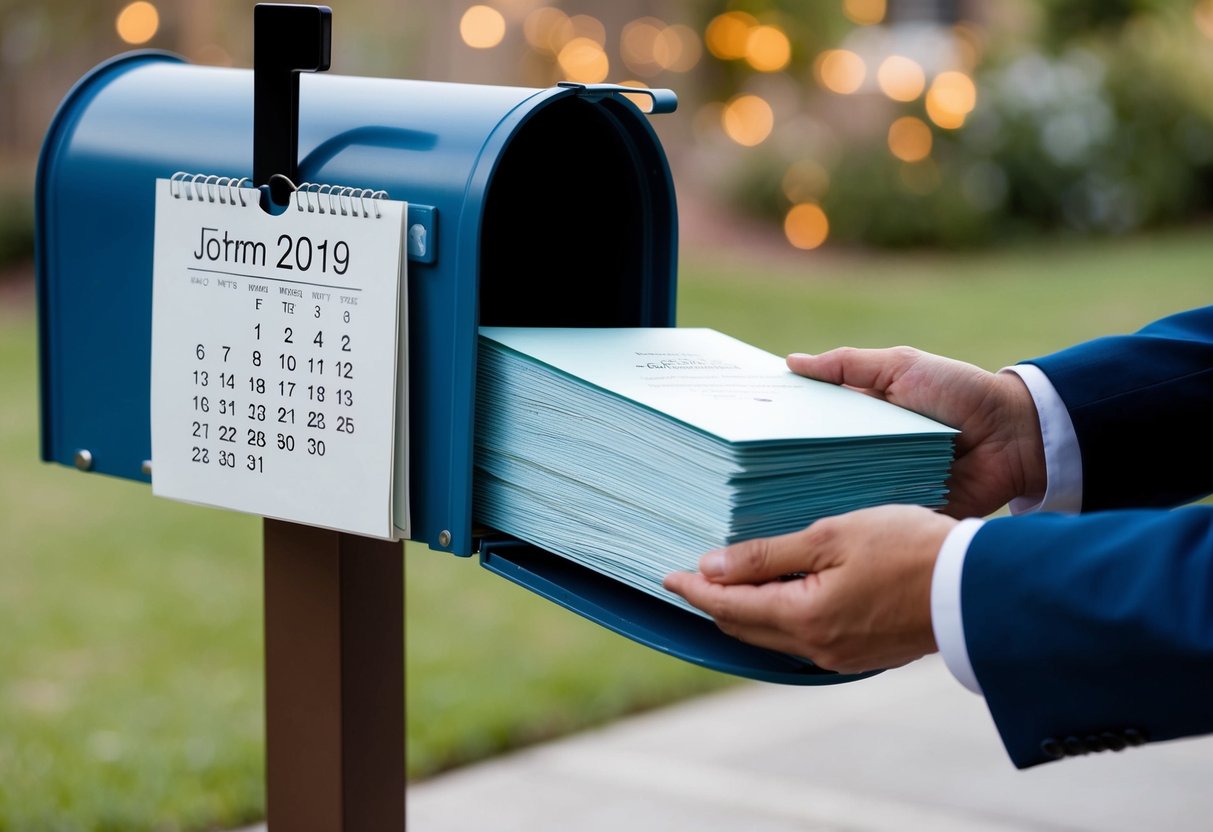
Timing is key when it comes to sending wedding invitations. Knowing when to send invitations can help your guests make arrangements and ensure you have a smooth celebration.
Local vs. Out-of-Town Guests
When planning to send invitations, consider your guest’s location. For local guests, sending invitations 6-8 weeks before the wedding is ideal. This time frame gives your guests enough notice to clear their schedules and RSVP.
For out-of-town guests, sending invitations earlier may be beneficial. You might want to send save-the-dates 4-6 months in advance. This extra time allows them to book travel and accommodations. If your venue is popular or during a busy season, the earlier notice can be very helpful.
Make sure to clearly communicate RSVP deadlines—ideally, ask for responses by one month before the wedding. This will help you finalize your plans.
Destination Weddings Considerations
Planning a destination wedding often requires more time for your guests to prepare. It’s best to send save-the-dates 6-12 months before the event. This gives international guests and those traveling from afar ample time to make arrangements.
Formal invitations should follow 6-8 weeks prior to the wedding date. This helps ensure that everyone has the most accurate details. Include information about local accommodations and travel options.
If your wedding falls during peak travel seasons, consider sending invitations even earlier. This thoughtful approach allows your guests to secure their travel and lodging plans without stress.
Crafting Your Guest List and Stationery
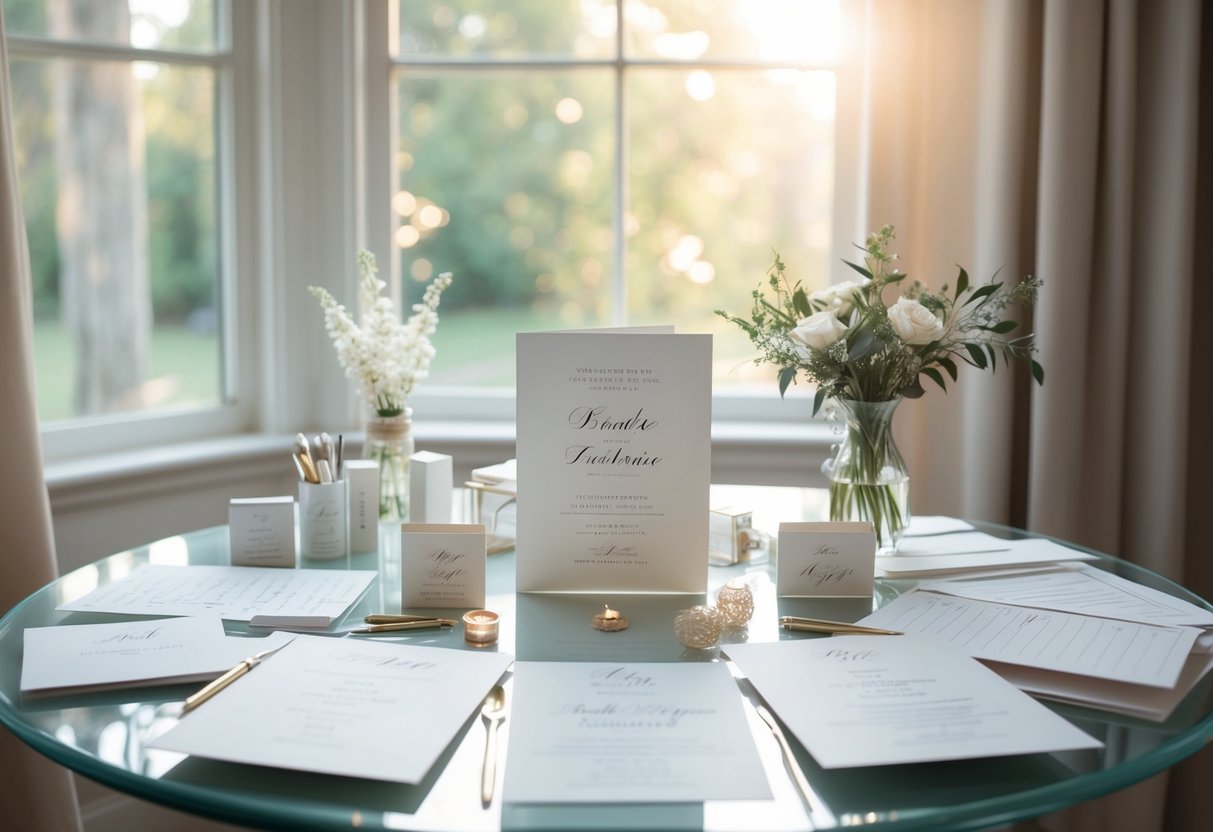
Creating your guest list and selecting the right stationery are vital steps in planning your wedding. These decisions will help you set the tone for your big day and ensure everyone important to you is invited.
Determining Guest Count and Seating
Start by making a list of everyone you wish to invite. This can include family, friends, colleagues, and others who matter to you.
To determine your guest count, consider the venue’s capacity and your budget. Keep in mind that the more guests you invite, the higher the costs will be.
Once you have a rough number, think about seating arrangements. Creating a seating chart helps organize how guests will sit during the reception. It can make a huge difference in making sure everyone feels comfortable and enjoys the event.
Choosing the Appropriate Wedding Stationery
Selecting wedding stationery isn’t just about looks; it also communicates important details.
Start with save-the-date cards to give guests a heads-up about your wedding date. This is especially useful for those traveling from afar.
Next, focus on the formal invitations. Choose a design that matches your wedding theme. Include key details like the date, time, venue, and RSVP information.
Don’t forget about additional stationery items, like thank-you cards and menu cards. Planning all of this early can keep your wedding organized and stress-free.
Coordinating Accommodations and Travel Plans

It’s essential to help your guests with their accommodations and travel arrangements. This makes attending your wedding easier and more enjoyable for everyone involved. Here are some important points to consider.
Providing Accommodation Information
When sending out your invitations, include information about nearby hotels or other places to stay. You can create a list of recommended accommodations. This can range from luxury hotels to budget-friendly options.
Make sure to provide the following details:
- Address: Include the full address of each option.
- Phone numbers: Adding contact numbers helps guests make quick reservations.
- Website links: Direct links can speed up the booking process.
Including a wedding website link can also provide gathered information on accommodations. This ensures that guests can easily find a place that suits their needs.
Communicating Travel Arrangements
Clearly communicating travel arrangements is just as crucial as accommodation details.
Consider the best routes and transportation options for your guests.
You may want to provide:
- Airport information: Mention which airports are closest to your venue.
- Transportation options: Include information on rental cars, shuttles, or public transport.
- Directions: Offer clear directions from the airport to your venue.
Encourage guests to plan their travel well in advance. This way, they can find the best prices and options for their schedule.
By providing these details, you’ll help ease the stress of wedding planning for everyone.