
Is It Tradition to Have a Wedding Cake? Exploring the Sweet Custom
Many couples wonder if they should have a wedding cake. Having a wedding cake at weddings is indeed a long-standing tradition. It symbolizes prosperity and good fortune for the couple. From the elegant designs to the delicious flavors, the wedding cake is often a centerpiece of the celebration.
You might be curious about the history behind this custom and how it has evolved over time. Weddings in ancient Rome featured simple cakes, while today’s multi-tiered creations showcase artistic flair and personal touches that reflect the couple’s journey.
As you explore this topic, you’ll find that wedding cakes are more than just dessert. They carry deep meanings and connect couples to cultural customs. Understanding these traditions can inspire you to make your wedding day even more special.
Historical Significance of Wedding Cakes
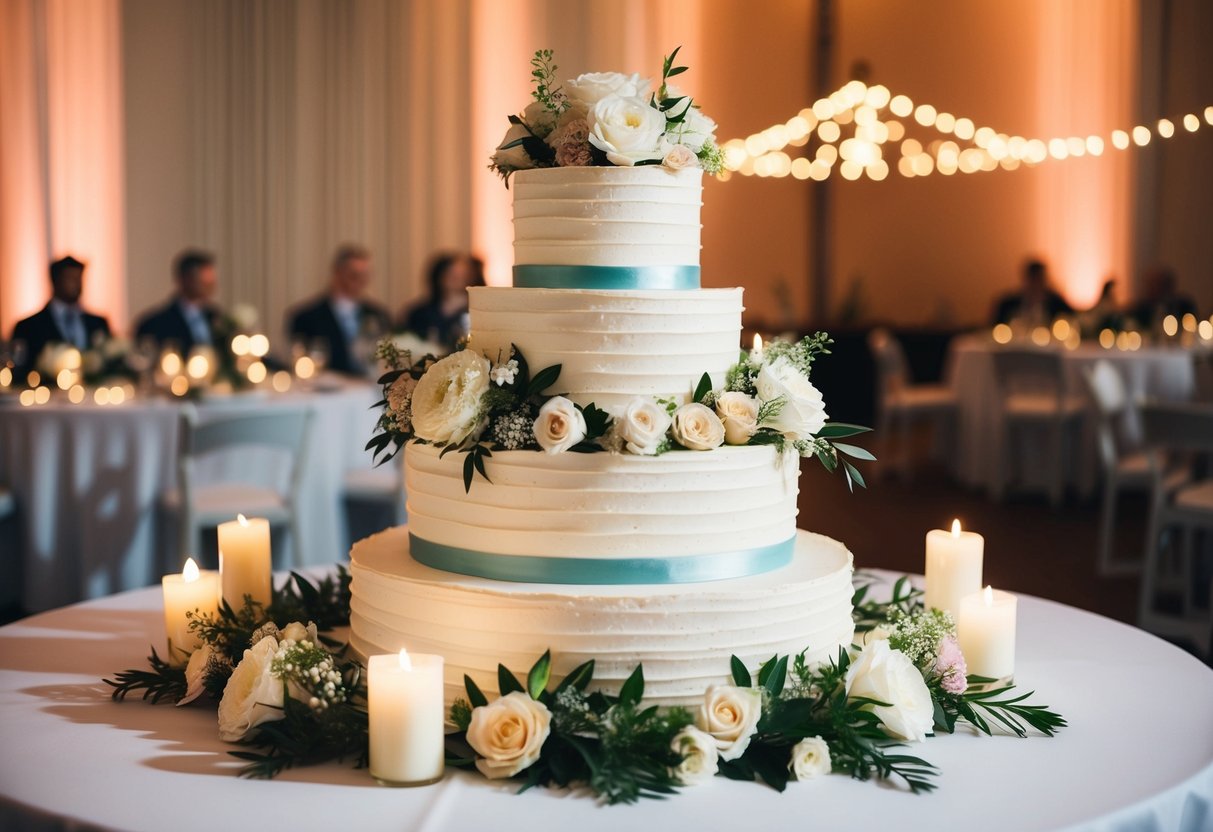
Wedding cakes have a rich history that dates back to ancient times. Understanding their evolution can give you insight into their important place in modern weddings. From ancient rituals to elegant Victorian designs, wedding cakes symbolize love and celebration.
Origins in Ancient Rome
The tradition of wedding cakes started in Ancient Rome. During ceremonies, a wheat or barley cake was baked and broken over the bride’s head. This act symbolized fertility and good luck.
The cake was often scone-like and had a simple appearance. The practice showed how cakes were not just desserts but also part of rituals that honored the couple’s new life together.
As time went on, these cakes evolved into more elaborate designs, paving the way for future wedding cake traditions.
Evolution During the Middle Ages and Victorian Era
During the Middle Ages, wedding cakes became more elaborate. Instead of simple scones, couples began to use rich and heavy fruit cakes.
These cakes were often stacked to resemble a tower, symbolizing abundance and prosperity. The breaking of the cake remained a central part of the ceremony.
By the Victorian Era, the wedding cake underwent a significant transformation. Bakers started using white icing, which became a symbol of purity. Wedding cakes were now beautifully decorated, showcasing intricate designs.
This era marked the beginning of the beautiful tiered cakes we enjoy today, each layer representing good fortune and happiness for the newlyweds. The wedding cake became a cherished centerpiece at weddings, reflecting personal style and tradition.
Symbolism and Traditions

Wedding cakes hold deep meaning and are tied to many traditions. From the cake cutting ceremony to the color of the icing, each element plays a significant role in celebrating love and commitment.
Cake Cutting Ceremony
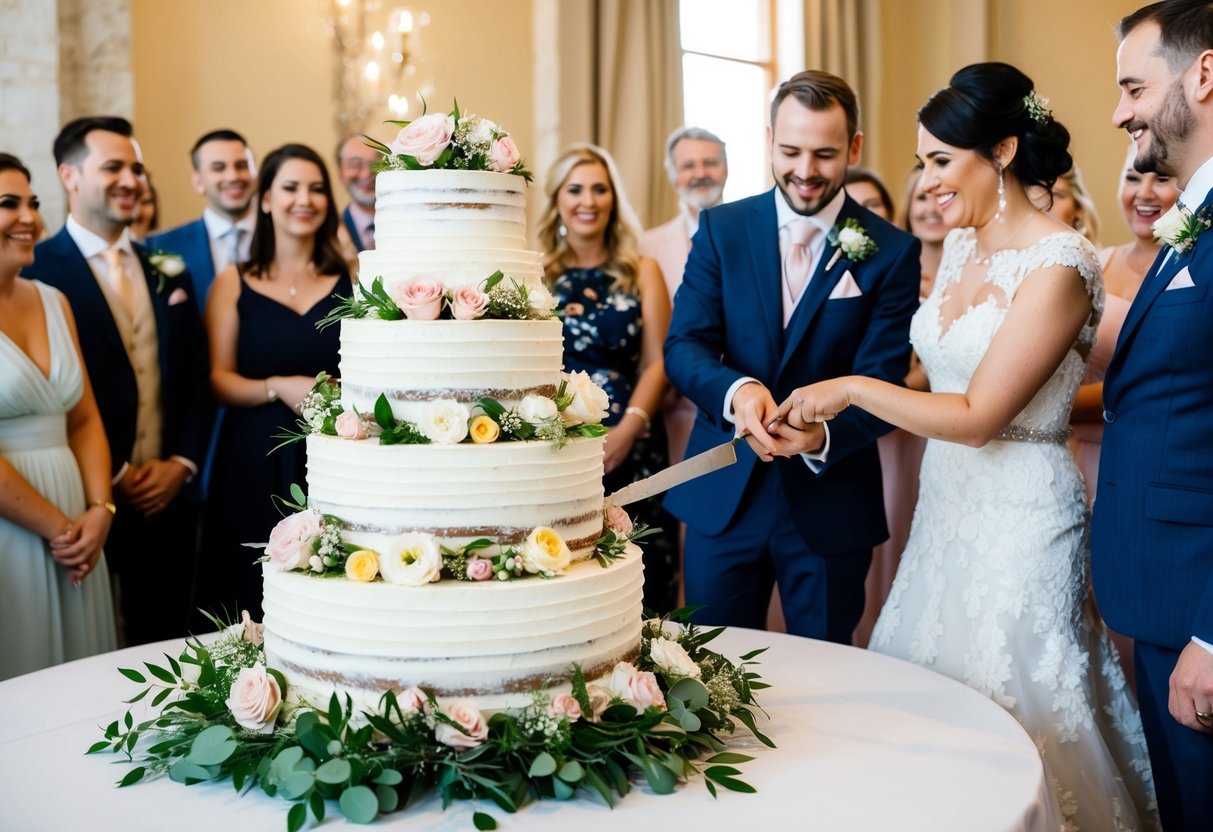
The cake cutting ceremony is one of the most anticipated moments of a wedding. This tradition symbolizes the couple’s first act of sharing as partners.
When you cut the cake together, you are demonstrating your commitment to support one another. The act of sharing the first slice also represents unity and nurturing your relationship.
Guests often watch eagerly, as this moment is filled with joy and celebration. It’s not just about the cake; it’s about sharing love and happiness with everyone who supports you.
Significance of the Color White
The color white is traditionally associated with purity, innocence, and new beginnings. In weddings, white icing is commonly used to decorate the cake, reflecting these themes.
When you choose a white cake, it symbolizes the hope for a pure and lasting love. Guests often enjoy the visual appeal of a beautifully decorated white cake, enhancing the overall elegance of your wedding.
In some cultures, white also represents good luck and prosperity for the couple’s new life together.
Wedding Cake Toppers
Cake toppers add a personal touch to your wedding cake. They display your unique style and often reflect your shared interests as a couple.
Traditionally, wedding cake toppers featured a bride and groom figurine, symbolizing the couple’s union. Today, you might choose something more personalized, like initials, flowers, or even a fun theme related to your love story.
These toppers not only make the cake more attractive but also serve as a keepsake. You can cherish them as a reminder of your special day. Incorporating a meaningful cake topper adds to the personal symbolism of your wedding celebration.
Contemporary Wedding Cake Trends
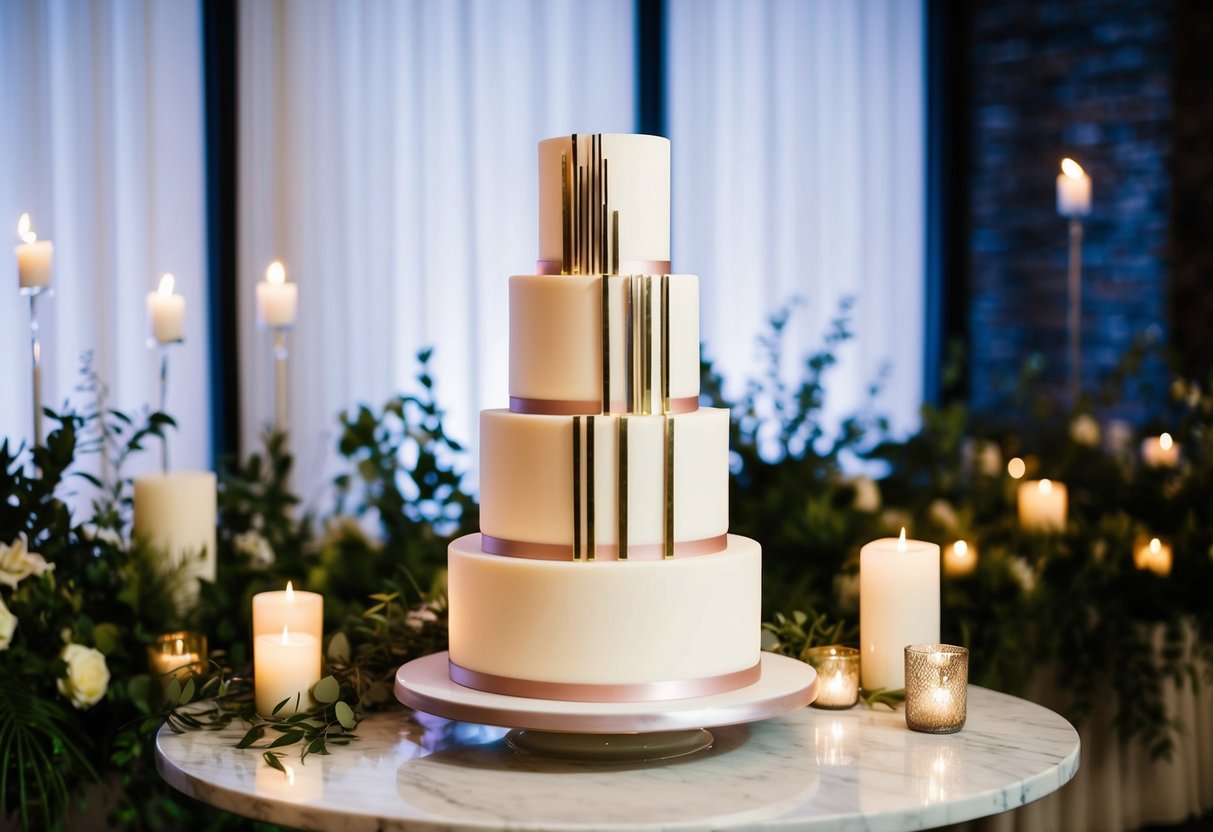
Today’s wedding cakes reflect personal style and unique flavors. Couples are moving away from traditional white cakes to explore diverse designs and desserts that match their vision for the big day.
Design and Flavor Options
Modern wedding cakes come in various designs and flavors. Couples often choose bold colors and unique shapes that stand out. Horizontal cakes are gaining popularity; they create a stunning visual impact and work well for long banquet tables.
Flavor-wise, the choices are endless. Beyond classic vanilla and chocolate, consider options like lemon raspberry, red velvet, or rich fruit cakes. Many couples also prefer cake tastings to experiment with combinations, ensuring that the cake reflects their tastes.
Don’t forget about textures! Couples are opting for cakes with elements like naked finishes or smooth, matte frostings, adding modern flair.
Alternative Wedding Desserts
You might want to think beyond traditional wedding cakes. Alternative wedding desserts are becoming trendy. Items like cupcakes, macaroons, or dessert tables offer variety and fun for guests.
Fruit cakes are another great choice, often bringing a vibrant splash of color and sweetness. You can mix and match different treats to cater to diverse tastes. This makes your dessert table not only beautiful but also exciting. Plus, it allows for creative presentations that fit your wedding theme, whether rustic or modern.
Cultural Variations and Personal Touches
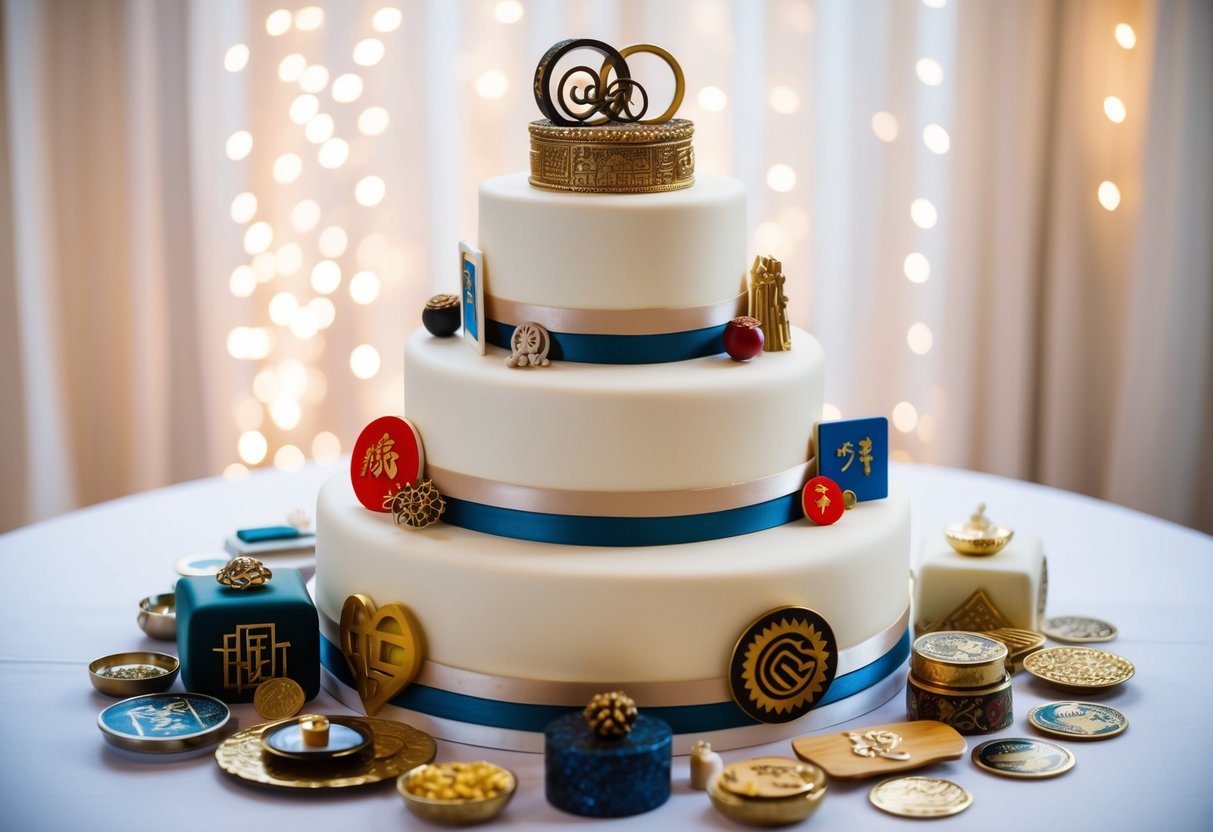
Wedding cakes are steeped in tradition, but they can also reflect personal tastes and cultural influences. Unique touches can add meaning and character to this important symbol of celebration.
Groom’s Cake and Cake Charms
The groom’s cake is a fun twist in wedding cake traditions. This cake often reflects the groom’s interests, hobbies, or favorite flavors. It’s common in Southern weddings, where couples showcase personal touches alongside the main wedding cake.
Another charming tradition is the use of cake charms. These small trinkets, hidden within the cake, are given to guests. Each charm holds a special meaning, often related to luck or fortune. This adds an interactive element to the celebration, allowing guests to participate in the festivities. Cake pulls are also popular; guests pull ribbons attached to charms before enjoying the cake. Each ribbon leads to a different charm, adding excitement and personal significance to the event.
Innovative Shapes and Sizes
Today’s wedding cakes come in many shapes and sizes. While traditional multi-tiered designs are still favored, you can also find cakes shaped like favorite animals, sports equipment, or even artistic sculptures. Each shape can tell a story about the couple’s journey together.
Beyond classic flavors, you can choose unique fillings that reflect regional specialties. Some couples opt for a combination of various cake styles or even serve mini cakes for guests. This gives you the chance to explore flavors that represent your heritage or personal favorites.
The ability to customize your wedding cake makes it a true reflection of you and your partner.