
Is It Traditional to Have Groomsmen? Understanding the Role and Importance in Modern Weddings
If you’re wondering whether it’s traditional to have groomsmen at a wedding, the answer is yes. Groomsmen have been part of wedding traditions for a long time, serving as important support for the groom during the ceremony and throughout the wedding planning. These close friends or family members stand by the groom, much like bridesmaids stand by the bride, helping to create a sense of unity on this special day.
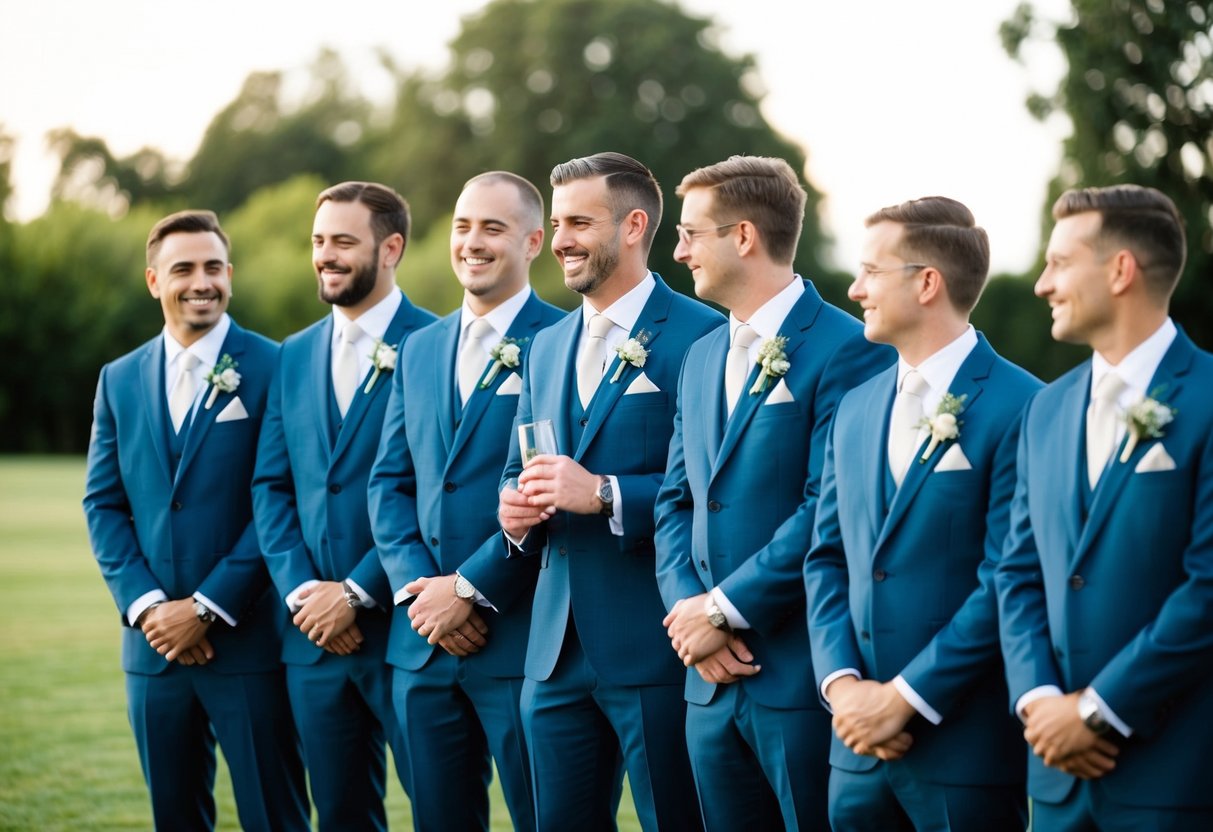
Traditionally, groomsmen were selected to protect the groom and the bride, especially in earlier times when marriages were sometimes arranged or involved capture. Over time, their role has evolved, focusing more on emotional support and helping the groom with various wedding details. From coordinating attire to participating in pre-wedding events, groomsmen play an essential part in the wedding ceremony.
Understanding the role of groomsmen can enhance your wedding experience. It introduces a fun layer of friendship and camaraderie that makes the day even more memorable. Whether you’re planning your own wedding or simply curious about the traditions involved, knowing the significance of groomsmen adds value to your understanding of the celebration.
The Role and Duties of Groomsmen
Groomsmen play a crucial role in supporting the groom before and during the wedding. Their responsibilities encompass various tasks, from organizing events to standing by the groom’s side on the big day. Here’s a detailed look at what groomsmen are expected to do.
Before the Wedding Day
Before the wedding, you have several important duties. One of the main tasks is to help organize the bachelor party. This event is a special time for the groom to relax and bond with friends before getting married.
Additionally, you should assist in coordinating attire. Make sure everyone knows where and when to pick up rentals. You might also need to help with wedding planning tasks, like creating a group travel plan for the wedding day.
Communication is key. Check in regularly with the groom and other groomsmen to ensure everyone is on the same page. This support can ease a lot of stress during the planning process.
On the Wedding Day
On the big day, you have a different set of responsibilities. Arriving on time is essential. You may need to bring snacks or coffee to help everyone stay energized while getting ready.
During the ceremony, your role is to stand by the groom. Be prepared to assist with anything he needs, whether it’s keeping track of rings or calming nerves.
After the ceremony, you may help usher guests, ensuring they find their seats. You should also be ready for photos. Finally, once the celebration starts, your energy will help keep the festivities lively. Supporting the groom throughout this day is vital to making it memorable.
Historical Context of Groomsmen
The role of groomsmen has deep historical roots that connect to ancient practices and changing societal norms. Understanding these origins gives insight into why groomsmen are part of modern weddings today.
Marriage by Capture and Bride-Knights
In ancient cultures, marriage by capture was common. Often, a groom would “kidnap” his bride with the help of friends, known as bride-knights. These men weren’t just assistants; they were like a protective army, ready to fend off anyone who might object.
This tradition stemmed from a time when families might resist a union. The groomsmen ensured that the bride could be safely taken to her new home.
Additionally, superstitions played a role. It was believed that evil spirits might try to interfere with the wedding. Groomsmen helped keep the couple safe during the ceremony, warding off these spirits as part of the celebration.
Evolution of Modern-Day Groomsmen
As time progressed, the idea of groomsmen transformed into something less combative and more supportive. In ancient Rome, friends of the groom began to take on more ceremonial roles. They were chosen for their loyalty and friendship rather than simply as protectors.
Today, groomsmen are honored guests, involved in the planning and joy of the wedding. They assist with tasks, offer emotional support, and celebrate the couple’s love.
While the protective aspect is mostly gone, groomsmen still symbolize companionship and shared happiness. Their role reflects the bond of friendship that remains crucial in weddings worldwide.
Cultural Significance and Variations
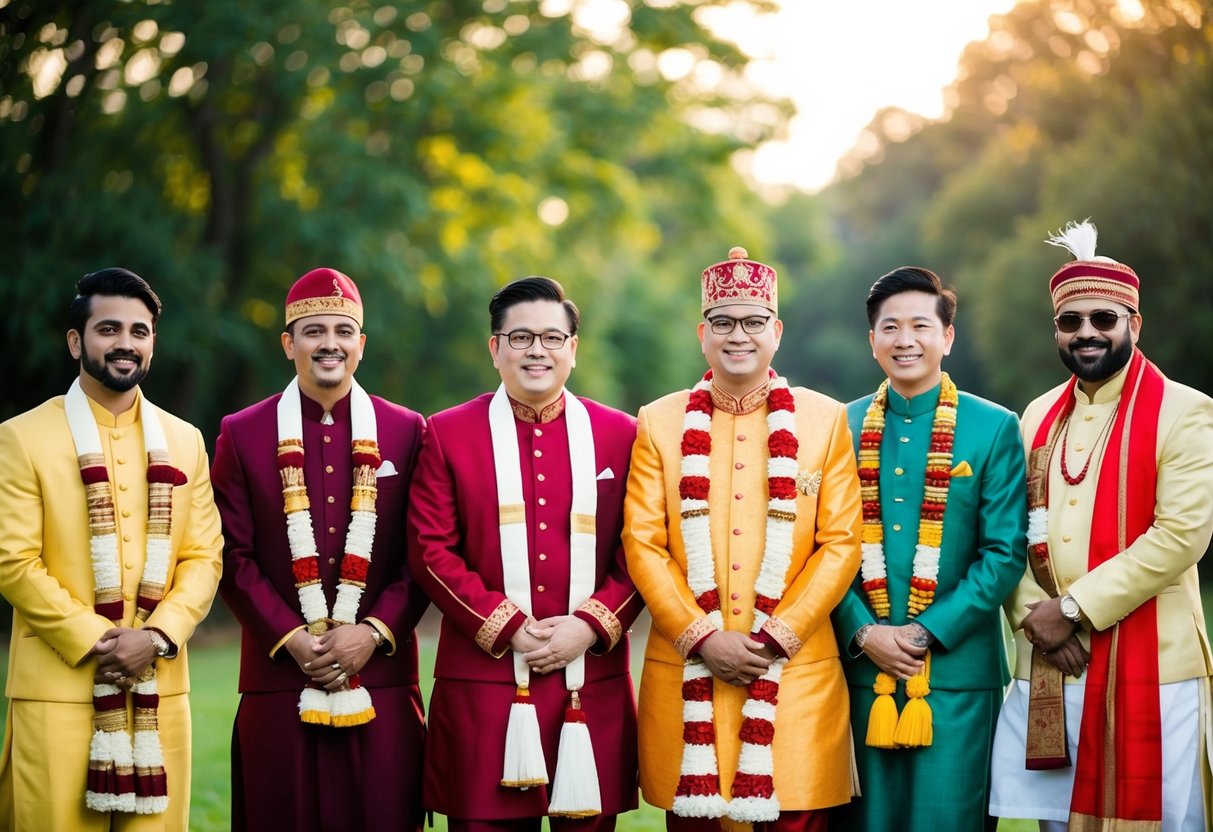
Groomsmen play an important role in various cultures. Their duties and meanings can differ widely across traditions. Here’s a closer look at how these roles manifest in Western and global contexts.
Western Wedding Practices
In Western cultures, groomsmen are typically close friends or relatives of the groom. They support the groom throughout the wedding process, beginning with planning the bachelor party and participating in wedding preparations.
During the traditional wedding processional, groomsmen walk down the aisle before the groom. This procession symbolizes unity and support. At the wedding reception, they may also take on roles like ushering guests to their seats.
The number of groomsmen can vary, often reflecting personal choices or family dynamics. A dowry is less common in these cultures, focusing more on the bride and groom’s partnership.
Global Wedding Customs
Across the globe, wedding customs can shape the role of groomsmen. In some cultures, they are known as ushers who help guide guests. In Greek weddings, for example, the koumbaro performs key duties that emphasize friendship, like preparing the groom.
In various cultures, groomsmen may be involved in ceremonial tasks that symbolize protection and kinship. For instance, in some African traditions, groomsmen help secure the bride’s dowry.
Understanding these customs helps highlight the groomsmen’s significance beyond mere formality. The role serves as a vital link between the couple and their families, enriching the wedding experience.
Celebrating the Groomsmen
When planning your wedding, celebrating your groomsmen is an important part of the festivities. These friends support you during this special time, and there are various ways to show your appreciation. From thoughtful gifts to memorable parties, each element creates lasting memories for everyone involved.
Gift Ideas for Groomsmen
Choosing the right gifts for your groomsmen shows your gratitude for their support. Here are some popular ideas:
- Personalized items: Engraved flasks, cufflinks, or pocket knives add a special touch.
- Experience gifts: Consider gift cards for activities like fishing trips or sports events, creating fun memories together.
- Practical gifts: High-quality grooming kits or stylish ties they can wear at the wedding are both useful and appreciated.
Make sure to consider their interests when selecting a gift. Personalized gifts demonstrate thoughtfulness and help your groomsmen feel valued.
The Bachelor Party and Stag Do
The groom and his closest friends usually celebrate the bachelor party, or stag do. It’s a time for fun and bonding before the big day.
Popular activities include:
- Weekend trips: Plan a getaway to a destination where you can enjoy activities like hiking, camping, or beach lounging.
- Local adventures: A night out at a favorite bar, participating in a brewery tour, or enjoying a fun game night at home can be great options.
Remember to consider what you and your groomsmen will enjoy. The goal is to celebrate friendship and create cherished memories before the wedding festivities begin.