
Is It Weird for the Husband to Take the Wife’s Last Name? Exploring Modern Marriage Dynamics
When it comes to marriage, the discussion about last names can stir up strong opinions. A husband taking his wife’s last name is not weird. It can be a meaningful choice that reflects a couple’s shared values and partnership. In today’s world, more men are deciding to adopt their wife’s surname as a way to challenge traditional norms and show support for their partner’s identity.
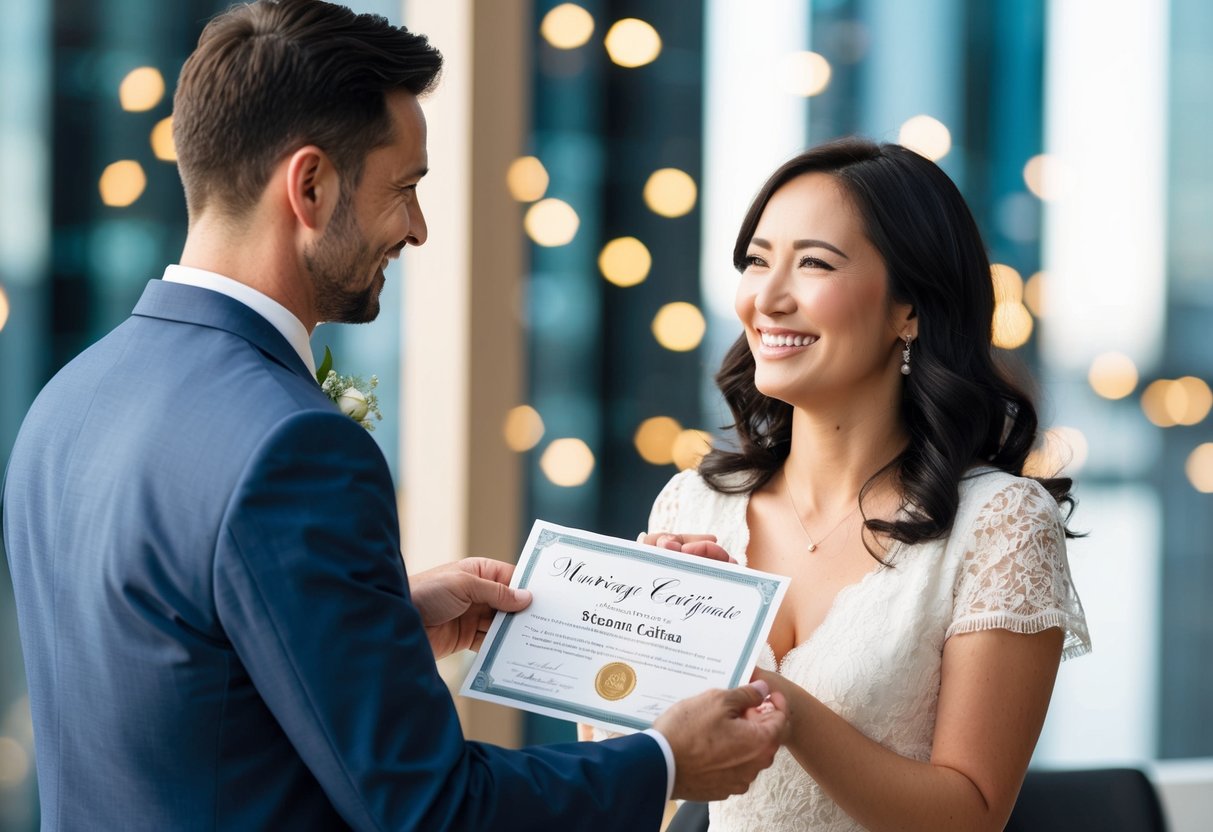
This choice can represent equality and a fresh start for the couple. Many see it as a way to honor the woman’s lineage or professional achievements. If you’re contemplating this decision, it’s essential to consider what feels right for you and your partner, regardless of societal expectations.
As you navigate your unique journey in marriage, remember that the name you choose to carry is a personal reflection of your relationship. Embracing change and making choices that resonate with both partners can strengthen your bond and set the tone for your family’s future.
Traditions and Societal Norms
Understanding the traditions and societal norms around last names can help you navigate decisions about identity in marriage. This topic includes the historical context of surnames, the factors influencing name choices, and how modern trends are changing expectations.
Historical Perspective on Surnames
Last names have a rich history linked to inheritance and property transfer. Historically, women took their husband’s last name, symbolizing a transfer of identity and property. This practice stemmed from times when women had fewer rights and often were seen as part of their husband’s household.
In many cultures, the maiden name would fade away after marriage. Some countries still enforce laws that require wives to take their husband’s surname. This tradition reflects social norms that have persisted for centuries.
Factors Influencing Name Choices In Marriage
Today, factors influencing name choices include personal preference, professional identity, and cultural background. You might choose to keep your last name for a professional career. Many women establish strong identities under their maiden names and prefer to maintain them.
Couples may also decide to create a new name together or share last names equally. This approach can help show equality in the relationship. It’s essential to communicate openly about these choices.
Societal Expectations and Modern Trends
Societal expectations are evolving, and more men are considering taking their wife’s last name. This shift challenges long-standing norms and reflects a growing acceptance of diverse family dynamics.
Some couples are willing to break away from tradition to highlight their partnership. Taking a wife’s surname isn’t a feminist statement; it’s simply a personal choice. As you navigate this decision, remember that what matters is how you and your partner feel about it.
These modern trends show that flexibility in name choices can strengthen your bond and reflect your values as a couple.
Legal and Administrative Aspects of Name Changing
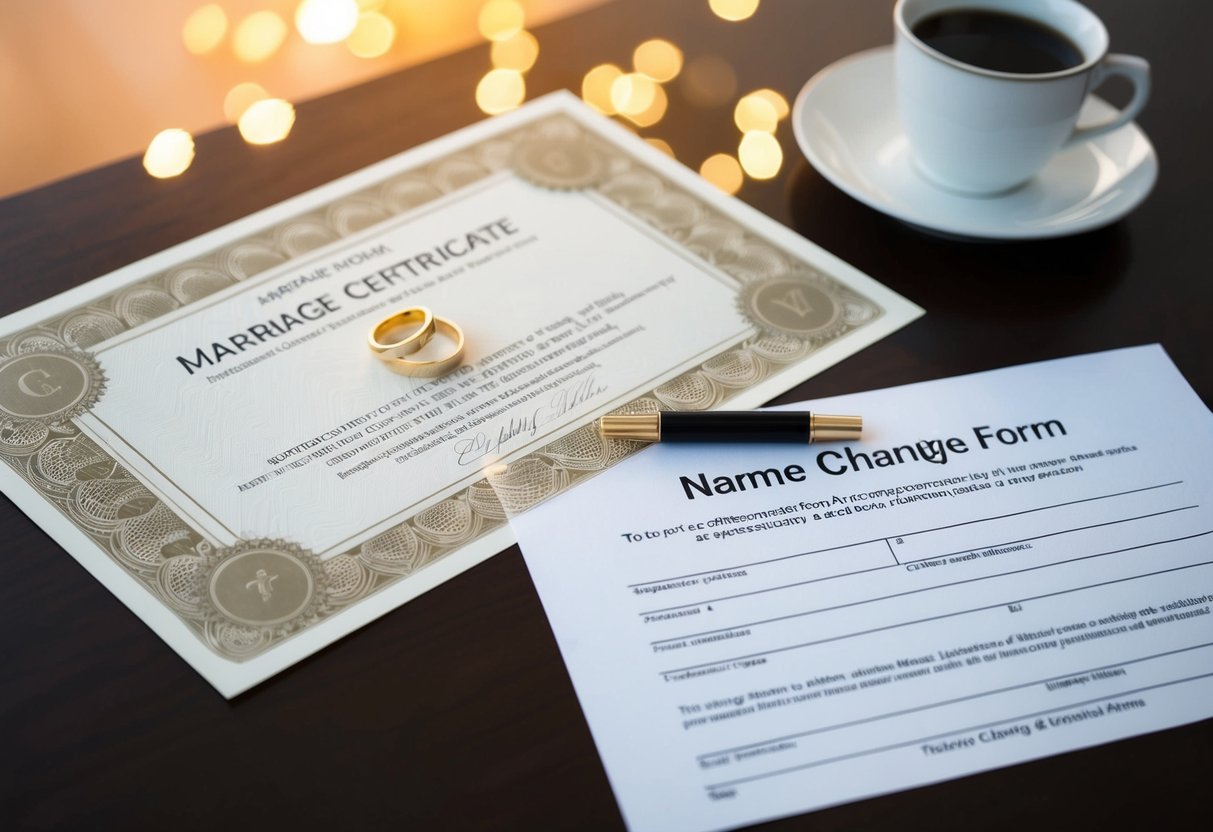
Changing your last name can involve some important legal and administrative steps. Understanding these can help you navigate the process smoothly and avoid any complications.
Understanding the Name Change Process
To start the name change process, you must follow specific legal steps. First, you should check your state’s laws, as they can vary significantly.
-
Gather Required Documents: You’ll typically need your marriage license, a form of identification, and possibly other legal documents.
-
File a Petition: In many cases, you must file a petition for a legal name change with your local court. There might be fees involved, so it’s good to check what your state requires.
-
Attend a Hearing: Sometimes, you will need to attend a court hearing. Here, a judge will review your petition. If all goes well, you will receive a court order for your name change.
Marriage License and Legal Considerations
Your marriage license is a key document when changing your name. It serves as proof of your legal marriage.
-
Use Your Marriage License: You’ll often present this document to agencies and businesses when updating your name.
-
Consistency Is Key: Make sure to update your name with various entities, including the Social Security Administration, the Department of Motor Vehicles, and your bank.
-
Potential Complications: If you have children, you may want to consider how your name change impacts them. It’s essential to think about your legal identity, especially for travel or legal documents.
Navigating the legal aspects of changing your name can feel challenging. Keeping organized and understanding each step will help make the process more manageable.
Personal Stories and Cultural Influence

Changing last names can be a personal decision influenced by individual stories and cultural backgrounds. Personal choices often reflect deeper meanings about identity and family ties.
Celebrities Who Changed Their Names
Many celebrities have taken their partner’s last names, breaking traditional norms. For example, when Beyonce and Jay-Z married, they combined their names. Their child, Blue Ivy, carries the last name Carter, highlighting their family’s unity.
Another interesting case is that of Jack White and Meg White, who were in the music duo The White Stripes. Although primarily known as White, their collaboration shows how names can symbolize partnerships in creative endeavors.
Zoe Saldana also offers a compelling perspective. After marrying, she chose to keep her professional surname, but many assume her last name is connected to her husband. This shows how perceptions of name changes can vary.
Influence of Culture and Heritage on Name Change
Cultural backgrounds play a significant role in name changes. In some cultures, taking a spouse’s name reflects respect and family unity. For example, Antonio Villaraigosa, a former mayor of Los Angeles, kept his mother’s last name, showcasing his heritage.
In contrast, many modern couples consider a name change as a partnership decision. You might choose a name that honors your family lineage while keeping your own. Understanding the cultural context can help you navigate this important choice.
Such decisions can also affect how you and your partner are perceived in society. Being aware of these influences can provide a richer understanding of your identity as a couple.
Embracing Equality and Partnership
In today’s world, many couples seek a balanced relationship, including choices around last names. The approach to surnames reflects values of equality and partnership, allowing for personal and shared identity.
The Egalitarian Approach to Surnames
The decision about last names can symbolize your partnership’s values. In an egalitarian setup, both partners are seen as equals. This means that whether a husband takes his wife’s last name or vice versa is a personal choice rooted in mutual respect.
Choosing to change your name when marrying can reflect a commitment to equality. It allows both partners to take part in creating a shared identity. This decision might also resonate with those who see marriage as a partnership rather than adhering to traditional norms.
Negotiating Surnames in Marriage
Discussing last names before tying the knot can be a crucial part of your relationship. You can openly share your feelings about changing your name.
You might want to consider factors like professional identity or family expectations. Making a list of pros and cons can help clarify your thoughts.
You can also explore hyphenation or creating a new name together.
Ultimately, choosing a surname should come from mutual agreement. This decision can strengthen the bond you share by promoting open communication and understanding.