
Is It Weird Not to Bring a Plus One to a Wedding? Navigating Guest Etiquette
Weddings are joyful occasions, and as a guest, you might wonder about the best way to navigate the invite. Many people go solo, and it’s perfectly acceptable based on your comfort and the couple’s invitation.
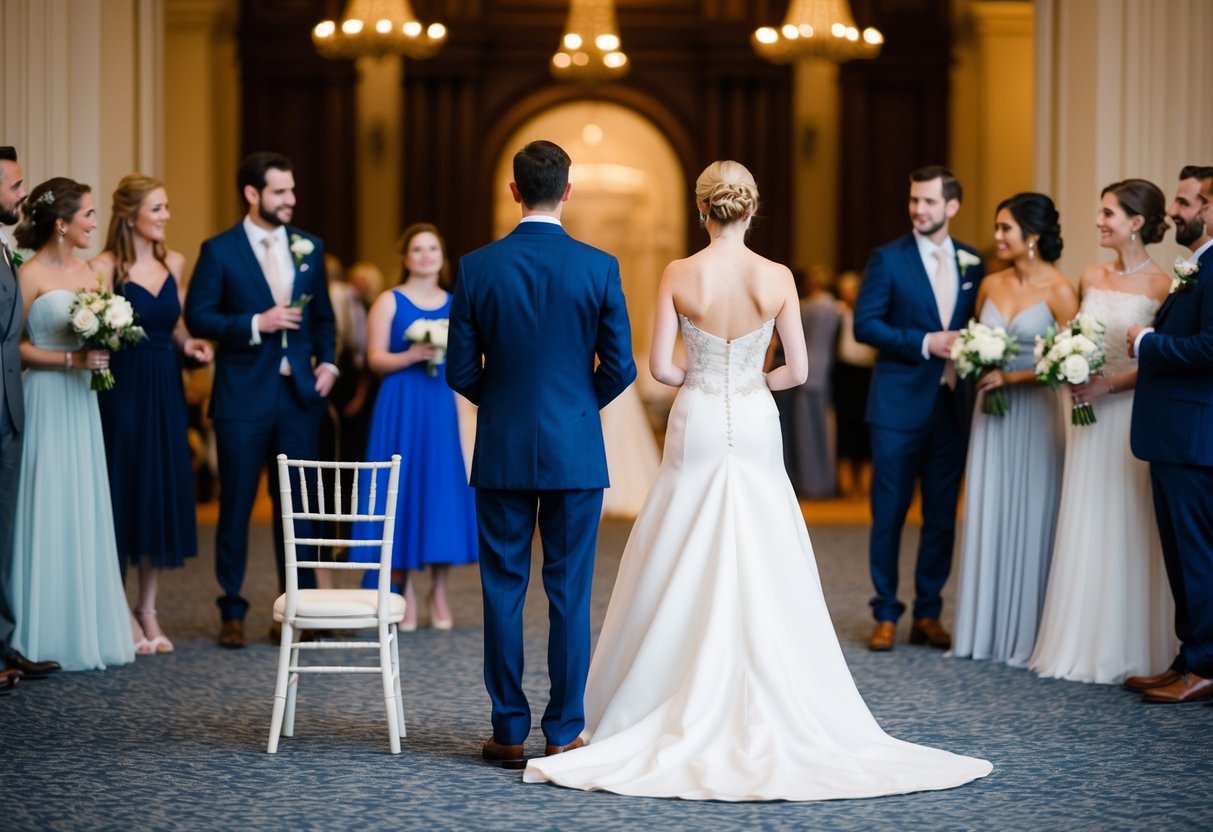
When it comes to whether you should bring a plus one, think about the couple’s wishes and the kind of event they are planning.
If the invitation specifically states “and guest,” then you’re welcome to bring someone along. However, if you’re unsure or feel that you might not know anyone else at the wedding, consider if a plus one would help you enjoy the event more.
Understanding Wedding Plus-One Etiquette
Navigating plus-one invitations can be tricky. Knowing the basics can help you feel more comfortable about who gets a plus-one and how to handle invitations gracefully.
The Basics of Plus-One Invitations
Plus-one invitations allow guests to bring an additional person to a wedding. This can be a friend, family member, or partner.
You usually receive a plus-one if you’re single or part of a committed relationship. Those in long-term relationships often expect to be invited with their partner, while casual acquaintances might not receive this option.
When you RSVP, it is essential to follow the couple’s guidelines. If the invitation does not explicitly state that you can bring someone, it’s best to assume you should attend solo. Respecting the couple’s decisions about the guest list helps them manage their wedding day more smoothly.
Who Gets a Plus-One?
Determining who gets a plus-one often depends on your relationship with the couple. Typically, close friends and long-term partners are offered this option.
If you’re part of the wedding party, you can expect a plus-one as a courtesy.
If you’re single, it’s common to feel uncertain. Remember that many weddings have limits due to budget or space. If you’re unsure whether to ask about a plus-one, simply consider your relationship with the couple. If you have a strong bond, feel free to politely inquire. Just keep in mind that it’s their day, and respect their choices regarding the guest list.
Navigating Your Relationship Status
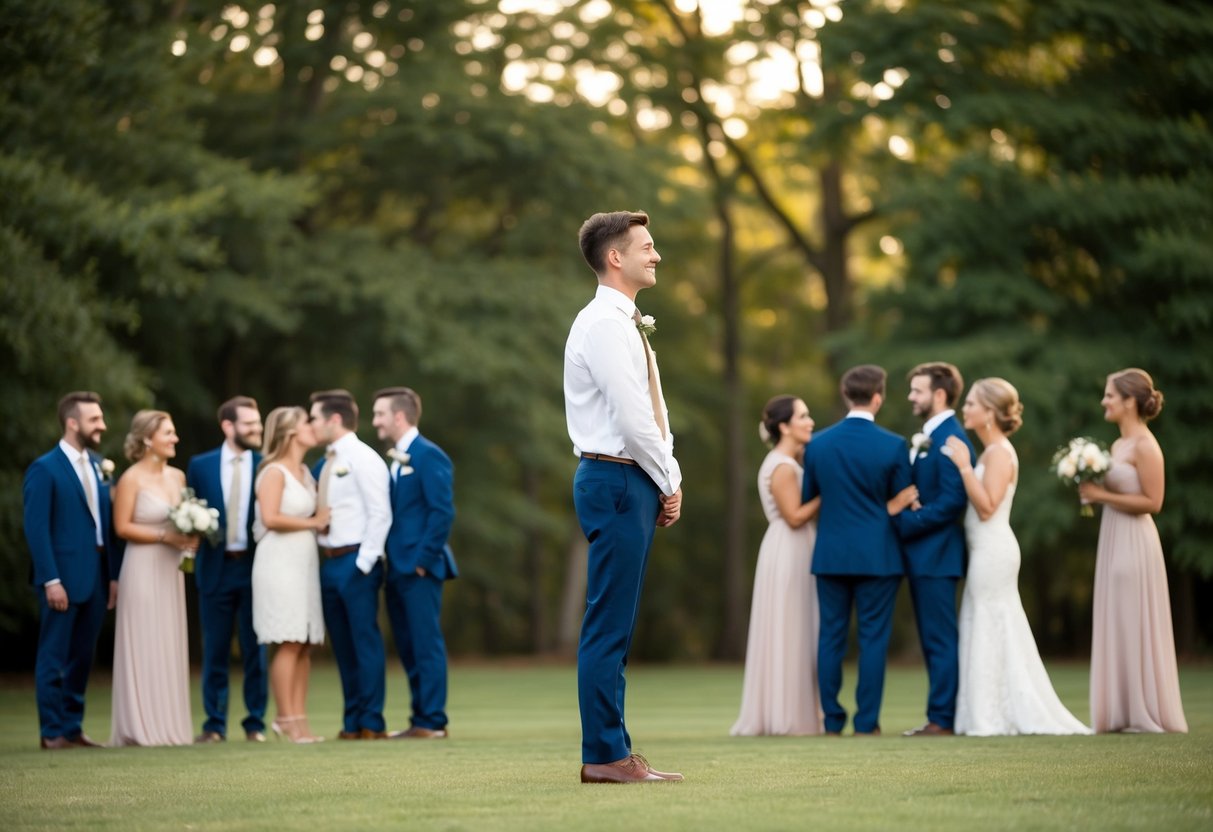
Your relationship status can change how you feel about attending a wedding alone or with a guest. It’s important to think about how this might affect your experience and the social dynamics at the event.
Attending Solo: Is It Acceptable?
Yes, attending a wedding solo is generally acceptable. Many guests show up without a significant other, especially if they are single or have just ended a relationship. If you don’t have a plus-one, don’t feel awkward about it.
Being a single guest can allow you to engage more with others. You can meet new people and connect with friends of the couple. Consider the couple’s relationship with you; if you know them well, they might expect you to enjoy yourself, whether you’re solo or not.
The Impact on Social Dynamics
Attending a wedding as a single guest can change the social atmosphere for you and others. You may find that other guests are also without a plus-one, which can ease any awkwardness.
If you’re concerned about mingling, arrive early to meet other guests. Being alone might even give you a chance to connect with others who also feel shy.
Remember, weddings are about celebrating love. Focus on enjoying the festivities and making new friends. Keep an open mind, and you might have a great experience, regardless of your relationship status.
Planning as a Wedding Guest
As a wedding guest, planning ahead can make your experience enjoyable and stress-free. Key aspects include understanding the RSVP process and considering your budget.
RSVP Tips and Etiquette
When you receive your invitation, check for an RSVP card. This card tells you if you can bring a guest or if it’s just for you. If you see “plus one” or “and guest,” you’re welcome to bring someone along.
Make sure to respond by the date provided. This helps the couple finalize their headcount, and it’s a polite gesture. If you cannot attend, it’s best to send your regrets instead of waiting too long.
Remember to follow any guidelines. If the couple has specific requests, like how to respond or dress code, it’s respectful to adhere to them.
Budget Considerations for Guests
Weddings can be expensive, so think about your budget. This includes costs such as travel, attire, and gifts.
If you decide to bring a plus one, factor in their expenses too. You might need to pay for meals or transportation.
Set a budget for your gift. A simple guideline is to give something around the cost of your meal. If you’re unsure, check with friends or family for ideas.
Communicating With the Hosts
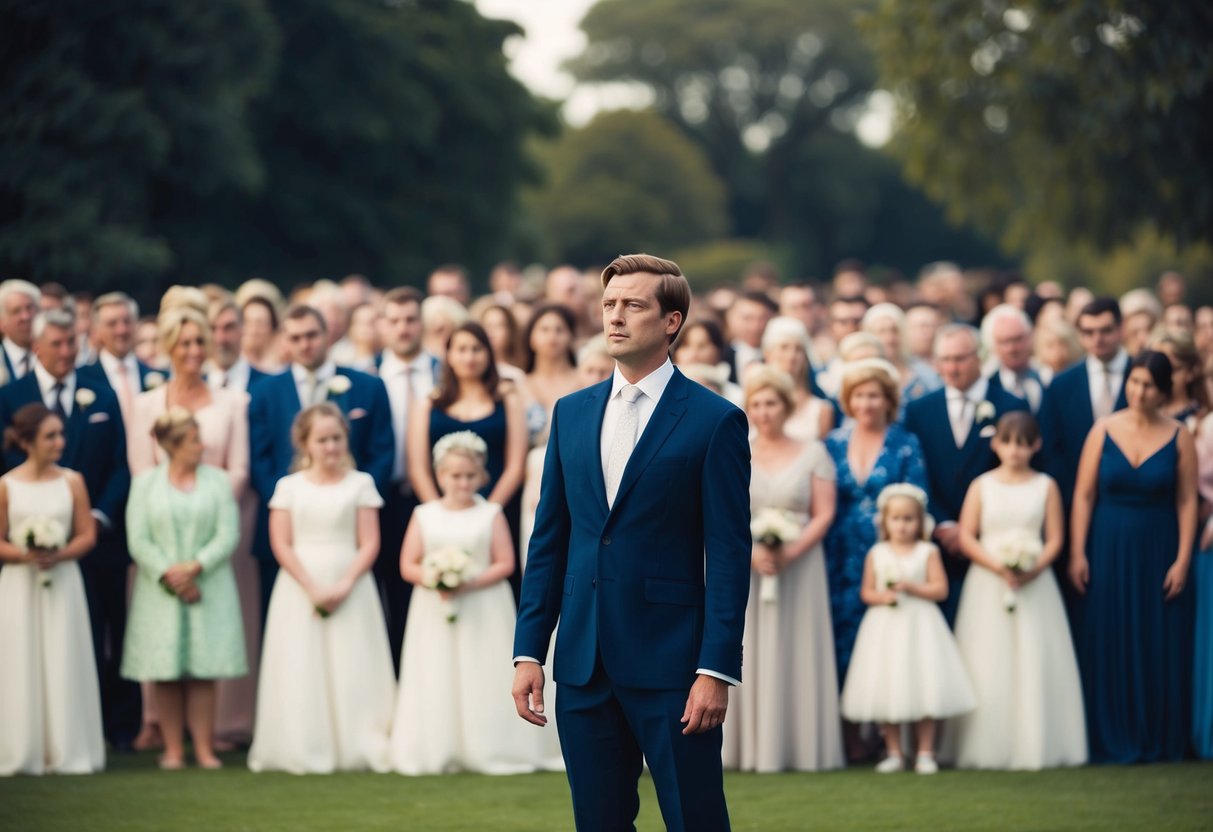
Clear communication with the wedding hosts is important when it comes to understanding invitation details about plus ones. Knowing how to interpret the invitation can help you feel more comfortable about your attendance. If you have questions, don’t hesitate to reach out to the hosts.
Decoding the Invitation
When you receive your wedding invitation, pay attention to the wording. If you see “plus one” included, you can bring a guest. If it only has your name, it usually means you’re attending solo.
Check if there is additional information on a wedding website. Sometimes hosts provide details that can help clarify their guest policy. If they mention a guest limit, it’s often due to budget constraints or venue size.
Queries and Clarifications
If you’re unsure about your invitation, ask the hosts. A friendly message can clear up confusion. You might say, “I noticed my invitation doesn’t mention a plus one. Just checking if that means I should come alone.”
When you reach out, keep it polite and concise. The hosts will appreciate your thoughtfulness. Sometimes RSVP forms may offer space for comments, which is also a good place to ask.