
Is It Weird to Have Your Mom and Dad Walk You Down the Aisle? Exploring Family Traditions and Modern Choices
Choosing who will walk you down the aisle is a significant part of planning your wedding day. Many people wonder if it’s strange to have both your mom and dad share this special moment.
Having both parents walk you down the aisle is perfectly normal. It symbolizes the love and support they have given you throughout your life.
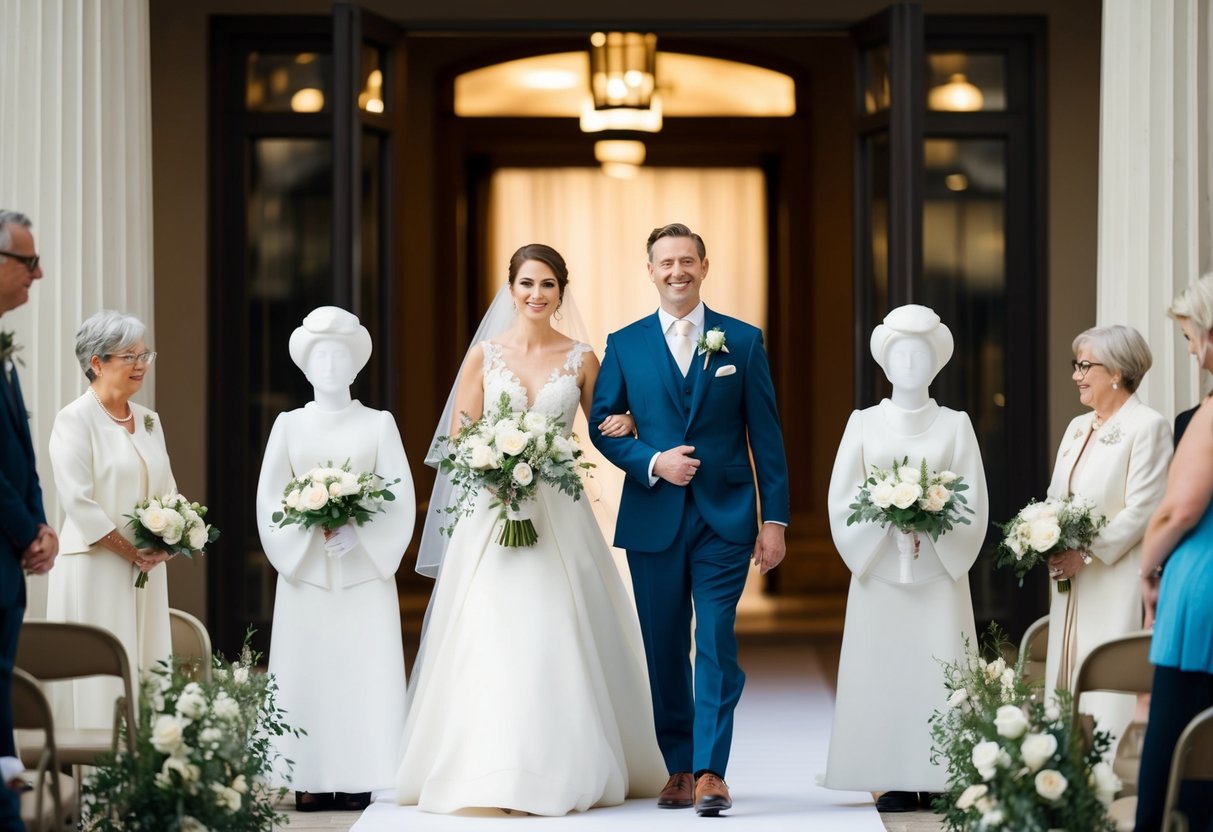
This choice can feel especially meaningful for those with good relationships with both parents, or those who want to honor the roles they play in your life. It’s a chance to celebrate unity and include both in your journey to the altar. After all, your wedding day is about embracing family and love in all its forms.
If you’re considering this idea, know that many people have walked down the aisle accompanied by both parents without any issue. This tradition can add a unique touch to your ceremony, making it more personal and inclusive. Embrace what feels right for you on this important day.
Traditions and Variations
When it comes to walking down the aisle, there are many traditions to consider. You’ll find that customs vary greatly, reflecting different cultural values and personal preferences. It’s completely normal to explore what feels right for you and your family.
Historical Norms of Walking Down the Aisle
Traditionally, the father of the bride walks her down the aisle. This symbolizes the “giving away” of his daughter and dates back centuries. The custom is rooted in societal norms that viewed marriage as a transfer of responsibility.
In many cultures, both parents accompany the bride as a statement of unity. This practice honors the importance of family and their support.
Walking alone has also become more accepted, as some brides want to express independence. Such choices reflect changing values about marriage and personal autonomy.
Modern Interpretations and Choices
Today, couples embrace various interpretations of this tradition. It’s common for both parents to walk the bride down the aisle, showcasing unity and inclusivity. You might choose to have your parents share this special moment if it feels right for you.
Alternative arrangements are also popular. For instance, a bride may be escorted by another significant person, like a sibling or friend. This honors different family structures while still celebrating love and support. Embracing your unique path is what makes your wedding special.
Family Dynamics and Roles

Navigating family dynamics on your wedding day can be a rewarding experience. It is important to acknowledge the roles each family member plays, especially when it comes to including stepparents and grandparents in the ceremony.
Including Stepparents in the Ceremony
If you have stepparents, consider how they fit into your wedding plans. They may want to be involved in the ceremony, either by walking you down the aisle or participating in special rituals.
Tips for Inclusion:
- Talk Openly: Discuss with your stepparents what they envision for their involvement.
- Make it Meaningful: Think about unique roles, like lighting a unity candle together or giving readings.
- Balance Family Dynamics: Consider if both biological parents and stepparents can share the spotlight comfortably.
Including stepparents can help to avoid family drama, showing that your blended family can come together to support you.
Maid of Honor and Grandparents’ Participation
Your maid of honor is often a key player in your wedding. This role can highlight important friendships or family relationships.
Involving Grandparents:
- Special Roles: Grandparents can have special moments, such as a dance or a reading during the ceremony.
- Recognition: Acknowledge their presence in your vows or speeches to make them feel valued.
Consider how these relationships contribute to your day. Whether it’s a maid of honor who’s been by your side or grandparents who have shaped your life, each role adds meaning to your ceremony.
Wedding Planning Considerations
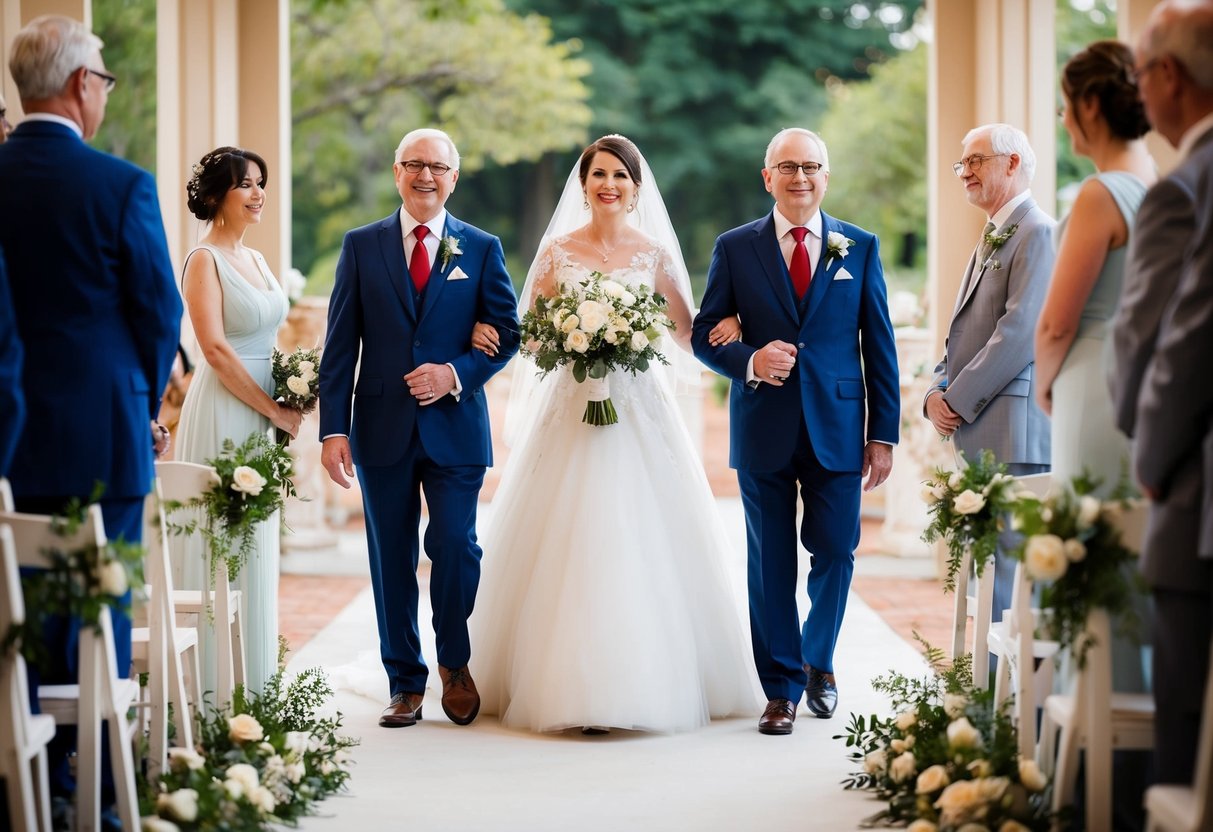
When planning your wedding, deciding who walks down the aisle is a big choice. It’s important to include family members in a way that feels right for you. Each decision may affect the flow of your ceremony, so careful thinking can help you create a meaningful experience.
Deciding Who Walks Down the Aisle
Choosing who walks you down the aisle can feel overwhelming. Traditionally, this role goes to the father, but many couples now want to include both parents. You might consider having your mom and dad walk side by side, reflecting your family’s support.
Another option is to involve other family members or friends. If you have a close bond with a step-parent or a sibling, they can play a role too. Make a list of people who are important to you. This can guide your decision on who walks down the aisle.
Coordinating the Procession
Coordinating the procession is key to ensuring everything runs smoothly. Start by talking with your parents about their roles. Will they walk side by side, or will one parent lead you?
Discuss how everyone will line up before the ceremony.
It’s also helpful to create a timeline for the processional. You can list the order of who walks, from parents to bridesmaids and finally to you. This way, everyone knows their role and when to join you.
You want the moment to feel special and organized for everyone involved.