
Is It Worth It to DIY Wedding Invitations? A Friendly Guide to Making the Right Choice
When planning your wedding, every detail matters, including your wedding invitations. You might be wondering if you should take the DIY route for your invitation design. DIY wedding invitations can be worth it if you enjoy crafting and have the time to commit. However, they can also become costly and time-consuming if you need to buy many materials.
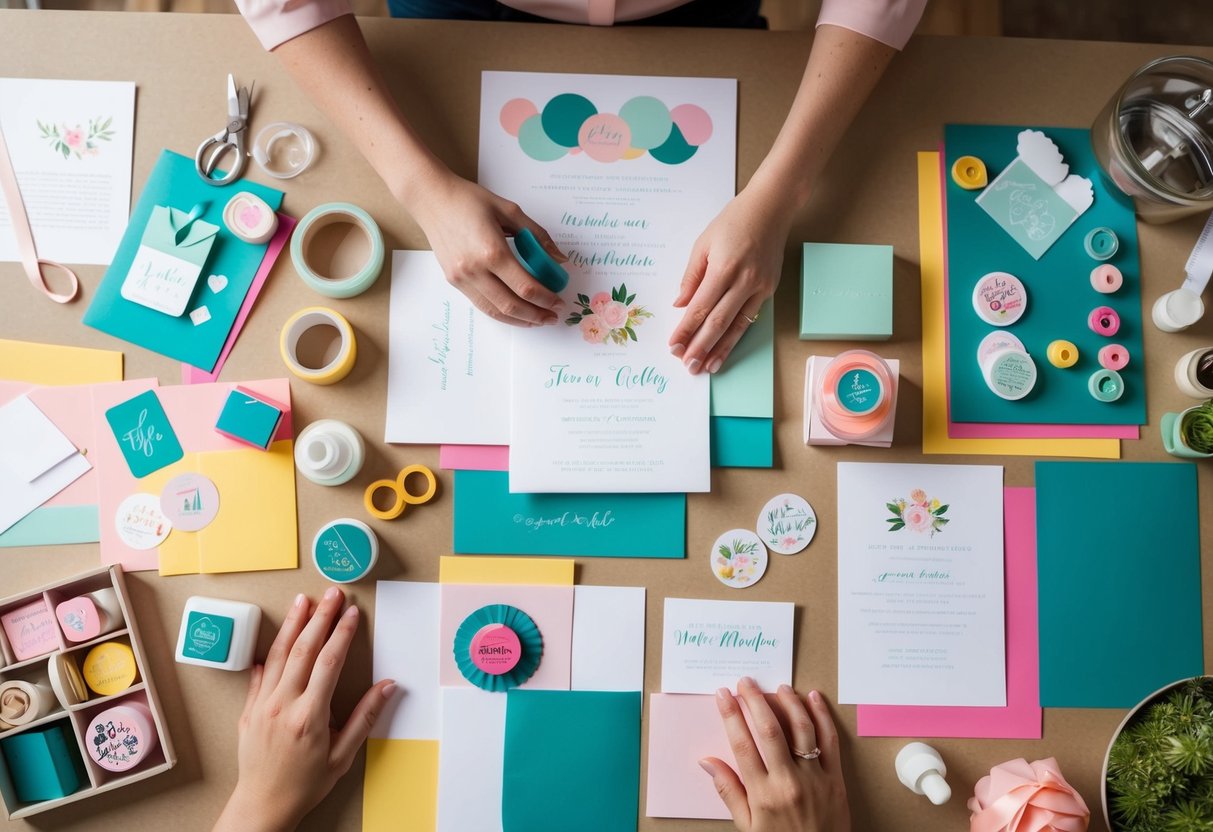
Creating your own invitations allows for personal touches that reflect your style and theme. It can be a fun project that involves friends and family, making it part of your wedding planning experience. However, if your schedule is already packed with wedding tasks, it might add more stress than joy.
Think carefully about your skills, budget, and available time. If you feel confident and ready to dive into creating beautiful wedding invitations, it could be a delightful endeavor. Just keep in mind the potential challenges as you weigh your options!
Assessing the Pros and Cons of DIY Invitations

When deciding whether to take on DIY wedding invitations, you’ll want to weigh various factors. Costs, personal touches, and quality all play a role in this important choice. Here’s what you need to consider.
Cost Comparisons
One of the main reasons to consider DIY invitations is cost. Custom invitations can be expensive, often running hundreds of dollars for a full invitation suite. In contrast, DIY invitations can be much more affordable. You can control costs by choosing your materials wisely.
Consider the cost of cardstock and paper weight. High-quality paper will look great but may increase your expenses. Don’t forget to account for printing costs, as well. If you have access to a printer, you can save even more.
However, if you need to buy design tools or pay for graphic design services, those costs can add up. Budgeting carefully will help you understand the financial impact of your decision.
Personal Touch Versus Time Investment
DIY invitations offer a personal touch that custom options often can’t match. Designing your own invites lets you add unique elements that reflect your personality and wedding theme. This can make them special keepsakes for you and your guests.
On the flip side, be aware of the time commitment. Designing, printing, and assembling invitations can take many hours. If you have time constraints, this might be a significant factor.
Think about your other wedding planning tasks, too. Balancing your schedule is crucial. If you find it hard to fit DIY into your plans, ready-made options could be a better choice.
Quality Considerations
Quality is vital when it comes to wedding invitations. Custom invitations often boast professional printing and high-quality materials. They give a polished look that can impress your guests.
With DIY invitations, the quality will depend on your skills and materials. Using good cardstock and proper printing techniques can yield nice results. However, if you are new to the design process, the finish might not be as refined.
Make sure to test your design first. Print one sample to check colors and layout. This can help you avoid costly mistakes down the line. Quality matters, so take the time to get it right!
Gathering Your DIY Invitation Materials
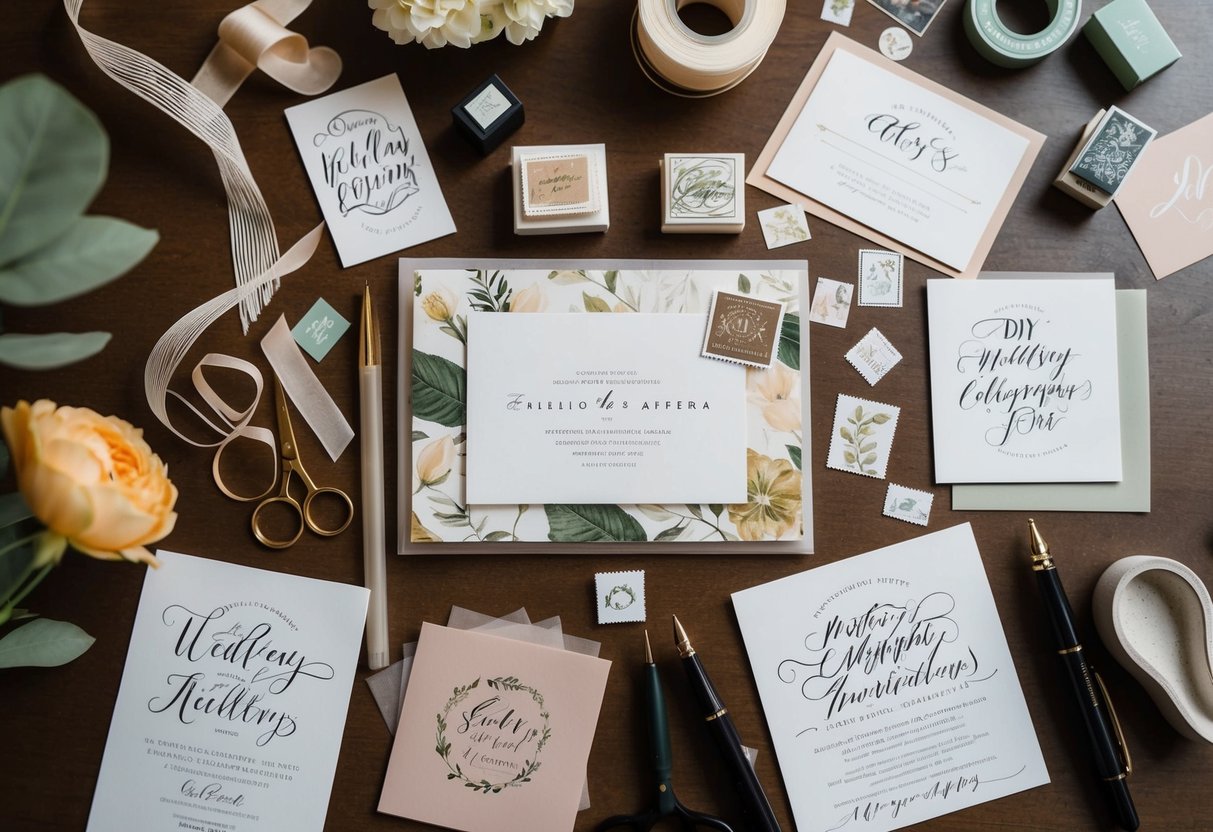
Getting your materials ready is a crucial step in creating beautiful DIY wedding invitations. You want everything to match your style and theme, while keeping costs manageable. Let’s explore what you need to consider when choosing your materials and tools.
Choosing the Right Paper and Embellishments
Start by selecting high-quality paper for your invitations. Common options include cardstock and photo paper. Cardstock is sturdy and works well for printing, while photo paper can add a glossy finish to your designs.
Next, think about embellishments. Lace, ribbon, or metallic accents can enhance your invites. You can also use envelope liners to make your envelopes pop. Look for free wedding invitation templates online to guide your design and aid in sizes.
Don’t forget to consider the color theme of your wedding. Soft pastels, bold colors, or elegant metallics can all set the tone. Choose materials that resonate with your vision to create invites that reflect your special day.
Essential Tools for DIY Crafting
Having the right tools can make your DIY experience smoother and more enjoyable. A paper cutter is essential for clean, straight edges. It saves time compared to scissors and ensures uniformity.
If you’re looking to get creative, a Cricut machine can help you cut intricate designs and shapes easily. It allows you to experiment with different materials, from paper to vinyl.
Other must-haves include adhesive glue sticks or tape, a ruler for measuring, and possibly a bone folder for crisp folds. By gathering these tools, you’ll be all set to bring your creative ideas to life!
Designing and Printing Your Invitations

Creating your own wedding invitations can be a fun and rewarding project. You’ll use design software, finalize your wording, and choose printing techniques that reflect your style and budget.
Utilizing Design Software and Templates
Using design software makes creating your invitations easier. Programs like Canva or Adobe Spark offer user-friendly interfaces and a variety of invitation templates.
You can start with a template that fits your theme, then customize it by adding your colors, images, and text. These platforms often have font pairings to help you find the perfect combinations for a polished look.
Be sure to align your design with your wedding invites’ theme. Consider details like shapes and patterns that match your overall invitation suite.
Finalizing Wording and Details
Getting the wording right is crucial for your invites. Make sure to include essential elements like the wedding date, venue, and time.
You may also want to add extra details on RSVP cards, such as dinner choices or links to wedding websites. Be clear about who is invited, especially if children or plus-ones are included.
Remember to keep the tone friendly and suitable for your guests. Check for any spelling errors before printing to avoid unnecessary mistakes.
Printing Techniques and Tips
When it comes to printing, quality matters. You can choose between home printing or local print shops if you want a professional finish.
If you decide to print at home, use high-quality wedding paper to enhance the look of your invitations. Consider options like linen or glossy finishes for an elegant touch.
Don’t forget to do a test print first. This will help you check if everything aligns correctly and ensures your final product looks great.
Finishing Touches and Follow-Up
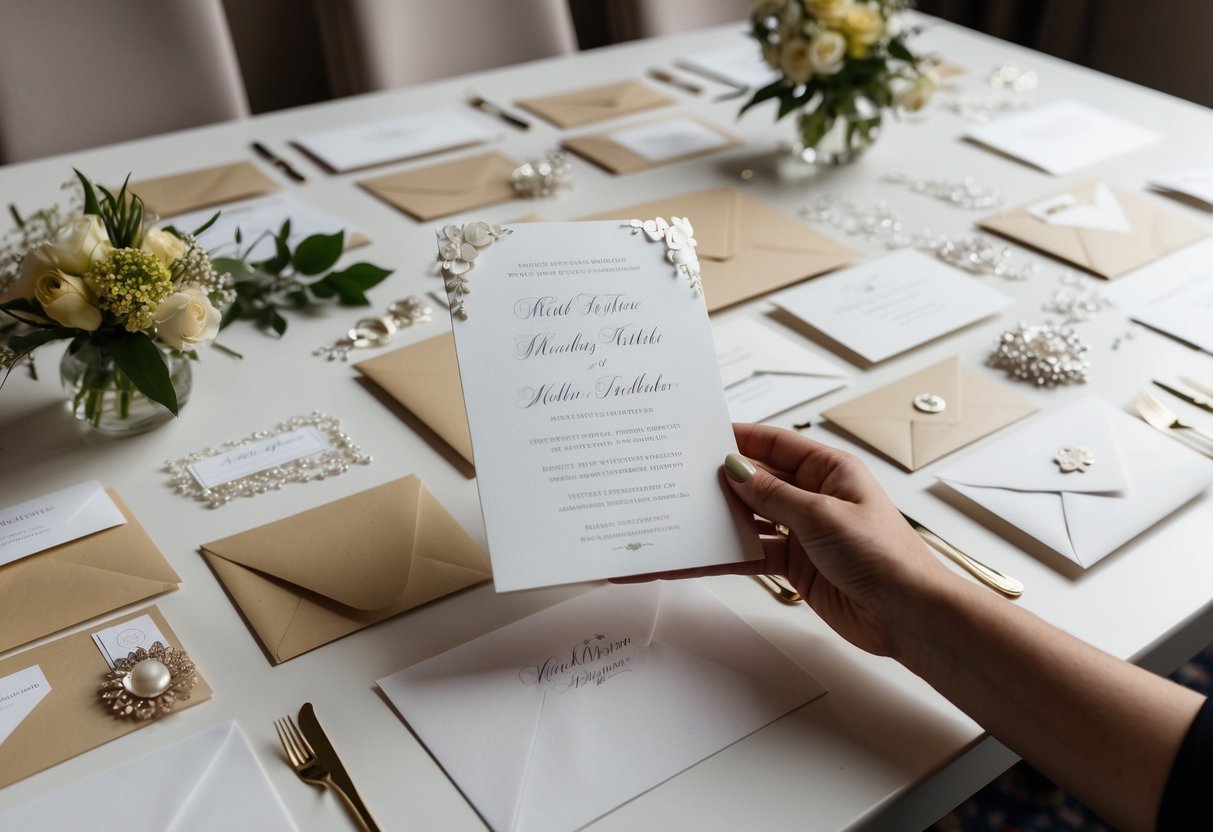
After creating your DIY wedding invitations, it’s time to focus on important details. This includes adding personal touches and managing how you send out your invitations. These final steps can enhance your invitations’ appeal and help keep your planning organized.
Adding Calligraphy and Addressing
Using calligraphy can add a special touch to your invitations. You can either learn the basics of calligraphy or hire someone to do it for you. It makes your invites feel elegant and personalized.
When addressing invitations, consider these tips:
- Use clear handwriting: Make sure your names and addresses are easy to read.
- Include RSVP cards: This helps guests respond easily. Don’t forget to include your return address on the envelopes!
You might even want to tie in a thank you card design that matches your invitations. This maintains a consistent theme throughout your wedding stationery.
Sending Invitations and Managing Responses
Once your invitations are ready, it’s time to send them out! Aim to mail them 6-8 weeks before the wedding. This gives your guests enough time to plan.
To manage responses:
- Create a tracking system: Use a simple spreadsheet for RSVPs. Include guest names, whether they’re attending, and any meal preferences.
- Follow up: If some guests haven’t replied after a few weeks, consider sending a friendly reminder.