
Is It Worth Printing Your Own Invitations? Exploring Cost, Creativity, and Convenience
Printing your own wedding invitations can be a fun and creative way to add a personal touch to your special day. Many couples wonder if the time and effort involved are worth it. In many cases, creating your invitations yourself can save you money, give you more design options, and allow for greater personalization.
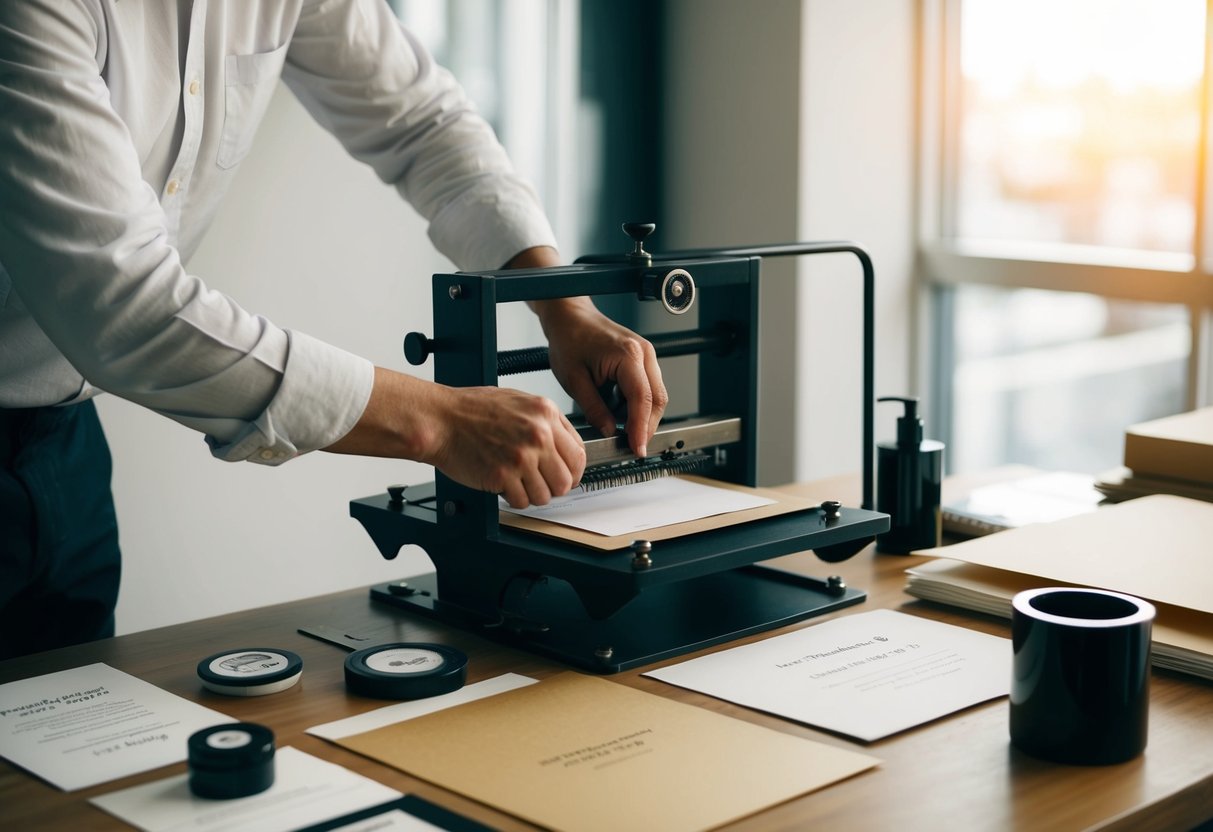
As you consider whether to print your own invitations, think about what’s most important to you. If budget is a key concern, DIY wedding invitations could significantly cut costs compared to hiring a professional. On the other hand, if you value quality and convenience, professional printing might be worth it.
Throughout this article, you’ll explore the pros and cons of printing your own invitations. You’ll also find helpful tips on how to make the process smoother and more enjoyable. From cost savings to creative freedom, learning more about DIY options will help you decide what works best for you.
Assessing the Pros and Cons

When deciding to print your own invitations, it’s vital to weigh the advantages and disadvantages carefully. Key factors include cost-effectiveness, creative control, time investment, and the flexibility to make last-minute changes.
Cost-Benefit Analysis
Printing your own invitations can lead to significant cost savings. The main expenses include materials, ink, and any embellishments. If you already have some supplies, your wedding budget can stretch further.
However, be cautious. If you need to buy high-quality paper or special inks, costs can add up quickly. Custom designs may also require artistic skills or costly graphic design software. Balancing the potential savings with the actual costs is crucial. Make a list of everything you’ll need and compare it to the price of hiring a professional.
Creativity and Customization
Creating your own invitations gives you creative control like no other. You can choose themes, colors, and make personal touches that reflect your style. Whether it’s a simple layout or a hand-drawn illustration, the options are endless.
If you’re crafty, you can add embellishments like ribbons or glitter, making your invites uniquely yours. This level of customization can impress your guests and set the tone for your wedding. However, if you prefer polished custom designs, working with a professional might be a better fit.
Time Commitment
You might not realize how time-consuming creating invitations can be. From designing to printing, and finally, assembling everything, it can add stress to your wedding planning. Be sure to consider how much time you can dedicate to this task.
If you’re working with a tight guest list, set aside several days or even weeks for this project. Keep in mind that last-minute changes can complicate the process. You want to enjoy your wedding preparations, not feel overwhelmed.
Flexibility and Last-minute Changes
One of the perks of printing your own invitations is flexibility. If you need to adjust details—like guest names or event timing—you can easily make those changes. This is especially helpful as your wedding day approaches and plans evolve.
In contrast, working with a printer might mean waiting longer for revisions. If you decide to add last-minute guests, DIY invites allow for quick updates without extra fees. This adaptability can ease some of the stress that comes with wedding planning.
Choosing Your Materials and Design
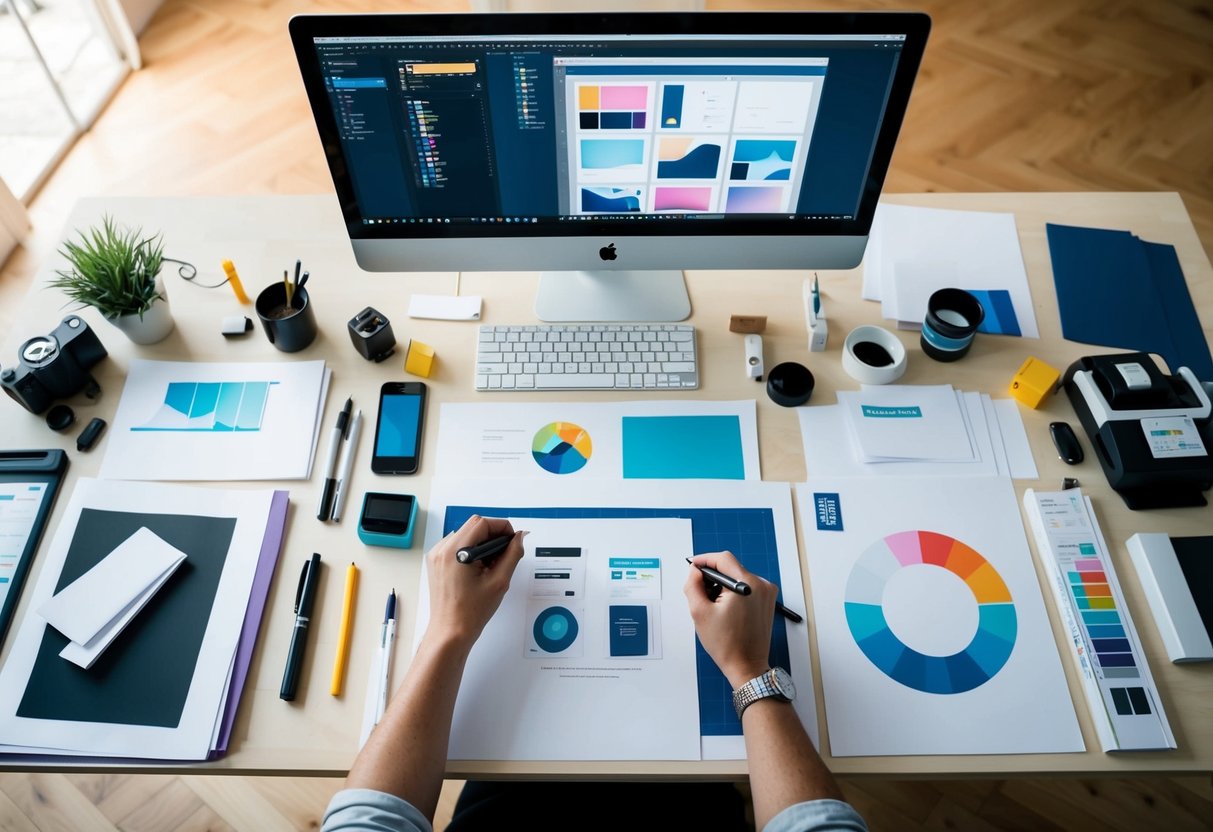
When printing your own invitations, choosing the right materials and design is crucial. The options you select will affect the overall look and feel of your invitations. This section talks about selecting paper, using design software, and adding personal touches.
Selecting the Right Paper
Choosing high-quality paper is important for making your invitations stand out. You can pick from various paper options like cardstock, which provides durability and a nice finish. Textured paper adds a unique feel, making your invite tactile and visually appealing.
Consider the weight of the paper as well. A heavier weight often looks and feels more luxurious. If you want to get creative, try combining different paper types for a layered effect. Don’t forget to account for your budget, as some specialty papers can be more expensive.
Design Software and Templates
Using the right design software can simplify your invitation creation process. Many options are available, ranging from user-friendly templates to graphic design programs.
Templates save you time and provide a good starting point for customizing your invites. Look for software that allows you to easily add your custom crest or images. Simple drag-and-drop tools can help you position text and artwork without a steep learning curve. If you’re feeling ambitious, you can explore graphic design features for a more personalized touch.
Adding Personal Artistry
Your invitations should tell your love story, reflecting your unique style. Adding personal artistry can make your invitations special.
You could use calligraphy for the names and dates, creating a soft, elegant look. Consider incorporating design ideas that represent you as a couple, like symbols or colors meaningful to you. Handmade elements, like hand-painted accents or pressed flowers, can add a charming touch. Don’t hesitate to let your creativity shine; this is your moment to personalize every detail.
The Printing Process
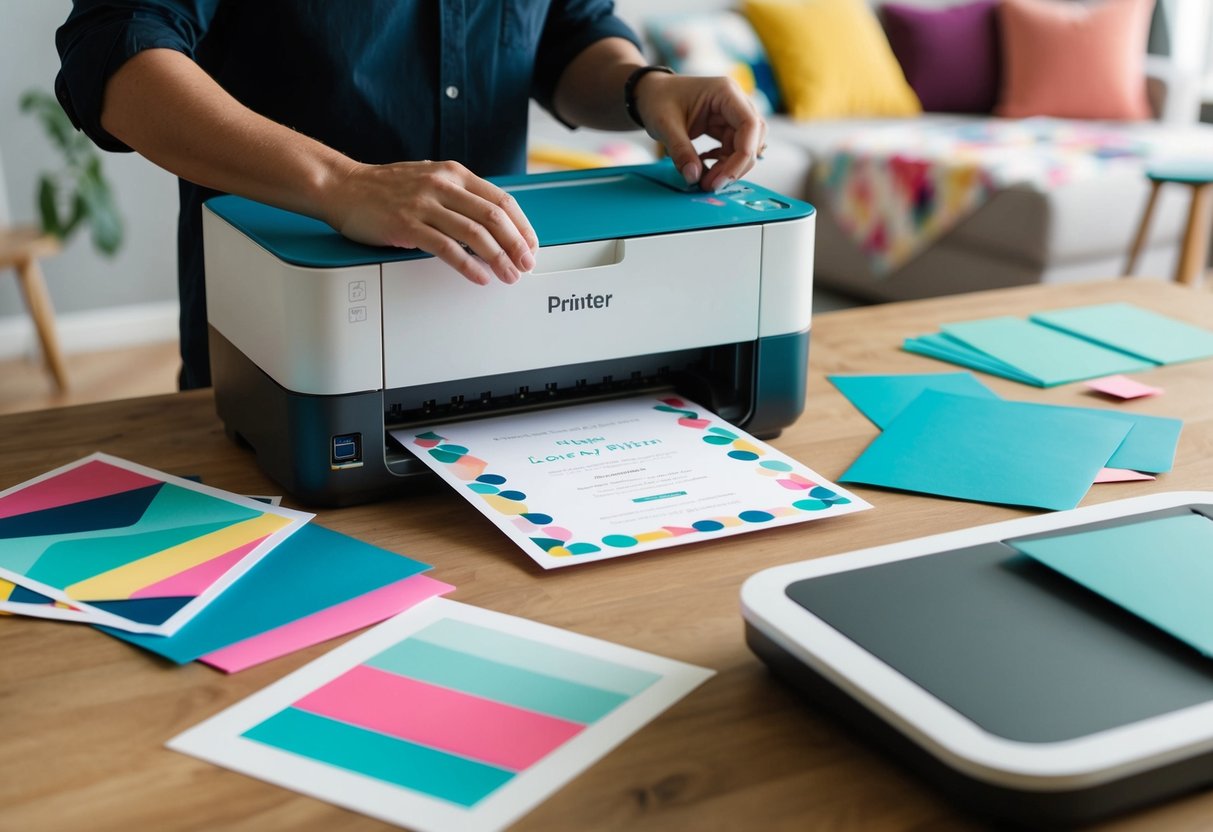
When deciding whether to print your own invitations, you need to think about the printing method, mailing logistics, and the quality of your final product. Each of these factors plays a big role in the overall success of your invitations.
Home Printing Vs. Professional Printing
Printing at home can be a cost-effective option if you have a good printer. Digital printing offers the flexibility to design and print as needed. It’s perfect for small batches or personalized touches like RSVP cards.
However, professional printing provides a polished finish. If you choose to go this route, options like engraving and embossing can add elegance. Remember, professional invitations often come with higher costs, but the quality can be worth it.
Mailing and Postage Considerations
Mailing your invitations requires careful planning. You need to account for the size and weight of your envelopes, as this affects postage costs.
If your invitations include extra items like RSVPs or inserts, be mindful of the added weight. Use a postal scale to ensure you’re paying the correct postage. You might also want to consider thicker envelopes, as they can better protect your beautiful invites during mailing.
Ensuring Quality and Attention to Detail
Attention to detail is crucial when printing invitations. Double-check your designs for typos or layout issues before printing. Use high-quality paper for a professional look.
When printing at home, do test prints first to check colors and alignment. For professional printing, review samples if possible. Ensuring your invitations are perfect will help set the tone for your special event.
Implementation and Assembly

When you decide to print your own invitations, it’s important to have a clear plan for both assembly and design. This part of the process can greatly impact the quality and style of your wedding stationery. Here’s how to get started.
The Assembly Line
Setting up an assembly line can make the process smooth and efficient. Gather all your materials first: printed invitations, envelopes, envelopes seals, and any additional items like RSVP cards or details inserts.
Use a paper cutter to trim any excess paper neatly. Having sharp tools is essential for a clean finish. Organize your workspace so you can easily access everything.
Consider creating separate stations for each step. For instance, have one spot for stuffing envelopes and another for sealing them. This way, you can move quickly and keep everything in order.
Avoiding Common Mistakes
Being careful during assembly helps avoid errors that can frustrate you later. First, double-check that all your printed materials are correct. Spelling errors or incorrect information can ruin the invitation’s impact.
Another common issue is misaligning the pieces. Make sure each element sits neatly within the envelope. Take your time when sealing so you don’t damage the invitations.
Keep an eye on the amounts of each piece. Having enough envelopes and inserts is vital to avoid last-minute runs to the store.
Incorporating Your Wedding Theme
Your invitations should reflect your wedding theme. This will enhance the overall experience. Choose colors, fonts, and styles that match your vision. If you have a vintage theme, consider classic fonts and natural paper.
One of the main perks of DIY invitations is creative freedom. Use design tools or simple templates to add personal touches. Think about embellishments, like ribbons or custom seals.
Your wedding theme can also guide the choice of printing options. If you’re going for a rustic look, handmade paper can add charm. Always keep the theme consistent across all wedding stationery, from invites to thank-you cards.