
Is My Wedding a Destination Wedding? Understanding the Definition and Criteria
Planning a wedding can be exciting, but it also raises many questions, like whether your wedding qualifies as a destination wedding.
A wedding is considered a destination wedding if it takes place in a location away from your hometown and typically requires travel for you and your guests.
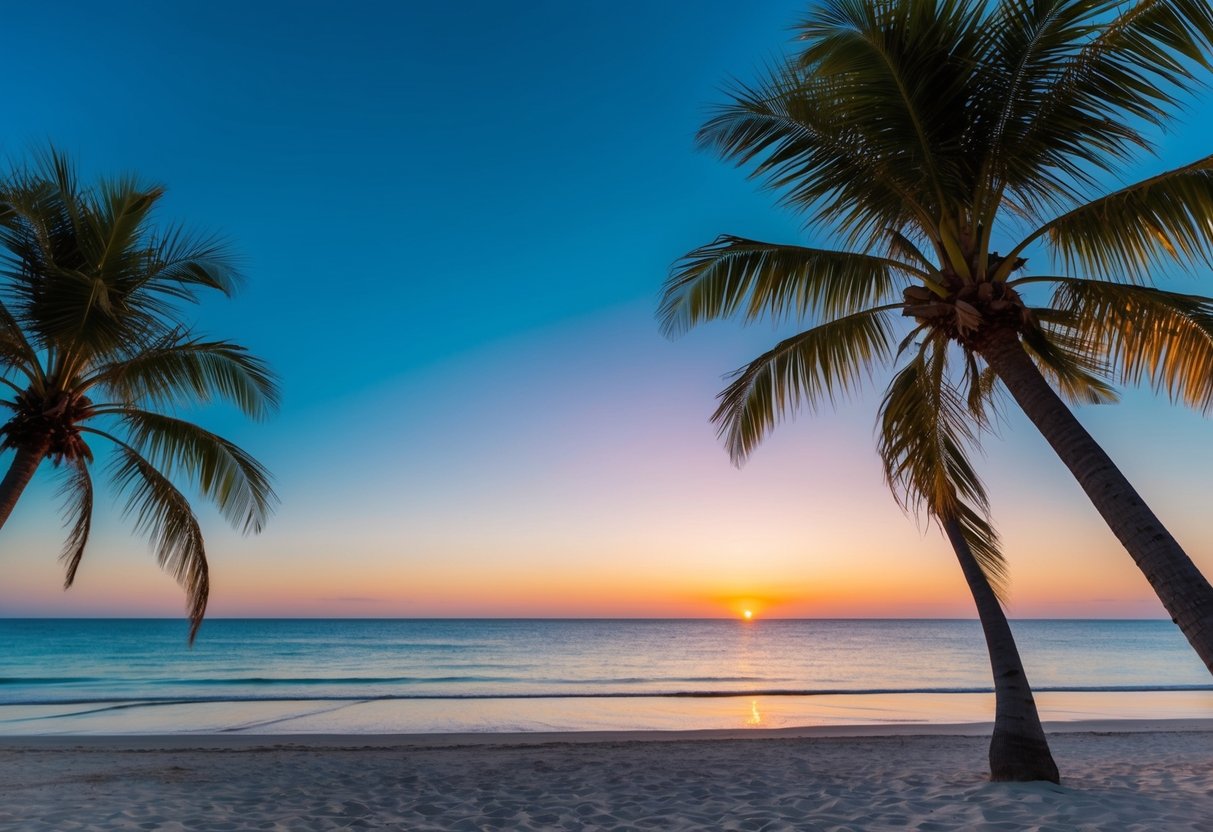
If you’re thinking about a beach ceremony, a mountain retreat, or a charming venue in another country, you might be on the path to a destination wedding. These events often create memorable experiences, not just for you but for your guests as well.
Understanding what makes a wedding a destination affair can help you decide if it’s the right choice for you. From budget considerations to location options, diving into the details can lead you to the wedding of your dreams.
Understanding Destination Weddings
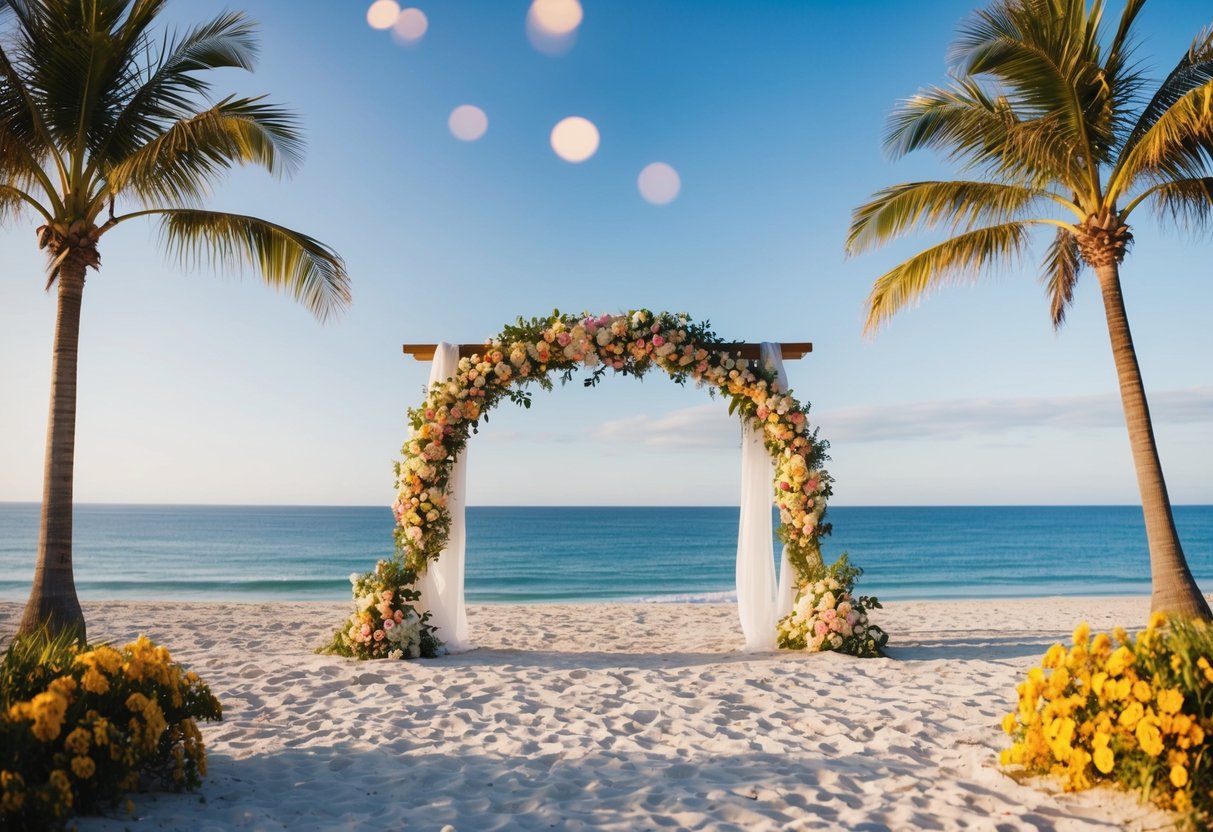
When planning a wedding, you might wonder if yours qualifies as a destination wedding. This type of wedding often takes place in a location away from your hometown, creating a unique experience. Let’s explore how to define these weddings, popular locations, and the difference between domestic and international choices.
Defining a Destination Wedding
A destination wedding usually occurs in a location that is considered a vacation spot. This can mean anywhere from a beach in Mexico to a charming villa in Tuscany. What makes it a destination wedding is that it’s not just a ceremony; it’s an event where guests travel to celebrate with you.
Typically, these weddings have smaller guest lists. Couples often choose to invite only close friends and family. This setting can make the celebration feel more intimate. Many couples find that this type of wedding reduces stress by removing some traditional pressures associated with large hometown events.
Popular Wedding Destinations
There are many beautiful places to consider for your dream destination wedding. Mexico ranks high on the list, with its stunning beaches and lush resorts. The Caribbean is another favorite, offering breathtaking ocean views and luxurious venues.
Other popular wedding destinations include Costa Rica, known for its natural beauty, and Europe, where places like Santorini and the Amalfi Coast capture hearts. Each destination offers unique charms and settings. The right choice depends on your style, preferences, and budget.
Domestic vs. International Locations
Considering domestic vs. international destinations can be important for your planning. Domestic weddings, like those in the U.S., often provide easier logistics. You can obtain marriage licenses more seamlessly, making your planning simpler.
International weddings offer a wonderful escape, but they can come with more hurdles. Travel documentation, customs, and language barriers might arise. Some couples love the adventure of a faraway wedding, while others prefer the convenience of staying closer to home. Your choice should reflect your vision for the day and your guests’ comfort.
Planning Your Destination Wedding

Planning your destination wedding involves several important steps. You’ll want to choose the right venue, arrange accommodations for guests, create a helpful wedding website, and decide if hiring a wedding planner is right for you.
Choosing the Perfect Venue
Selecting a venue is one of the most exciting parts of your planning. Consider locations that resonate with you and your partner’s style. You might think about beachfront resorts, charming vineyards, or even historic sites.
Look for venues that offer wedding packages that fit your needs. Many venues provide all-inclusive options, which can simplify planning. Be sure to visit or view photos of different locations. This will help you visualize how your day will look.
Don’t forget to ask for personalized venue recommendations from friends or family. You can also check resources like The Knot for reviews and suggestions.
Organizing Accommodations and Room Blocks
Once you have your venue, it’s time to arrange accommodations for your guests. Many couples set up a room block at a nearby hotel or resort to make it easier for everyone.
Contact hotels to discuss group rates and available rooms. It helps ensure that your guests are all in the same place. Also, consider the distance from the venue to minimize travel time.
Provide information about accommodations on your wedding website. Include links to book rooms and details about discounts. This way, everyone has what they need for a stress-free stay during your celebration.
Creating a Wedding Website
A wedding website is an excellent tool for sharing important details with your guests. Start with the basics: your love story, wedding date, and location.
Make sure to include travel information, such as how to get to your destination and local attractions. You can provide tips on activities in the area, making it easier for guests to plan their trip.
Consider adding an FAQ section to address common questions. This can be about dress codes, transportation, or what to expect on the day. A wedding website keeps everyone informed and excited about your big day.
Hiring a Wedding Planner
If planning feels overwhelming, hiring a wedding planner can be a great option. A planner specializes in organizing destination weddings, which means they know the ins and outs of the area.
They can help you find the perfect venue and manage vendor communications. This saves you time and reduces stress about logistics.
When choosing a planner, look for one experienced with destination events. Check their reviews and ask for references. A good planner will assist you throughout the process, ensuring that your wedding is seamless and enjoyable.
Enhancing the Guest Experience
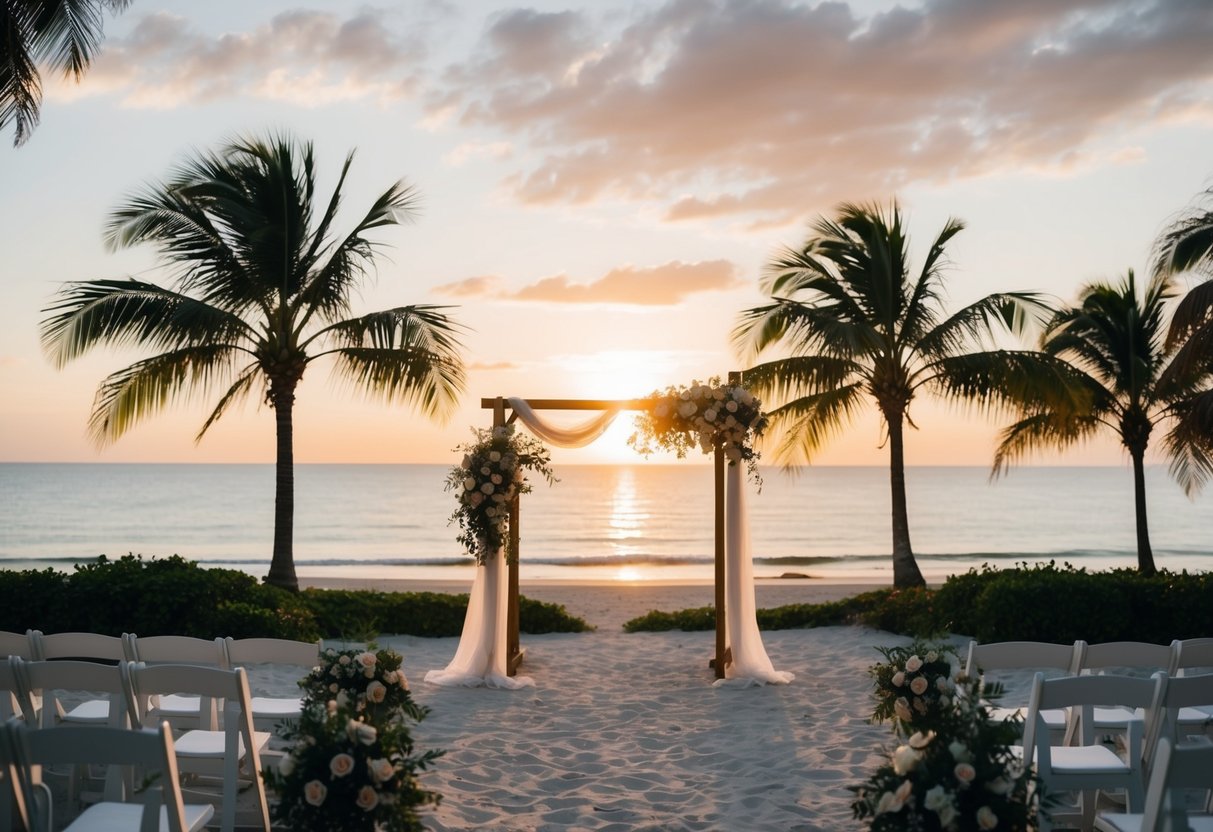
Creating a memorable wedding for your guests involves careful planning. You want to ensure they feel welcomed and engaged throughout the celebration. Here are some key elements to consider.
Managing Wedding Guests’ Expectations
Clear communication is vital. Start by sending out save-the-dates and invitations that detail the location, travel information, and accommodations. A wedding website can serve as a helpful resource, providing updates on the schedule and local attractions.
Make sure your guests know what to expect regarding attire. Will it be casual, formal, or themed? If your wedding is in a warmer climate, suggest lighter fabrics. Providing a packing list can help them prepare.
You might also consider providing information on weather conditions. This ensures guests are prepared for any surprises during their stay.
Wedding Etiquette for Destination Ceremonies
Destination weddings often mean guests will incur additional travel expenses. As a host, consider covering a few basics. For example, you could arrange for airport transport or offer welcome bags with snacks and local maps.
It’s courteous to invite a plus-one, especially for guests traveling alone. This fosters a sense of companionship.
Sending thank you notes post-wedding is also essential. Acknowledge their efforts in attending your special day. A small gesture like this leaves a lasting impression.
Fun Activities for Guests
Incorporating fun activities into your wedding weekend can enhance the experience. Consider planning group outings such as a local tour, a beach day, or a shared meal at a nearby restaurant. This encourages bonding among attendees.
Another option is to offer a “welcome party” before the main event. This informal gathering allows guests to mingle and relax.
You could organize a casual brunch after the wedding. It’s a nice way to extend the celebration and hear stories from the big day.
Adding these activities makes your wedding more than just a single event. It transforms it into a memorable experience for everyone involved.
Budgeting and Costs
When planning your wedding, it’s important to keep an eye on expenses. Understanding your wedding costs, considering guest numbers, and finding the best quotes can help make your dream day a reality without breaking the bank.
Calculating Your Wedding Costs
Start by listing all the potential expenses. This includes venue fees, catering, decorations, and photography. Destination weddings often require additional items like travel and accommodations for you and your guests.
Breaking down your budget might look like this:
- Venue: $2,000 – $10,000
- Catering: $50 – $150 per guest
- Photography: $1,500 – $3,000
Keep in mind that average costs for destination weddings can vary greatly. For example, the average destination wedding in the U.S. was around $41,000. Knowing the specifics can help you plan smarter.
Benefits of Having Fewer Guests
Choosing to have a smaller guest list can lead to significant savings. Each guest adds to your costs, including catering, seating, and invitations.
Here are a few financial benefits of fewer guests:
- Catering savings: A smaller group means less food and drink, potentially saving thousands.
- Venue options: Smaller venues may charge less, giving you more choices within your budget.
- Personal touch: An intimate gathering allows for more meaningful experiences and connections with your closest friends and family.
You might find that a guest list of 50 instead of 100 could save you $10,000 or more depending on your location.
Free Quotes for Wedding Packages
Getting free quotes can save you time and money. Many venues and vendors offer package deals that include services like catering, furniture, and decorations. It’s a great way to simplify planning while sticking to your budget.
When you reach out to vendors, make sure you are clear about what you need.
Consider these points:
- Ask for detailed breakdowns of each package.
- Compare multiple quotes to see where you can save.
- Look for reviews and recommendations to make informed choices.
Many websites can help you gather quotes easily. Take your time and find out what fits best for your vision and budget.