
Is Only the Bride Allowed to Wear White? Exploring Wedding Traditions and Dress Codes
Weddings are beautiful celebrations, and the choice of attire is often a topic of great interest. Many people wonder why the bride traditionally wears white and if anyone else is allowed to join in on this color. Traditionally, only the bride is expected to wear white, symbolizing purity and innocence during her special day.
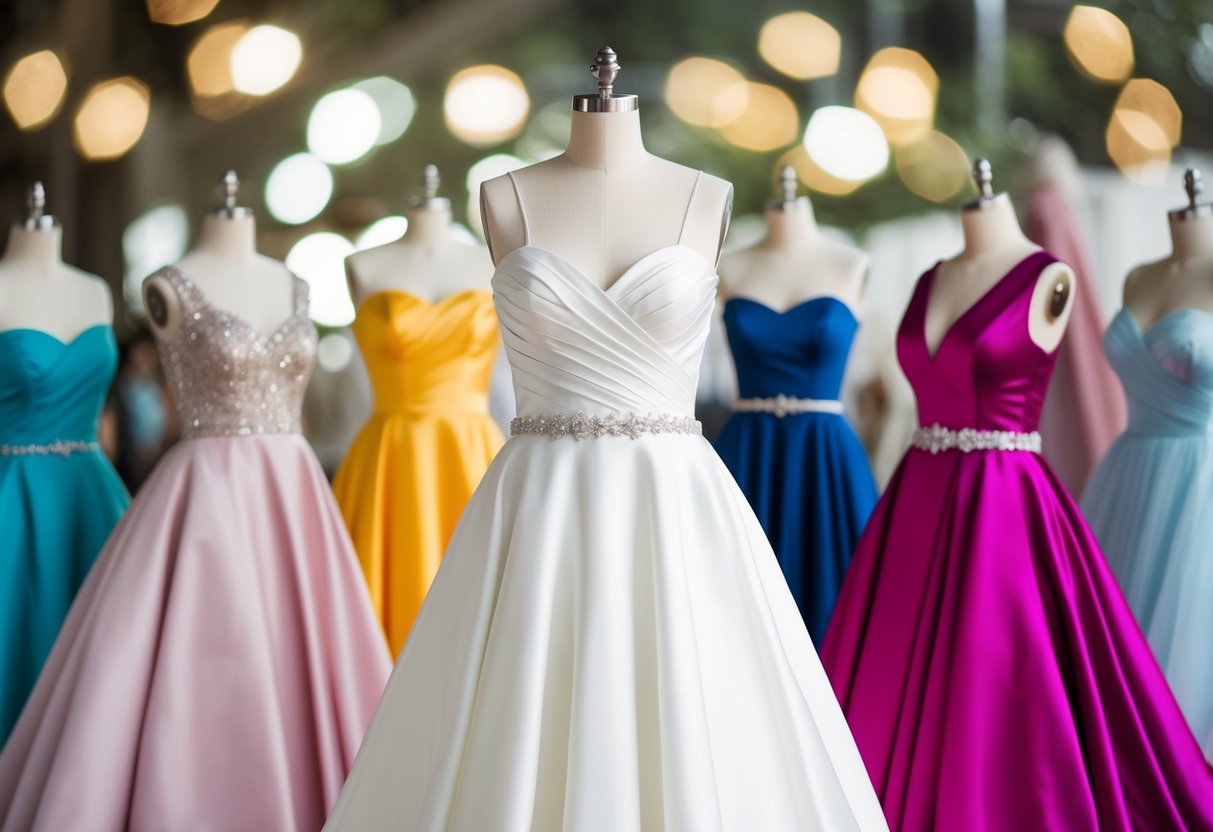
While this tradition has deep roots, especially since Queen Victoria started the trend in the 19th century, modern interpretations are evolving. You might notice that some couples are embracing new styles and colors for weddings, challenging the idea that white is exclusive to the bride.
If you’re attending a wedding and considering wearing white, it’s helpful to know the traditional etiquette around this color choice.
Exploring the historical significance and modern perspectives on this practice can provide valuable insights for your own wedding attire decisions or when choosing what to wear as a guest.
Origins of the White Wedding Dress
The white wedding dress has an interesting history that shows how culture shapes traditions. You will learn about the role of Queen Victoria in making white dresses popular and how different cultures viewed wedding attire over time.
The Influence of Queen Victoria
Queen Victoria played a key role in popularizing the white wedding dress. In 1840, she wore a white silk gown for her marriage to Prince Albert. This choice was surprising because, before her, brides wore dresses in various colors.
Victoria’s wedding sparked a trend. Many women began to see white as the color that represented purity and new beginnings. The dress was beautiful and unique, making it a symbol of royal elegance. Women wanted to emulate her style, making the white wedding dress a lasting tradition.
Today, you can still see this tradition in many weddings around the world. While not every bride chooses white, Victoria’s influence ensures that it remains a popular option.
Cultural Significance Through History
Wedding dresses have differed across cultures for centuries. While the tradition of wearing a white dress became strong in the West, other cultures have their own customs.
For example, in some cultures, red symbolizes good fortune. Brides have worn this color for centuries during their ceremonies. Even black dresses were once accepted in certain traditions, showing that the choice of color often reflects the culture.
The white dress symbolizes purity and the beginning of married life. This idea took hold in Western societies as more brides adopted the look. As you can see, the cultural significance of wedding attire has evolved, influenced by history and customs across the globe.
Modern Interpretations of Bridal Attire
Bridal fashion has evolved significantly, allowing for personal expression beyond traditional norms. Many brides today choose colors and styles that best represent their individuality and life experiences. This section explores different aspects of modern bridal attire.
Colored Dresses and Changing Trends
More brides are opting for colored dresses instead of the classic white wedding gown. This trend reflects personal style and the desire for uniqueness.
Colors like blush, champagne, and even bold shades like red and black are becoming popular choices. These colors can symbolize different meanings, such as love or elegance.
Many brides believe that wearing a color that resonates with them creates a deeper emotional connection to their special day.
Fashion designers are responding to this trend, offering a wider range of bridesmaid dresses and gowns that embrace a spectrum of hues. You can find options that blend well with your wedding theme and personal taste.
Significance of Dress Color on the Wedding Day
The color of your dress can carry special significance on your wedding day. For many, white symbolizes purity and innocence, a traditional choice for first-time brides.
However, colored dresses can reflect new beginnings and personal stories. For those getting married for the second or third time, wearing a different color might signify growth and a fresh start.
It’s important to choose a dress that matches not only your style but also your journey. For many, this can be more meaningful than following tradition.
The Debate on White for Second and Third Marriages
The choice of wearing white for second or third marriages can be a topic of debate. Some believe that white is reserved for first-time brides, while others feel it symbolizes love, no matter how many times you’ve married.
Many brides now feel empowered to wear white again, embracing love in all its forms. It can represent hope, joy, and a celebration of new beginnings.
Ultimately, your choice should reflect your feelings and personal journey. Wearing white, colored, or any design you love celebrates your unique story. Enjoy this special moment, no matter the tradition.
Wedding Etiquette and Guest Attire
When attending a wedding, understanding the dress code is important. You want to dress appropriately while honoring the couple’s special day. Here’s what to keep in mind about wedding guest attire and the rules surrounding wearing white.
Understanding the Dress Code
Weddings often have specific dress codes, ranging from casual to black-tie. It’s essential to pay attention to the invitation for clues about what to wear.
Common dress codes include:
- Casual: Lightweight dresses or nice slacks can work.
- Cocktail: Opt for a nice dress or dressy pants.
- Black-Tie: Formal attire like a long evening gown or tuxedo is expected.
As a wedding guest, your outfit should reflect the celebration’s joy. Remember to consider the couple’s preferences and venue, as these can influence your choice of attire.
Is White Just for the Bride?
Traditionally, white attire is reserved for the bride. This custom exists to make the bride stand out on her special day. While some couples relax this rule, it’s best to err on the side of caution.
If you wear white, think about these guidelines:
- Colors to Avoid: Off-white, cream, and pale colors can also be confusing.
- Exceptions: If the couple states differently in the invite, it may be fine.
Always check with the couple or the mother of the bride if you’re unsure. Understanding these etiquette rules helps maintain the spirit of the event and respects the bride on her big day.
The Symbolism of White in Weddings
When you think about a wedding, the color white often stands out. Many people have long linked it to ideas of purity, innocence, and virtue. This connection comes from traditions that date back many years.
The white wedding dress became popular in the 19th century when Queen Victoria wore one for her marriage. Since then, many brides have chosen this color to symbolize a fresh start and a new life.
In many cultures, wearing a white wedding gown is a way to honor the traditional view of love and commitment. The color helps express your hopes for a beautiful future together.
Some may view white as a symbol of purity and virtue. However, many brides select white simply because they love the way it looks.
Today, anyone can choose to wear a white dress, reflecting personal choice and individuality. The tradition of white in weddings has evolved, allowing you to decide what it means for you on your special day.
Ultimately, white brings a sense of unity and celebration, creating a joyful atmosphere among family and friends. This color can help make your wedding a memorable gathering filled with love.