
Is Proxy Marriage Legal in the UK? A Clear Guide to the Rules and Regulations
When considering a unique way to tie the knot, you might wonder if proxy marriage is recognized in the United Kingdom. This practice involves one or both partners being represented by someone else during the ceremony. It can seem convenient for couples separated by distance. However, UK family law does not accept proxy marriages as valid within its borders.

If you are thinking about marrying by proxy overseas, it’s essential to know that the UK might recognize these marriages if they comply with the laws of the country where the marriage took place. Understanding the rules surrounding proxy marriage can help you make informed choices about your relationship and future together.
Navigating the legalities of marriage can be tricky. Whether you’re in a long-distance relationship or considering your options, learning about proxy marriage is crucial to avoid complications.
Stay with us as we explore the details and implications of this unique form of marriage in the UK.
Legality of Proxy Marriages in the UK
Proxy marriage can be a complex topic in the UK, primarily governed by family and international law. It’s important to know what constitutes valid marriage here and under what circumstances proxy marriages might be recognized.
Family Law and Marriage Requirements
In the United Kingdom, proxy marriages are generally not recognized. This means that if you’re considering a marriage by proxy, both parties must be physically present at the ceremony.
The law requires that both partners meet certain criteria. You need to provide a marriage certificate, verify your identity, and ensure you are not already married to someone else. If the marriage is deemed a sham, legal repercussions may follow.
Be aware that some individuals may have alternative experiences in other countries where proxy marriages are legal. In such cases, UK law may not validate these unions unless they meet specific requirements.
International Law and Proxy Marriages
International law can add another layer of complexity to proxy marriages. While some countries allow marriages by proxy, the UK’s legal system doesn’t recognize them.
You might find that if both parties are domiciled in a country that accepts proxy marriages, the UK courts might consider this when evaluating a case related to marriage validity.
In these situations, you must provide strong evidence to show the legitimacy of your marriage. If accepted, this could influence any immigration-related matters, especially if applying for a partner visa.
Immigration Implications of Proxy Marriages
Proxy marriages can have specific immigration implications in the UK. It is vital to understand the conditions related to residence and civil partnerships as well as the proof required for indefinite leave to remain.
Residence and Civil Partnership Conditions
If you are in a proxy marriage, your immigration status can depend on how your marriage is recognized. In the UK, proxy marriages are generally not recognized unless they meet specific legal standards established by UK law.
You must demonstrate that your relationship is genuine and that you have been living together. This may involve providing documents like joint bank statements or utility bills. Immigration rules stress the importance of a durable relationship. Ensure you have a certified translation if any documents are not in English.
Indefinite Leave to Remain and Relationship Proof
To qualify for indefinite leave to remain, you need to prove your relationship is enduring and subsisting. This means you must provide strong evidence that your marriage or civil partnership is genuine.
You will face the burden of proof, which means you need to present various documents, such as photographs and correspondence. An official marriage certificate showing the legality of your marriage is crucial. The UK immigration authorities require clear and convincing proof to support your application, so gathering all necessary documentation ahead of time is essential.
Recognition of Foreign Proxy Marriages in the UK
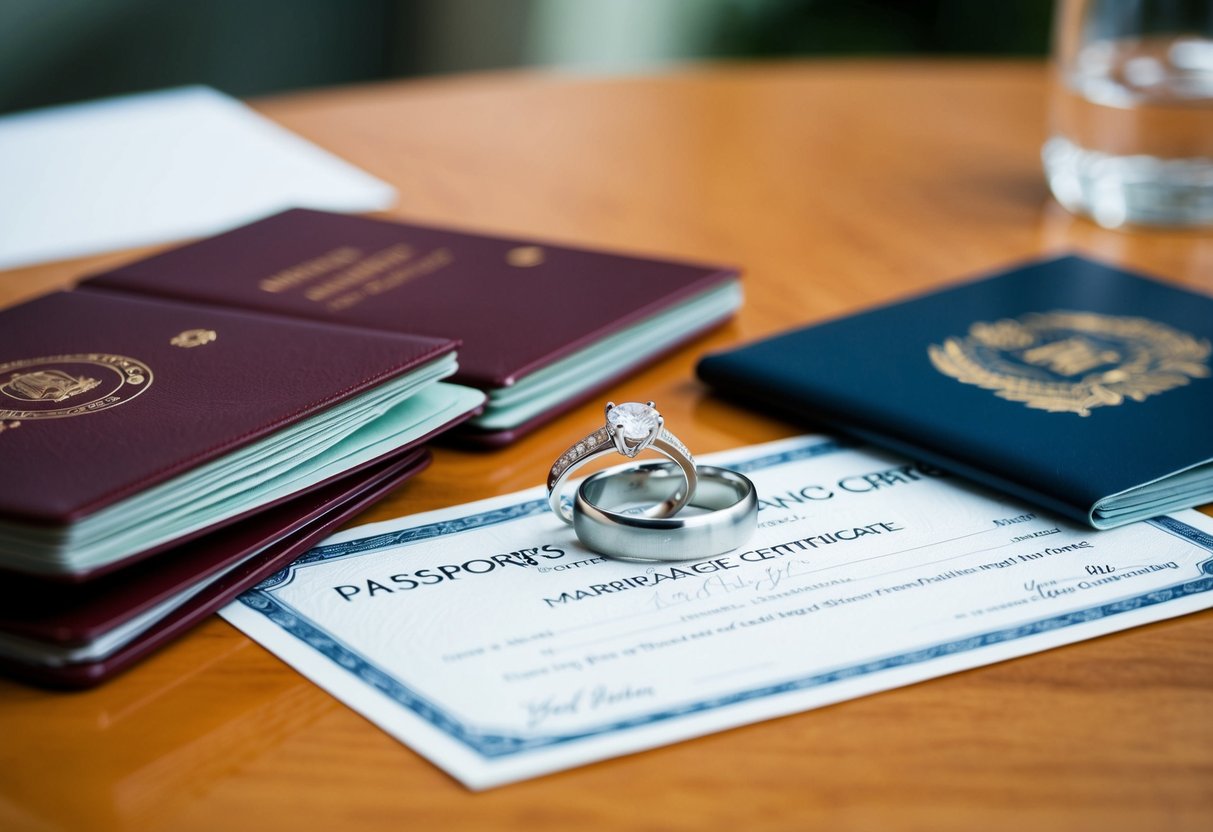
When it comes to proxy marriages, the laws can vary widely by country. Understanding how foreign proxy marriages are treated in the UK is essential for people in such unions. This section explores the recognition of these marriages and their relationship to human rights.
Proxy Marriage States and UK Recognition
In countries like Montana, Texas, Colorado, and California, proxy marriages are legal. This means that one party can be represented by a proxy during the marriage ceremony. However, the UK does not recognize proxy marriages conducted abroad unless specific conditions are met. Marriages performed under the laws of Scotland have different rules, but even there, not all proxy marriages receive acknowledgment.
For a foreign proxy marriage to be recognized in the UK, it must comply with UK law and be valid in the jurisdiction where it took place. If you find yourself in such a situation, consulting with legal professionals is a good idea to ensure compliance with the regulations.
Human Rights and Marriage
Human rights play a significant role in marriage laws around the globe. The right to marry is protected under international law. Yet, this doesn’t guarantee recognition in every country. In the UK, issues arise for couples from regions where proxy marriages are common.
While the UK may not recognize such unions automatically, this can lead to complications regarding residency and immigration rights. Couples may face challenges if they try to assert their marriage rights under UK law. Seeking professional advice can help clarify your status and ensure your rights are protected.
Cultural Considerations and Proxy Marriage
When exploring proxy marriages in the UK, it’s essential to consider cultural perspectives. Some cultures, including those that follow Sharia law, recognize proxy marriages. In these traditions, a representative can stand in for one of the parties during the marriage ceremony.
In the United Kingdom, proxy marriages aren’t legally recognized. This means that if you marry by proxy, your marriage may not be valid under UK law. This can create complications, especially if you are trying to apply for a partner visa.
If you’re in a committed relationship but not legally married, it’s important to know your options. You might consider becoming an unmarried partner, which has its own requirements. To qualify, you generally need to live together for a certain period and show proof of your relationship.
For couples with differing cultural backgrounds, understanding these legal aspects is crucial. Discussing your views and expectations openly can help avoid misunderstandings later. If you plan to have a traditional ceremony that includes proxy elements, be informed about how it interacts with UK law.
Communicating with your partner about arrangements—especially if you are engaged or planning to marry—can help both of you feel comfortable with the legal steps you take. Stay informed, and seek advice to navigate your unique situation successfully.