
Is Telephone Marriage Legal in the UK? Exploring the Rules and Regulations
If you’re considering getting married over the phone, you may wonder about its legality in the UK. Telephone marriages are not recognized under UK law if one party resides in the UK. This can lead to confusion for those looking to tie the knot from a distance.
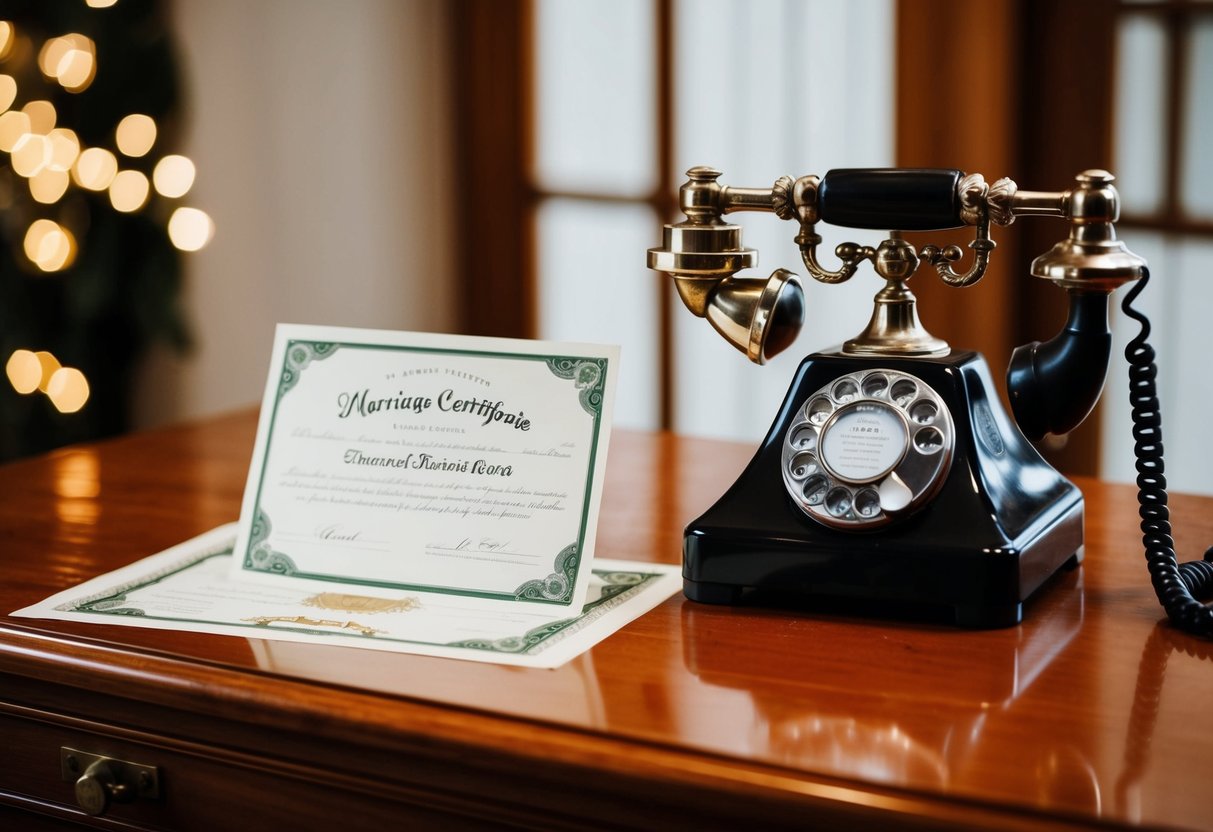
With the rise of technology, couples often seek alternatives to traditional ceremonies. While many might think a quick call can suffice, it’s important to understand the legal implications before making any plans.
If you’re interested in knowing more about the rules governing marriage and civil partnership in the UK, it’s crucial to explore the details to ensure your union is valid and recognized. Understanding these regulations can help save you from future complications.
Legal Framework for Marriages in the UK
In the UK, marriage laws are designed to protect the rights of individuals while ensuring the validity of marriages. Understanding these laws is essential for anyone considering getting married.
Understanding UK Marriage Laws
Marriage in the UK is governed by specific laws that vary slightly between England, Wales, Scotland, and Northern Ireland. The legal age for marriage is 18, and both parties must give full consent. Most marriages are conducted through religious or civil ceremonies. The legal framework includes the Marriage Act 1836 and subsequent laws, which set out important rules.
For example, you may need to provide a notice of marriage at your local registry office prior to tying the knot.
Requirements for a Valid Marriage
To ensure a valid marriage, several requirements must be met. These include the minimum age, voluntary consent, and proper notice.
The notice of marriage must be given at least 28 days before the wedding, and you should include details about where the wedding will take place. It must occur in a register office, approved premises, or an officially registered place of worship.
Remember, both parties must not be related and must have the mental capacity to consent. If all these criteria are met, your marriage will be legally recognized.
Specifics of Civil Partnerships and Ceremonies
Civil partnerships provide an alternative to traditional marriage. They are available for same-sex couples and now for opposite-sex couples as well. These partnerships allow couples to enjoy similar legal rights as marriage.
Civil ceremonies can take place in various venues, just like marriages. You must still give notice and meet the same consent requirements as in marriages.
In England and Wales, civil partnerships offer unique legal protection and recognition while being distinct from marriage. Ensure you follow all legal requirements to have a valid ceremony.
Marriage by Proxy and Alternative Methods
When exploring options for marriage in the UK, proxy marriage and alternative methods like telephone and online marriages are important to understand. These methods can provide legal recognition, but they also come with specific rules and considerations.
Proxy Marriage in the UK Context
Proxy marriage allows one or both partners to be represented by another person during the ceremony. This method is not recognized by law in England and Wales. However, it may be valid if conducted according to laws in countries where proxy marriages are legal.
For instance, if you are from a country like Pakistan, and you have a proxy marriage there, the UK may recognize it if it meets legal requirements. You must be able to prove the marriage’s validity under both UK law and the law of the country where it was performed.
Telephone and Online Marriages
Telephone marriage is another alternative to traditional ceremonies. In this case, couples exchange vows over the phone.
Just like proxy marriages, the UK only recognizes telephone marriages if they comply with laws from the country where they took place.
Online marriages, similar to telephone marriages, are gaining popularity. Some countries have legalized online ceremonies, but you need to ensure they meet specific legal standards.
It is essential to check the validity of marriage laws, especially if you are outside the UK. Knowing these rules helps protect your rights and ensures your marriage is recognized.
International and Immigration Aspects
When it comes to marriage, especially across borders, there are specific rules you need to know. Different countries have varying laws that affect how marriages are recognized. This is especially important if you or your partner are dealing with UK immigration rules.
Cross-Border Marriage Recognition
If you get married outside the UK, your marriage may still be recognized here. The key is that the marriage must comply with the laws of the country where it took place.
For example, if a couple from the UK marries in a country that allows “telephone marriages,” this might not be valid in the UK. Always consider the local laws and the requirements needed to prove your marriage, like providing documentary evidence.
Marriage and UK Immigration
If you are in the UK on a visa for more than six months and you marry, you need to inform the Home Office. This is crucial for anyone applying for a visa or seeking indefinite leave to remain.
If you’re a same-sex couple looking to marry, the rules are the same as for opposite-sex couples. You may need to show your marriage certificate as part of your immigration application.
If you are from the EU and have used the EU settlement scheme, ensure your status reflects your new marital status, as it can affect your residency rights.
Safeguarding Against Forced Marriages

It is important to understand the laws and support systems in place for preventing forced marriages. Knowledge of legislation and protective measures can empower you to act if you or someone you know is at risk.
Legislation on Forced Marriages
In the UK, forced marriage is illegal under the Anti-Social Behaviour, Crime and Policing Act 2014. This law makes it a crime to force someone into marriage against their will.
When someone is at risk, they can apply for a Forced Marriage Protection Order (FMPO). This order can prevent their family or others from carrying out a forced marriage.
Law enforcement and social services take this matter seriously. They have specific guidelines to handle such cases sensitively. If you feel threatened or believe someone is at risk, it is essential to report it to the Forced Marriage Unit. They are equipped to provide guidance and support.
Protective Measures and Support
If you are facing a forced marriage, several protective measures are available. First, you can contact local authorities or the Forced Marriage Unit for help. They can assist you in acquiring a Forced Marriage Protection Order, which helps keep you safe.
Support is also available through various organizations that specialize in helping victims of forced marriage. These groups can offer counseling, legal advice, and other resources. If you are in immediate danger, contacting the police is crucial.
You can reach out for help without judgment. Protecting your rights and safety is the priority. Always know that you are not alone and that there are people willing to support you through difficult times.