
Is the Bride Supposed to Buy the Bridesmaid Dresses? Clarifying Wedding Traditions
A common question that arises in wedding planning is who pays for the bridesmaid dresses. Traditionally, the bride or her family covers the cost of the dresses, but modern weddings often see a more flexible approach. The decision really depends on your budget and the style of the wedding you envision.

If you’re in the bridal party, it’s helpful to understand the typical expectations surrounding this topic. Sometimes, bridesmaids take on all or part of the cost, especially if the dresses are more expensive. This shift in tradition allows for a more collaborative experience among the bridal party.
As you navigate this part of the wedding planning, consider your options and communicate openly. Understanding who pays for bridesmaid dresses can help you avoid any surprises and ensure everyone feels comfortable with their roles in the celebration.
Understanding Bridesmaid Expenses
Being a bridesmaid is an exciting role, but it comes with financial responsibilities. It’s important to know who pays for what and how expenses can add up quickly.
Who Pays for Bridesmaid Dresses?
Traditionally, you, as the bridesmaid, are expected to pay for your own dress. This means covering the cost of the dress you will wear on the big day. The price of bridesmaid dresses can vary widely based on the store, style, and designer, ranging from $100 to over $300.
While the bride often has a vision for how she wants her bridesmaids to look, it’s best to communicate openly about budget concerns. If the bride chooses a dress that exceeds your budget, it’s okay to discuss alternatives.
In some cases, brides might offer to help with or cover the cost of the dresses, especially if they want a specific style. If this happens, be sure to express your appreciation!
Costs Beyond the Dress
Beyond the dress, there are additional financial commitments to consider. You might need to pay for bridesmaid hair and makeup, which can add another $100 to $300 depending on the services provided.
Also, consider expenses for accessories like shoes, jewelry, and even the bridal shower or bachelorette party. These can add up quickly, so it’s wise to factor them into your budget.
Transportation to the wedding venue is another cost to keep in mind. Sometimes the bride covers this, but it can vary. Always check in advance to confirm what you might be responsible for financially.
Budgeting for the Bridal Party
When planning a wedding, understanding financial responsibilities is key. This section focuses on setting a budget for the bridal party and the importance of open communication with your bridesmaids.
Planning Your Wedding Budget
Create a detailed wedding budget that includes all expenses, from venue costs to floral arrangements. When you determine how much you can spend on your bridal party, remember to consider the average cost of bridesmaid dresses, which can range from $130 to $143 each.
Here are some expenses to include:
- Dresses and Accessories: Decide if you will cover part of these costs or if bridesmaids will pay for their own.
- Hair and Makeup: Factor in this expense if you plan to have a group appointment.
- Travel Costs: If you have destination weddings, help your bridesmaids understand any travel-related costs.
Being clear about what you can afford makes things easier for everyone involved.
Open Communication with Bridesmaids
Open communication is essential when discussing financial responsibilities with your bridal party. Make sure to talk to your bridesmaids about your budget early in the planning process. This helps avoid any surprises later.
Consider organizing a meeting to discuss:
- Dress Selection: Present your vision and get input from your bridesmaids about styles and price ranges.
- Possible Contributions: If you’re covering part of the dress cost, be clear about how much support you can provide.
- Shared Costs: Discuss if any costs can be split, like hair and makeup services.
Encouraging honest discussions will ensure everyone feels comfortable and included in the planning.
Pre-Wedding Events and Attire
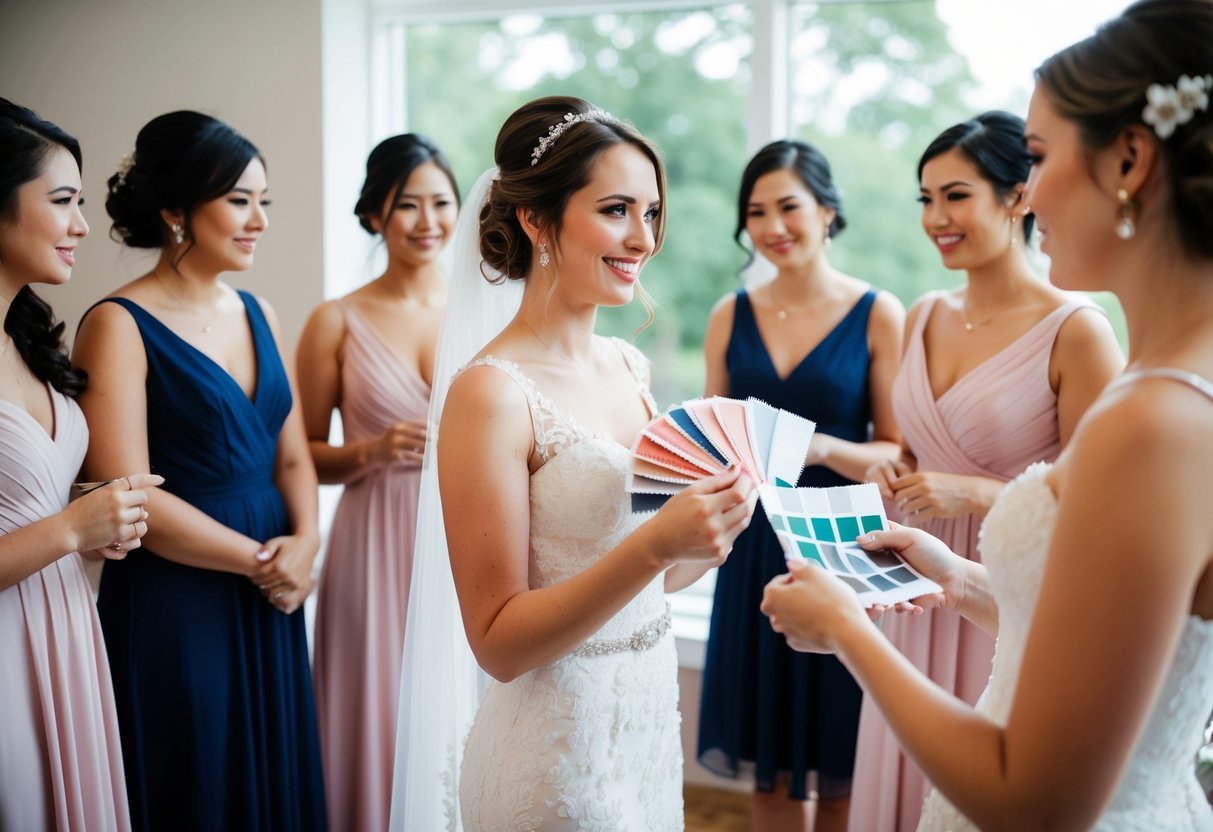
When planning pre-wedding events, it’s important to consider both the contributions needed and the attire for these special occasions. These events, like bachelorette parties and bridal showers, set the tone for the wedding celebrations and involve decisions about attire for your bridesmaids.
Bachelorette Party and Bridal Shower Contributions
As the bride, you may want to take on some expenses for the bachelorette party and bridal shower. Traditionally, it is common for the bridesmaids to contribute to the costs associated with these events.
For the bachelorette party, expenses might include activities, food, and transportation. While you may purchase some items or pay for certain activities, it’s nice to allow your bridesmaids to plan a memorable celebration.
For the bridal shower, the hosts (often the bridesmaids) may cover venue costs, decorations, and food. You can help by providing a guest list and any preferences you have for food or themes. Clear communication will make planning easier for everyone involved.
Choosing the Bridesmaid Dresses
Choosing bridesmaid dresses is a crucial part of the wedding planning. Some brides feel responsible for covering the costs, so it’s best to discuss this with your bridesmaids.
Consider a range of styles and prices that fit your wedding theme. You can create a list of preferred styles and colors that your bridesmaids can choose from. This keeps everyone happy and comfortable.
Make sure to factor in the options for hair and makeup as well. Discuss with your bridesmaids whether these costs will be shared or covered by you. Clarity here can help prevent misunderstandings later.