
Is the Bride Supposed to Buy the Groom’s Ring? Understanding Modern Wedding Traditions
When planning a wedding, questions about traditions often arise. One common question is whether the bride is supposed to buy the groom’s ring. Traditionally, the groom has been responsible for purchasing both wedding bands. However, modern couples often choose to share this cost in a way that suits them.
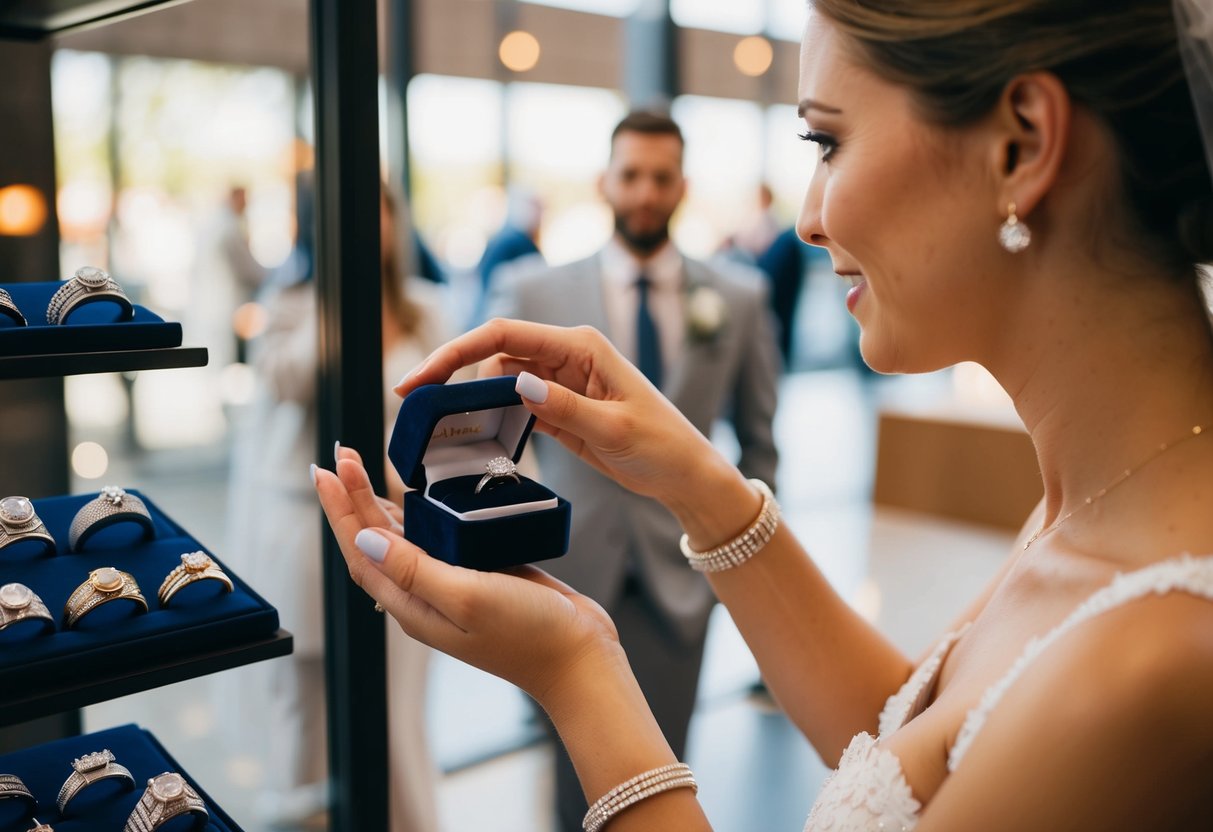
Your personal values and circumstances can play a big role in this decision. Factors such as cultural backgrounds, financial situations, and even preferences about gift-giving can influence what feels right for you as a couple.
Understanding these dynamics can help you navigate the decision about the groom’s ring. Whether you stick to tradition or create your own approach, the most important thing is that it reflects your commitment to each other.
Wedding Ring Traditions and Etiquette
Understanding the traditions surrounding wedding rings can help clarify expectations for couples. These customs sometimes differ between cultures and have changed over time.
Historical Context of Wedding Rings
The tradition of wedding rings dates back thousands of years. Ancient Egyptians are believed to have been the first to use rings to symbolize love and commitment. They crafted rings from reeds and hemp, emphasizing the circle’s permanence.
In Roman times, the groom often gave his bride a ring as a sign of ownership and commitment. This practice evolved into a shared symbol of love. Today, you may find that rings are exchanged during a wedding ceremony as part of the vows.
Traditionally, the groom buys the bride’s engagement ring, while the bride purchases the groom’s wedding band. This custom symbolizes the exchange of love and commitment from both partners.
Evolution of Wedding Traditions
Modern wedding traditions have become more flexible. You may choose to follow the old customs or create your own. In recent years, it’s increasingly common for couples to purchase rings together, reflecting a partnership rather than a strict division of roles.
Traditional practices still hold value for many. Each partner can select a ring that matches their style and budget. This personal touch allows for creativity during what is often a meaningful ceremony.
Consider your preferences and financial situation when deciding who buys the rings. It’s important that you both feel comfortable with your choices and that they reflect your unique bond.
Financial Aspects of Wedding Planning
When planning a wedding, understanding the financial responsibilities and expenses is crucial. You want to navigate these details smoothly and ensure clarity for both families.
Determining Financial Responsibility
Who pays for what in a wedding can depend on tradition and individual circumstances. Traditionally, the bride’s family paid for much of the wedding costs, like the venue, catering, and flowers. The groom’s family might cover the rehearsal dinner and other smaller expenses.
Today, many couples are shifting away from these norms. It’s essential to have open discussions about your financial situation and what each family can contribute. You and your partner should also consider budgeting together. This way, you establish clear financial responsibilities from the start, avoiding misunderstandings later.
Balancing Wedding Expenses
Creating a balanced budget is vital for a successful wedding. Start by listing all expected expenses: venue, catering, attire, decorations, and entertainment.
Here’s a simple way to break it down:
- Fixed Costs: Venue rental, catering, and photography.
- Variable Costs: Decor, invitations, and favors.
Tips for balancing expenses:
- Set a limit for each category.
- Prioritize spending based on what matters most to you both.
- Consider options for cutting costs where you can, like DIY decorations or choosing an off-peak season for your wedding.
By staying organized, you maintain control over your financial capabilities while planning a memorable event.
Modern Considerations for Wedding Bands
There are many new ideas about who buys wedding bands today. These ideas reflect changes in gender roles and the preferences of couples. You might find that some of these considerations make a big difference in your decision-making process.
Shifting Gender Roles and Expectations
As you plan your wedding, consider how gender roles have changed. In modern weddings, traditional expectations don’t always apply. Many couples choose to break away from these norms.
For instance, you might find that each partner buys their own ring. Or, you could decide to split the costs. This makes it clear that both of you are equally invested in your future together.
It’s worth noting how society has become more accepting of various family dynamics. Whether you’re a same-sex couple or simply want to share the experience, choosing together can feel more meaningful.
Personal Preferences and Joint Decisions
Another important factor is personal preference. Many couples today want their wedding bands to match their style. You might prefer unique designs that tell your story.
Joint decisions can also strengthen your bond. Shopping for wedding bands together allows you both to express your tastes. You can discuss what styles you like or set a budget that fits both of your needs.
This collaboration can make the ring-buying experience enjoyable. Plus, it helps ensure that both rings reflect your personalities. Sharing this important decision reinforces your commitment to one another and your shared life ahead.
Who Buys the Groom’s Wedding Band?
Traditionally, the bride buys the groom’s wedding band. This practice symbolizes her commitment and love for him. It highlights a partnership that values mutual respect and shared responsibilities.
However, many couples are changing these traditions. Some prefer to shop for their rings together, making it a joint decision. Others may choose to split the costs or have the groom buy his own ring as a form of personal expression.
Understanding the options allows you to customize your experience, making it meaningful and personal to your relationship.