
Is the Groom Male or Female? Understanding Gender Roles in Modern Weddings
When you think about a wedding, the word “groom” often comes to mind as representing the male partner in the ceremony. In most contexts, the groom is indeed male, specifically referring to a man who is about to marry or has just married. However, the modern landscape of weddings has evolved, and so has the terminology surrounding these special occasions.

You might wonder how this affects marriage roles or the titles people use in different wedding parties. Terms like “bridesman” and “groomswoman” are becoming more popular, reflecting the idea that weddings can be inclusive and diverse, welcoming all identities and orientations. This shift highlights how language adapts to cultural changes, ensuring that everyone can find their place in the celebration.
Understanding the terms used in weddings can enrich your experience, whether you’re planning your own special day or attending someone else’s. By becoming familiar with these terms, you can appreciate the nuances of modern wedding ceremonies and the loving connections they celebrate.
Understanding Gender Roles in Weddings
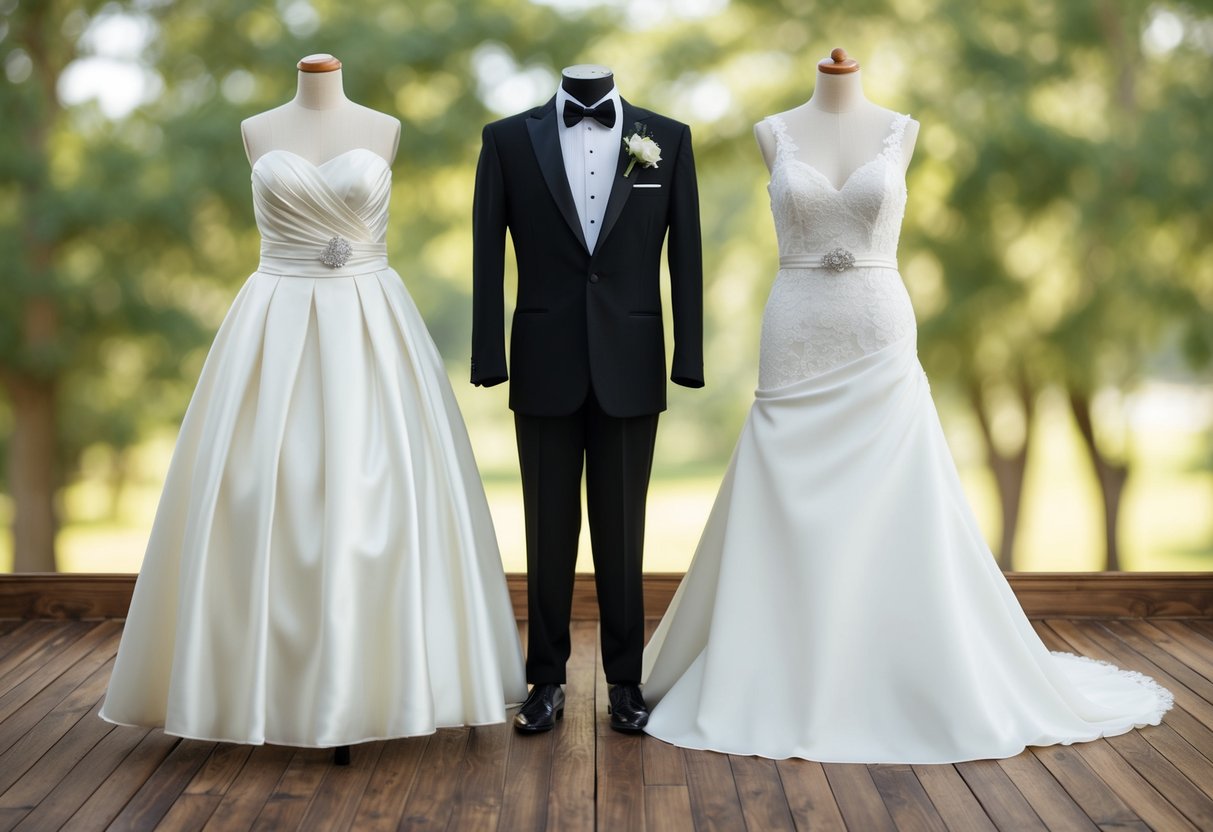
Weddings have long been shaped by specific gender roles, often associating the groom with traditional male responsibilities and the bride with female roles. These roles have historical significance and are continuing to evolve in modern ceremonies.
Historical Perspectives
Historically, wedding traditions clearly defined the roles of the bride and groom. The groom was viewed as the male figure who provided for and protected the family. This role included making key decisions and leading the household. In contrast, the bride was seen as the nurturing partner, responsible for home-making and child-rearing.
These roles were rooted in deep cultural customs. For example, many ceremonies had the groom officially asking for the bride’s hand in marriage, reflecting societal norms around male authority. Though these customs established a framework for weddings, they often limited options for couples.
Modern Interpretations and Choices
Today, traditional gender roles are not as strict, allowing for greater flexibility. Many couples now choose to define their roles based on personal preferences rather than societal expectations.
For instance, the term “bridesman” refers to a male friend chosen to stand with the bride, while a “groomswoman” is a female friend standing with the groom. This shift reflects a desire for inclusivity and representation within wedding parties.
Modern weddings often celebrate a mix of traditions and personal choices. This allows couples to highlight their unique stories while embracing the evolving nature of gender roles in their unions.
Planning the Wedding Party
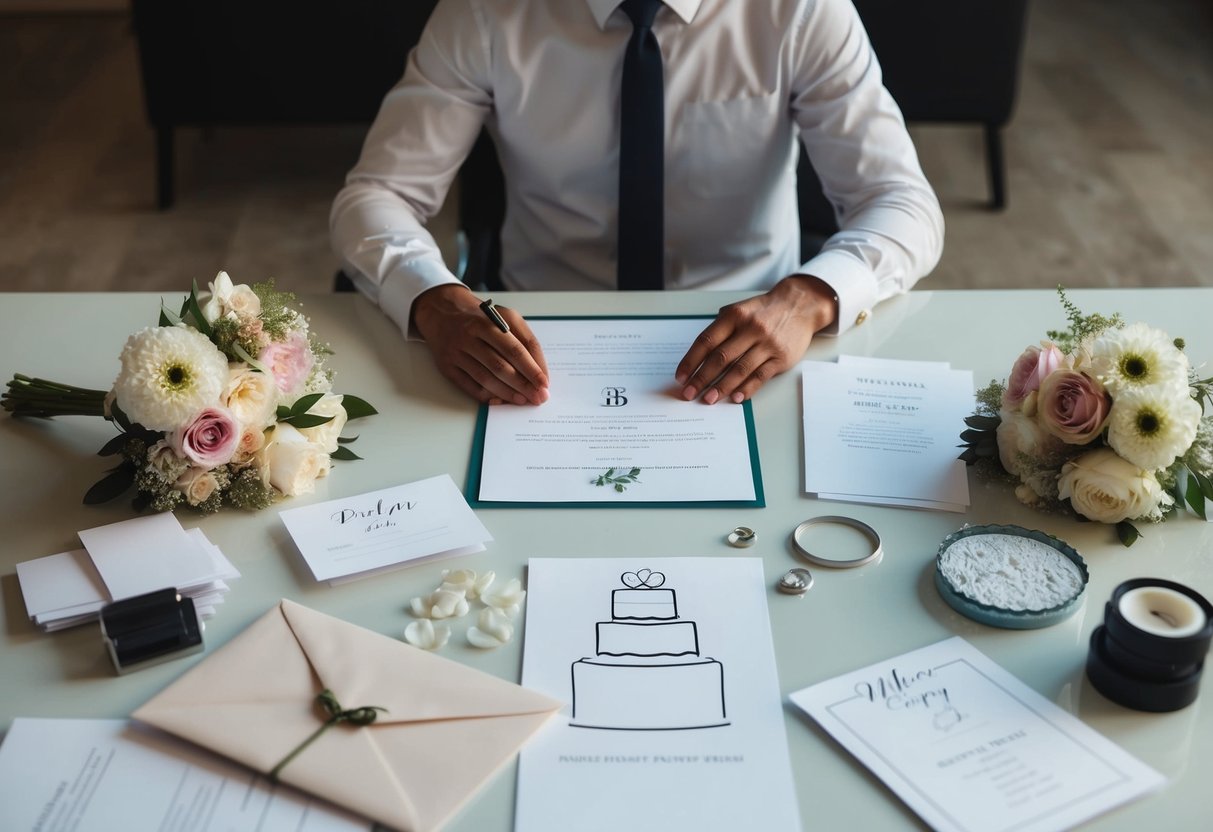
Creating a wedding party involves selecting the right attire and defining clear roles. This is crucial for ensuring that everyone feels comfortable and ready to support you on your big day.
Selecting the Right Attire
Attire for the wedding party should reflect your style and the overall theme of your wedding. You might choose tuxedos for groomsmen or elegant dresses for bridesmaids. Consider the colors you want, as these can help tie everything together.
It’s helpful to involve the members of your party in this process. Let them try on different styles that suit their body types. This makes it easier for everyone to feel confident. Don’t forget accessories like the maid of honor’s bouquet or the best man’s tie. Make sure everyone’s outfits complement each other, creating a beautiful visual harmony on your special day.
Roles and Responsibilities
Each member of the wedding party has important duties that help keep everything on track. The best man usually organizes the bachelor party and supports you during the ceremony. Groomsmen play a key role by assisting with various tasks, like coordinating music or handling wedding rings.
For bridesmaids, duties may include planning the bridal shower and offering emotional support. The maid of honor is often your go-to person for advice and help, keeping the day organized. Assigning clear roles helps ensure that everyone knows what to do. This way, you can relax and enjoy your day knowing your wedding party has your back.
Preparing for the Wedding Ceremony
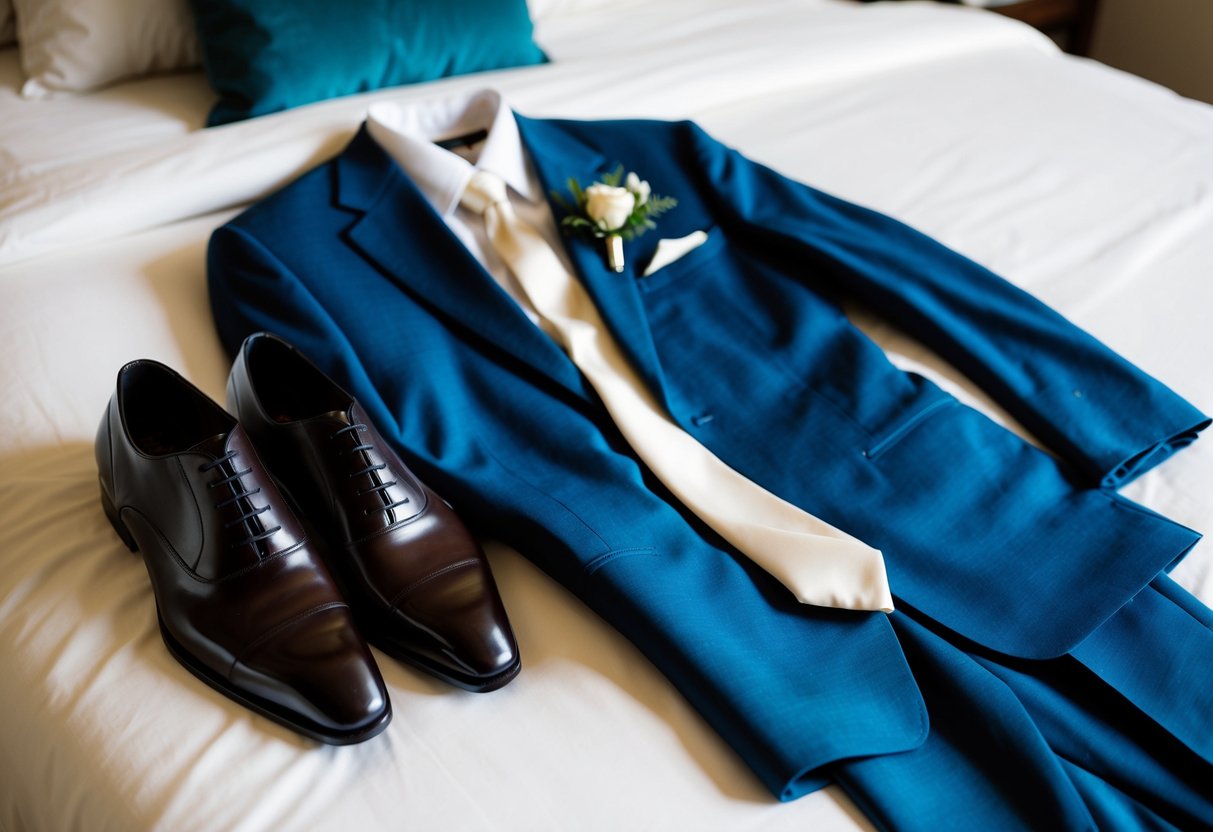
Getting ready for your wedding ceremony is an exciting time. It involves many important steps, including choosing the right officiant and incorporating unique traditions that reflect you and your partner.
The Role of Ceremony Officiants
Your officiant plays a key role in the wedding ceremony. This person is responsible for leading the event and ensuring the legal aspects are taken care of.
You may choose a religious officiant from your church or a secular officiant who focuses on personal beliefs. Make sure to discuss what you want during the ceremony.
Ask them about the structure of the service and any requirements needed, such as vows or special readings, like those from the Bible involving Jesus Christ.
Unique Traditions and Customs
Incorporating traditions into your ceremony can make it feel special and personal. Think about customs that reflect your cultural backgrounds or family traditions.
Popular customs may include unity ceremonies, like lighting a candle together. You might also consider incorporating specific prayers or blessings for your marriage.
Don’t forget to include friends and family in unique ways, such as having them share their thoughts or guidance. This can make your wedding memorable for everyone involved.
Celebrating Pre-Wedding Events
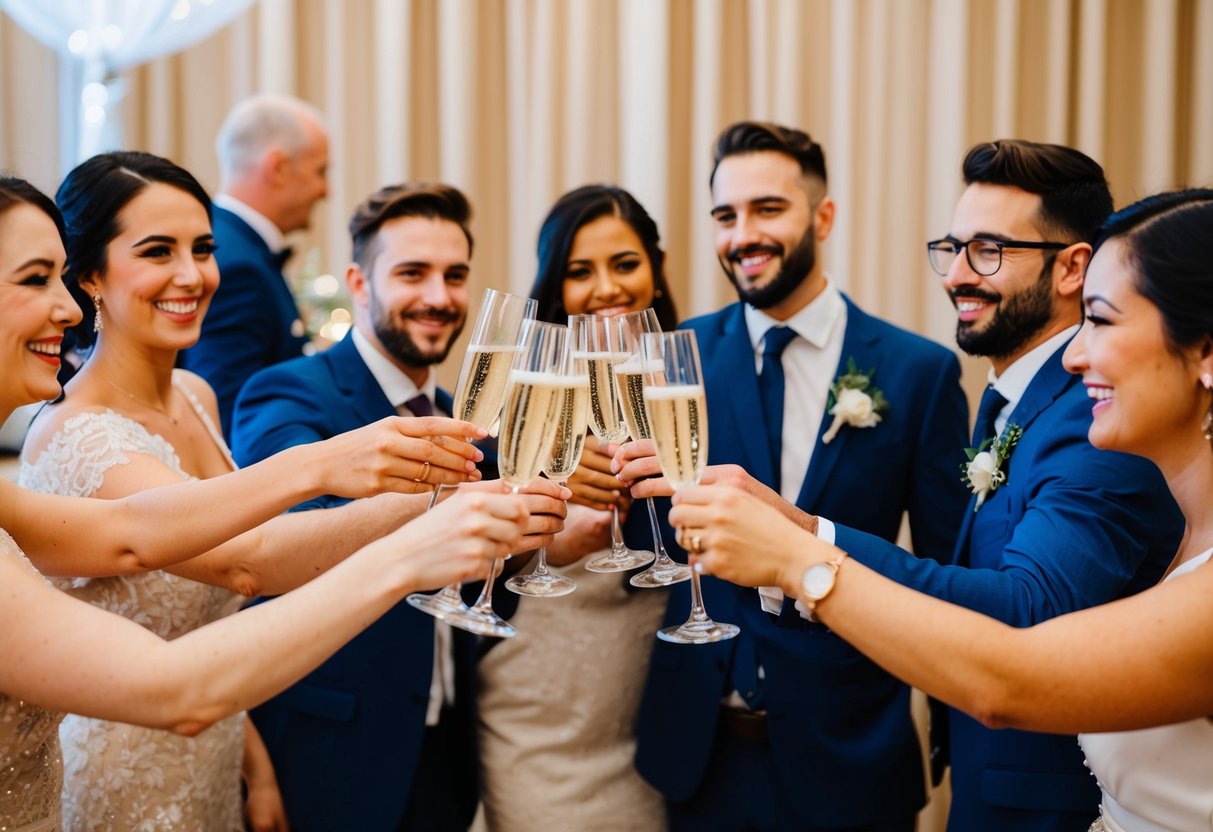
Pre-wedding events are special occasions that bring together friends and family to celebrate the journey before your wedding day. These gatherings include unique parties and showers that allow you to connect and create lasting memories.
Bachelor and Bachelorette Parties
Bachelor and bachelorette parties are fun events for the groom and bride-to-be with their closest friends. They serve as final send-offs into married life.
For the groom, a bachelor party often features activities like a night out, sports events, or a weekend getaway. It’s a chance to bond with friends and celebrate the upcoming marriage.
For the bride, a bachelorette party can be equally exciting. You might enjoy a spa day, a fun night out, or even a themed party. This celebration often includes bridesmaids and close female friends, ensuring a memorable experience. Think of personal touches that reflect your interests and friendships!
Bridal Showers and Rehearsals
Bridal showers and rehearsal dinners are intimate gatherings focused on the bride and groom.
Friends or family typically host a bridal shower. The event highlights the bride’s transition to married life. You can expect gifts and games, creating a warm atmosphere. Modern coed showers welcome both male and female guests, celebrating everyone involved.
Rehearsal dinners follow the wedding rehearsal and include the wedding party and close family. It’s a time for speeches, sharing stories, and enjoying a meal together. This event helps to ease any pre-wedding jitters and allows everyone to connect before the big day.