
Is the Groom’s Family Supposed to Pay for the Wedding? Exploring Traditional Roles and Modern Expectations
When planning a wedding, figuring out who pays for what can be confusing. Traditionally, the groom’s family is expected to cover certain costs, such as the rehearsal dinner and some floral arrangements. This expectation may vary, as customs and family situations differ.
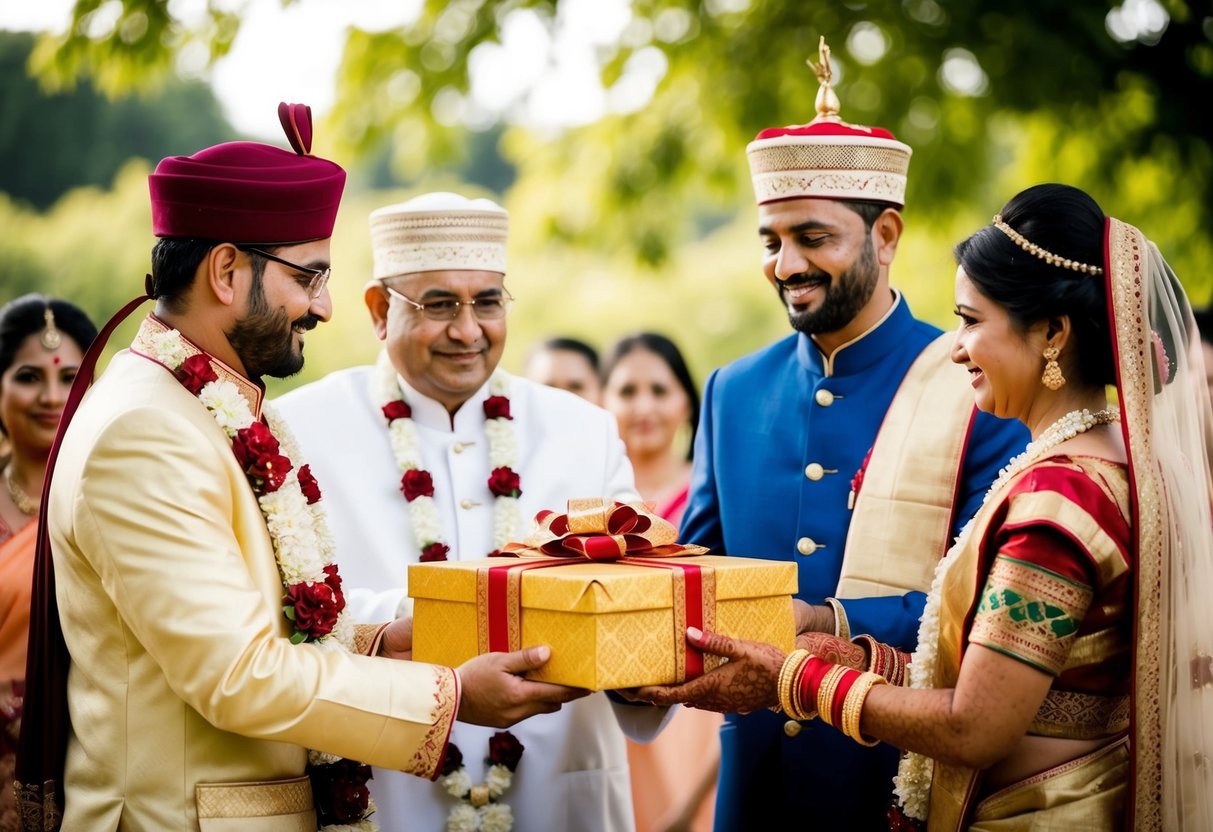
Understanding these roles can help ease some of the stress that comes with wedding planning. You might be surprised to learn that the groom’s family often contributes to the reception, including paying for the alcohol. Exploring these traditions can provide clarity and help you make informed decisions as you prepare for your special day.
Understanding Wedding Financial Responsibilities
Planning a wedding involves navigating financial responsibilities that can often be confusing. Different families have different traditions regarding who pays for what. Knowing these details can help you create a clear budget and avoid misunderstandings.
Historical Context and Modern Expectations
Traditionally, the bride’s family covered most of the wedding expenses. This often included the venue, catering, and decor. The groom’s family typically took care of the rehearsal dinner and some smaller costs.
In today’s world, these roles have shifted. Many couples now share financial responsibilities. You may find families splitting costs or even both the bride and groom’s parents contributing. Understanding these historical contexts can help clarify what is expected in your situation.
Discussing the Wedding Budget
Open conversations about the wedding budget can reduce stress. You should talk with both families about financial contributions upfront. This way, everyone will know their roles and expectations.
Start by listing all possible wedding expenses. Common costs include:
- Venue and catering
- Photography and videography
- Flowers and decorations
- Attire for the wedding party
After creating a budget list, each family can determine which expenses they are comfortable handling. It’s important that everyone feels included in these discussions.
Financial Contribution Breakdown
The financial breakdown can vary widely. As a general guideline, roles often include the following:
- Bride’s Family: Venue, catering, invitations, flowers, and photography.
- Groom’s Family: Rehearsal dinner, groom and groomsmen’s attire, and transportation costs.
Some couples even consider having the wedding themselves pay for specific items, such as the rings or honeymoon. Knowing who pays for what can make planning easier and ensure a smoother experience for everyone involved.
Roles and Expenses Traditionally Covered by the Groom’s Family
The groom’s family plays a significant role in planning the wedding and covering specific expenses. Understanding these responsibilities can help clarify what you need to arrange for the big day.
Rehearsal Dinner and Welcome Party
Traditionally, the groom’s family is responsible for hosting the rehearsal dinner. This event takes place the night before the wedding and sets a relaxed tone for everyone involved. You can expect to cover costs such as the venue, food, drinks, and any decorations needed.
The welcome party, if planned, is often included in this expense. It’s a chance for family and friends to connect before the main event. It can range from a casual gathering to a more formal event, depending on your style and budget.
Groom’s Attire and Groomsmen Gifts
The groom’s family usually pays for the groom’s attire. This can include the suit, shoes, and accessories like ties and cufflinks. It’s a great opportunity to express personal style while ensuring uniformity among the groomsmen.
Additionally, many couples choose to give gifts to their groomsmen as a token of appreciation. Your family can help cover these costs. Gifts can range from personalized items to simple tokens that reflect your friendship.
The Marriage License and Officiant’s Fee
Your family might help pay for the marriage license fee, which varies by state. This important document allows you to legally marry and may require some paperwork.
The officiant’s fee is another cost the groom’s family can cover. This payment can vary depending on whether you choose a religious leader, civil official, or a friend officiating. It’s crucial to discuss these costs upfront to avoid any surprises.
Planning Contributions Beyond Financial Support

When it comes to wedding planning, the groom’s family can play a significant role in more ways than just covering costs. Their involvement in various tasks can help create a celebration that reflects both families’ traditions and values.
Providing Input on the Guest List and Invitations
You can assist in creating the guest list by sharing names of relatives and friends who should be included. This helps ensure that important family members are invited.
When it comes to wedding invitations, your input can shape the design and wording. This collaboration can make the invitations feel more personal and representative of both families. Remember to consider the formality of the event in your choices.
Selecting Personal Flowers and Formal Wear
Choosing personal flowers, such as boutonnieres, is an excellent way for your family to contribute. You can suggest flowers that hold meaning within your family or represent your heritage. This adds a special touch to the wedding day.
In terms of formal wear, your family can help pick out the groom’s attire or assist the bride’s family in choosing outfits for the bridal party. Coordinating colors and styles can make a significant impact on the overall look of the wedding.
Participating in Pre-Wedding Events
You can also take part in pre-wedding events like the engagement party and bridal shower. These gatherings allow you to connect with friends and family, creating a greater sense of unity.
Additionally, your family can help plan the rehearsal dinner. This special event provides an opportunity for both families to get to know each other better. Sharing a meal and stories can set a positive tone for the wedding day.
By actively participating in these events, you contribute to a meaningful celebration that carries both families’ values.