
Is the Rehearsal Dinner Less Formal Than the Wedding? Understanding the Differences
As you prepare for your wedding day, you might wonder about the rehearsal dinner’s role. The rehearsal dinner is generally less formal than the wedding celebration. This makes it a perfect opportunity to relax with close friends and family before the big event. This pre-wedding gathering serves as a chance for everyone to connect and unwind, setting a joyful tone for the festivities ahead.
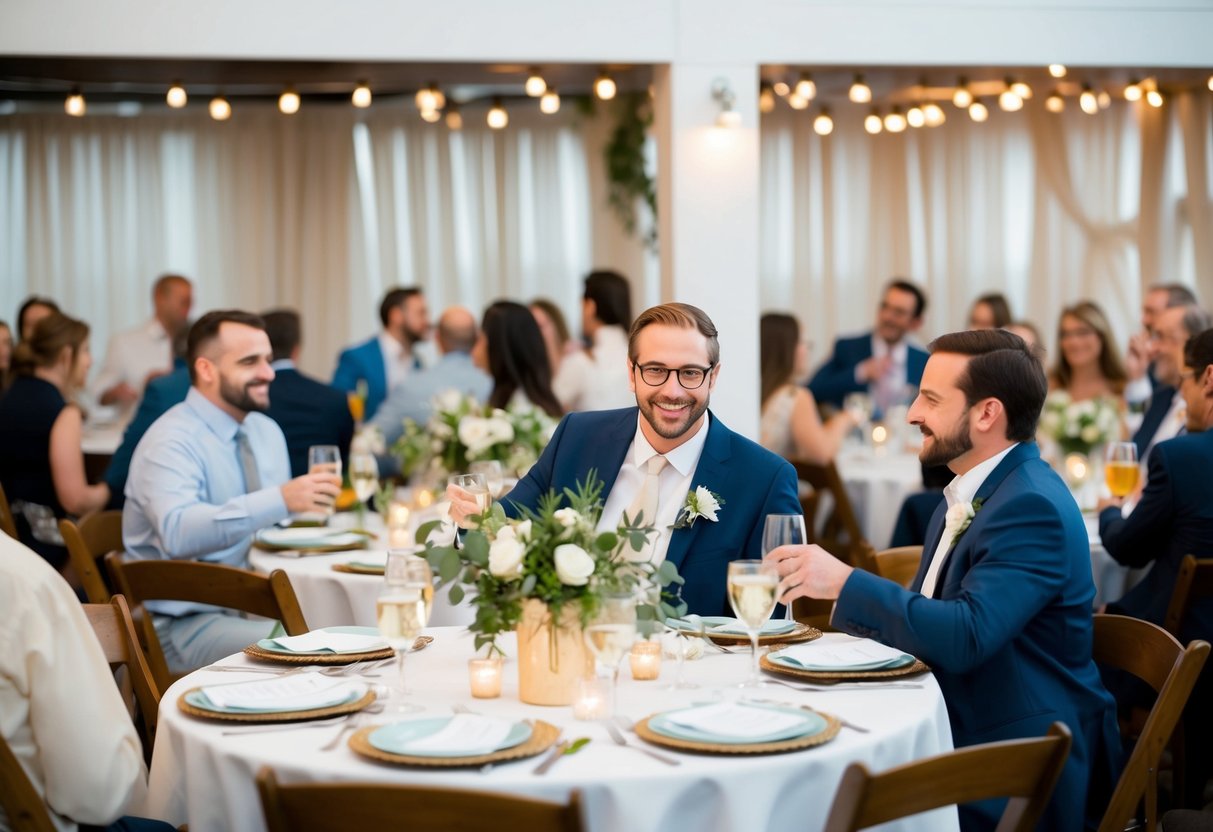
You can choose various settings for your rehearsal dinner, from a casual backyard BBQ to a more elegant restaurant experience. With less pressure than the wedding day, this event allows you to enjoy the moment without the formality that typically accompanies the ceremony and reception. Understanding the difference between these two special occasions can help you create the perfect atmosphere for both.
Understanding the Rehearsal Dinner

The rehearsal dinner is an important pre-wedding event that provides a chance for families and friends to connect before the big day. It is often less formal than the wedding itself, creating an intimate setting for practice and celebration.
Defining the Rehearsal Dinner
A rehearsal dinner typically follows the wedding rehearsal, where you practice the ceremony’s events. You usually invite the wedding party, family, and close friends. This gathering can take place at a restaurant, banquet hall, or someone’s home. The mood is relaxed, allowing everyone to feel comfortable.
During this dinner, you’ll often share a meal and enjoy toasts from those involved. Since it’s a time to strengthen relationships, you should consider inviting those who play a role in the ceremony, like the officiant and immediate family.
Purpose of the Rehearsal Dinner
The main purpose of the rehearsal dinner is to bring everyone together. This event helps to ease any tension and make the wedding day run smoothly. You have the chance to rehearse important parts of the ceremony, which can help everyone feel more prepared.
Additionally, it serves as an opportunity to express gratitude. Many couples use this time to thank their families and friends for their support. It can also be a moment for leaders in your wedding party to offer words of encouragement.
Rehearsal Dinner vs. Wedding Day
While both events are significant, they differ in formality and atmosphere. The rehearsal dinner is generally more intimate and casual. This setting allows for personal interactions that might be hard to achieve at a larger wedding reception.
The wedding day, on the other hand, is a big occasion with many guests. It usually includes formalities like speeches, dancing, and special traditions. While planning, remember that the rehearsal dinner can set a warm tone for the entire wedding experience. It’s your moment to share laughter and joy with those dearest to you.
Planning the Rehearsal Dinner
Planning your rehearsal dinner can be a fun and exciting experience. You will want to think about a few key elements like the venue, guest list, dress code, and menu to create a memorable event that complements your upcoming wedding.
Choosing the Venue
Selecting the right venue sets the tone for your dinner. Since this event is typically less formal than the wedding, consider locations like a cozy restaurant, someone’s home, or an outdoor space. A casual atmosphere allows guests to relax and enjoy.
If you’re planning a barbeque or a cocktail reception, choose a place that supports your style. Make sure it can accommodate your guest list comfortably. Visit potential venues to see how they fit your vision and budget.
Creating the Guest List
Your guest list should reflect those closest to you. Include your wedding party, immediate family, and any other special guests.
It’s common to keep the list small, around 20 to 30 people, to maintain an intimate setting. You can always expand it to include extended family or friends from out of town.
When sending out rehearsal dinner invitations, consider the timelines. Aim to send them out at least three to four weeks before the date to ensure everyone can attend.
Setting the Dress Code
The dress code for your rehearsal dinner can vary based on your chosen venue and theme. For a casual dinner, encourage guests to dress comfortably. Think about attire like nice jeans and a dressy top.
If you opt for a formal sit-down dinner, let guests know to wear cocktail attire. It’s best to communicate your dress code clearly with your invitation. This way, guests can prepare and feel confident in their outfits.
Designing the Menu
Your menu should reflect the relaxed vibe of the rehearsal dinner. You might choose a formal sit-down dinner with multiple courses or a more casual option like a buffet or barbecue.
Consider dietary restrictions of your guests when planning the menu. Options like grilled vegetables, chicken, or pasta can please most palates.
Don’t forget about drinks! A simple bar with wine, beer, and a couple of signature cocktails can be a great touch. This adds to the festive atmosphere while keeping it relaxed and enjoyable.
Etiquette and Traditions
When planning a rehearsal dinner, it’s essential to understand the key etiquette and traditions that surround this special event. Knowing who hosts, the importance of invitations, and gift-giving customs can help make the dinner enjoyable for everyone involved.
Who Hosts and Who Speaks
Typically, the groom’s family hosts the rehearsal dinner. This tradition allows them to show appreciation to the guests who have come to support the couple.
At the dinner, it’s common for a few heartfelt toasts or speeches to be made. The host often starts this by welcoming everyone and thanking them for their support. You might find parents, the officiant, or close friends sharing warm memories or funny stories about the couple.
These speeches are usually more casual than those at the wedding reception. Still, they play a vital role in setting a celebratory tone for the evening.
Invitations and Notices
When it comes to invitations, they should be sent out at least a few weeks before the dinner. This allows guests—like the wedding party and close family members—to make arrangements.
Since the rehearsal dinner is less formal, you can choose to send digital invitations or simply call guests to invite them. Don’t forget to include the date, time, and location of the event.
Including any specific dress code in the invitation can also be helpful. Since the dinner is usually less formal than the wedding, informal to semi-formal attire is typically appropriate.
Gift-Giving Customs
Gift-giving at the rehearsal dinner is a kind gesture but not an absolute necessity. If you do decide to bring a gift, it’s often something small and thoughtful.
Thank-you gifts may be directed towards the hosts or the couple. For instance, you might consider personalized items or a handwritten note expressing your gratitude.
If you are part of the wedding party, bringing a small gift for the couple can also be a lovely gesture. Remember, it’s the thought that counts, and your presence is what’s most important.
Navigating Special Circumstances
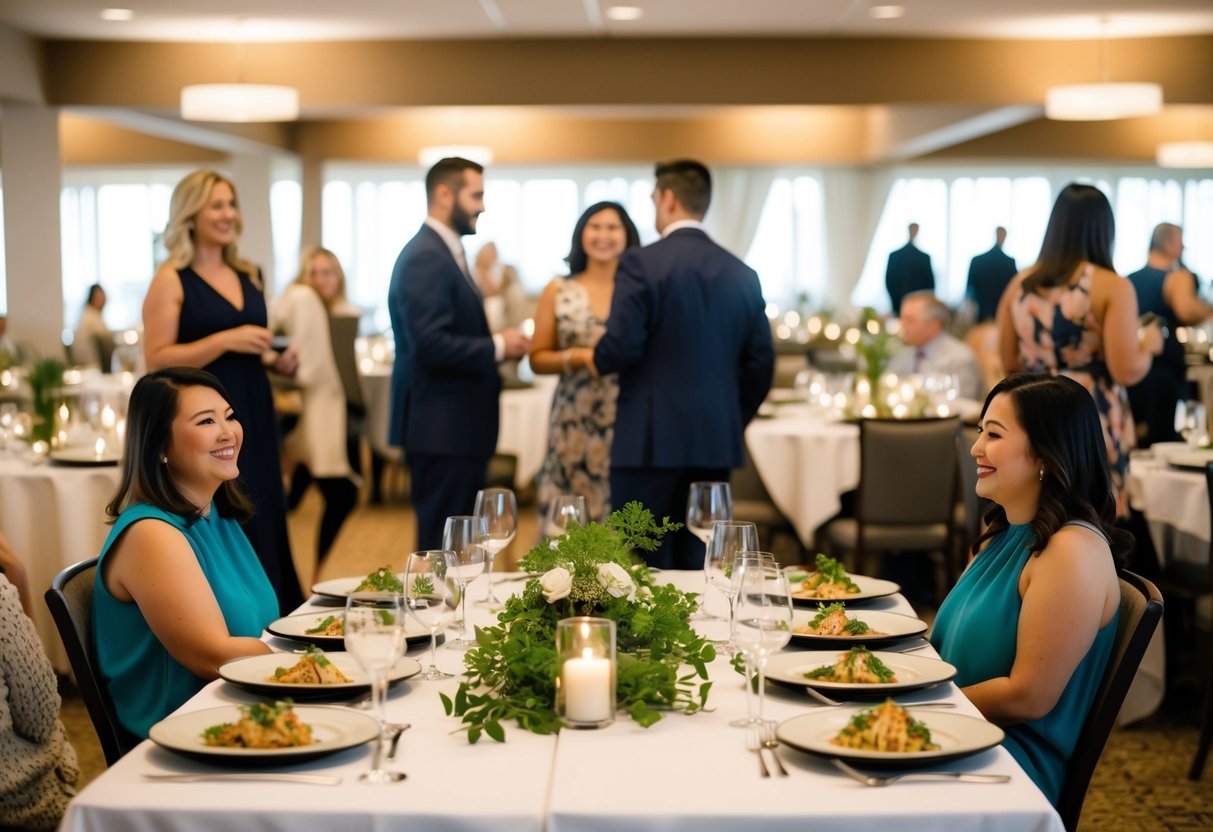
When planning your rehearsal dinner, keep in mind the unique needs of your guests. Special circumstances, such as dietary restrictions, destination weddings, and hosting out-of-town guests, can require extra attention. Here are key areas to consider.
Managing Dietary Restrictions
You want everyone to enjoy the meal, so pay attention to dietary restrictions. Start by asking guests about their needs when you send invites. This gives you time to plan.
Consider common restrictions like vegetarian, vegan, gluten-free, or nut allergies. When choosing a menu, include a variety of options and label each dish clearly.
Work with your caterer to create a safe and tasty experience. This not only shows you care but also makes your guests feel welcome. It’s a small effort that can go a long way in ensuring everyone enjoys themselves.
Destination Wedding Considerations
If you’re hosting your rehearsal dinner during a destination wedding, you have some unique factors to consider. First, think about travel logistics for your guests. Some may need help with accommodations or transportation.
Plan a rehearsal dinner that complements the local culture. This could involve regional dishes or setting your dinner at a scenic venue. You want a memorable experience that captures the essence of the location.
Don’t forget to communicate details well in advance. Use a wedding website or group chat to share information openly. This will help guests feel informed and relaxed, allowing them to enjoy the wedding weekend fully.
Inclusive Celebrations for Out-of-Town Guests
Out-of-town guests often appreciate extra attention at your rehearsal dinner. This is a great chance to make them feel special.
Consider hosting a welcome party that invites everyone. It offers a casual setting to mingle.
During the rehearsal dinner, make time for introductions. Help guests from different sides of the family connect.
You could also create a small program that highlights activities planned for the wedding weekend.
This effort fosters a sense of belonging and excitement among your guests. Remember, the more inclusive you can be, the more fun everyone will have as you celebrate together.