
Is the Wedding Reception the Actual Wedding? Understanding the Celebration Differences
When planning a wedding, you might wonder what the difference is between a wedding ceremony and a wedding reception. The wedding ceremony is the official event where you and your partner exchange vows. Meanwhile, the wedding reception is the celebration that follows.
The reception is a time for you to celebrate with your family and friends, enjoying food, drinks, and dancing together.
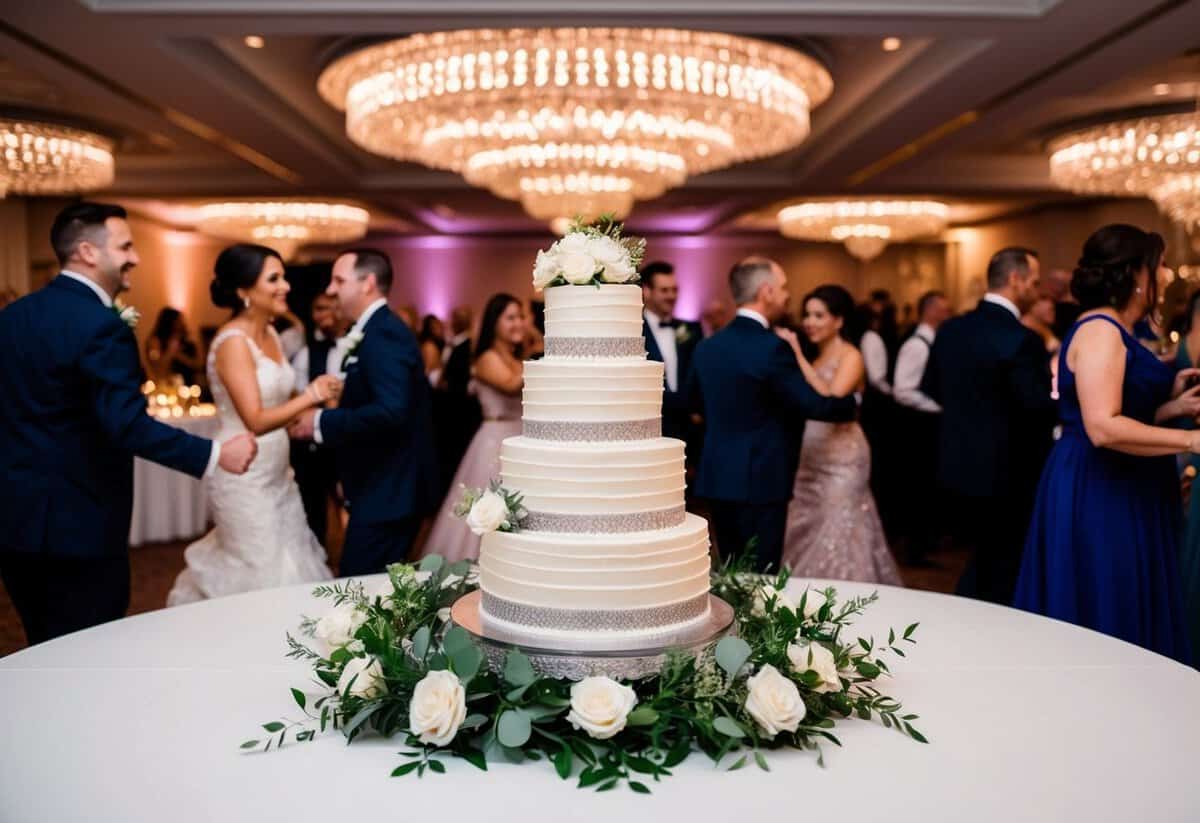
It’s common for the ceremony and reception to take place on the same day, often at the same venue. While the ceremony holds great significance and is more formal, the reception offers a relaxed atmosphere where everyone can unwind and enjoy the festivities.
This is where you can truly celebrate your love and create lasting memories with your guests.
Understanding these differences can help you plan your special day more effectively. Whether you’re in the midst of planning or just curious, knowing the roles of the ceremony and reception can enhance your wedding experience.
Understanding the Wedding Day
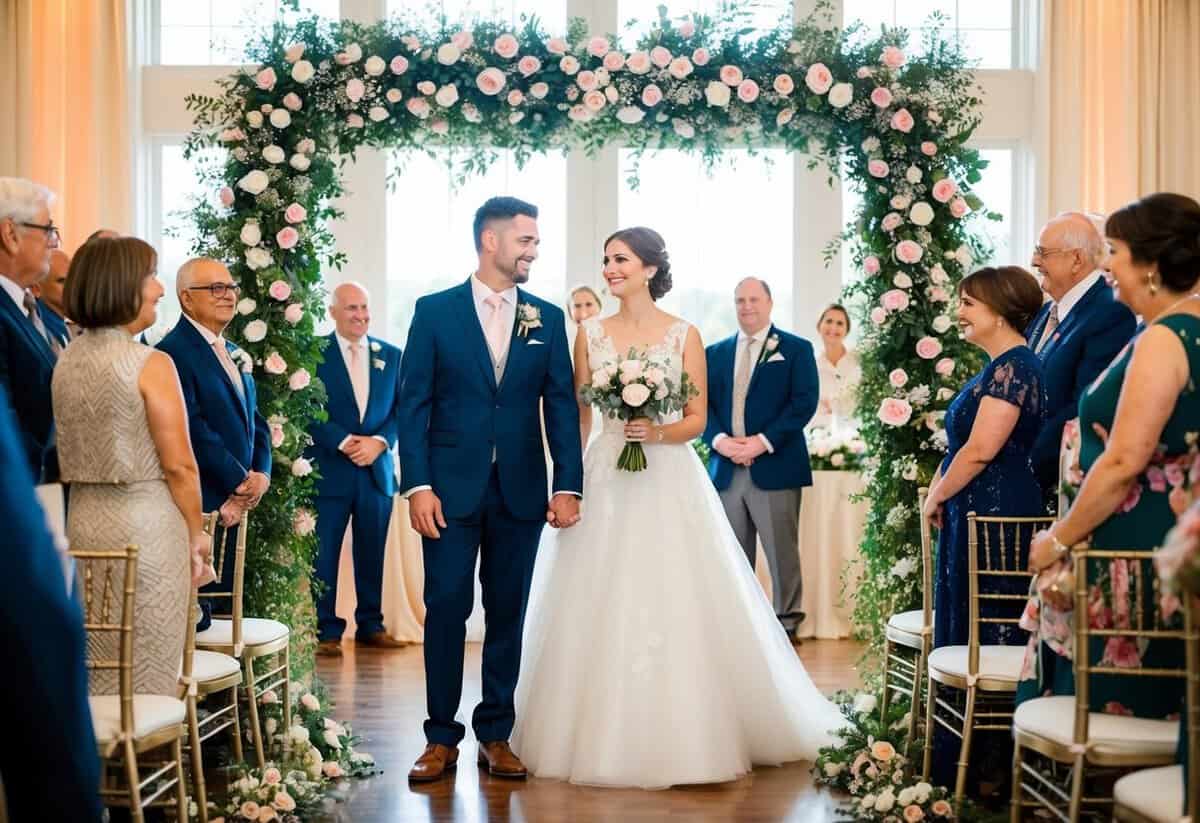
Your wedding day is a unique event that brings together two lives in celebration. It consists of distinct parts that play special roles in marking your union. The ceremony is often the emotional core, while the reception allows you to celebrate with friends and family.
Ceremony: The Heart of the Celebration
The wedding ceremony is where your commitment begins. This part of the day usually features vows, rings, and often a reading or musical performance.
You might choose to have a religious or secular ceremony, depending on your beliefs. Key elements include:
- Vows: Personal promises made to each other.
- Rings: Symbols of your commitment.
- Officiant: The person who conducts the ceremony.
This moment is filled with emotions, making it the most meaningful part of your special day. Be sure to consider the surroundings, as the venue can enhance the experience.
Reception: A Festive Continuation
After the ceremony, the wedding reception begins. This event is a celebration where you can share your joy with loved ones.
Typically, the reception features food, drinks, and music. You might plan various activities, such as:
- Dancing: A chance to let loose and enjoy.
- Speeches: Heartfelt messages from family and friends.
- Traditions: Special activities like the cake cutting or the first dance.
The atmosphere is usually more relaxed, allowing everyone to unwind and celebrate your union. This time is for fun, laughter, and creating lasting memories with the people who mean the most to you.
Significant Moments
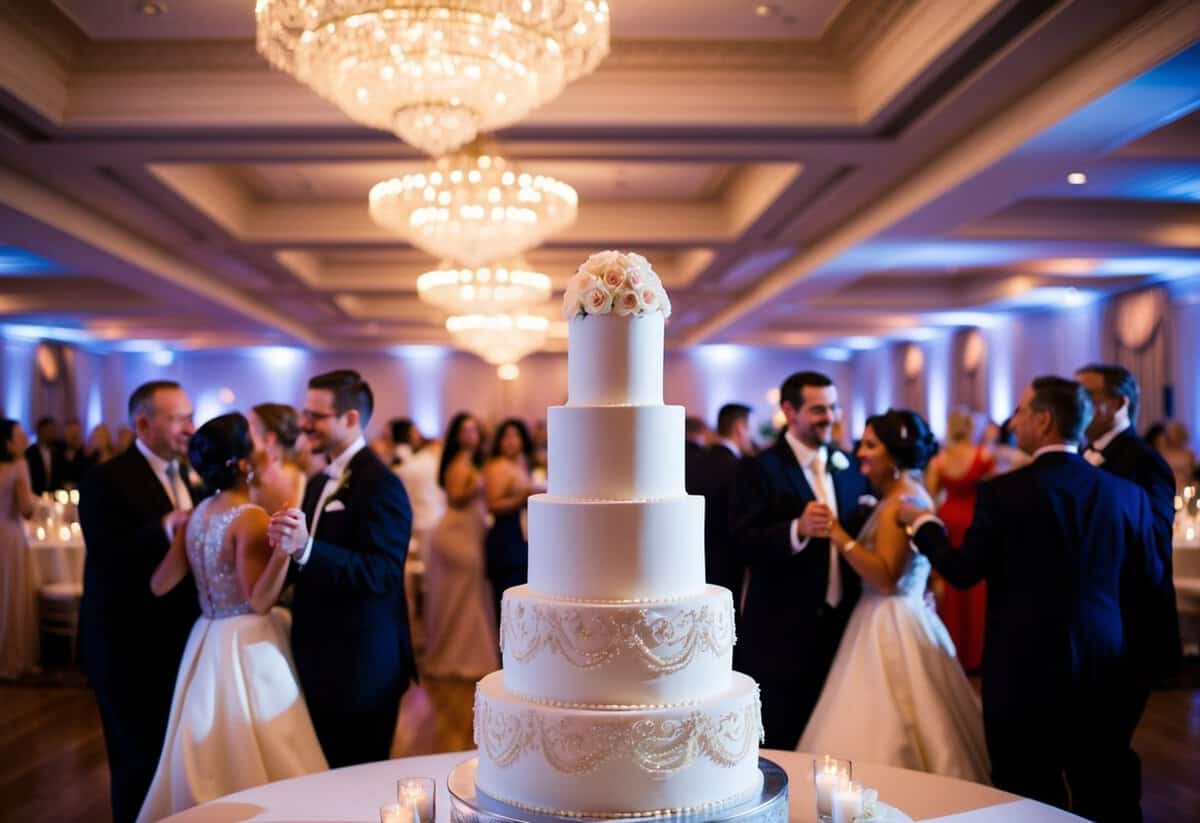
During a wedding, certain moments stand out as truly significant. These events not only celebrate your union but also create cherished memories for you and your guests. The exchange of rings and vows clearly shows commitment, while the first dance and toasts bring in joy and celebration.
Exchange of Rings and Vows
The exchange of rings is a key part of the wedding ceremony. This tradition symbolizes your love and commitment to each other. As you slide the ring onto your partner’s finger, it represents a bond that is meant to last forever.
Accompanying the rings, you’ll share personal vows. These promises are heartfelt declarations of love and dedication. They remind both of you—and everyone present—of why you chose each other. It’s a moment filled with emotion, making it unforgettable.
First Dance and Toasts
Following the ceremony, your first dance is not just a dance; it’s a celebration of your new life together. This moment allows you to connect, share smiles, and enjoy the happiness around you. Choosing a meaningful song adds a personal touch that resonates with you both.
After the dance, the champagne toast carries its own significance. Family and friends raise their glasses to wish you joy and love. It’s a time for merriment and laughter, marking the beginning of your journey as a married couple. These moments amplify the joy of your special day and create lasting memories.
Planning for the Big Day
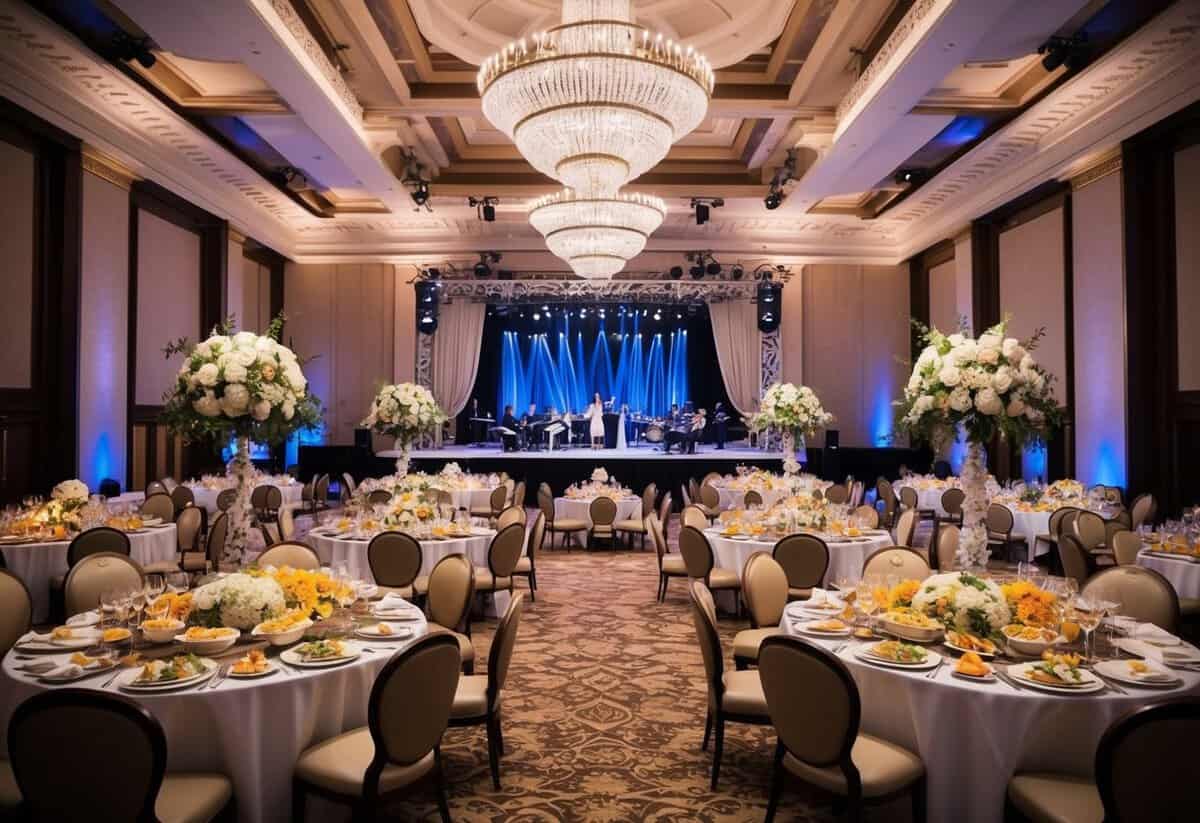
As you prepare for your wedding, choosing the right venues and crafting the guest list are critical steps. Both tasks will set the tone for your special day and ensure everything goes smoothly.
Choosing the Right Venues
Selecting the right venues for your ceremony and reception is vital. Think about the atmosphere you want. Do you prefer a beach, a garden, or a classic banquet hall?
Consider the size of each venue. It should accommodate your expected number of guests comfortably. Popular wedding venues can book up quickly, so start your search early.
If you have help, consider hiring an event planner. They can offer valuable insights and help you navigate logistics. Don’t forget to visit each venue in person. This will help you visualize your big day and confirm it fits your vision.
Crafting the Guest List
Creating the guest list is often one of the hardest parts of wedding planning. Start with immediate family and bridal party members. Then, add close friends and relatives.
Determine how many people each venue can hold. This will help you refine your list. Be honest about who you really want to celebrate with. It’s your day, so prioritize your comfort.
Consider sending out Save-the-Date cards early. This gives guests time to plan, especially if they need to travel. Discuss your list with your partner to ensure you’re on the same page and enjoying the planning process together.
Celebratory Elements
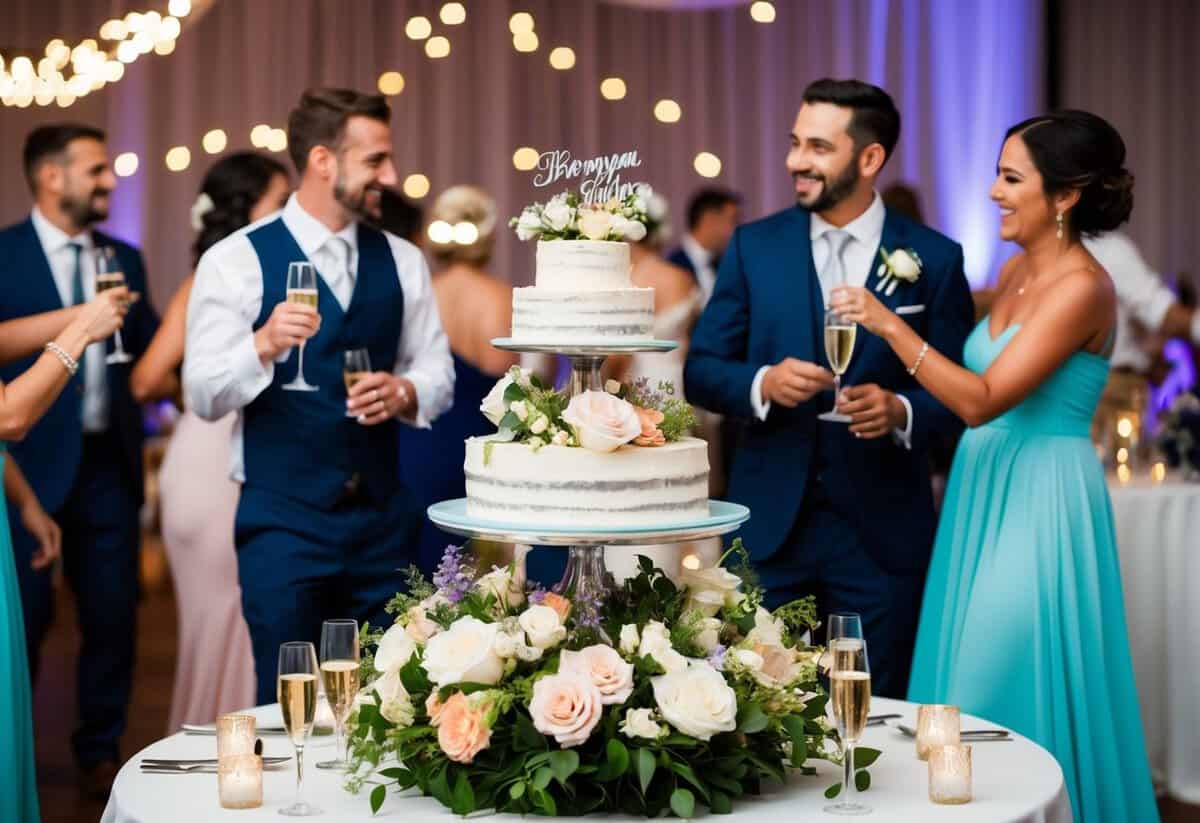
At a wedding reception, the focus is on fun and enjoyment. You get to share special moments with family and friends. The celebratory elements create joy and help form lasting memories.
Dining and Dancing
The reception includes a festive dinner that brings everyone together. This often features a delicious wedding cake that serves as the centerpiece.
Your reception dinner can range from casual buffet styles to formal plated meals. It’s common to have a mix of appetizers, main courses, and desserts to please all guests.
After dining, dancing is a highlight of the evening. You can kick off with the couple’s first dance, which sets the mood. Then, family and friends join in for dancing, creating an energetic atmosphere.
Music plays a key role, so pick songs that everyone will enjoy. Remember, it’s all about having fun and letting loose!
Creating Lasting Memories
The reception is also about creating unforgettable moments. Traditions like speeches and toasts allow family and friends to express their love and share stories. These heartfelt words often bring laughter and sometimes even tears.
Capturing these moments through photos and videos is essential. A photo booth can add extra fun for guests, leaving them with fun memories.
The festive atmosphere encourages interactions, making it easier to connect and bond. You’ll cherish these shared experiences for years to come!