
Is There a Difference Between a Save the Date and a Wedding Invitation? Understanding the Key Variations
When planning your wedding, you might wonder about the difference between a save the date and a wedding invitation. A save the date is a preliminary announcement sent out well before your wedding, while invitations provide all the details when the date gets closer. Understanding this difference can help you communicate effectively with your guests.
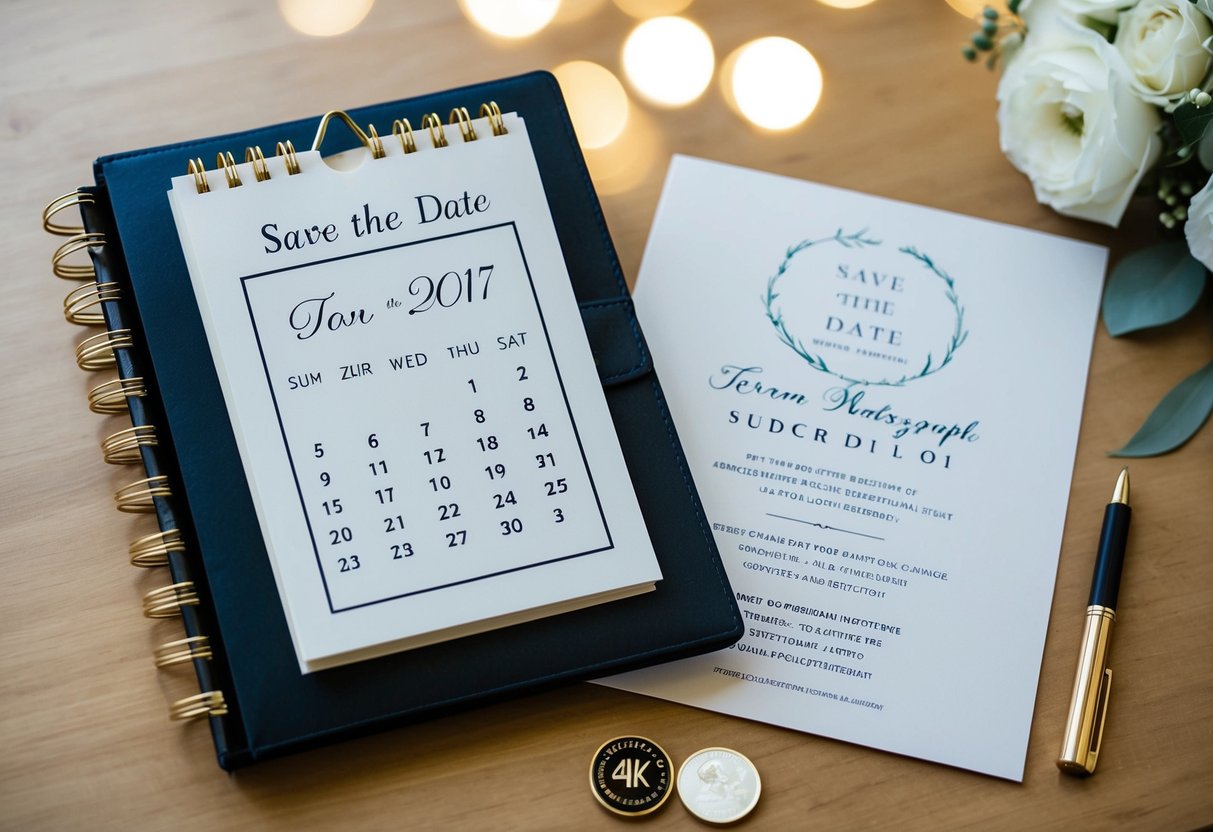
Save the dates usually go out six to eight months before the wedding and serve to inform your guests of the date and location. This gives them a heads-up to mark their calendars and start planning. In contrast, wedding invitations arrive later and contain specific details like the ceremony time, venue information, and how to RSVP.
Knowing these key distinctions will make your planning smoother and help your guests stay organized. With the right timing and information, you can ensure everyone is ready to celebrate your special day!
Understanding the Basics
When planning your wedding, it’s important to know the difference between a save-the-date and a wedding invitation. Each serves a unique purpose in informing your guests about your special day.
Defining Save-the-Dates
A save-the-date is an announcement sent early in the wedding planning process. You typically send it six to eight months before the wedding date. This card has the primary purpose of asking your guests to reserve the date.
Save-the-dates are usually simple and include just a few key details, such as:
- Wedding date
- Location (city and venue)
- Optionally, a link to your wedding website for more information
Guests usually need time to arrange travel plans, so this early notice helps them prepare.
Explaining Wedding Invitations
Wedding invitations are more detailed and are sent out closer to the wedding date. You typically send these six to eight weeks before the ceremony. They include comprehensive information about your wedding.
A wedding invitation typically contains:
- Names of the couple
- Date and time of the ceremony
- Venue details
- Reception information
- RSVP instructions
This allows you to gather responses from your guests. Invitations are formal, providing a clear outline of the day’s events. It’s your chance to share the theme and tone of your wedding with your guests.
Design and Content
When planning your wedding, understanding the design and content of both save-the-date cards and wedding invitations is essential. Each piece serves a unique purpose and has specific elements that help communicate important information.
Elements of Save-the-Date Cards
Save-the-date cards are typically simple yet memorable. They often feature a clean design with bright colors or a fun engagement photo that captures your personality. Key elements include:
- Your names prominently displayed
- The wedding date, clearly stated
- The location or a note about the venue, if decided
It’s important to keep save-the-dates straightforward since they serve mainly as reminders. RSVP information is not necessary at this stage, as it’s too early for guests to commit. Make sure the card reflects your wedding theme to give guests a taste of what’s to come.
Crafting the Formal Wedding Invitation
A formal wedding invitation has more detailed content and a polished design. It should include:
- Full names of both partners
- A formal wedding date and time
- The complete address of the ceremony and reception
- RSVP information with a deadline
Each component plays a significant role in setting the tone for your event. This invitation often belongs to a larger wedding invitation suite, which may include additional items like RSVP cards and a details card. The design should reflect the overall style of your wedding—whether it’s classic, modern, or whimsical.
Pre-Wedding Planning Considerations
Planning your wedding involves many details. Focusing on the timeline for notifications and helping guests manage their expectations is vital. Below are key aspects to consider.
Setting the Timeline for Notifications
Start by determining when to send save-the-dates and invitations. Save-the-dates should go out about 6-8 months before the wedding. This is especially important for destination weddings, as guests will need time to plan.
For local weddings, sending save-the-dates 4-6 months ahead may be sufficient. Formal invitations follow around 8-12 weeks before the big day. Make sure to include relevant details like the venue, dress code, and any travel arrangements.
Consider your guest list. Larger lists may need more time for your guests to make plans, particularly if they require travel bookings. Think about holiday weekends or busy travel seasons, as these can affect response times.
Managing Guest Expectations and Arrangements
Clear communication is essential for managing guest expectations. You can use your wedding website to provide updates. Include links to travel arrangements, accommodations, and local attractions on your site.
For destination weddings, help guests with travel tips. Provide information about flights, nearby hotels, and recommended transport options. This keeps everyone informed and prepared.
At the same time, be mindful of dietary preferences and special requests. It’s helpful to include an RSVP card with your invitation to collect this information easily.
By being proactive, you make the planning process smoother for both you and your guests. This ensures everyone enjoys your special day without any surprises.
Additional Details and Events
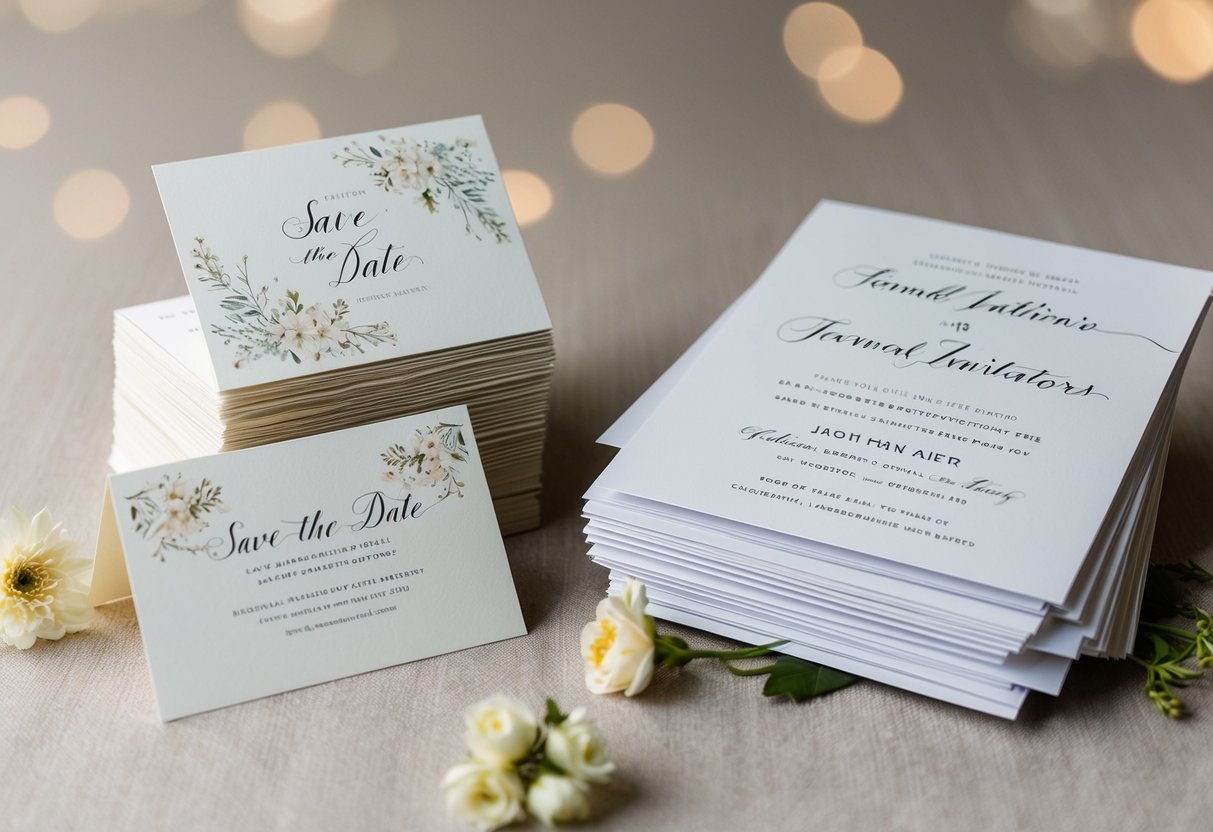
It’s important to share extra details and events related to your wedding to keep your guests informed and excited. You can include information about the dress code, itinerary, and wedding registry to ensure everyone is prepared.
Communicating the Dress Code and Itinerary
Make sure to clearly state the dress code on your wedding invitation. This helps guests know how to dress for the occasion. You might use phrases like “formal attire,” “cocktail attire,” or “casual.”
Additionally, sharing an itinerary for the day can be helpful. Outline key events such as the rehearsal dinner, wedding ceremony, and reception. You can include times and locations in a simple list format. For example:
- Rehearsal Dinner: 6 PM at the local restaurant
- Wedding Ceremony: 3 PM at the church
- Reception: Immediately following at the banquet hall
This way, guests can prepare and enjoy all parts of the celebration.
Guiding Guests Through the Wedding Registry
A wedding registry is a great way for guests to find gifts you truly want. Make sure to include a link or details about your registry on your save-the-dates or invitations.
It also helps if you explain why you’ve chosen certain items or stores. For example, you might say, “We’ve registered at HomeGoods for kitchen essentials and Bed Bath & Beyond for home décor.” This gives guests a clear idea of what you need.
Also, it can be nice to remind guests that their presence is the greatest gift. You can mention that contributions to your honeymoon fund are welcome too. This keeps everything friendly while guiding them to the right gift choices.