
Is There a Shortage of Celebrants? Understanding the Growing Demand for Life Event Officiants
The demand for celebrants in various ceremonies, including weddings and funerals, has been increasing in recent years. Many people wonder if there is a shortage of celebrants to meet this growing need. Yes, there is a noticeable shortage of celebrants, particularly in certain areas, making it challenging for families to find the right person for their ceremonies.

As societal trends shift away from traditional religious ceremonies, more families are looking for celebrants who can provide personal and meaningful services. This shift creates a gap, especially in rural locations where trained celebrants may be hard to find.
With the lack of availability, many families are left scrambling to book someone who can properly lead these important gatherings.
This blog post will explore the reasons behind the celebrant shortage, the impact on families planning significant life events, and what can be done to address this issue. By understanding the challenges, you can better navigate your options when needing celebrant services for weddings, funerals, or other important ceremonies.
Understanding the Role of Celebrants
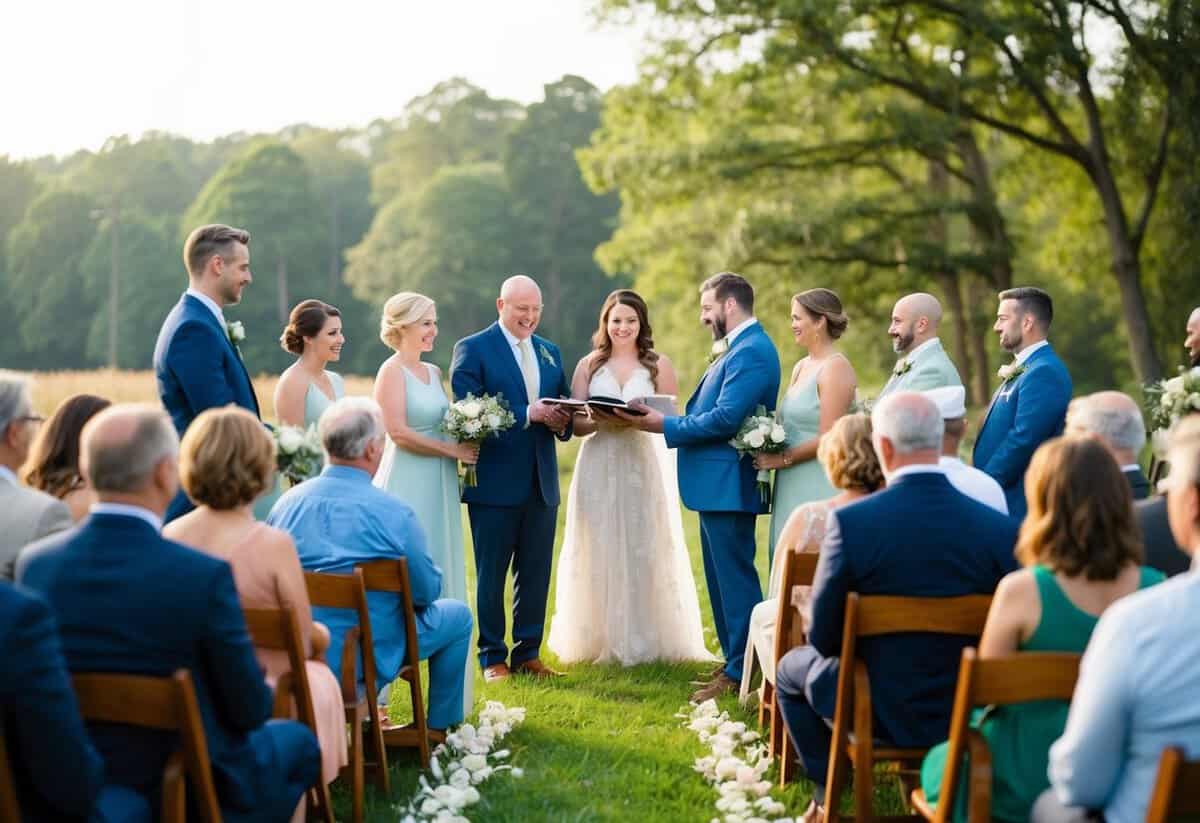
Celebrants play important roles in various ceremonies, bringing a personal touch and deeper meaning to life’s events. They can be involved in weddings, funerals, and other significant occasions, adapting their services to meet the needs of those they serve.
Types of Celebrants
There are different types of celebrants, each specializing in unique ceremonies. Civil celebrants focus on conducting weddings, renewals of vows, and other life milestones. They help craft personalized ceremonies that reflect the couple’s story.
Funeral celebrants offer support during times of grief. They create meaningful services that honor the deceased’s life, emphasizing personal elements that resonate with family and friends.
Lastly, religious celebrants, such as priests, lead specific faith-based ceremonies. They can officiate weddings and sacramental events, providing a spiritual framework for the ceremony.
The Growing Demand for Celebrants
The demand for celebrants has risen in recent years. Many couples seek personalized weddings that reflect their values and history. As traditional ceremonies evolve, more people are turning to celebrants for unique touches.
Funeral services are also changing, as families desire more personalized tributes. They prefer celebrants who can create meaningful and memorable ceremonies. This shift indicates a broader societal trend toward customization in significant life events.
In response to this growing need, training programs for celebrants are expanding. More individuals are considering celebrancy as a vocation, helping to meet the demand.
Assessing the Shortage

The availability of celebrants is a concern for many regions, especially in rural areas. Knowing the current statistics and factors that contribute to the shortage can help you understand its effects, especially on important services like funerals.
Current Statistics on Celebrant Availability
Recent reports suggest a significant shortage of civil celebrants, particularly in rural and remote areas. In some regions, the number of available celebrants is dwindling. For example, in New South Wales, there are calls to attract new celebrants to maintain sufficient numbers.
Many experienced celebrants are retiring or reducing their workloads. This is particularly evident in smaller communities, where the lack of local celebrants forces residents to seek services from farther away. Couples planning weddings or families organizing funerals may face delays or logistical challenges due to the limited options available.
Factors Contributing to the Shortage
Several factors contribute to the shortage of celebrants. One major issue is the aging workforce. As many experienced celebrants reach retirement age, fewer new celebrants are entering the field.
Training requirements can also be a barrier. While becoming a celebrant can be fulfilling, the necessary certifications and training can deter some from pursuing this path. Additionally, the COVID-19 pandemic led to changes in how ceremonies were held, resulting in many celebrants leaving the profession altogether.
Economic pressures can also play a role. In challenging financial times, people may choose to hold smaller ceremonies or forgo hiring a celebrant, which affects demand.
Impact of Shortage on Funeral Services
The shortage of celebrants has a direct impact on funeral services. Families may struggle to find qualified professionals to conduct ceremonies, leading to increased stress during an already difficult time. Limited availability can result in longer wait times, which is unacceptable for families in grief.
Funeral directors often find themselves stretched thin, trying to coordinate celebrations of life without enough celebrants. This can impact the level of personalization and support families receive. It is vital for communities to address this issue to ensure that everyone has access to compassionate and experienced celebrants when they need them most.
Pathways to Becoming a Celebrant

Becoming a celebrant involves several steps, including obtaining certification and navigating challenges in the field. Understanding these pathways can help you make informed decisions as you start your journey.
Certification and Training
To work as a celebrant, you need proper certification and training. There are various training programs available that focus on the skills necessary for conducting ceremonies.
Look for programs that offer hands-on experience and support. Many institutions provide their own certification, allowing you to become a certified celebrant.
You may also consider joining professional organizations. This can provide networking opportunities and resources. Remember, completing a training program is just the first step in your journey.
Challenges for Aspiring Celebrants
Starting a career as a celebrant can come with its own set of challenges. One major hurdle is the competition; there are many celebrants in the field.
Building your reputation takes time, and you may need to invest in marketing yourself.
Additionally, securing a steady flow of clients can be tricky. Networking and word-of-mouth referrals are vital for gaining visibility in your community.
Stay positive and resilient as you navigate these challenges. Remember, every successful celebrant faced obstacles along their journey.