
Is Two Years Too Early to Plan a Wedding? Tips for Getting Started Early
Planning a wedding can be an exciting yet daunting task. Many couples wonder if starting the journey two years in advance is too early. The truth is that planning your wedding two years ahead of time can actually set you up for success.
It gives you plenty of time to find the right venue, select your ideal vendors, and make thoughtful decisions that reflect your unique style.
When you begin your wedding planning early, you reduce stress and avoid the last-minute rush that often comes with shorter timelines. Popular venues and vendors can book up quickly, so having two years to prepare allows you to secure your first choices without feeling pressured.
This extra time also lets you enjoy the journey, making it a fun experience rather than a stressful one.
As you dive into this two-year planning period, you’ll find it’s not just about being organized; it’s about crafting a day that truly represents you and your partner. Taking the time to explore your options can lead to thoughtful choices that make your celebration special and memorable.
So, if you’re considering when to start planning, remember that two years is a perfectly reasonable timeframe to set the stage for your big day.
Setting the Date and Timeline
Choosing your wedding date and establishing a planning timeline are key steps in your wedding journey. This helps ensure everything runs smoothly and allows you to enjoy the process.
Choosing Your Wedding Date
Deciding on a wedding date is an important first step. Consider factors like the season, weather, and availability of venues and vendors.
If you have family and friends in mind that you want to be there, check their availability too. Popular dates often book quickly, so you may want to select a backup date just in case.
Think about any holidays or events that might coincide with your wedding. A date that’s easy for people to remember could make it more special, but be aware that this might affect availability and costs.
Developing a Wedding Planning Timeline
Creating a wedding planning timeline keeps you organized. Generally, weddings take 12 to 18 months to plan.
Start by outlining major milestones, like booking your venue, choosing a dress, and sending out invitations.
Here’s a simple outline of a timeline:
- 12-18 Months Out: Set a budget, choose your date, and book a venue.
- 9-12 Months Out: Finalize your guest list and send save-the-dates.
- 6-9 Months Out: Choose vendors—caterer, florist, photographer.
- 3-6 Months Out: Mail invitations and plan the rehearsal dinner.
Breaking it down into phases makes it easier to manage and helps avoid last-minute stress. Consider using a wedding planning app to keep track of tasks.
Building Your Dream Team

Creating the perfect wedding team is essential for a smooth planning process. It’s important to choose the right people to help you throughout your journey. This section covers how to select vendors, collaborate with planners, and find the best photographers and caterers.
Selecting Wedding Vendors
Choosing wedding vendors can be overwhelming, but it’s vital to your success. Start by listing the types of vendors you need, such as florists, DJs, and bakers.
Research local options by reading reviews and asking friends for recommendations.
When meeting vendors, ask about their experience, services, and pricing. Make sure to check their availability for your wedding date.
It’s also a good idea to get a feel for their personality. You want someone who aligns with your style and vision.
Finally, don’t forget to read contracts carefully. Pay attention to the fine print to avoid any surprises later.
Working with Wedding Planners
A wedding planner can be your best ally. They help coordinate tasks and keep you organized.
When selecting a planner, consider their experience, style, and fees. Meet for consultations to see if you connect well.
Communicate your vision clearly, so they understand your needs.
Planners often have connections to reliable vendors, which can save you time.
Trust them to manage logistics on your special day. Having a planner means you can enjoy the moments without worrying about details.
Booking Photographers and Caterers
Photographers capture memories you’ll cherish forever. When selecting a photographer, review their portfolio to ensure their style matches your vision.
Schedule interviews to discuss your preferences and any specific shots you desire.
Caterers play a huge role in your event’s success. Taste test their offerings and ask about menu options.
Consider dietary restrictions and guest preferences when planning your menu.
Both vendors should be booked early, as they are in high demand. Don’t hesitate to ask lots of questions to make sure they fit your needs.
The Venue and Guest Experience
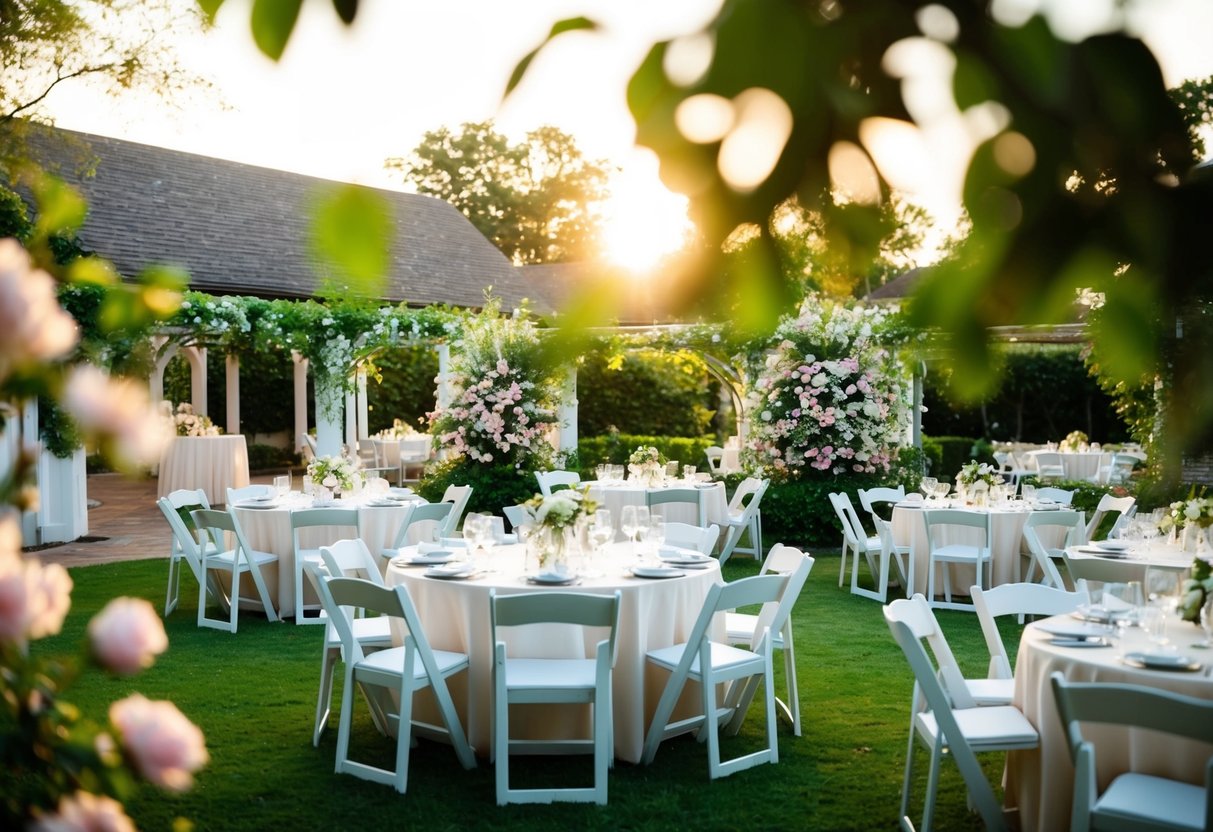
Choosing the right venue is crucial to creating a memorable wedding. It affects the guest experience and sets the tone for your special day. Planning early allows you to find the best options for your vision and your guests’ comfort.
Finding the Perfect Wedding Venue
Finding your dream wedding venue can be an exciting journey. Start by listing your priorities, such as size, location, and style.
A popular choice is to consider outdoor venues, which often provide beautiful backdrops.
Once you have a list, visit potential venues. Make sure they can accommodate your guest list comfortably.
Booking your venue should ideally happen 12 to 18 months in advance. This way, you secure your first choice and avoid stress as the date approaches.
Creating a Guest List
Your guest list shapes the atmosphere of your wedding. Start early by drafting a list of everyone you want to invite.
Consider family, friends, and colleagues.
A helpful tip is to categorize your guests into different groups. This could include close family, friends, and work acquaintances.
This categorization helps in deciding who to invite if you need to limit your list.
Remember, the size of your guest list may impact your venue choices.
Deciding on a Wedding Theme
Choosing a wedding theme adds a personal touch to your celebration. Think about what reflects you as a couple.
Popular themes include rustic, elegant, or beach-inspired.
Once you have a theme, it’s easier to select your venue, decorations, and even your guest attire.
Consider how the venue complements your theme. For example, a vintage theme works beautifully in a historic building.
Setting a theme early guides your decisions and ensures a cohesive experience for your guests.
Finalizing Details
As your wedding day approaches, there are important details to finalize. You’ll be making decisions on attire, invitations, and other key elements that shape your celebration.
Choosing Your Wedding Attire
When it comes to choosing your wedding dress, start by exploring different styles.
Visit bridal shops and try on various designs to see what feels right.
Consider your wedding theme and venue when selecting your attire.
Don’t forget about your wedding party! Coordinate their outfits to match the overall look.
It’s wise to set a wedding budget for your attire. This can help you stick to financial goals and prevent overspending.
If you’re worried about costs, look for sales or consider renting your dress.
Make sure to allow enough time for alterations, which can often take several weeks.
Ordering Wedding Invitations
Wedding invitations are a key part of setting the tone for your big day.
Choose a design that reflects your style, and don’t shy away from personalizing it. Consider including details about your engagement party or pre-wedding events.
Be mindful of your wedding budget when selecting your invitations.
You can save money by opting for digital invites or simpler designs.
Make a list of your guests early on to ensure you order enough invitations.
Once you’ve placed your order, give yourself ample time to address and mail them out. Many couples aim to send invitations eight to twelve weeks before the wedding.
Additional Considerations
Remember to think about your marriage license as you finalize plans. Each state has different requirements, so check the rules where you live.
Also, don’t forget about purchasing wedding rings!
If you’re feeling overwhelmed, consider hiring a wedding consultant. They can provide guidance and help reduce stress during your planning.
Finally, make a detailed wedding planning checklist to keep track of tasks. This can help you stay organized and ensure nothing is overlooked.