
Is Yellow or White Gold Better for Wedding Rings? A Guide to Choosing the Perfect Metal
Choosing the perfect wedding ring is an exciting journey for you. As you weigh your options between yellow and white gold, you might wonder which choice is better for your special day. You should know that your personal taste and lifestyle preferences will ultimately decide.
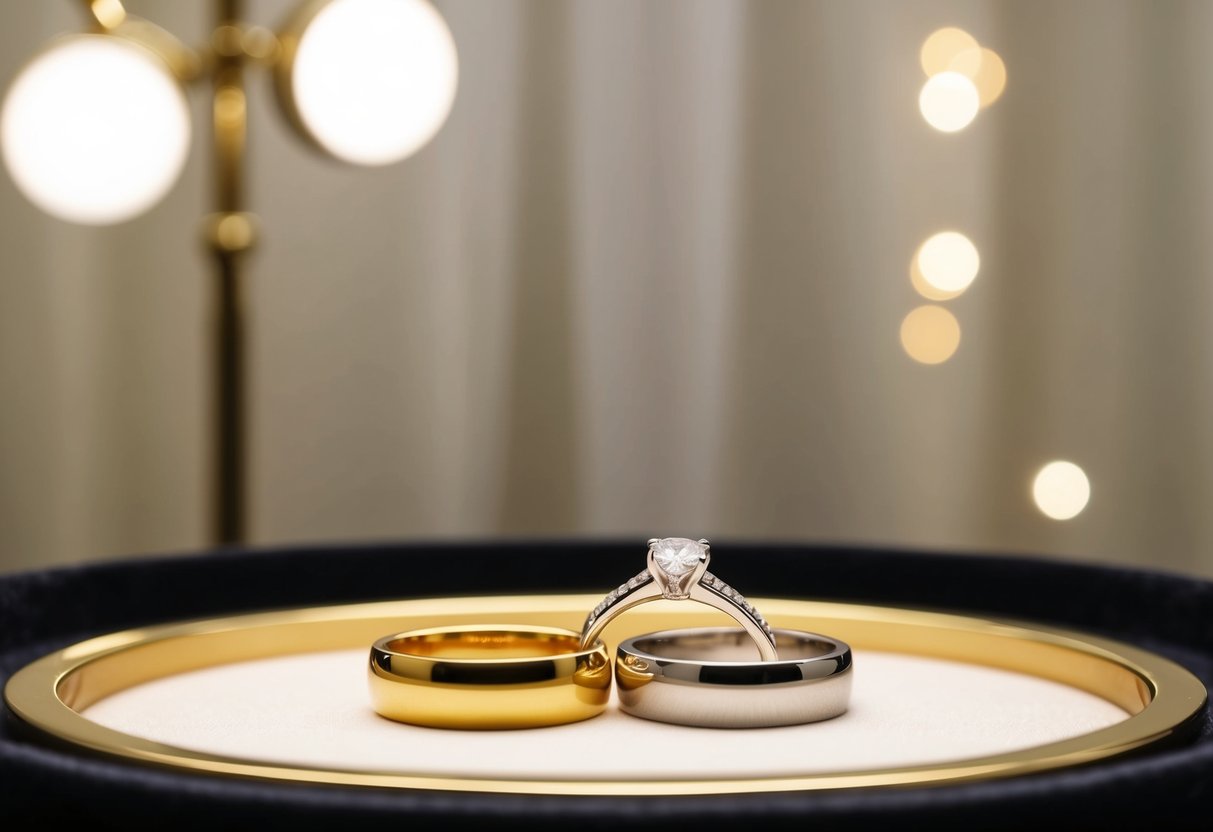
Yellow gold offers a classic and warm look that many find romantic, while white gold gives a modern and sleek appearance. Both options can beautifully complement your engagement ring. With trends changing and personal styles evolving, it’s essential to consider what feels right for you.
As you read on, you’ll discover valuable insights into the pros and cons of each type, helping you make a well-informed decision for your wedding ring that reflects your unique style.
Understanding Gold Alloys in Jewelry
When choosing a wedding ring, you need to understand gold alloys. These alloys determine the color, durability, and value of your jewelry. Knowing the differences in purity and karat can help you make an informed decision between yellow and white gold.
Definition and Role of Alloys
Gold itself is a soft and malleable metal. To enhance its strength and change its appearance, jewelers mix pure gold with other metals, creating gold alloys.
These other metals, such as copper, silver, or palladium, affect the color and properties of the gold. For instance, yellow gold is made by combining pure gold with copper and silver. In contrast, white gold contains metals like nickel or palladium, which give it a silvery hue.
Alloys are crucial in jewelry making because they improve durability. A gold ring made of white gold is less likely to scratch than pure gold. This durability is essential for everyday wear, especially for wedding bands.
Gold Purity and Karat Comparison
Karat (abbreviated as “K”) measures the purity of gold in an alloy. Pure gold is 24K, meaning it consists of 99.9% gold. Here’s a quick breakdown:
- 24K Gold: 100% pure gold; very soft, not ideal for rings.
- 18K Gold: 75% gold; a good balance between purity and strength.
- 14K Gold: 58.3% gold; more durable, popular for everyday jewelry.
Higher karat gold has a richer color but is softer. Lower karat gold is sturdier but less vibrant. When selecting a wedding ring, consider how much wear it will get and choose a karat that matches your lifestyle. For example, if you’re active, you might prefer a 14K or 18K option.
Yellow Gold vs. White Gold
Choosing between yellow gold and white gold for your wedding ring involves several factors. Each type has unique qualities that can affect your decision. Here’s a closer look at their color, durability, and cost.
Color and Aesthetic Appeal
Yellow gold has a warm, rich hue that many find classic and timeless. It often pairs beautifully with different skin tones. This color comes from gold mixed with copper and silver, which enhances its yellow shade.
In contrast, white gold offers a modern look with its silvery tone. It’s created by combining gold with metals like nickel, palladium, and zinc, giving it a bright, shiny appearance. White gold is often plated with rhodium for extra brightness and scratch resistance. Over time, however, this rhodium plating may wear off, requiring periodic re-plating to maintain its color.
Maintenance and Durability
When it comes to durability, white gold tends to be stronger due to its alloy composition. The addition of metals like nickel and palladium makes it more resilient, which can be an advantage for daily wear.
Yellow gold, while beautiful, is softer and can be more prone to scratches and dents. If you prefer a low-maintenance option, yellow gold might require more care. Regular cleaning and polishing can help maintain its luster.
Both types of gold can last for years if cared for properly. Choosing a lower karat (like 14K instead of 18K) can offer more durability for both yellow and white gold, as this means more alloy metals mixed with pure gold.
Cost Considerations
Cost is an important factor in your choice. Generally, yellow gold tends to be less expensive than white gold, as it usually has fewer alloy metals. The price can also differ depending on the gold prices at the time of purchase.
White gold may be pricier due to the rhodium plating and the higher amount of alloy metals used, which can increase its strength and durability. When budgeting for your wedding ring, consider both the initial cost and the potential maintenance expenses for rhodium re-plating over time.
Health and Lifestyle Factors
Choosing the right wedding ring involves more than just aesthetics. It’s important to consider how your choice affects your health and fits your lifestyle.
Allergies and Skin Sensitivity
When picking a wedding ring, you should think about any skin sensitivities or allergies you may have. Yellow gold is often thought to be more hypoallergenic. This is due to its natural metal composition, which typically contains fewer alloys. If you have sensitive skin, yellow gold might be a better fit.
On the other hand, white gold is made by mixing pure gold with white metals like nickel. Nickel can cause allergic reactions in some people. If you know you are allergic to nickel, it’s best to ask your jeweler about alternatives. You might want to consider white gold that’s alloyed with palladium, which is usually safer for sensitive skin.
Matching Metals to Your Lifestyle
Your daily activities can also influence which gold is best for you. Yellow gold is more durable and often withstands wear and tear better than white gold. If you lead an active lifestyle or work with your hands, yellow gold may be the right choice.
White gold, while beautiful and shiny, may require more maintenance. It often has a rhodium plating that can wear off over time, revealing a slightly yellow hue underneath. If you’re okay with occasional upkeep, white gold can still be a stunning option.
Making Your Choice
Choosing the right material for your wedding ring is an important decision. There are a few key factors to consider in order to match your preferences and lifestyle.
Considering Engagement and Wedding Rings
When selecting your wedding band, think about your engagement ring. If you have a yellow gold engagement ring, a matching yellow gold wedding band can create a classic look. On the other hand, if your engagement ring features diamonds or sapphires, a white gold band might complement those stones better.
Consider the purity of the gold as well. Options like 18 karat or 14 karat gold rings have different gold content. Higher karats mean more gold and usually a higher price, but they can also offer a richer color and added durability. Take your time to explore different combinations that appeal to you.
Influence of Personal Style and Tradition
Your personal style plays a big role in this decision. If you prefer a modern look, white gold rings provide a sleek and contemporary feel. Yellow gold rings, however, offer a more traditional appearance that many people cherish.
Skin tone is another factor. Warm skin tones often pair well with yellow gold, while cool tones might look sharper with white gold or even rose gold.
Your budget is also crucial. Fine jewelry can range widely in price, so determine what everyone can afford without compromising on quality.