
Japan Honeymoon Packages: Routes, Stays, and Planning Tips
Japan honeymoon packages can give you a well-paced route, comfortable stays, and key train bookings in one plan, leaving you more time to enjoy the trip together. For many first-time visitors, a 10- to 14-day itinerary through Tokyo, Hakone, Kyoto, and Osaka offers a rewarding mix of city life, hot springs, and historic neighborhoods.
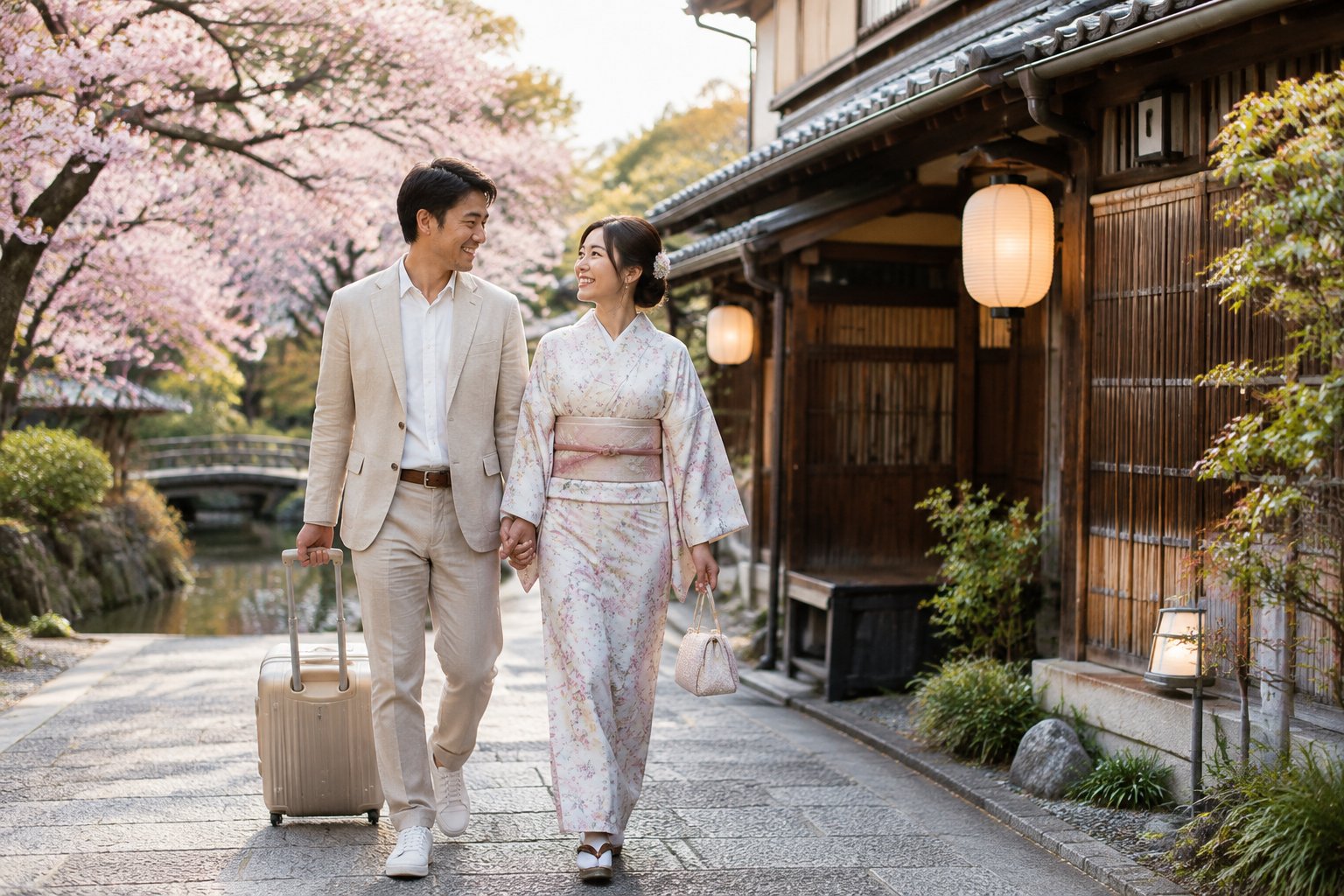
Choose a Japan honeymoon package that handles the logistics you want help with while keeping enough open time for the two of you. Before you book, check what the price includes, then match the route and lodging to your pace and priorities.
How Do You Choose the Right Itinerary?
A strong itinerary connects a few regions by train and leaves room for unplanned time together. A self-guided Japan honeymoon package can arrange hotels and intercity rail while giving you the freedom to explore at your own pace.
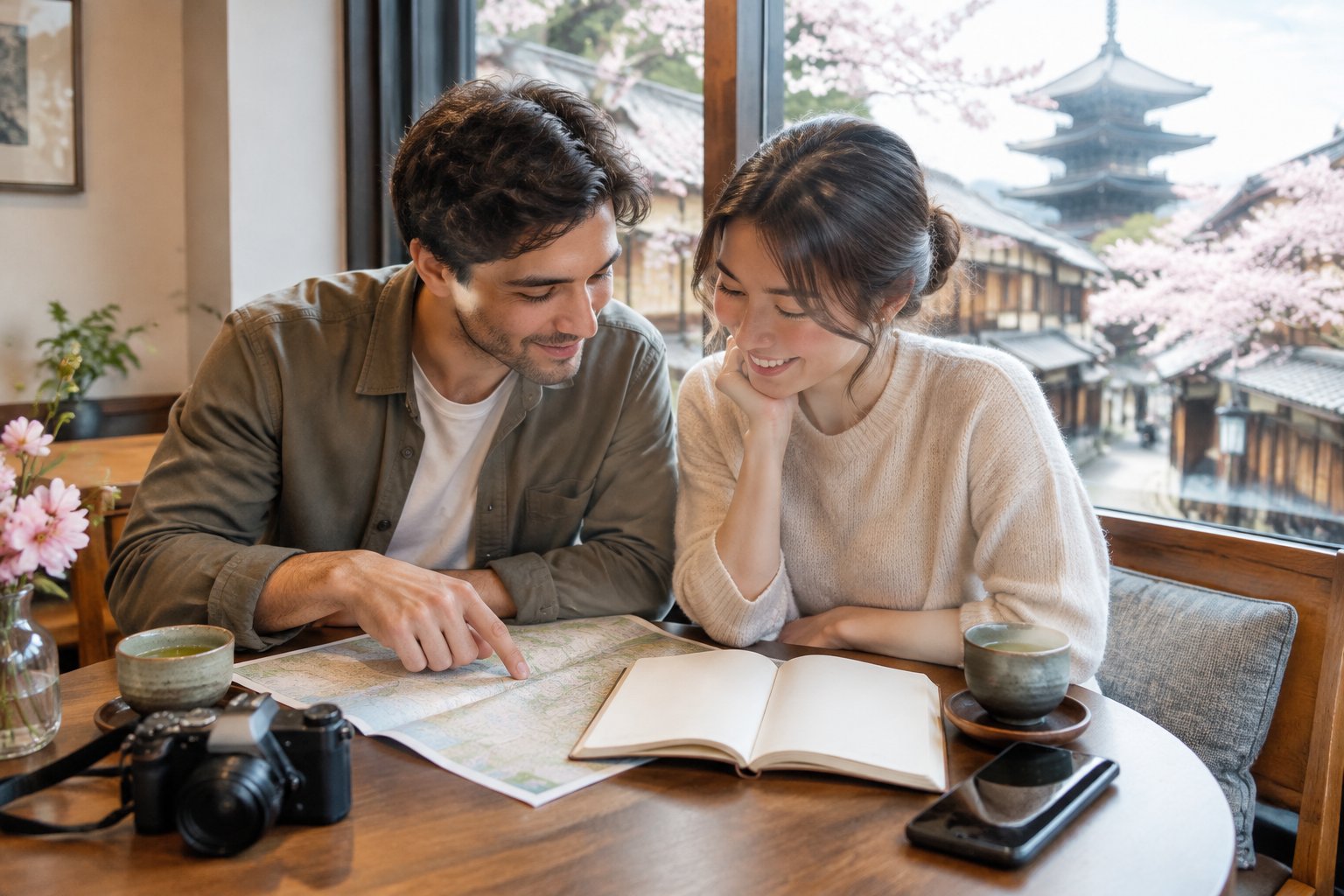
A guided Japan honeymoon tour adds local support on selected days, while independent travel gives you more control over your schedule. The Golden Route is a practical first-trip option because its major stops connect by shinkansen.
How Many Days Should You Plan?
Plan at least 10 days if you are flying from the United States and want time to adjust to the time difference. With 10 to 14 days, you can enjoy Tokyo, Kyoto, and Osaka, then add a slower stop such as Hakone or Nara.
A week can work if you focus on two or three bases. For a shorter trip, limit hotel changes and choose day trips from a central city.
If you have two weeks or more, you can add Hiroshima, Kanazawa, or a countryside stay without racing between destinations.
Should You Book a Guided or Independent Trip?
Choose a self-guided package if you want hotels and major train legs arranged, with your days left open. A partly guided trip suits you if you would value a private guide in Tokyo or Kyoto, help with local customs, or support through a busy transfer.
Check exactly which days include a guide and whether the guide is private or shared. If you book independently, allow time to reserve popular stays and train seats.
Compare the Japan Rail Pass with individual tickets for your planned route, since the best value depends on where and how far you travel.
What Makes the Golden Route a Good First Trip?
The Golden Route links Tokyo, Kyoto, and Osaka, giving you a clear introduction to contemporary city life, historic sites, and regional food. The shinkansen makes travel between major cities straightforward, and you can add Hakone for hot springs and Mount Fuji views.
Keep two or more nights in each main base when your schedule allows. That gives you time to unpack, enjoy an unhurried meal, and explore beyond the busiest sights.
Where Should You Go on a Japan Honeymoon?
For a first visit, pair Tokyo and Kyoto with Osaka or a relaxing stop near Mount Fuji. Japan offers a wide range of honeymoon destinations, so choose a few places that fit your pace instead of trying to cross the whole country.
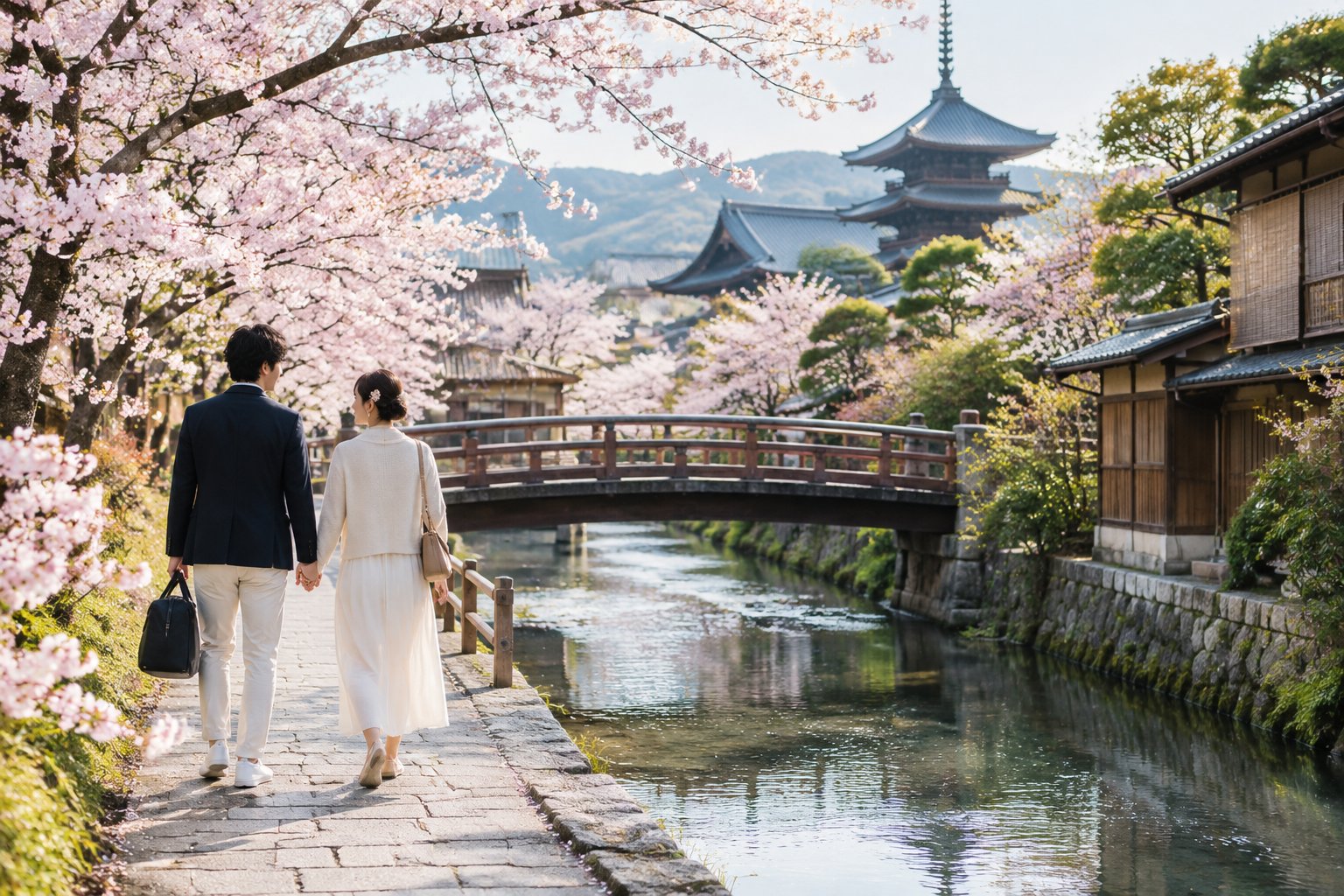
Tokyo brings lively neighborhoods and excellent dining; Kyoto offers temples, gardens, and traditional lanes. For a wider mix of scenery, add an onsen town, a coastal stay, or a northern or southern region.
What Are the Best Stops for a First Visit?
Tokyo, Kyoto, and Osaka make an easy first-trip trio. In Tokyo, you can explore distinct neighborhoods and choose from a deep range of romantic Tokyo stops.
Kyoto brings historic temples and traditional arts, while Osaka adds late-night food and lively streets.
Add Hakone for hot springs and views of Mt. Fuji, or visit Lake Kawaguchi for a lakeside perspective of the mountain. Nara makes a simple day trip from Kyoto or Osaka, with temples and a park known for its free-roaming deer. These stops are close enough to fit together without turning every day into a transfer.
Which Regions Suit a Slower or More Adventurous Trip?
For a slower honeymoon, spend extra nights in Kansai or choose the Izu Peninsula, with its hot springs and coastal scenery. Koyasan offers a quiet mountain stay, while Kanazawa pairs historic districts with gardens and museums.
For a more active route, explore the Japanese Alps around Takayama, or head to Yakushima for forest walks and lush island landscapes. Hokkaido suits couples drawn to wide-open nature and seasonal outdoor activities; Sapporo works as a city base.
Nagoya can break up travel between Tokyo and Kyoto, and Fukuoka is a gateway to Kyushu. Browse romantic mountain destinations if you want your trip to include a highland retreat.
How Can You Add Hiroshima and Miyajima?
Give Hiroshima and Miyajima at least two days if you want time for both. In Hiroshima, visit the Peace Memorial Park and Museum, then take a ferry to Miyajima Island for its shrine, wooded trails, and waterfront views.
You can see the main sights on a long day trip from Kyoto or Osaka, though an overnight stay lets you explore after day visitors leave. For a broader regional itinerary, consider honeymoon destinations across Asia as you compare Japan with nearby options.
Which Romantic Stays and Experiences Are Worth Planning?
Choose a special stay or activity that gives you time to slow down together, such as a ryokan with an onsen or a shared cultural experience. Book popular lodging and timed activities ahead, especially for peak travel dates.
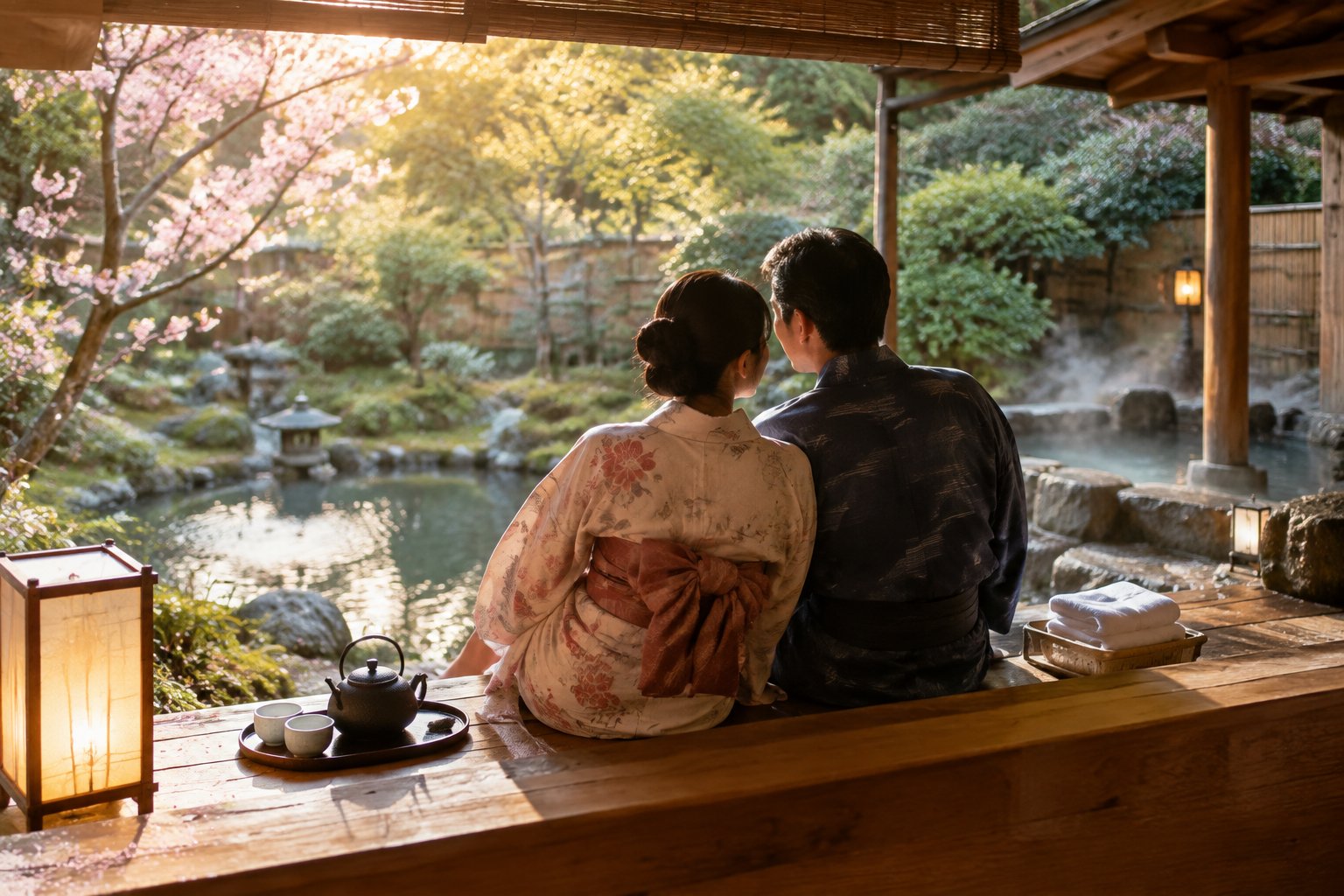
A night at a traditional inn can bring a change of pace after city hotels. In Kyoto and Tokyo, plan one or two major sights each day, then leave space for meals and neighborhood walks.
Should You Stay in a Ryokan With an Onsen?
Yes, a ryokan stay with an onsen can make a memorable honeymoon highlight. Many traditional inns pair Japanese-style rooms with attentive hospitality and meals, while some offer a private onsen for a more secluded soak.
Check whether the bath is in your room or shared, and confirm meal times and any bathing rules before booking. A kaiseki dinner is a multi-course meal that showcases seasonal ingredients and regional dishes.
If you want a private bath, ask about availability and whether you need to reserve a time. Couples seeking a quiet retreat can explore private honeymoon getaways while comparing lodging styles.
Which Cultural Experiences Can You Share?
A tea ceremony offers a calm introduction to Japanese hospitality and tea traditions. You can also book a sake tasting or a kimono experience, then explore a historic neighborhood together.
In Kyoto, visit Fushimi Inari Taisha early for a quieter walk through its rows of red gates. The Arashiyama bamboo grove is another popular stop; arriving early gives you a better chance to enjoy its paths at a relaxed pace.
Maruyama Park is a lovely place to stroll, especially during cherry blossom season.
Where Can You Find Memorable City and Nature Views?
For mountain scenery, look toward Lake Kawaguchi, also called Lake Kawaguchiko, where clear weather can bring views of Mount Fuji. In Kyoto, Kiyomizu-dera Temple offers hillside views across the city, and the Gion district is especially atmospheric in the evening.
In Osaka, combine a visit to Osaka Castle with dinner around Dotonbori. In Tokyo, Shibuya Crossing gives you a vivid snapshot of city energy, while Ueno Park offers broad paths and seasonal blossoms. Senso-ji Temple in Asakusa adds a historic setting to a day in the capital.
When Should You Go, and What Travel Details Matter?
Spring and autumn offer comfortable conditions for exploring cities and countryside, while each season brings its own scenery. For a smooth arrival, choose your airport based on your flight and first hotel, then check entry rules for your passport before departure.
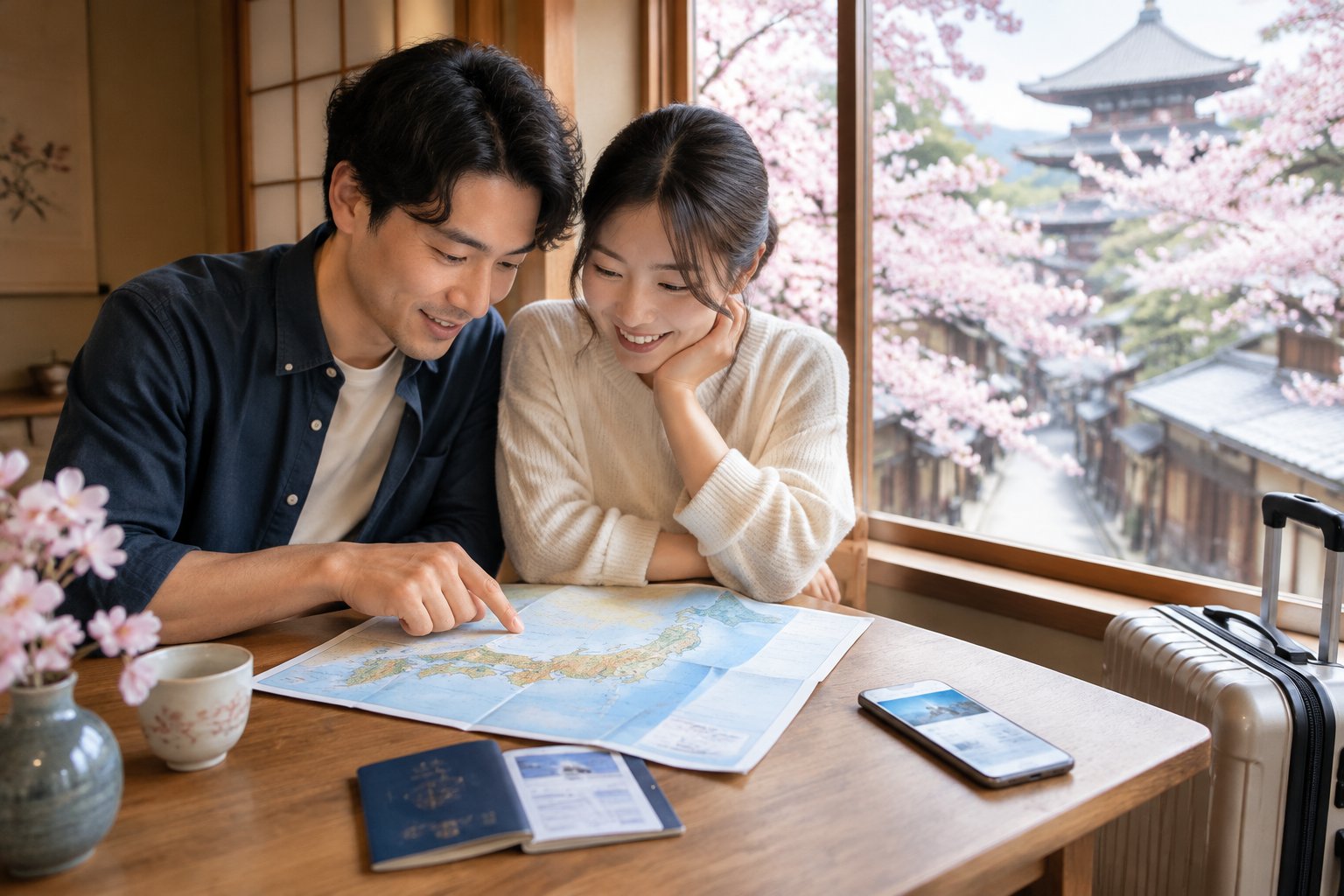
Peak-season demand affects hotel availability and train reservations, so give yourself time to book. Your preferred weather, seasonal sights, and tolerance for crowds can help you settle on dates.
What Is the Best Time to Visit Japan?
The best time to visit Japan depends on the weather and seasonal sights you want. Cherry blossom season draws large crowds, and bloom dates shift from year to year.
Autumn foliage brings colorful scenery, especially in Kyoto, while winter is a good fit for snow, illuminations, and hot spring stays. Spring and fall are popular for comfortable sightseeing.
Summer can bring heat and humidity in major cities, though it suits beach trips and mountain escapes. If you plan to travel around Golden Week in late April and early May, book hotels and transport well ahead.
Which Airports and Transport Options Should You Consider?
Narita International Airport and Haneda Airport serve the Tokyo area. Haneda is closer to central Tokyo, while your flight schedule and fare may make either airport the better choice. Check your arrival time and the route to your first hotel before booking.
For travel between cities, the shinkansen is fast and comfortable. Local trains, subways, and buses help you get around once you arrive.
A Japan Rail Pass can suit a longer itinerary with several covered rail journeys, so compare its current price with separate tickets for your route.
Do You Need a Visa?
U.S. citizens visiting Japan for tourism for up to 90 days generally do not need a visa. Keep a valid U.S. passport for your stay, and check current entry rules with the Japanese Embassy or Consulate before you travel, since requirements can change.
How Much Do Packages Cost, and What Do They Include?
Japan honeymoon packages range from rail-and-hotel arrangements to trips with guides, private transfers, or upgraded stays. Published sample itineraries span roughly $3,000 to $11,700 per person for ground arrangements, with price shaped by trip length, season, room level, and included services.
Compare the full cost for both travelers, including flights and expenses left out of the package. Look at affordable honeymoon packages if you are setting a firm budget, and read each itinerary’s inclusions closely.
What Is Usually Included in a Package?
Many packages cover hotels, breakfast, and major train journeys between cities. Some also arrange airport transfers, luggage delivery, private guides, or select dinners. Flight-inclusive plans bundle international airfare, while many land-only packages leave flights to you.
Check the details in writing. Confirm how many hotel nights include dinner, whether train seats are reserved, and which local transit or admission fees are covered.
If a package is described as all-inclusive, compare its actual list of meals, transport, and activities with other all-inclusive honeymoon packages.
Which Extra Costs Should You Budget For?
Set aside money for international flights if they are not included, along with lunches and dinners outside the itinerary. You may also pay for local transit, temple admissions, drinks, shopping, and hotel taxes.
Travel insurance is another cost to check. Review medical coverage and cancellation terms before you pay a deposit, and ask when the remaining balance is due.
If you are traveling with large suitcases, confirm whether luggage forwarding is included and check the train’s oversized-baggage rules.
How Can You Compare Package Value?
Compare packages for the same dates, hotel standard, and trip length. Then review the details that change your total: airfare, meals, transfers, rail tickets, luggage delivery, and support during the trip.
Prices are often listed per person for two people sharing a room, so confirm that basis before comparing totals. Ask for a complete written itinerary and itemized inclusions, then add the costs you will pay separately. This gives you a clear estimate of the amount you and your partner will spend.