
Lakeside Wedding Venues for Sale: Buyer’s Guide
You can find lakeside wedding venues for sale through commercial property marketplaces, business-sale sites, and brokers who focus on waterfront real estate. Your search should cover both operating venues and lakefront properties that could support a venue after you confirm local land-use rules.
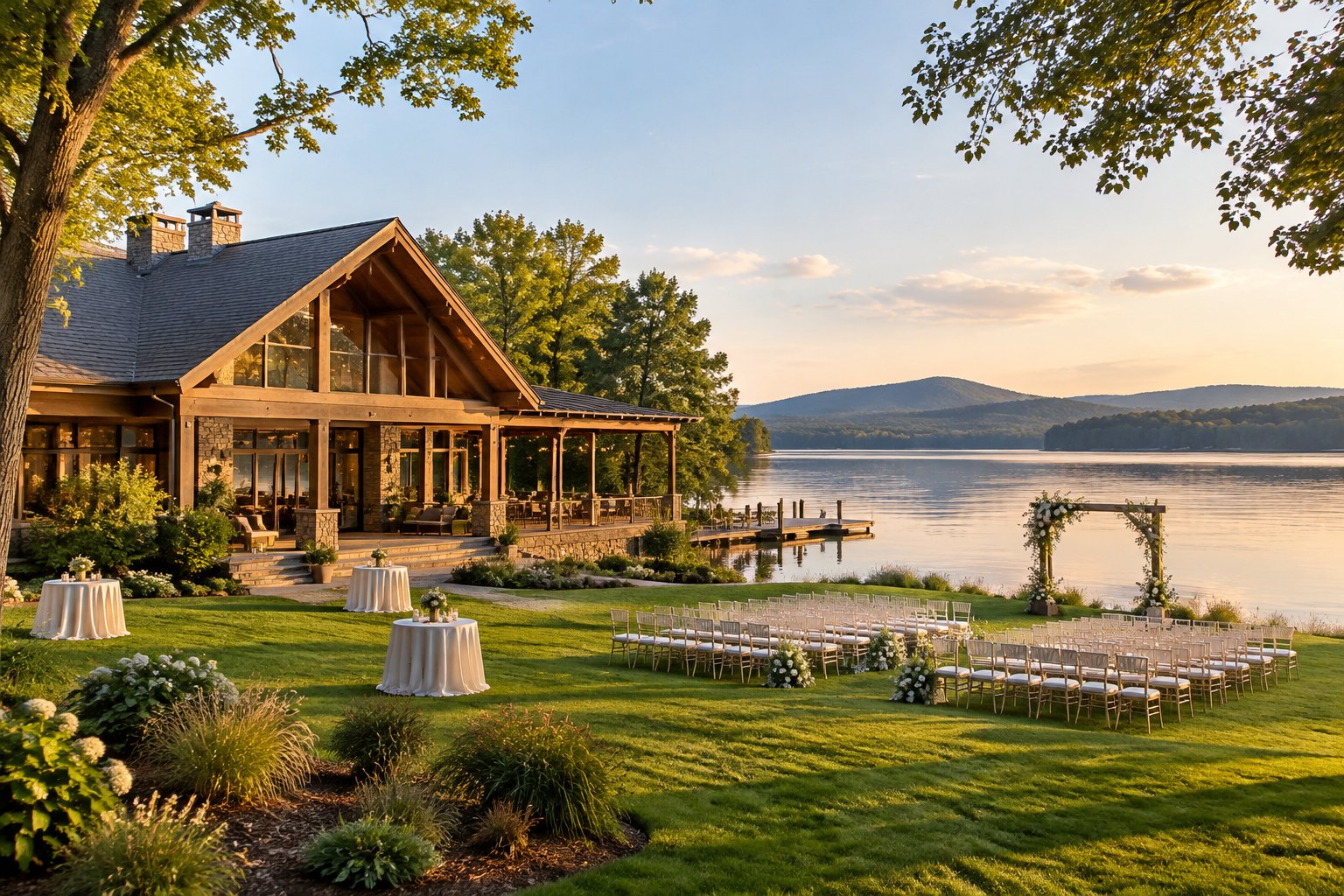
When a property catches your eye, ask the listing representative for current details and arrange a visit before you make plans around it. A beautiful shoreline is a strong draw, while access, permits, and seasonal conditions shape how you can use the site.
Where Can You Find Lakeside Properties for Sale?
Search commercial property platforms, business-sale marketplaces, and lake-focused broker networks to find potential properties. You can also ask local commercial agents about private or coming-soon listings, since some owners prefer a confidential sale.
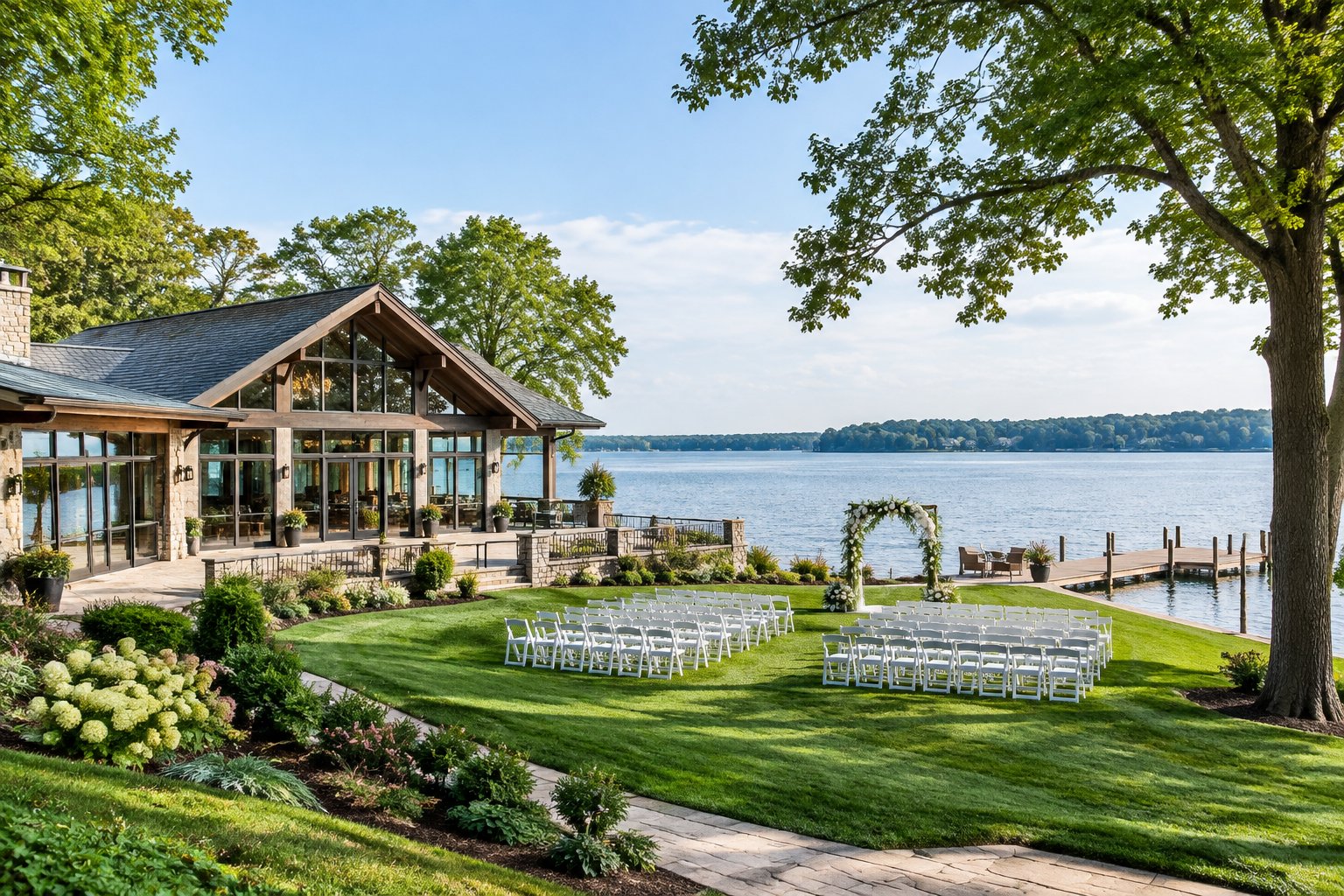
Set alerts for terms such as “wedding venue,” “event venue,” “lakefront property,” and “event center.” Then check the property type, acreage, buildings, lake access, and whether the business is included.
Which Listing Sites and Brokers Should You Check?
Start with commercial platforms such as LoopNet and Crexi, then search business-sale marketplaces such as BizBuySell. Lake-focused brokerages can help you find waterfront real estate, while a local commercial real estate broker can explain nearby competition and land-use rules.
Search across more than one category. A property suited to weddings might be listed as a lodge, retreat center, restaurant, resort, or event space. If you are comparing the customer experience a venue could offer, ideas such as lake wedding ideas can help you think about how the setting might appeal to couples.
How Can You Spot Listings That Are No Longer Available?
Check the listing date and contact the named agent or seller to confirm that the property is still available. A listing can remain online after an offer, sale, or change in status.
Ask for written confirmation of the asking price, included assets, and sale terms before you schedule detailed inspections. When two platforms show different details, use the listing representative’s current information and verify the property owner through public records or your broker.
What Should You Expect to Pay?
Expect the asking price to reflect the property, the venue business, and the rights or assets included in the deal. Compare each listing by scope, since one price might cover land and buildings while another includes an operating company, equipment, or future bookings.
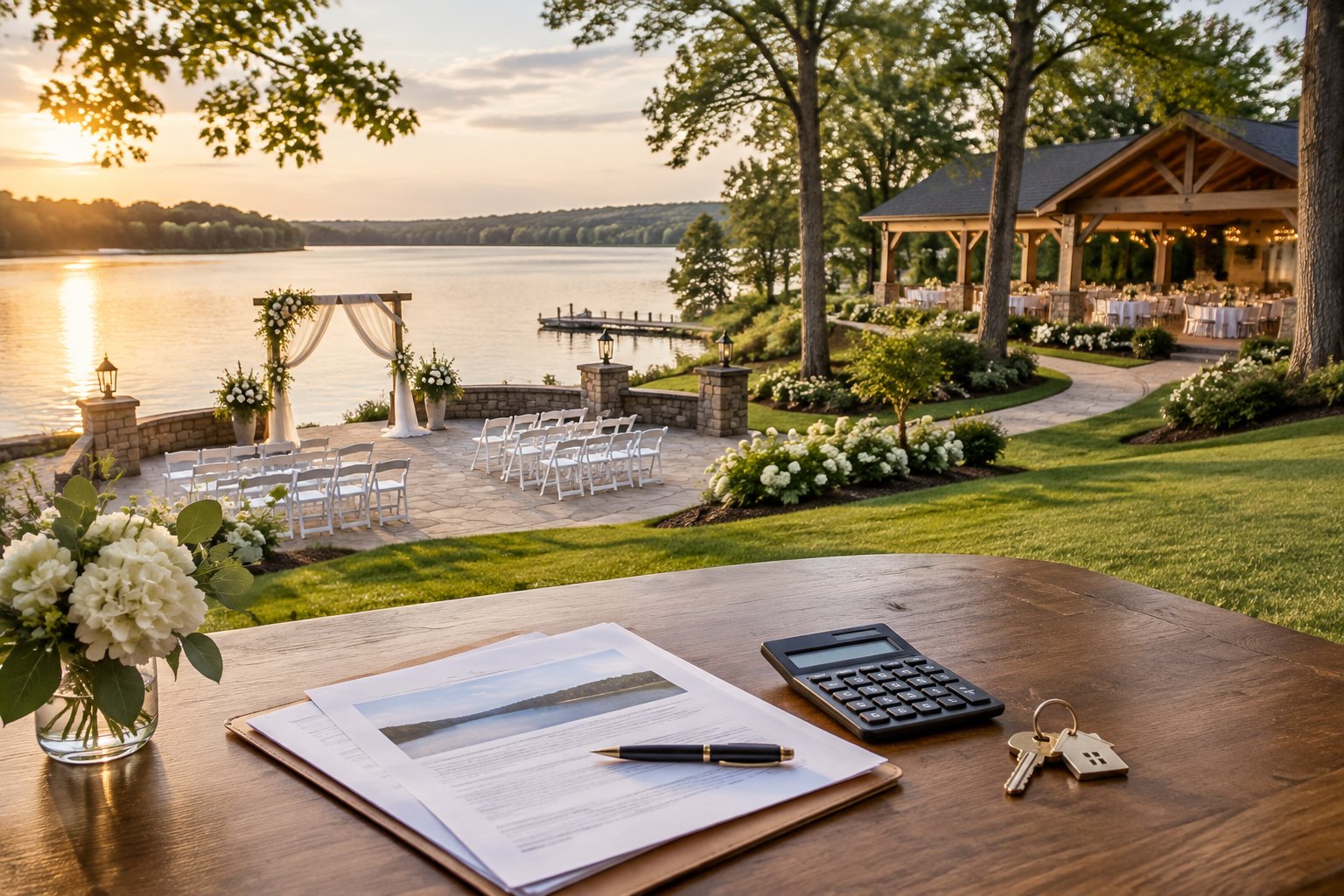
Request a clear breakdown of the sale and budget for inspections, repairs, professional fees, and working capital. A headline price alone will not show the full amount you need to complete the purchase and prepare for operations.
Which Factors Drive the Asking Price?
Location, acreage, lake frontage, building condition, and permitted capacity all affect the asking price. A usable indoor reception space, lodging, parking, and well-kept grounds can add value, while deferred maintenance or limited access can increase your costs.
For an operating venue, review event volume and financial records alongside the property details. Look at revenue by service line, expenses, debt, and owner duties. Future bookings deserve their own review because each event brings delivery costs and customer obligations.
Seasonality also shapes the business case. Compare monthly bookings and cash flow, then consider how weather, road access, and local demand affect the calendar.
How Should You Compare Property and Business Value?
Separate the real estate from the operating business in your analysis. The real estate includes land and buildings; the business may include equipment, the brand, customer records, and contracts, depending on the deal.
Ask a qualified appraiser or commercial real estate professional to assess the property. Have a CPA or business valuation professional review the business records and support for the seller’s asking price. Compare similar properties and businesses in the same market, and confirm that any property value included in a business comparison is not counted twice.
How Do You Evaluate the Lakeside Property?
Walk the full site and assess its capacity, condition, lake access, and exposure to weather before you judge its fit. A venue needs a workable event layout as well as a scenic view, and waterfront conditions can affect access, maintenance, and operations.

Visit during different conditions if possible, and compare what you see with the survey, inspection records, and seller’s claims. Ask local officials about any restrictions that could affect the property’s use.
Are the Grounds, Buildings, and Guest Capacity a Good Fit?
Check whether ceremony areas, reception rooms, getting-ready spaces, restrooms, and parking support the event size you plan to host. Confirm the posted occupancy limit with local authorities and compare it with the seller’s advertised capacity.
Inspect roofs, heating and cooling, electrical systems, plumbing, and fire-safety equipment. Review the condition of roads, paths, lighting, and drainage across the grounds. Ask an accessibility professional to assess entrances, routes, restrooms, and parking, especially if renovations are planned.
Think about the full guest experience from arrival through departure. A site plan can help you assess vendor access, service areas, guest circulation, and indoor options for poor weather.
What Lake Access, Shoreline, and Weather Risks Should You Assess?
Verify what lake access comes with the property. Review the survey, deed, easements, dock rights, shoreline boundaries, and any rules set by a lake association or public authority.
Ask about flooding, erosion, changing water levels, stormwater drainage, and shoreline work. Check flood maps and request any past insurance claims or engineering reports. Confirm with local and state authorities whether shoreline structures or planned improvements need permits.
Plan for wind, rain, heat, cold, and seasonal changes in water levels. Ask how the venue handles outdoor events during severe weather, and review insurance coverage with a qualified agent. Also check whether nearby roads and parking remain usable during heavy rain or winter conditions.
What Business and Legal Details Need Due Diligence?
Review the venue’s contracts, financial records, permits, and ownership documents before you agree to buy. A venue sale may include real estate, a business, or both, so identify exactly which assets and obligations transfer to you.

Have your attorney and accountant compare seller records with contracts, tax filings, and public documents. Ask local officials to confirm the property’s approved uses and the permits needed for your plans.
Do Bookings, Deposits, and Business Assets Transfer?
Request a schedule of every future event, including signed contracts, payment dates, deposits, cancellation terms, and remaining work. Match deposits to bank records and identify who will handle refunds, rescheduling, and event delivery after closing.
Confirm in writing which assets transfer. These might include furnishings, kitchen equipment, rental inventory, business records, the venue name, website, social accounts, and phone numbers. Review vendor agreements and staff arrangements, including any consent needed to continue them.
A booking calendar represents work you must fulfill, not free cash. Ask your attorney to set out how deposits, customer credits, vendor advances, and outstanding event duties will be handled in the purchase agreement.
How Can You Verify Zoning, Permits, and Operating Records?
Contact the local planning or zoning office to confirm that wedding and event use is allowed on the property. Request current zoning approvals, any conditional-use permits, certificates of occupancy, fire inspection records, and posted capacity limits.
Ask about food service, alcohol service, noise rules, event hours, septic or sewer limits, and parking requirements. Permit rules vary by location, and approvals may be tied to the current owner or business entity. Confirm transfer requirements with the issuing agency before closing.
Review event contracts, tax filings, insurance policies, financial statements, and any records of complaints or claims. If you need to check legal requirements for a ceremony, your plans should account for what you legally need for a wedding as well as the venue’s own operating approvals.
How Can You Move From Inquiry to Purchase?
Move from an initial inquiry to a purchase by requesting evidence, checking the property and business, and documenting clear deal terms. Keep a written list of open questions so you can track answers through negotiations and closing.
What Should You Request From the Seller?
Start with the property’s parcel information, survey, title details, utility information, inspection reports, and list of included fixtures or equipment. Ask for several years of financial statements and tax returns, plus current figures for revenue, expenses, debt, and upcoming costs.
For an operating venue, request event records and copies of future booking contracts. Ask for a breakdown of deposits received and any cancellation, refund, or rescheduling obligations. If the seller claims a permit, approval, or asset transfers with the sale, request the related document and confirm the process with the proper authority.
You can sign a confidentiality agreement if the seller requires one before sharing sensitive records. Review its terms with your attorney before signing.
When Should You Bring in a Broker, Attorney, or Inspector?
Bring in a commercial broker early if you need help locating properties, comparing local sales, or understanding a complicated listing. An attorney can review the purchase structure, contracts, title, permits, and transfer terms before you commit.
Hire qualified inspectors to assess the buildings and site, and ask specialists to review shoreline, septic, accessibility, or environmental concerns when those issues apply. A CPA or valuation professional can test the business records and separate operating value from real estate value. Coordinate your advisors’ findings before agreeing to final price, contingencies, repairs, and closing terms.