
Luxury Wedding Venues Queens: How to Choose
You can choose a luxury Queens wedding venue by matching its style, guest capacity, catering policy, and full cost to your celebration. A grand ballroom, a rooftop, or a hotel event space can each create a polished setting, with different needs for guest travel and event flow.
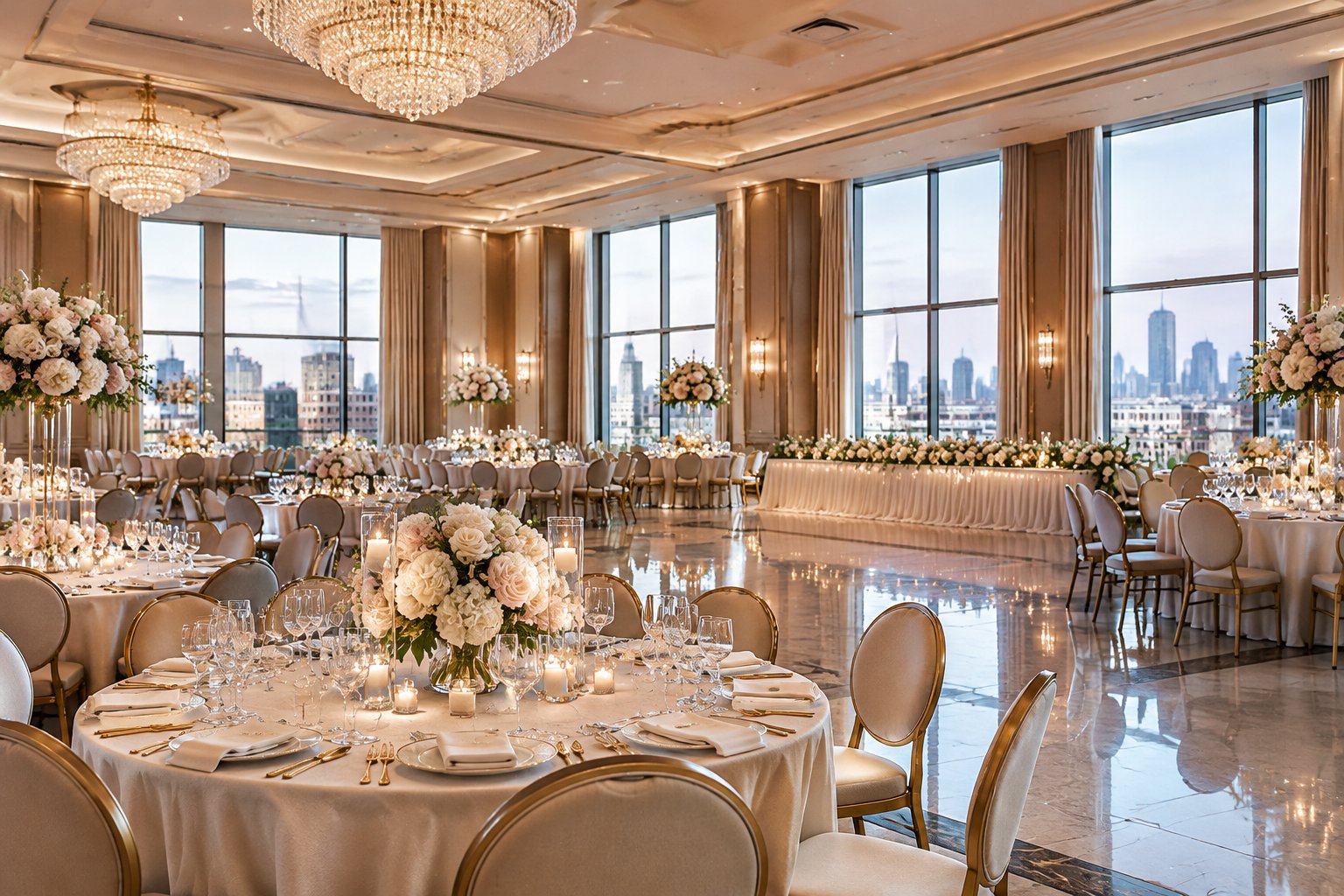
Compare written quotes and schedule tours before you commit. As you visit, ask to see the rooms you would use and get the package details in writing.
Guests coming from out of town? Compare hotels and rentals near Queens, New York for your dates.
What Kinds of Luxury Settings Can You Find in Queens?
Queens offers elegant ballrooms, banquet halls, hotels, rooftops, and garden settings, so you can choose a space that suits your wedding style and guest count. Look beyond décor to consider the room’s light, sound, layout, and service.
What Makes a Ballroom or Banquet Hall Feel Special?
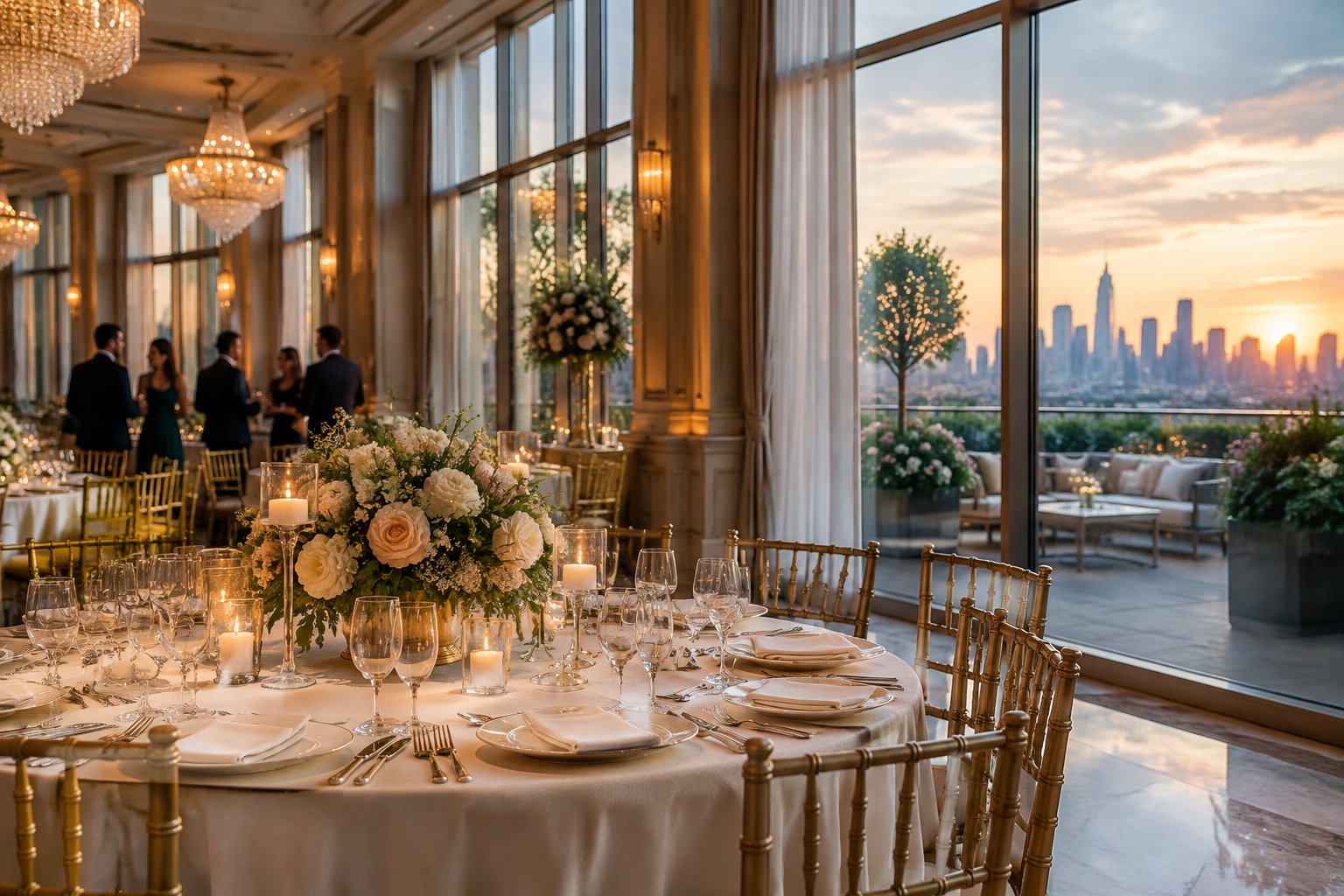
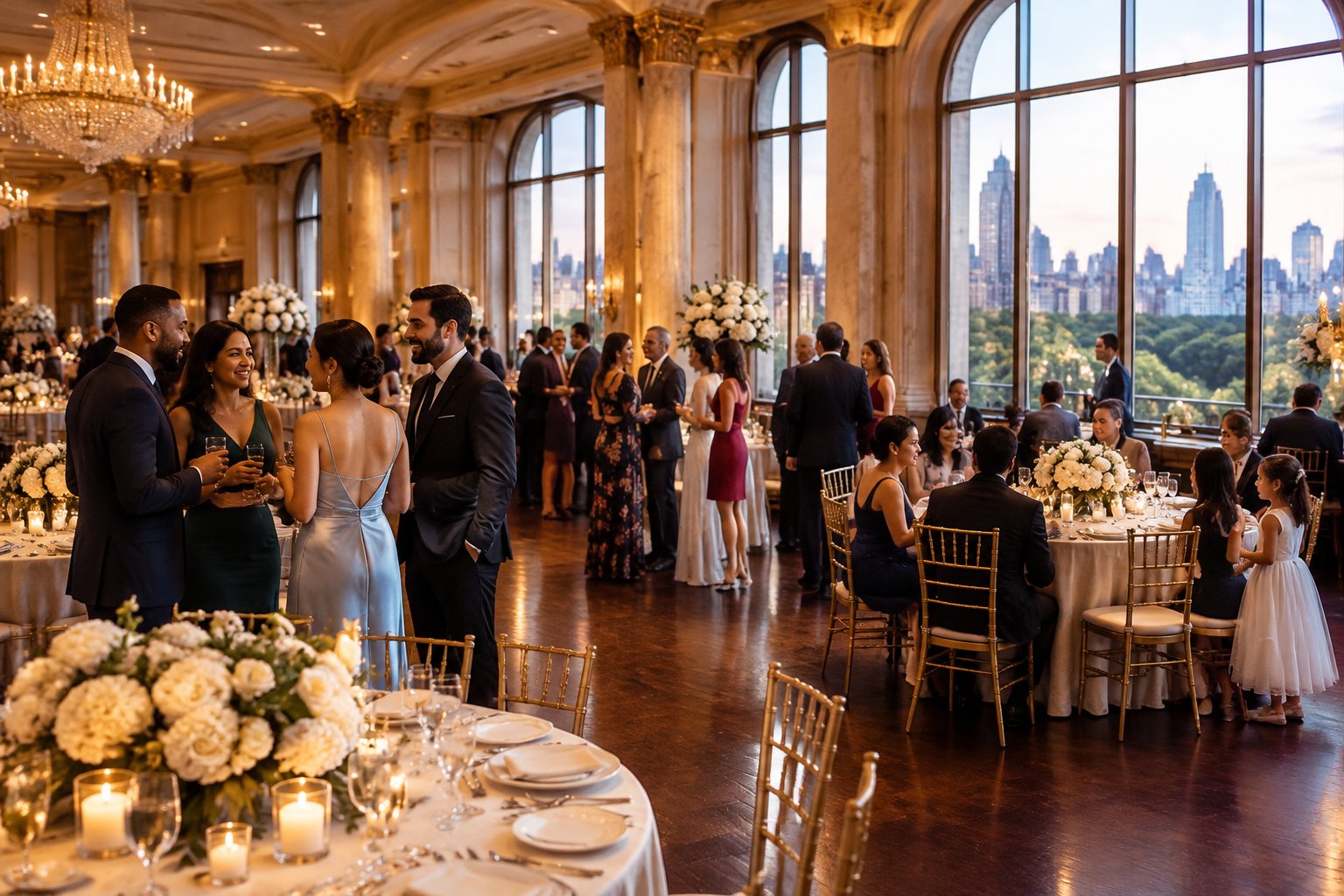
A ballroom feels special when its scale and details support your celebration. Look for ceiling height, attractive lighting, clear sightlines, and enough room for dining and dancing. A grand ballroom can make a large reception feel festive, while smaller banquet halls can bring guests closer together.
Ask what the room includes. Tables, chairs, linens, and lighting may be part of the package, while specialty décor may carry an extra charge. A well-planned luxury wedding venue pairs a refined setting with attentive service and a layout that works for the event.
When you tour a Queens ballroom, stand at the entrance and check whether guests can find the bar, dining area, and dance floor easily. Ask how the team handles room setup and the transition from cocktail hour to dinner.
Are Rooftops, Gardens, and Hotels Worth Considering?
Rooftops, gardens, and hotels are worth considering when their setting fits your plans and their backup arrangements are clear. A rooftop gives you an open-air feel and city views. A garden setting adds greenery and natural light, while a hotel can make it easier for out-of-town guests to stay nearby.
For a garden celebration, check the ceremony area, available shade, and the indoor plan for rain or extreme heat. You can compare styles through these garden wedding venues in Queens. For a rooftop, ask about wind, sound limits, elevator access, and the time guests must move indoors.
How Much Space Does Your Guest List Need?
Choose a room based on your expected attendance and the setup you want, not only the venue’s maximum capacity. A seated dinner with a dance floor, stage, or large décor pieces needs more space than a ceremony with rows of chairs.
Ask for the capacity for your exact layout and request a floor plan. If you’re planning a smaller gathering, explore intimate wedding venues in Queens and ask how the room will feel with your guest count. Make sure there’s space for guests to move between tables, the bar, and the dance floor.
How Much Should You Budget?
Set your venue budget using the full event price, including food, drinks, service charges, taxes, and any rentals. The first quoted rate gives you a starting point, while a detailed estimate shows what you’ll pay for your date and guest count.
Ask each venue to price the same guest count, event hours, and date range so you can make a fair comparison. A clear plan for your full wedding budget helps you decide what to prioritize; budgeting for a wedding can help you set that amount before you tour.
What Should You Compare in Venue Packages?
Compare what each package includes and how each charge is calculated. Check the food and beverage options, staffing, room access, tableware, setup, cleanup, and event hours. If the venue offers an all-inclusive package, confirm which services are included and whether you can choose from different vendors or styles.
A package that combines several services can simplify planning and put more costs on one estimate. Review all-inclusive wedding venues in Queens as you consider how bundled services fit your plans. Ask for a sample contract and a current quote based on your expected attendance.
Which Additional Fees Can Affect the Final Cost?
Service charges, taxes, overtime, security, cake cutting, and rental costs can raise the final bill. Ask whether your quote includes each charge and what could change the total after you sign.
Check the deposit amount, payment dates, cancellation terms, and refund policy. Ask whether you’ll pay extra for an outdoor ceremony space, a room change, or access for early vendor setup. Keep a written list of quoted fees and confirm that the final contract matches it.
How Do Catering Policies Shape Your Choice?
A venue’s catering policy affects your menu choices, planning workload, and final bill. Ask whether you must use in-house catering, choose from an approved list, or bring in an outside caterer, then confirm all related fees.
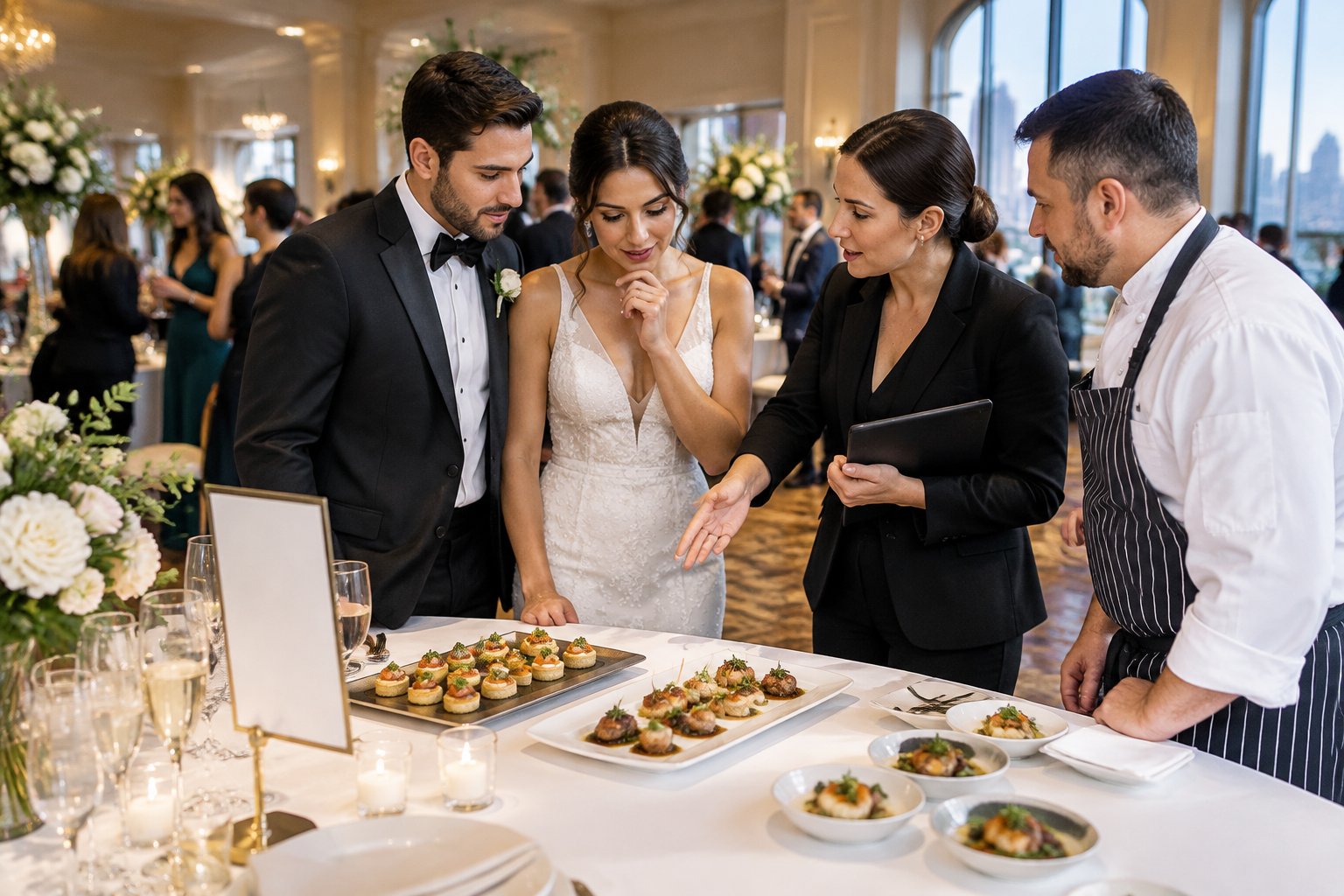
The right setup should support your food traditions and your service style. For menu planning, consider the questions involved in choosing a wedding caterer.
What Should You Ask About In-House Catering?
Ask to review sample menus, service styles, beverage options, and prices per guest. Find out whether you can arrange a tasting, how the staff handles allergies, and what the bar package includes. Ask who coordinates food service with the reception schedule.
Confirm whether the price covers servers, bartenders, tableware, and cleanup. Ask how the venue handles menu changes and final guest counts, and make sure deadlines appear in the contract. If you have dietary needs, request specific examples of meals the kitchen can prepare.
When Is Outside Catering a Better Fit?
Outside catering can suit you when you have a preferred caterer or need a menu the venue does not offer. Before booking, confirm that outside food is allowed and ask whether the venue uses a preferred list or requires proof of insurance.
Find out whether the caterer can use the kitchen and what equipment is available. Ask about kitchen fees, delivery timing, setup, cleanup, and who supplies serving items. Get the venue’s rules in writing and share them with your caterer before signing a separate contract.
Can the Menu Support Caribbean Weddings and Other Traditions?
A venue can support Caribbean weddings and other cultural celebrations when its kitchen or catering policy accommodates your dishes, service traditions, and event schedule. Ask about menu tastings, family-style service, buffet options, and the timing of special food rituals.
Discuss the dishes and serving methods you want, including any ingredients that require special handling. If you’re bringing an outside caterer, confirm kitchen access and service rules early. Share the expected timeline with both the venue and caterer so meal service fits the celebration.
Which Queens Neighborhood Fits Your Guest List?
Choose a Queens neighborhood by weighing the setting you want against how guests will reach it. Venue style, nearby transit, parking, and hotel access can shape the arrival experience for everyone.
Start with your guest list’s likely travel patterns, then compare venues that fit your preferred atmosphere. If an outdoor, coastal setting appeals to you, beach wedding venues in Queens offer another style to consider.
What Do Long Island City, Flushing, and Astoria Offer?
Long Island City offers a city setting, with industrial spaces, modern event rooms, and skyline views at some locations. Flushing has a wide range of food and cultural influences, which may help if you’re planning a menu tied to family traditions. Astoria offers a neighborhood feel and access to restaurants and local streets.
Visit each area at the time your guests would arrive. Check the walk from transit, the drop-off area, and how guests will find the entrance. Ask the venue about event-day traffic or access limits that could affect arrival plans.
How Should You Weigh Transit, Parking, and Nearby Hotels?
Weigh transit, parking, and hotel access using the needs of your actual guests. A venue near a subway station can help guests traveling without a car, while on-site parking can make arrival easier for families and older relatives.
Ask how many parking spaces are available and whether they are free or paid. Check nearby hotel options and typical travel times from major transit stops. If many guests are traveling from outside Queens, consider whether a shuttle or shared ride plan would help.
What Should You Confirm Before Booking?
Before you book, confirm the floor plan, access details, amenities, and key contract terms in writing. A tour should show you how your guests will use the space from arrival through the end of the reception.
Will the Layout Work for Your Ceremony and Reception?
Ask whether the venue can host both your ceremony and reception, and how staff will change the room between events. Review a floor plan with the ceremony seating, dining tables, dance floor, and any stage or DJ setup marked.
Confirm the guest capacity for each layout and ask how long the room change takes. If you’re using an outdoor ceremony space, get details about the indoor backup and who makes the weather call.
Which Amenities and Accessibility Details Matter Most?
Check the amenities your guests and vendors will rely on, including restrooms, coat storage, changing areas, sound equipment, and vendor access. Ask whether the venue has step-free entry, elevators, accessible restrooms, and seating options for guests with mobility needs.
Confirm where guests can wait or gather before the event begins. Ask about microphones for speeches, power outlets for entertainment, and any sound limits. If guests will drive, check the parking route and distance from the lot to the entrance.
What Questions Should You Ask During a Tour?
Bring a written checklist and ask the coordinator to confirm answers in the contract. Cover the date, event hours, setup access, staffing, payment schedule, cancellation terms, and any rules for décor or vendors.
Ask who will be your main contact on the wedding day and how the team handles timeline changes. Before you pay a deposit, compare the written terms with your notes and request updates for any missing details.