
Micro Wedding vs. Elopement: Which Fits Your Day?
Choosing between a micro wedding vs elopement comes down to the experience you want to create and the people you want beside you. An elopement centers the day on the couple, while a micro wedding keeps the shape of a traditional wedding with a small guest list.
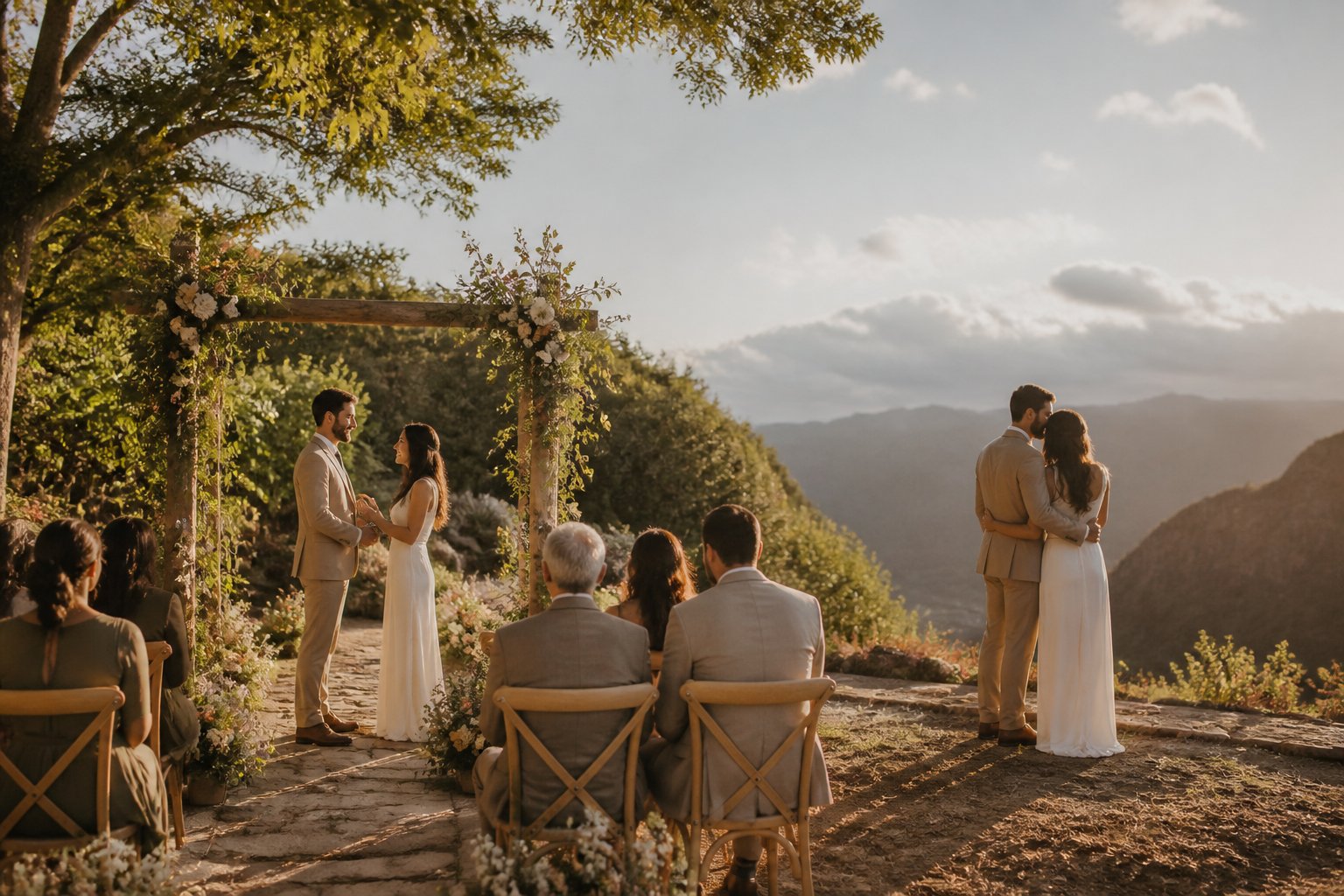
Choose an elopement for privacy, flexibility, and a couple-focused adventure; choose a micro wedding for meaningful guest time, familiar wedding traditions, and a complete small wedding celebration. Both formats create an intimate wedding, yet the planning, budget, and emotional rhythm feel distinct.
We have seen couples make the best choice by deciding who needs to be present before choosing a venue or package. Once that priority is clear, we can help you shape a day that feels personal, comfortable, and easy to enjoy.
The Difference Is Who the Day Is For
An elopement is designed around the couple, while a micro wedding gives a carefully selected group an active place in the wedding ceremony and celebration. The guest count provides a useful starting point, though the format also depends on structure, privacy, and wedding traditions.
What Defines a Modern Elopement?
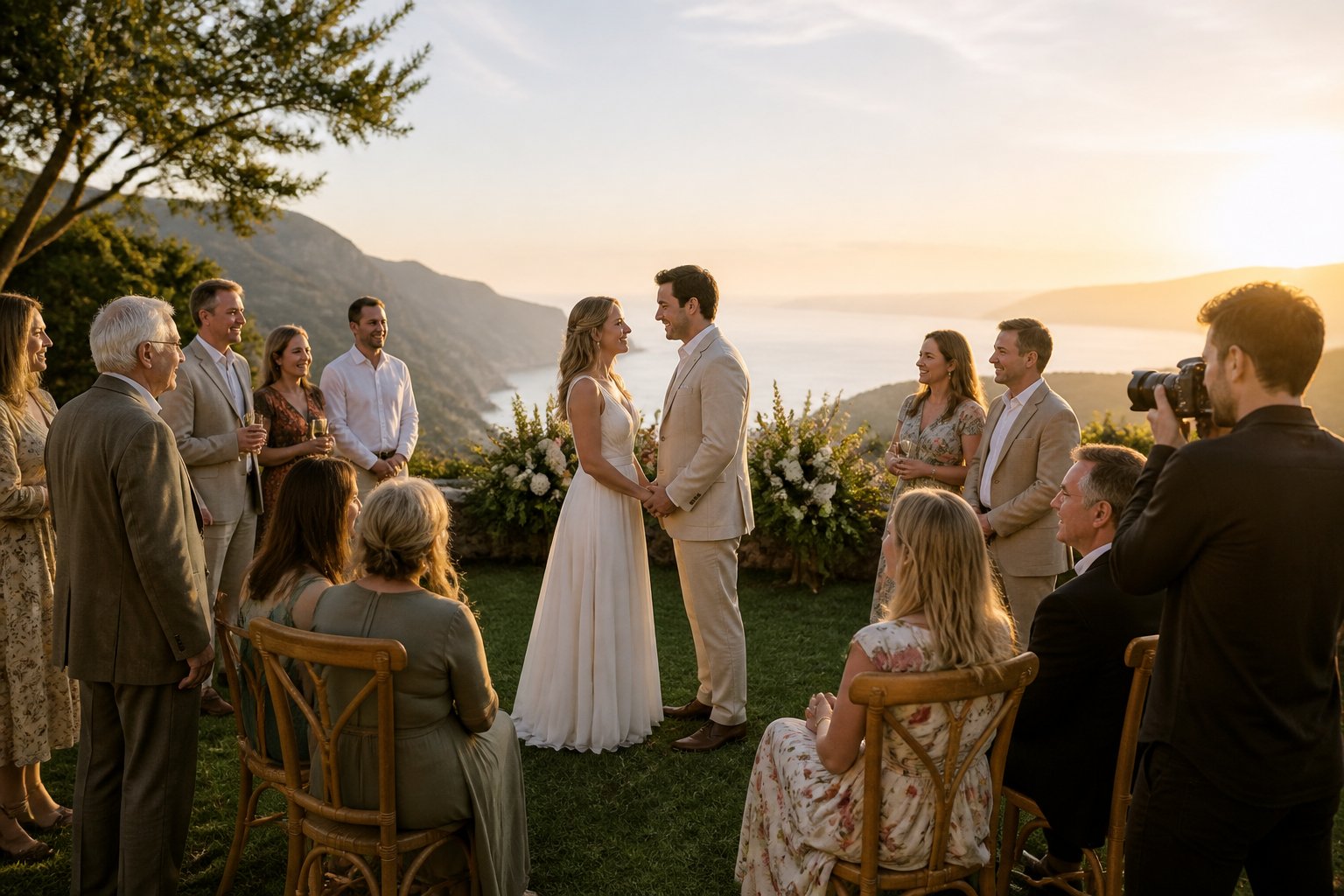
A modern elopement is a private ceremony or intimate ceremony built around the couple’s priorities. It might include an officiant, photographer, and a few witnesses, followed by personal vows, a scenic outing, or a private dinner.
Elopements no longer need to look secretive or rushed. Couples choose meaningful elopement locations, plan intentional details, and share the news with loved ones through a post-elopement celebration or announcement.
What Makes a Micro Wedding Different?
A micro wedding is a complete wedding day with a limited guest list. It may include a ceremony, cocktail hour, dinner, speeches, dancing, and other familiar parts of a traditional wedding.
The guest experience shapes the planning. We still account for seating, meals, accessibility, music, and a comfortable flow, while the smaller group allows more personal conversation and attention.
For inspiration, our guide to micro wedding ideas can help turn a short guest list into a thoughtful celebration.
Guest Count Is a Guide, Not a Rule
Elopements commonly include zero to 10 guests, while micro weddings frequently host about 10 to 50 people. Definitions overlap, so the day’s structure offers a clearer signal than a strict number.
| Planning factor | Elopement | Micro wedding |
|---|---|---|
| Guest count | 0 to 10 | 10 to 50 |
| Core focus | Couple | Couple and guests |
| Reception | Optional | Common |
| Planning style | Flexible | Structured |
| Guest hosting | Minimal | Significant |
A five-person ceremony with dinner and toasts might feel like a micro wedding. A 15-person adventure with private vows and no reception might carry the spirit of an elopement.
How the Two Options Compare in Practice
The practical difference appears in how much of the day belongs to private connection and how much involves hosting other people. Elopements simplify movement and decisions, while micro weddings add guest comfort, vendor coordination, and shared celebration.
Privacy, Flexibility, and the Couple Experience
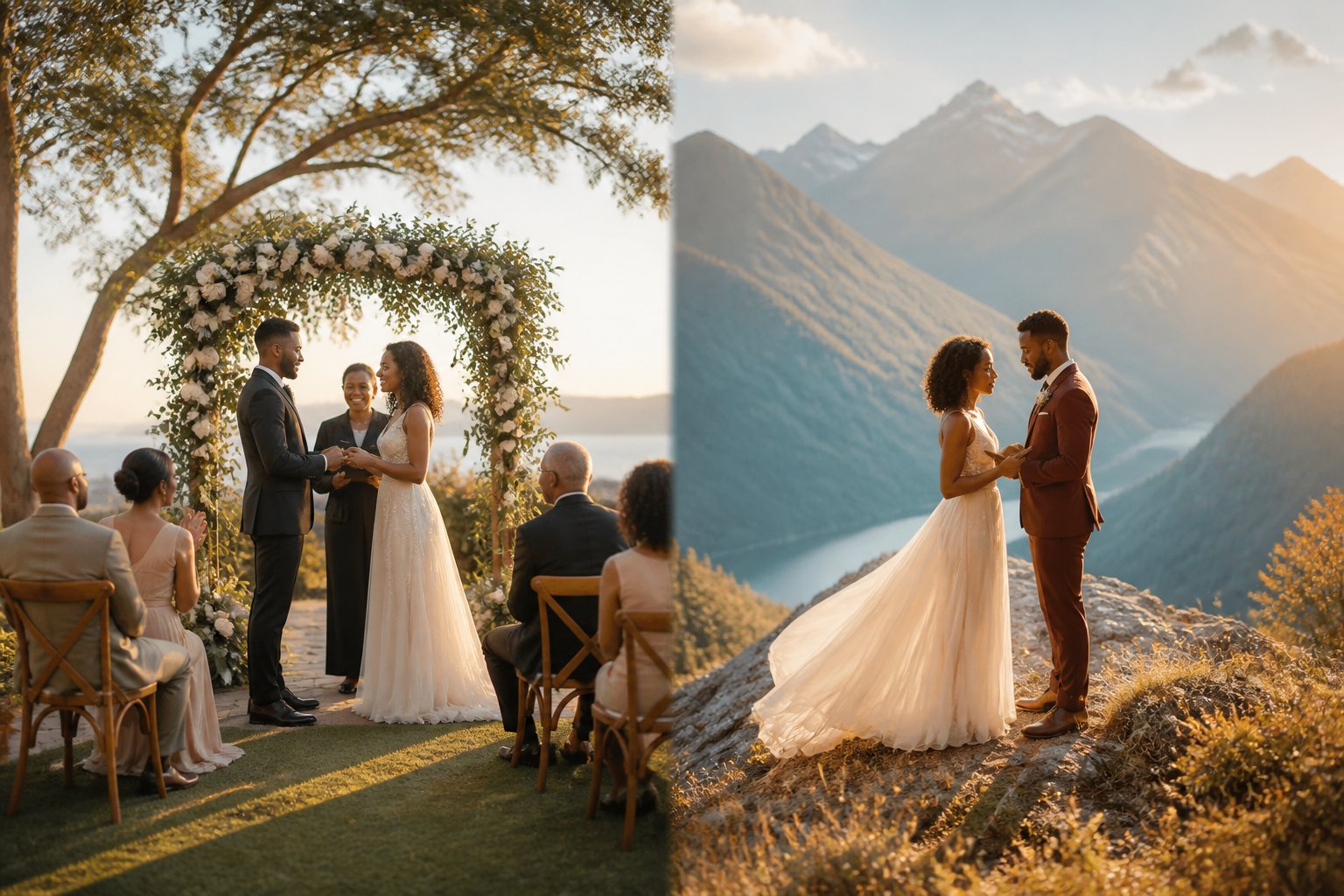
Elopements give couples more control over the pace and location. We can build a day around private vows, a favorite trail, changing scenery, or an unhurried meal without coordinating every transition for a room full of guests.
A micro wedding still offers intimacy, though the schedule needs shared anchors. The couple might exchange private vows before the ceremony, then join guests for portraits, dinner, and conversation.
Personal preferences deserve space in either format. Couples who feel most present when the day stays quiet often connect with elopements, while those who draw energy from close friends may prefer a micro wedding.
Guest Hosting and Family Inclusion
A micro wedding makes family inclusion visible through invitations, seating, readings, toasts, and shared meals. Those choices can soften family expectations because loved ones receive a defined role and a clear place in the day.
An elopement reduces hosting duties and family dynamics during the ceremony. We recommend communicating the plan early, explaining the personal meaning behind it, and offering a way for relatives to participate later when that feels right.
Traditions, Reception Plans, and Celebration Energy
Micro weddings support traditions such as a first dance, cake cutting, parent dances, and a reception meal. Each element can be shortened or adapted without losing its emotional purpose.
An elopement ceremony can include rings, readings, cultural customs, and a celebratory dinner. Couples who want dancing or speeches can arrange a post-elopement celebration on another date, while those who prefer quiet can end with time alone.
Our guide to what happens at a micro wedding offers more detail on the guest-centered flow.
How Much Do an Elopement and Micro Wedding Cost?
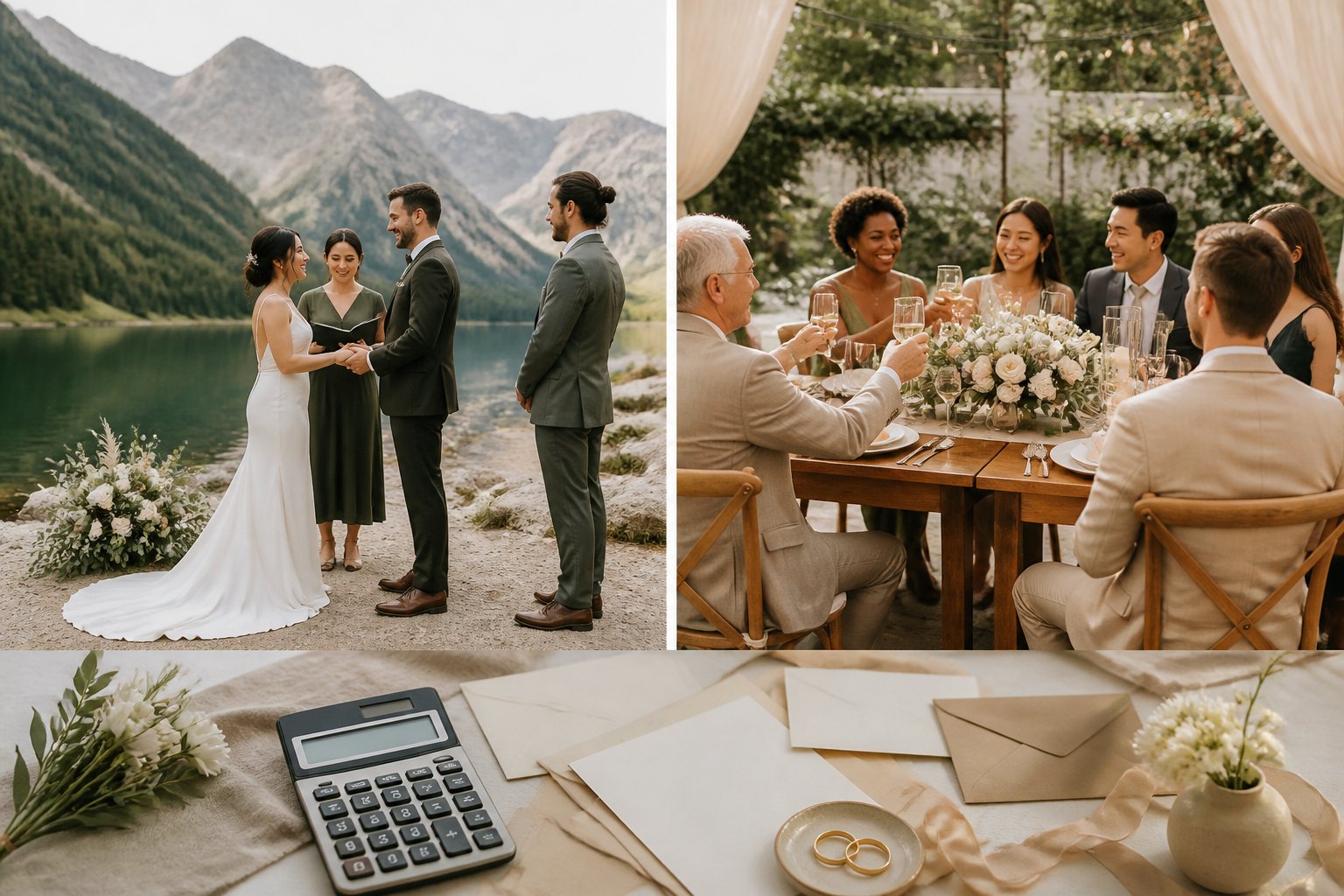
Elopements often cost less because they require fewer guests and fewer reception services, while micro wedding cost rises with meals, rentals, venue requirements, and guest logistics. Both formats can fit a range of budgets when we protect the priorities that carry the most meaning.
Typical Elopement Cost Drivers
An elopement cost commonly includes photography, attire, flowers, an officiant, permits, lodging, transportation, and a celebratory meal. Packages can simplify planning, though we always check what hours, edited images, travel coverage, and permit support they include.
A local courthouse elopement may require a smaller budget. An adventure elopement with a full-day photographer, remote transportation, lodging, and specialized attire can approach or exceed the price of a modest small wedding.
Why Micro Wedding Cost Does Not Scale Down Perfectly
A micro wedding still carries fixed expenses. The venue, photographer, music, staffing, rentals, catering setup, and planning support do not shrink in direct proportion to the guest list.
A celebration for 20 guests might fall around $5,000 to $15,000, with location and vendor choices creating wide variation. The meal and venue package often set the baseline, then décor and entertainment add to it.
Our guide on how to prioritize wedding expenses for a budget-friendly wedding can help identify where to invest.
Travel, Venue Minimums, and Package Fine Print
Travel costs affect both formats, especially for a destination wedding, destination elopement, or destination micro wedding. Airfare, lodging, transportation, permits, and guest travel deserve separate budget lines.
Wedding venues may require food-and-beverage minimums, regardless of guest count. We also review package details for service fees, overtime, taxes, weekday restrictions, delivery charges, and minimum photography coverage before signing.
Planning, Legalities, and Location Logistics
Legal requirements apply to both formats, while the setting and timeline create the largest planning differences. An elopement may move between several outdoor locations, whereas a micro wedding needs a stable site that can support guests and vendors.

Marriage License, Officiant, and Witness Requirements
We start with the marriage license rules for the state or county where the ceremony takes place. Deadlines, identification, waiting periods, filing procedures, officiant credentials, and witness requirements vary by location.
A courthouse elopement may provide an officiant, while an outdoor ceremony often requires couples to hire one. Some jurisdictions allow self-solemnization, and others require witnesses, so we confirm details with the issuing office before finalizing plans.
Finding the Right Setting for Each Format
Adventure elopements work well in places that reward movement and scenery, including overlooks, waterfalls, national parks, and coastal trails. Permits, weather access, parking, restroom availability, and privacy should guide the choice as much as the view.
Micro weddings need guest-ready infrastructure. Private estates, lodges, and other private estates can offer ceremony and reception space, though we verify capacity, noise rules, catering access, rain plans, and vendor restrictions.
Building a Realistic Wedding Timeline
An elopement timeline benefits from generous travel buffers and flexible portrait time. We reserve room for changing weather, trail conditions, outfit adjustments, and quiet moments that couples often value most.
A micro wedding timeline needs firm transitions for guest arrival, the wedding ceremony, portraits, dinner, speeches, and dancing. A coordinator or planner can keep vendors aligned so the couple stays engaged with guests.
For additional planning support, our guide to how to choose a wedding timeline covers the decisions that shape a smooth day.
Choose the Celebration That Matches Your Priorities
Choose an elopement when privacy, movement, and a couple-focused experience lead your wish list. Choose a micro wedding when family inclusion, shared meals, and recognizable wedding traditions deserve dedicated space.
Your wedding budget can support either direction when we decide which details deserve the largest share. Writing down the people, feelings, activities, and setting you want most often reveals whether a private ceremony or intimate wedding fits more naturally.
Family dynamics deserve an honest conversation before invitations or announcements. A clear plan, respectful explanation, and optional post-elopement gathering can preserve relationships while keeping the celebration aligned with your values.
Frequently Asked Questions
Is a micro wedding the same as a small wedding?
A micro wedding is one type of small wedding, usually defined by a limited guest list and a structured ceremony and reception. The phrase small wedding covers a wider range of formats, including courthouse ceremonies, backyard gatherings, and casual celebrations.
Can family attend an elopement?
Family can attend an elopement when the couple includes them in the guest plan. Some couples invite a few relatives as witnesses, while others hold a private ceremony and arrange a post-elopement celebration.
Is an elopement always cheaper than a micro wedding?
An elopement often has a lower starting cost, though travel, photography coverage, lodging, and location permits can raise the elopement cost. A micro wedding cost includes guest meals, venue services, rentals, and reception logistics, which add expenses quickly.
How many guests are typically invited to a micro wedding?
A micro wedding commonly includes 10 to 50 guests, with many couples choosing a group closer to 15 or 30. The guest list should support the level of intimacy and hosting the couple wants throughout the day.
Can we have a private elopement and celebrate with family later?
Couples can hold a private elopement and invite family to a later celebration. A dinner, party, vow renewal, or announcement gathering gives loved ones a meaningful way to share the marriage without changing the original ceremony.
Do elopements need an officiant and marriage license?
Legal elopements require a marriage license and whatever officiant or witness arrangement the jurisdiction specifies. Requirements vary by state and county, so we confirm them with the local clerk before choosing a courthouse or outdoor location.