
Mountain Wedding Venues Downtown: A Planning Guide
You can find mountain wedding venues downtown by choosing a rooftop, hotel, or event space that pairs city access with a clear view of nearby peaks. This setting gives you the feel of a mountain celebration while keeping restaurants, lodging, and transportation close at hand.
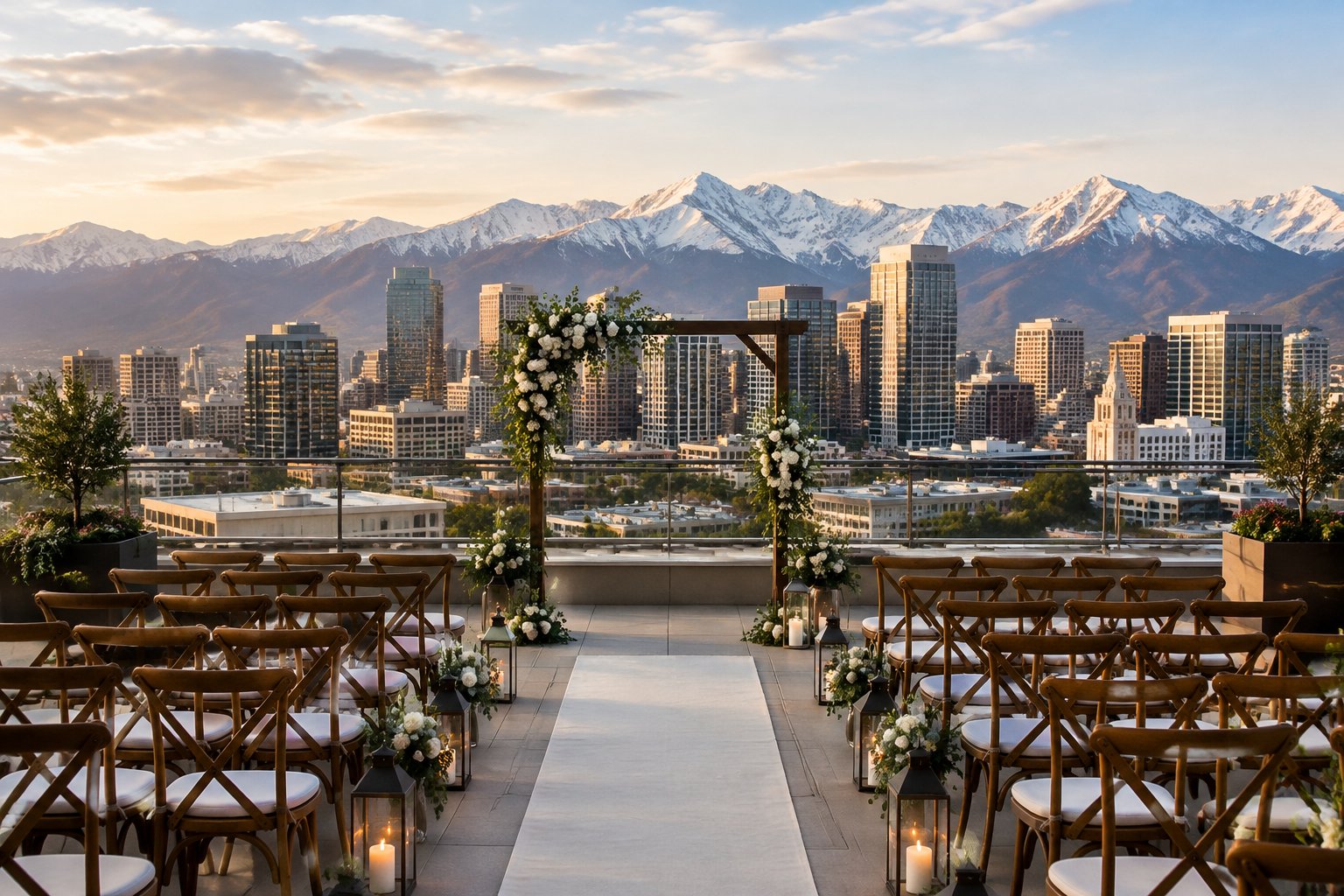
As you compare locations, look at how the view, event spaces, and guest travel plans fit together. Start a shortlist with the features you care about most, then ask each venue how those details work on your date.
What Should You Look for in a Mountain Venue Near Downtown?
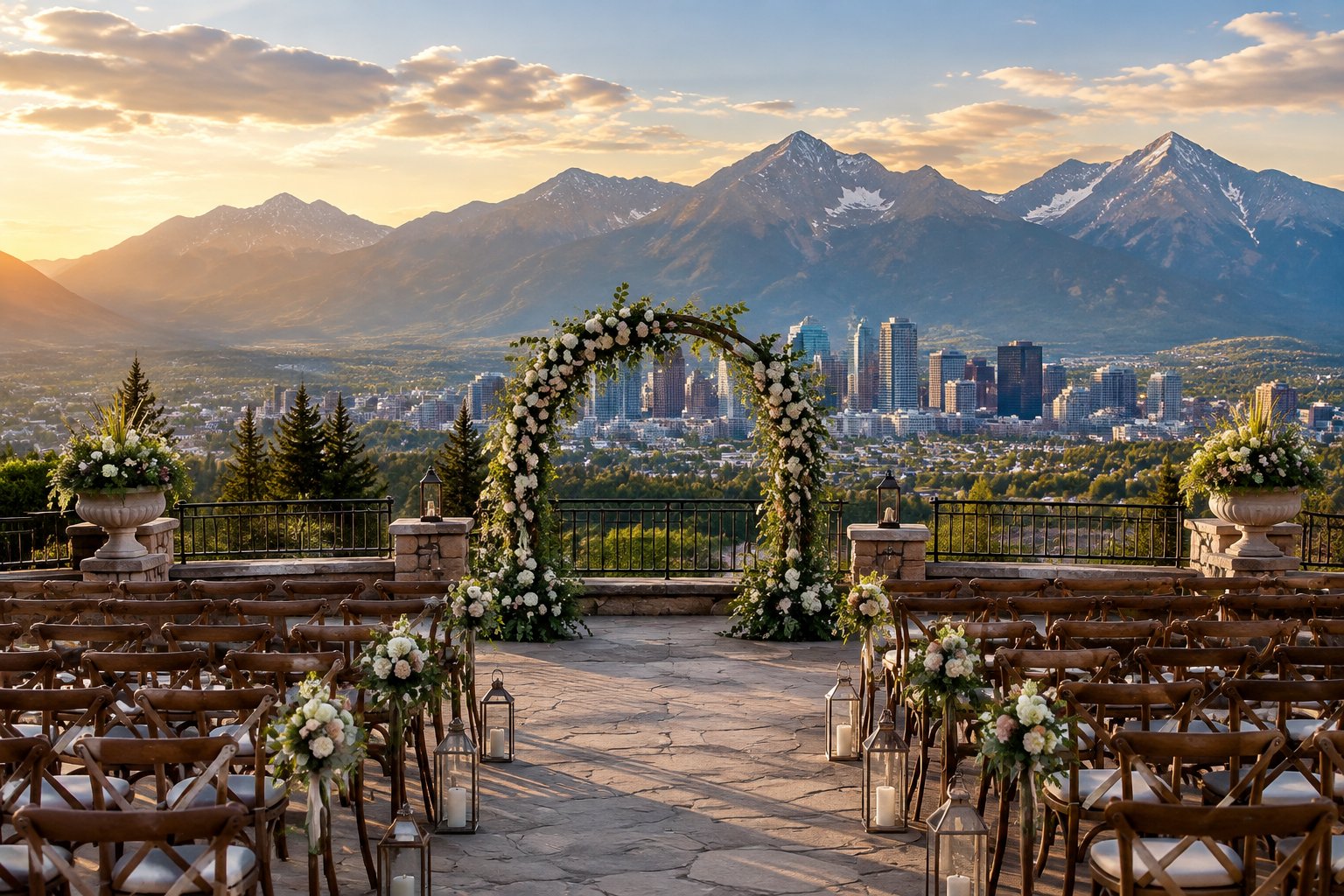
A strong downtown-area wedding venue combines mountain views with practical access to city services. Check the true travel time, the view from the spaces you’ll use, and how the venue handles both the ceremony and reception.
How Close Is Close Enough to Downtown?
Set a travel-time limit that feels manageable for your guests, then check the route at the time of day your event will take place. A venue several miles from the center may feel close on a map but require a steep drive, limited parking, or a shuttle plan. Your shortlist of great wedding venues near the mountains can include city-edge properties that balance scenery with access to shops and hotels.
Ask whether downtown traffic, event-day street closures, or seasonal road conditions affect arrival times. If guests will walk between the venue and nearby lodging, check sidewalks, lighting, and the route’s slope.
Which Mountain Views and Settings Fit Your Vision?
Decide what you want guests to see during the ceremony and reception. A rooftop may frame distant peaks above the skyline, while a garden or terrace can bring trees and open sky into the setting. Look at the view from the actual ceremony area, not only from the venue’s website or lobby.
Compare how the light changes at your planned ceremony time, and ask about nearby buildings or trees that could affect the view. Your list of mountain wedding venues with varied scenery can help you focus on properties that offer more than one setting for portraits and guest mingling.
Can the Venue Host Your Ceremony and Reception?
Choose a venue that gives you a clear plan for the ceremony, cocktail hour, and reception. Some properties use separate rooms or outdoor areas, while others transform one main space during the event. Ask how long a room change takes and where guests wait during setup.
If the ceremony and reception happen in different areas, walk the route and check for stairs, narrow passages, or uneven ground. A simple floor plan can help you see how guest seating, dining tables, and a dance floor fit together.
Which Venue Styles Work Best for a Mountain Wedding?
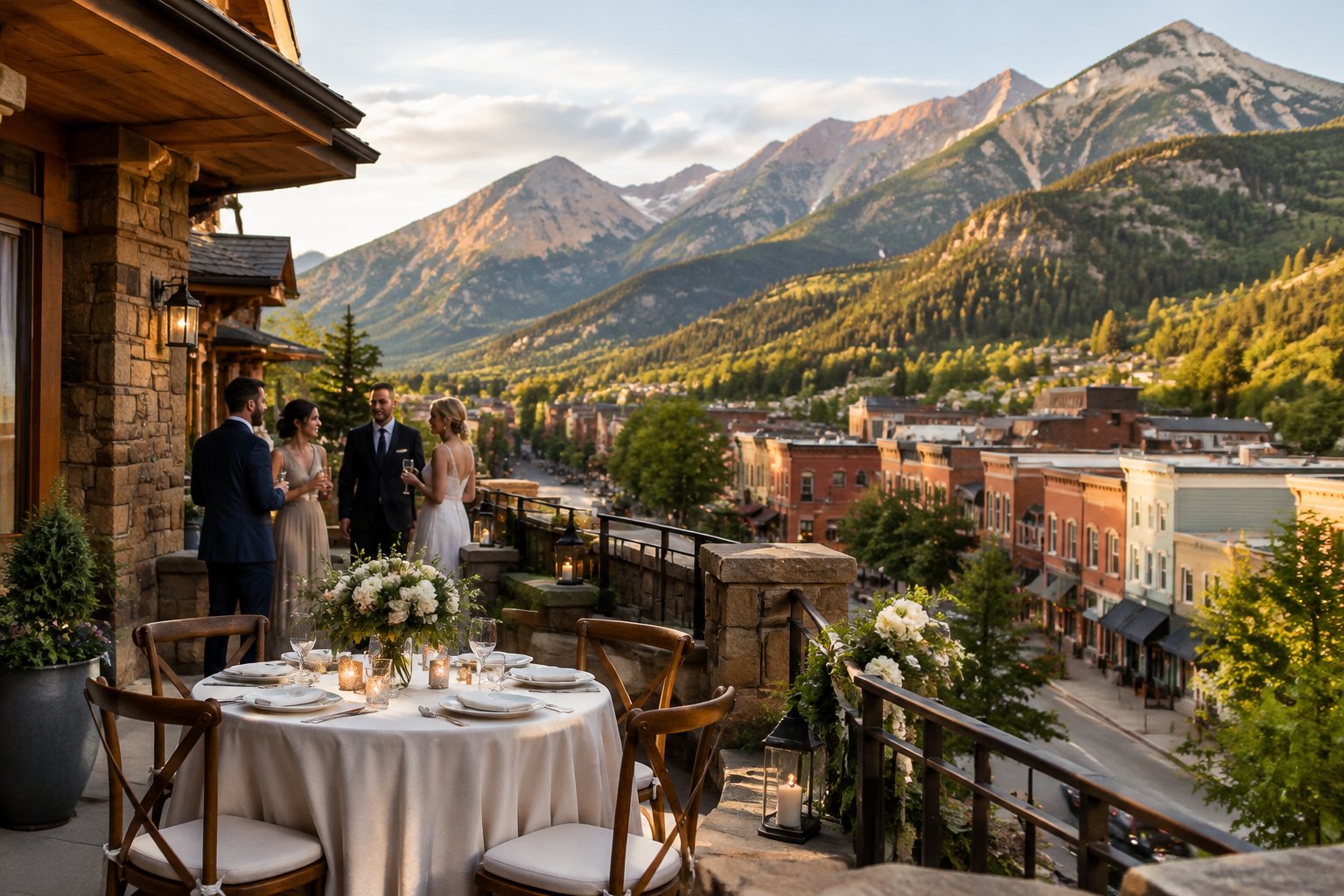
Your venue style shapes how you use the views and how much planning support you’ll need. A hotel can keep lodging and events close together, while a garden, estate, barn, or lodge brings a distinct look and set of logistics.
Hotels and Ballrooms With Mountain Views
A hotel or banquet hall can work well if you want indoor comfort, built-in event staff, and guest rooms nearby. Look for windows or a terrace that keep the mountain setting present during key moments. Ask whether the rental includes tables, chairs, linens, and event setup, since packages vary.
Some spaces suit a formal reception with a seated dinner, while others are better for a smaller gathering. Your wedding venue ideas might include a rooftop ceremony followed by dinner indoors, giving guests an easy transition if temperatures drop.
Gardens, Estates, and Historic Properties
A garden or estate gives you outdoor ceremony options and a setting with its own character. Historic properties may offer architectural details that need little extra decoration, while a garden can provide seasonal color and open-air space. Walk the grounds and ask where guests will gather if the weather changes.
Check whether the ceremony site and reception room are close enough for guests who have limited mobility. Ask about site access for vendors, too, since narrow paths or older buildings can affect delivery and setup.
Barns, Lodges, and Outdoor Ceremony Sites
A barn or lodge brings a relaxed feel and can suit a reception with wood details and warm lighting. Outdoor ceremony sites offer direct contact with the landscape, though your plan will need to account for wind, temperature shifts, and rain. Confirm where the reception can move if the ceremony or dinner needs to go indoors.
If a site sits outside the downtown core, include the drive in your guest plan. Ask about lighting along paths, restroom access, and the time needed to move guests between outdoor areas.
What Should You Confirm Before Booking?
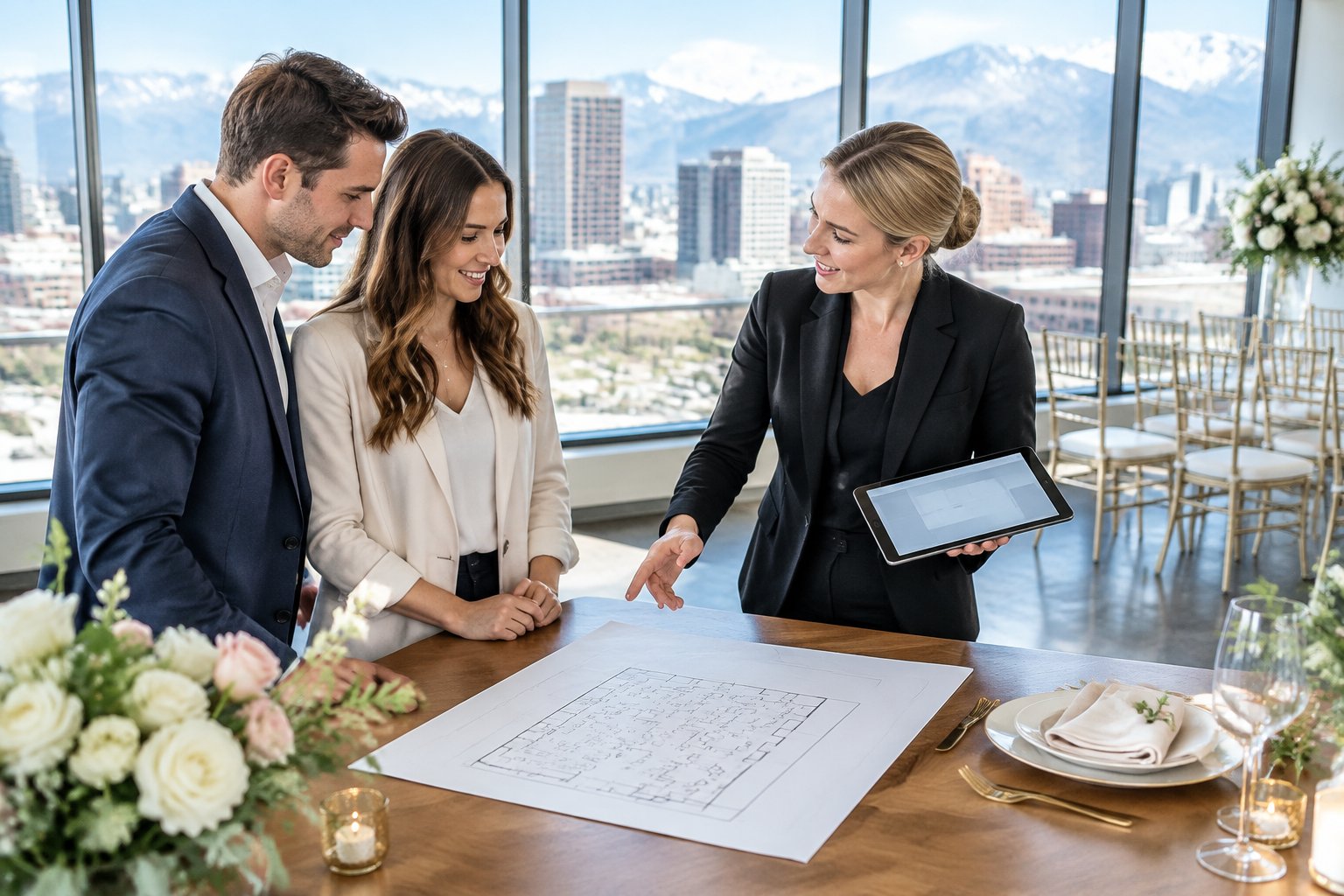
Before you sign, get the venue’s capacity, backup plan, room access, and included services in writing. These details help you compare the full experience and spot costs or rules that affect your plans.
Guest Capacity and Indoor Backup Options
Ask for seated capacity with your planned layout, including space for a dance floor, buffet, or stage. A venue’s maximum headcount may not match the number that fits comfortably for your event style. Request a sample floor plan for a guest count close to yours.
For an outdoor celebration, confirm the indoor backup space is available on your date and can hold the same guest list. Ask when the venue makes the weather decision and who communicates any change to your vendors and guests.
Getting-Ready Rooms and Bridal Suite Access
Check whether a bridal suite is included, when you can enter, and how many people it can accommodate. Ask about mirrors, seating, lighting, restrooms, and a secure place for personal items. If your wedding party will get ready at the venue, confirm whether there are separate rooms and whether access begins early enough.
Walk from the getting-ready rooms to the ceremony area. This helps you estimate travel time and plan a schedule that leaves room for photos and a calm arrival.
Catering, Rentals, Parking, and Venue Rules
Request an itemized list of what the rental includes and what you must arrange separately. Confirm the catering policy, bar rules, vendor requirements, cleanup expectations, and any fees for extended hours. Ask whether the venue provides tables and chairs, or whether you need to rent them.
Check the parking count and ask where vendors load in. If the property has sound limits, decoration rules, or restrictions on open flames, get those details in writing before you choose a design.
How Can You Make the Day Easier for Guests?
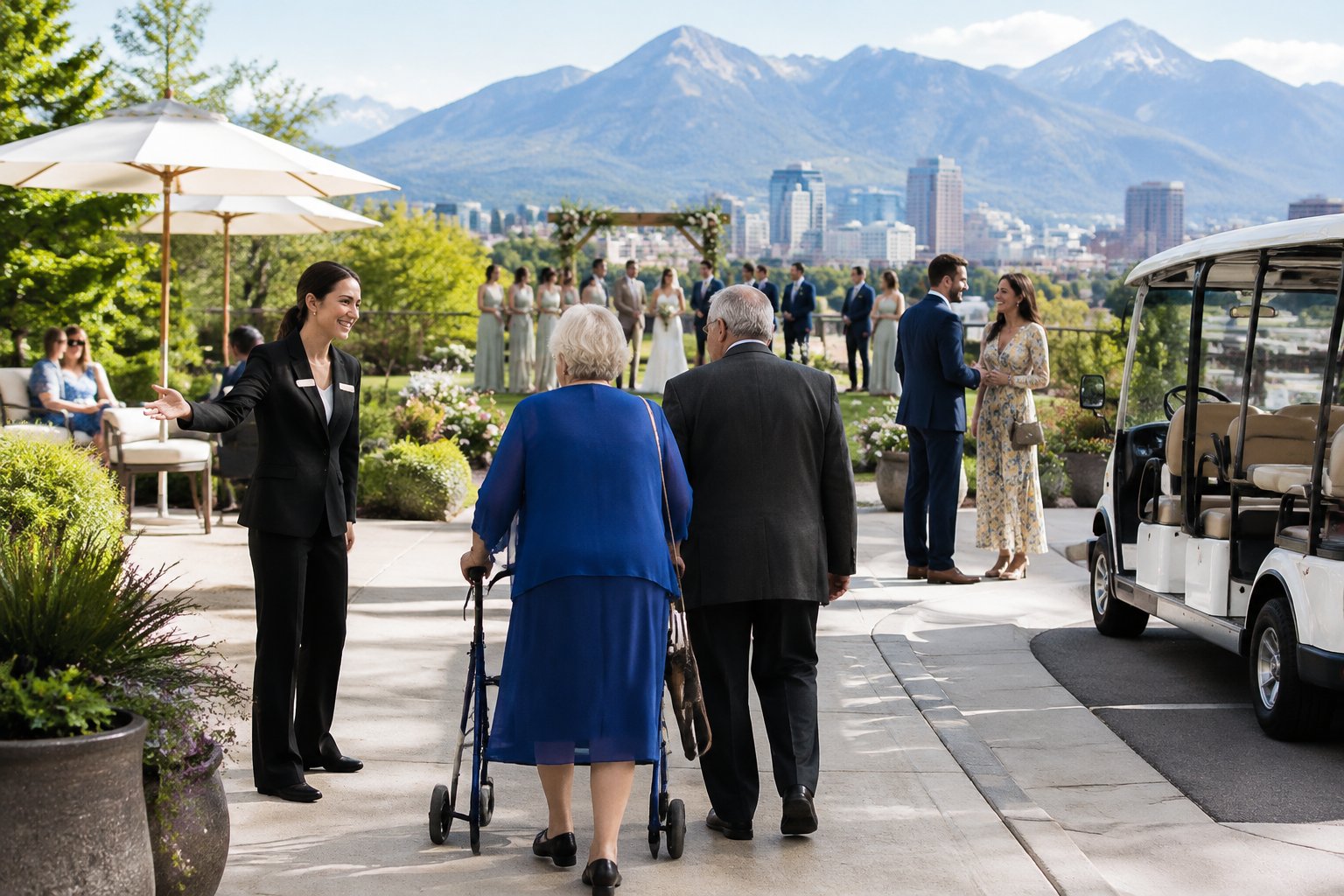
You can make the celebration easier for guests by sharing clear travel details and planning for comfort at the venue. A simple guest page with arrival instructions, lodging information, and local options can answer common questions before the wedding weekend.
Travel Times, Shuttles, and Nearby Lodging
Estimate travel time from the airport, hotels, and downtown gathering points. Share the route and parking instructions with guests before the event, especially if the venue sits on a steep or winding road. For guests staying in different areas, a shuttle can make arrival and departure simpler.
If you’re weighing hotel blocks, consider how many guests need rooms and whether hotels are close to the venue. A wedding hotel block can help you organize lodging details, and you can share check-in times and transportation options on your wedding website.
Accessibility and Weather Considerations
Ask about step-free routes, accessible restrooms, reserved parking, and seating for guests who need frequent breaks. Check the surface of paths between the ceremony, reception, and restrooms. Share any terrain details with guests so they can choose suitable shoes.
Mountain weather can shift during the day, so plan for shade, warmth, or rain based on the season and venue layout. Let guests know whether the event includes outdoor time, and suggest layers for cool evenings. A welcoming guest experience starts with practical details guests can use before they leave home.
Planning a Wedding Weekend Around Downtown
Use the downtown setting to give guests easy ways to spend time together beyond the ceremony. You might arrange a casual welcome gathering near the hotel area or share a short list of nearby restaurants and attractions. Keep the schedule flexible enough for guests who prefer to explore at their own pace.
Give your wedding party a clear plan for transportation and arrival times. A shared schedule can include the rehearsal, ceremony, and any group activities, with addresses and contact details in one place.
How Do You Compare Costs and Venue Packages?
Compare venues by the full amount you’ll pay for the spaces, services, and required add-ons. Rental prices can cover different items, so request written package details before using the headline fee to rank your options.
What the Rental Fee Includes
Ask whether your fee covers ceremony and reception areas, furniture, setup, cleanup, staffing, and access to getting-ready rooms. Check for food and beverage minimums, service charges, taxes, overtime fees, and required security. If you need outside rentals, ask whether the venue charges a delivery or coordination fee.
A clear budget helps you compare similar packages. Reviewing what wedding venues cost can give you a starting point for your research, while a venue budget plan can help you set a limit before touring.
Questions to Ask During a Site Visit
Bring your guest count, preferred date, and a draft schedule so the coordinator can answer with specific details. Ask what happens if weather changes, when vendors can enter, and when the space must be cleared.
Request a sample contract and payment schedule so you can review the terms at home. Compare each venue using the same checklist: total estimated cost, guest capacity, included services, backup space, and travel logistics.
If a lower rental fee requires more rentals or transportation, add those costs before making your choice.