
Overwater Bungalows in USVI: What to Know
If you’re searching for an overwater bungalow in USVI, your closest local match is a waterfront or beachfront stay; classic resort bungalows on stilts over a lagoon are found on select nearby Caribbean islands. You can still enjoy clear water, island views, and private outdoor space without staying above the sea.
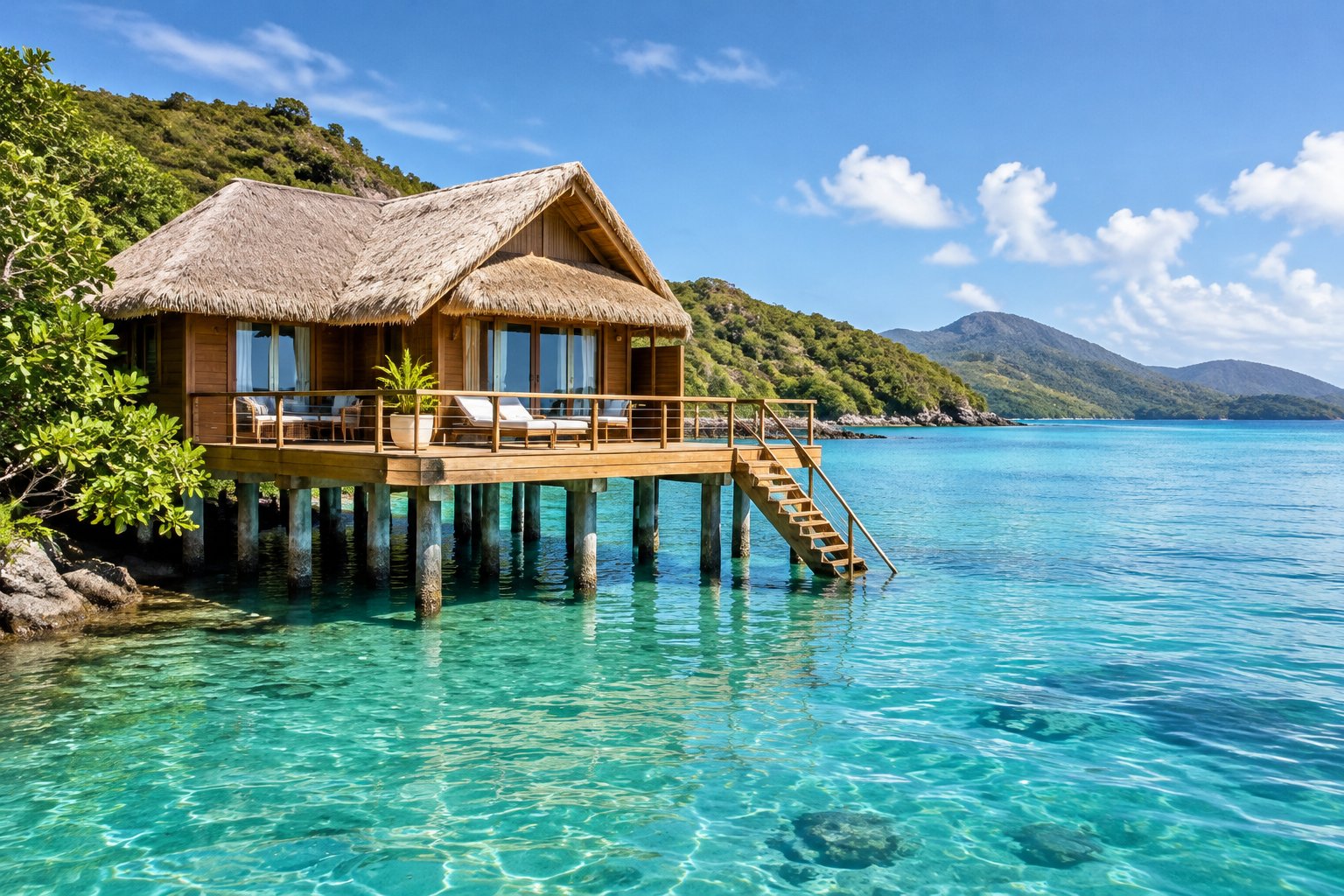
Decide whether you want a room suspended over the water or whether a villa beside the beach will suit your trip. If the stilted-villa experience is your priority, compare local options with overwater bungalow getaways across other destinations before you book.
Are There Overwater Bungalows in the USVI?
As of 2026, the U.S. Virgin Islands’ lodging choices center on beachfront resorts, waterfront cottages, and villas; classic stilted resort bungalows are found on select nearby Caribbean islands. The distinction matters when you search, since a property described as “overwater” may simply sit beside the shoreline.
Why Traditional Overwater Resorts Are Hard to Find
The USVI’s well-known appeal comes from its beaches, reefs, bays, and coastal scenery. Lodging here is built around those settings, with beachfront rooms, cottages, and hillside villas overlooking the water.
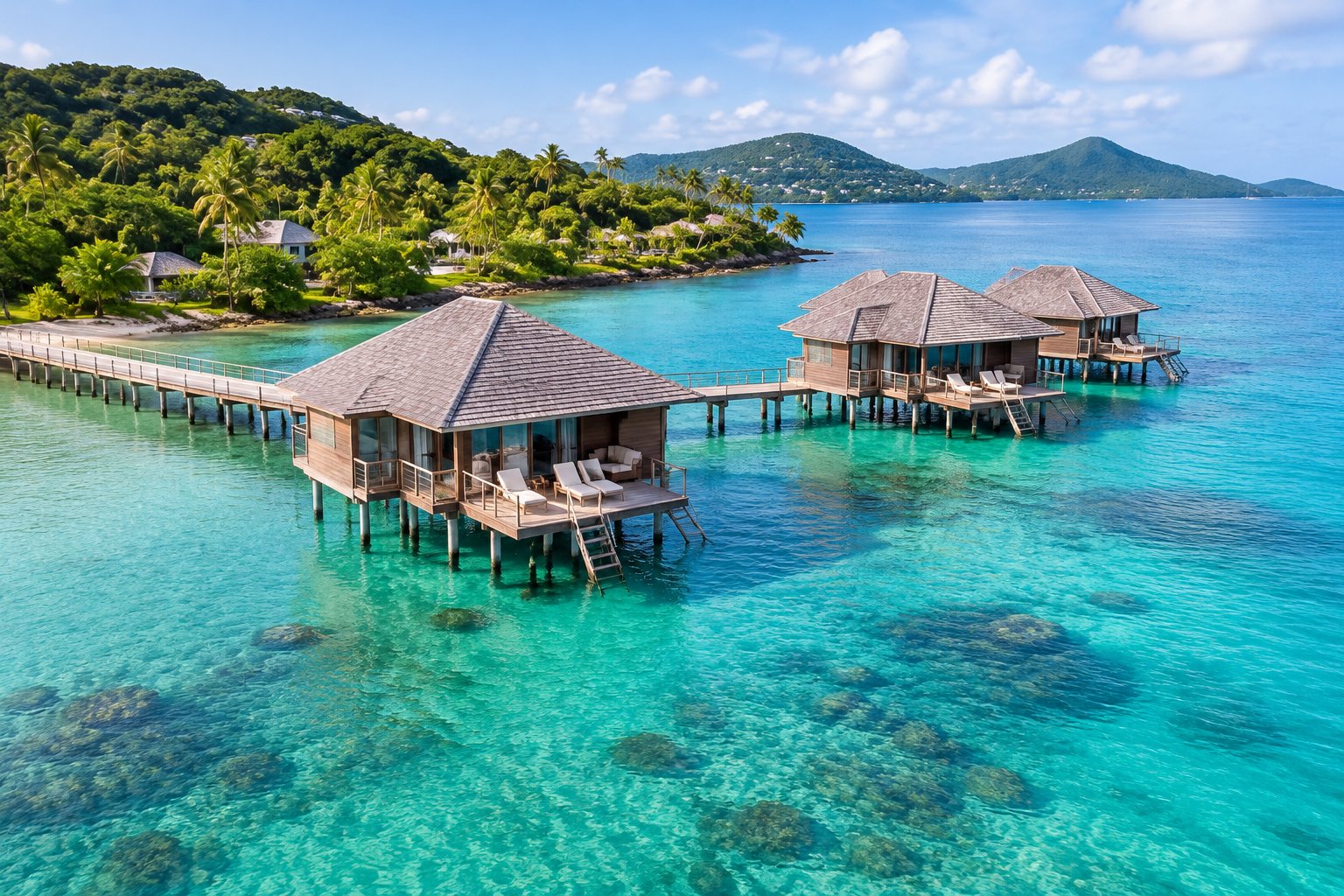
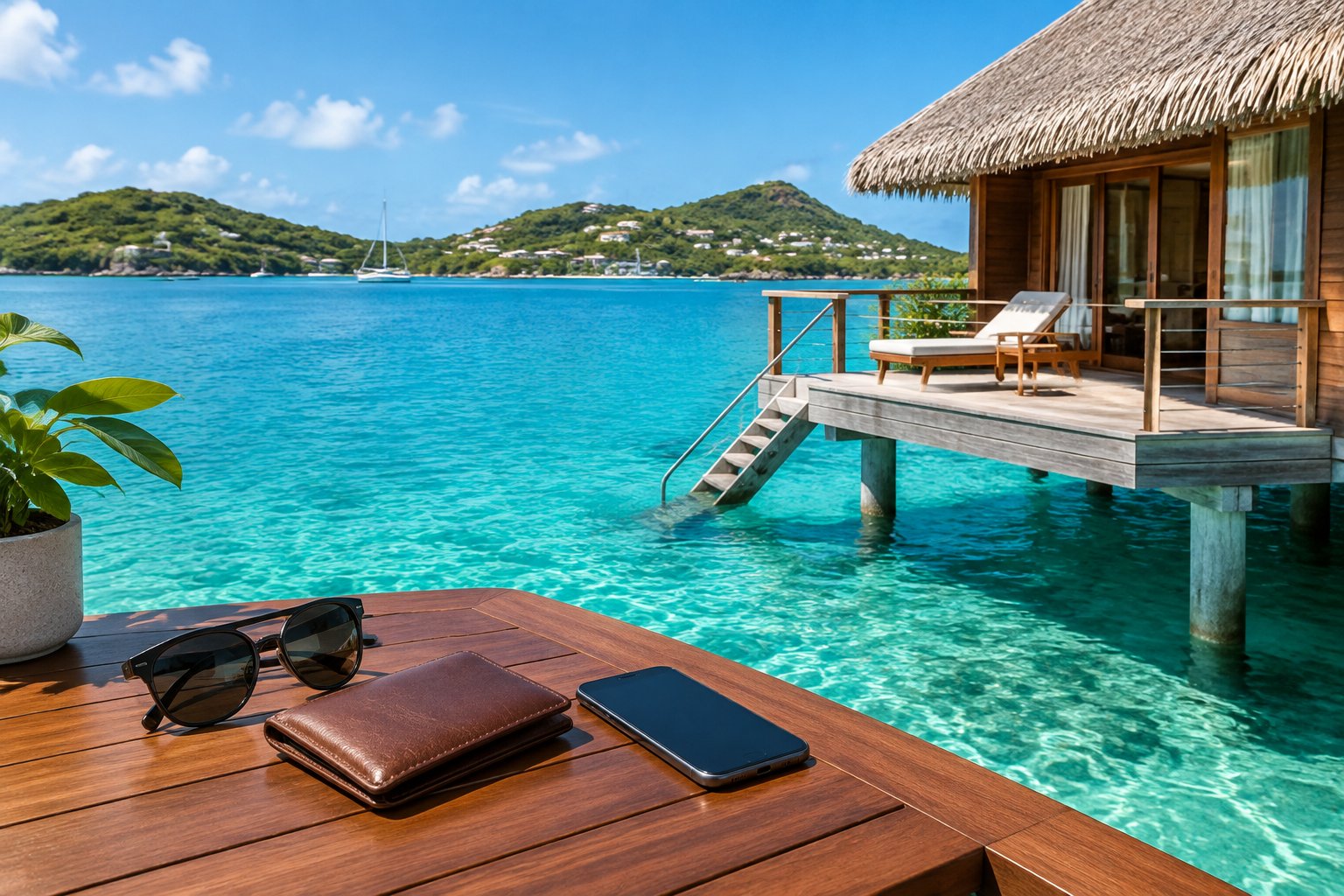
Bungalows on the Bay in St. Croix, for example, offers a waterside setting along Chenay Bay, but its name does not mean that rooms stand above the sea. A classic overwater resort has guest rooms raised on supports above a lagoon or sheltered bay, often linked to shore by a walkway.
That design needs suitable water depth, a protected location, and infrastructure that can handle storms and coastal conditions. When comparing island stays, include Caribbean overwater bungalow hotels in your search if the room itself must sit above the water.
How to Tell Whether a Listing Is Truly Overwater
Check the room description and map before you book. Look for clear details such as “built on stilts over the water,” a deck extending above the sea, or a walkway connecting the room to shore.
Terms like “oceanfront,” “waterfront,” and “ocean view” describe a coastal setting, but they do not confirm that the room is over the water. Study room-specific photos, too. A listing may show an overwater room in its gallery while offering lower-priced rooms on land.
Confirm the exact room category, deck access, and water entry details with the property.
What Are the Best Alternatives?
The best USVI alternatives give you a close connection to the coast through beach access, a private pool, or a waterfront deck. Choose based on the setting you want and how much privacy you need.
Beachfront Villas and Private Pools
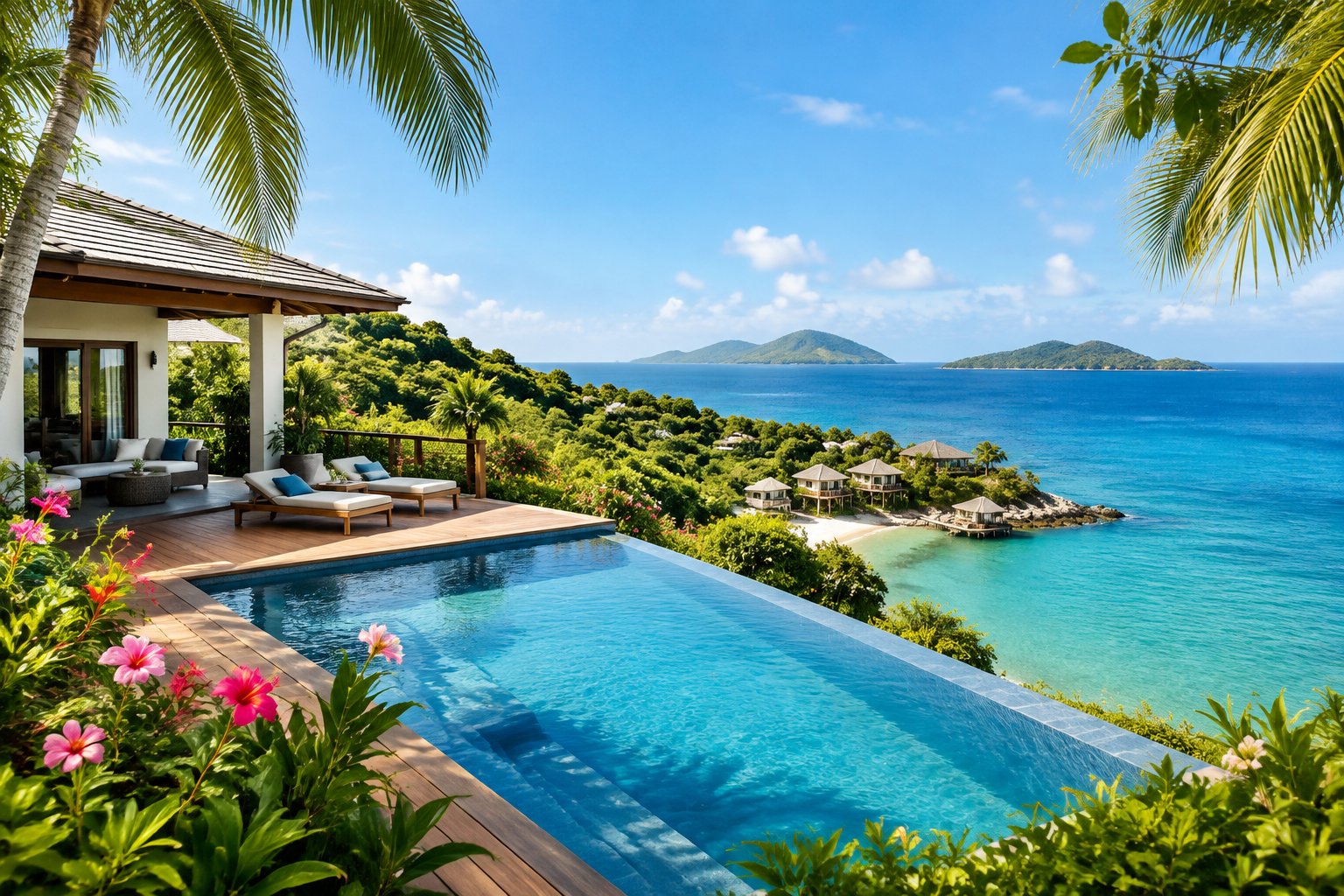
A beachfront villa puts sand and swimming close to your door, while a private pool gives you a quiet place to cool off without sharing resort facilities. These stays suit couples and families who value their own space, though a pool view does not guarantee direct ocean access.
Review the property map and ask how far the villa sits from the beach. If you’re keeping a close eye on lodging costs, compare these options with affordable overwater bungalows in the Caribbean. A trip to a nearby island with true stilted villas may fit your plans, while a USVI villa can keep your stay focused on the beaches and island activities here.
Waterfront Resorts and Cottages
A waterfront resort or cottage places you beside a bay, beach, or marina. You might have a balcony, a shoreline path, or a beach club nearby. These details can make a coastal stay feel immersive, even when your room stands on land.
Check the shoreline itself before you reserve. Some waterfront properties have rocky entries or coral near the waterline, while others sit beside calm sandy beaches. Ask whether swimming is allowed directly from the property and whether you’ll need water shoes.
Nearby Caribbean Islands With Overwater Stays
The British Virgin Islands are a nearby option to investigate for a true overwater room. Bitter End Yacht Club’s Marina Lofts are described as overwater bungalows overlooking North Sound.
Travel between the BVI and USVI involves an international border, so check entry rules and transport schedules before building your itinerary. For a wider search, compare Caribbean overwater bungalow resorts and confirm that the specific room category is above the water.
Resort facilities and travel logistics vary by island, and your flight or ferry plans may add time and cost.
Where Should You Stay in the USVI?
Choose St. Thomas for airport access and resort choices, St. John for a quieter nature-focused visit, or St. Croix for a more spacious island stay. Each island offers coastal scenery, while the right base depends on the pace and transport arrangements you prefer.
St. Thomas for Resorts and Easy Access
St. Thomas has the territory’s main airport and a broad range of hotels, resorts, and restaurants. Choose a stay near Charlotte Amalie or a beach area if you want easier access to dining and activities.
Resorts around Magens Bay and other coastal areas provide a classic beach vacation setting, with room styles and amenities varying by property. For a couples’ trip, compare honeymoon resorts in the Virgin Islands with your preferred location and room type.
Check the distance from the airport and whether you’ll need a rental car or taxi for beach visits.
St. John for Seclusion and Nature
St. John suits you if you want a quieter base near beaches, hiking trails, and protected natural areas. Much of the island is part of Virgin Islands National Park, and lodging options lean toward small inns, villas, and vacation rentals.
You’ll reach St. John by ferry from St. Thomas, then travel around the island by taxi or rental vehicle. Plan your lodging location around the places you want to visit. A scenic villa on a hillside can offer wide water views, while a stay closer to Cruz Bay keeps restaurants and ferry connections within easier reach.
St. Croix for a Quieter Island Stay
St. Croix is the largest of the three main USVI islands and offers a different pace, with historic towns, beaches, and diving sites. You’ll find resorts, guesthouses, and waterfront cottages, including stays near Christiansted and Frederiksted.
Since St. Croix is separate from St. Thomas and St. John, check flight options and local transport before choosing it as your base.
How Much Does a Waterfront Stay Cost?
Waterfront stays in the USVI range from modest guesthouses to high-end resorts and private villas. Your room category, travel dates, and location shape the nightly rate, while transport and meals can add substantially to your trip budget.
What Affects Rates by Season and Island
Winter is a popular travel period in the Caribbean, and demand can push rates higher around holidays and school breaks. Summer and early fall may bring different pricing, along with a greater need to check weather and cancellation terms during hurricane season.
Rates also vary by island, property size, beach access, and whether your room includes a kitchen or private pool. Compare the total price for the same number of nights and the same room type. A low starting rate may apply to a garden-view room, while a beachfront suite costs more.
For a special trip, honeymoon resorts in St. Thomas can help you compare resort settings and room choices.
Extra Costs to Include in Your Budget
Add airfare, airport transfers, rental vehicles, ferry fares, meals, and activities to your lodging estimate. Vacation rentals may also charge cleaning fees or require a minimum stay. At a resort, check whether meals, beach gear, parking, and other services are included in the listed rate.
For St. John, include the ferry between islands and local transportation after arrival. On St. Croix, plan for the separate flight or connection from your arrival point, plus any car rental you’ll need to reach beaches and towns.
How to Choose and Book the Right Stay
Start with the kind of water access you want, then verify the exact room, location, and travel details before paying. A clear booking plan helps you match your expectations to the property and avoid surprises when you arrive.
Check Location, Access, and Included Amenities
Read the map and room details together. Confirm whether the property is on the beach, above the water, or across a road from the shore. Ask about stairs, walking distances, swimming access, and whether the room has a balcony or private outdoor area.
Check what the rate includes, such as breakfast, beach chairs, parking, or airport transfers. If you’re comparing a USVI stay with another island, use a list of overwater bungalow destinations to narrow your search to places that offer the room style you want.
Read Reviews and Verify Photos
Read recent reviews for comments about room condition, noise, service, and how the property matches its listing. Look for photos tied to your exact room category, since shared property galleries can show different suites and views.
Contact the property if you need confirmation about a deck, water entry, or beach access. Check the booking terms for deposits, cancellation dates, and any fees due at the property. Save written answers to questions about room location and included amenities with your reservation details.
Plan Flights, Ferries, and Local Transportation
Book your arrival and lodging around the island you plan to visit. St. Thomas has the territory’s main airport and ferry links to St. John, while St. Croix requires a separate flight plan.
Confirm ferry schedules close to your travel dates, and leave enough time between flights and boat connections. Before you arrive, decide whether you’ll use taxis, rent a car, or rely on resort transport.
On St. John, steep roads and spread-out beaches can make transportation a key part of your daily plan; check parking and vehicle access if you rent a villa.