
Overwater Bungalow Yönetmeliği: Permits and Safety Rules
The overwater bungalow yönetmeliği is set locally: coastal zoning, environmental approval, building permits, and operating licenses come from the destination and the site’s jurisdiction.
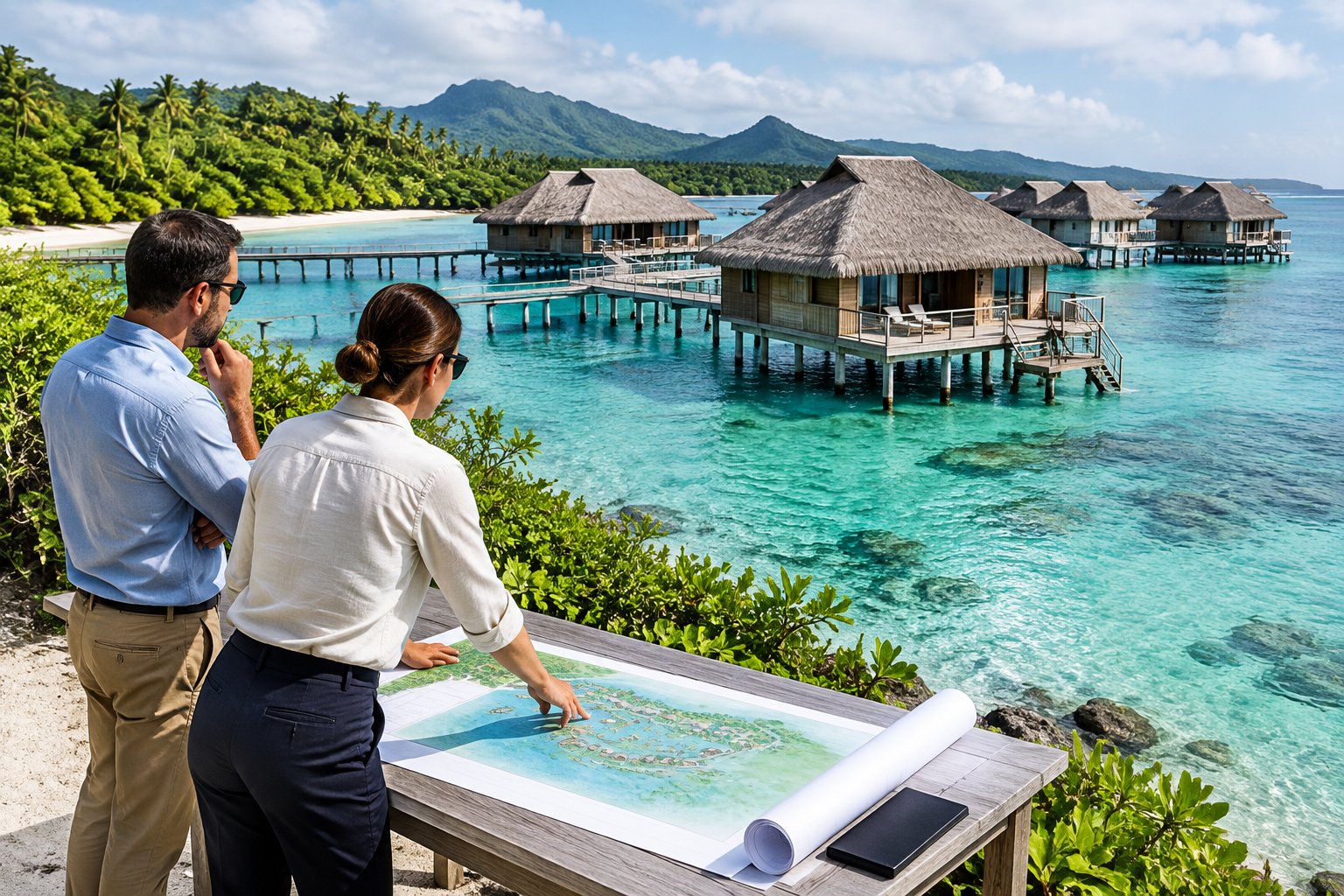
An overwater stay can involve a private deck, direct lagoon access, and a structure built above a sensitive marine area. Before you book, ask the resort which authority approved the property and what safety guidance applies to your room.
You can also compare overwater bungalow getaways by location and accommodation style.
What Rules Apply to an Overwater Bungalow?

An overwater bungalow is subject to local land-use, construction, environmental, and lodging rules. The property’s location and legal status determine which agencies handle approvals, while guest policies cover day-to-day use of the room and resort facilities.
How Do Local Laws Define Overwater Accommodation?
Local rules may classify an overwater bungalow as a hotel building, a shoreline structure, a marine structure, or a combination of these. A water villa or overwater villa can have the same legal status even when a resort uses a different name in its marketing.
The classification affects which permits apply. A building permit can cover the structure itself, while a coastal or marine permit can govern where it sits and how it connects to shore.
Ask the resort for the property’s official accommodation category and the name of the approving authority.
Who Regulates Planning, Construction, and Resort Operations?
Planning and construction approvals can involve local councils, building departments, coastal agencies, environmental offices, or national authorities. In US waters, federal, state, and local agencies can all have a role, depending on the project and location.
Resort operations may also require a lodging or business license, fire approval, and health permits. If you’re reviewing a project or asking about a resort, request the permit names and issuing agencies.
An approved building plan does not automatically confirm that the business holds every license required to host guests.
How Do Guest Rules Differ From Building Regulations?
Building regulations set requirements for design, construction, and inspections. Guest rules cover matters such as swimming access, age limits, quiet hours, deck use, and emergency procedures.
Read the resort’s water-safety instructions when you arrive. Check where you can enter and exit the lagoon, and keep children within close adult supervision near open water.
Staff guidance applies to the specific room and current conditions.
How Do Requirements Vary by Destination?

Each destination has its own permit system, coastal protections, and operating standards. In the Maldives, Fiji, Tahiti, Moorea, Bora Bora, Belize, and the Caribbean, you should confirm the resort’s local approvals instead of relying on a broad claim that all water villas follow the same rules.
What Should You Check in the Maldives?
Ask which national and local authorities approved the resort’s site, construction, and operation. You can also ask whether the resort has permission for its boardwalks, wastewater systems, and other facilities near the lagoon.
For a stay in Bora Bora’s overwater bungalows, confirm the room’s location and its specific lagoon access rules. The same checks help you compare water villas in other atolls, where the layout and swimming conditions can differ between properties.
How Do Rules Differ in Fiji and the South Pacific?
Fiji and other South Pacific destinations apply their own planning, environmental, and tourism rules. The resort can identify which approvals govern construction over the water and what restrictions protect nearby reefs or customary coastal areas.
If you’re comparing Fiji overwater bungalows, ask each property about permits and guest safety instructions. Tahiti, Moorea, and Bora Bora fall under French Polynesia’s local framework, so a resort’s approvals and operating requirements can differ from those in Fiji.
What Applies in the Caribbean, Belize, and Other Coastal Regions?
A Caribbean overwater bungalow can be subject to national development controls, local coastal permits, environmental review, and resort licensing. Belize has its own approval process, so ask the property for the authority names and relevant permit details before paying a deposit.
You can compare Belize overwater bungalows with Caribbean overwater bungalow hotels while checking each property’s local status. A destination name alone does not confirm that a specific resort holds current approvals.
What Permits and Site Checks Are Needed?
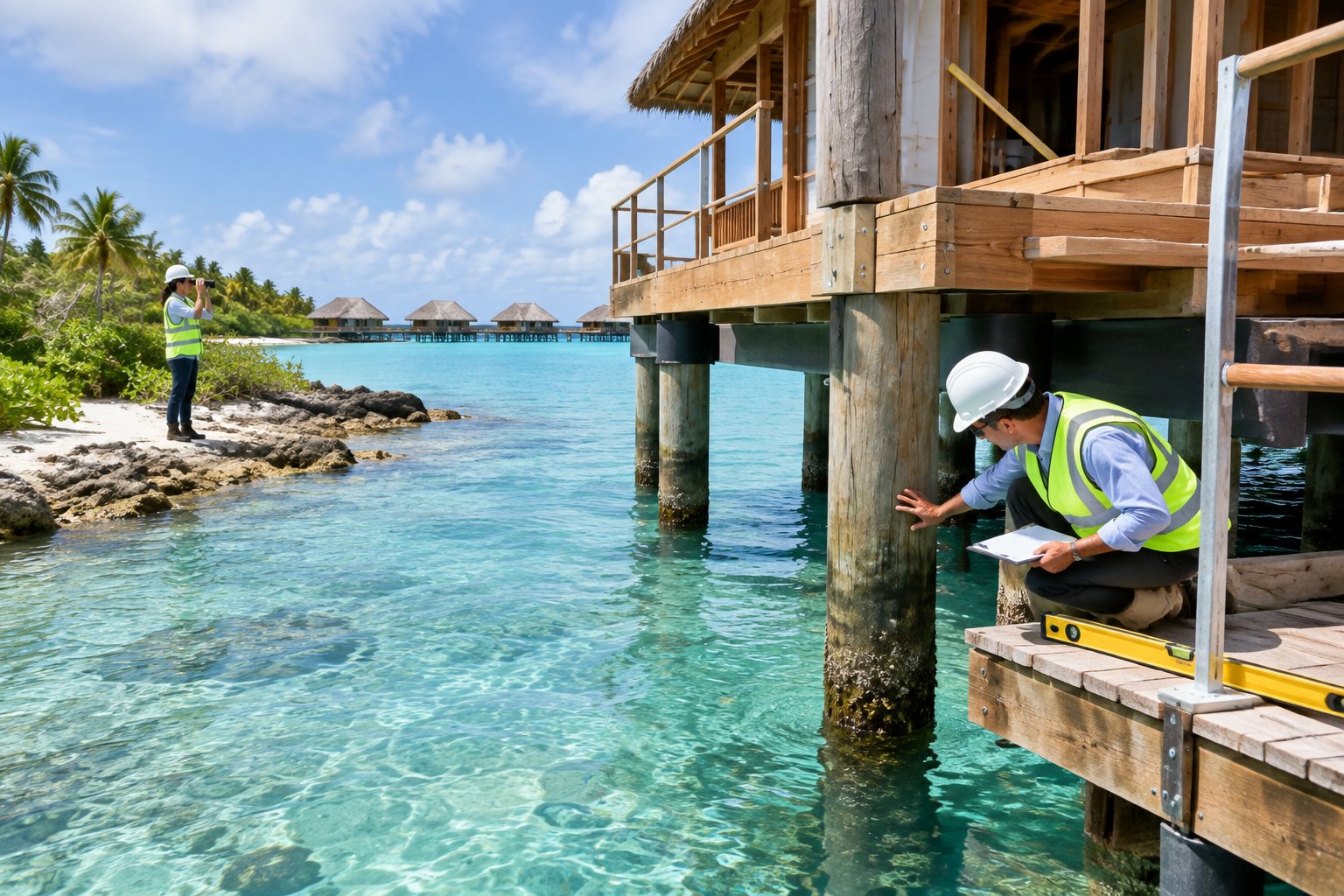
Overwater bungalow resorts need site-specific approval for construction over water, access routes, utilities, and environmental effects. Early checks on shoreline boundaries, water rights, marine life, and seabed conditions help reveal whether a site can support the planned use.
How Are Coastal Setbacks and Water Rights Determined?
Local authorities define coastal setbacks and rules for structures near shorelines. A project team also needs to confirm who controls the water area and seabed, and whether a lease, concession, or other right permits construction there.
Ask for the approved site plan and the boundary of the permitted area. If you’re considering a coastal project in the United States, Key Largo overwater accommodation is a useful example to compare while checking how local rules apply to a particular shoreline.
What Environmental Reviews May Be Required?
Environmental review can assess effects on coral, seagrass, water quality, wildlife, and nearby habitats. Authorities may require an environmental impact assessment or a management plan before construction starts, with conditions for building methods and ongoing resort operations.
Ask whether the resort has measures for sewage treatment, waste handling, and construction runoff. If a project sits near a protected habitat, its approvals may include limits on where crews can work and how the site must be monitored.
How Do Tides, Currents, and Seabed Conditions Affect Approval?
Tides and currents affect safe access, the design of supports, and the placement of walkways. Seabed surveys help engineers choose foundations that suit local depth and ground conditions, while navigation checks can protect boat routes.
Ask whether the resort has a designated swimming area and how staff communicate changes in conditions. For guests, the room’s water entry, depth, and exit route are practical details to confirm before arrival.
Which Construction and Safety Standards Matter?
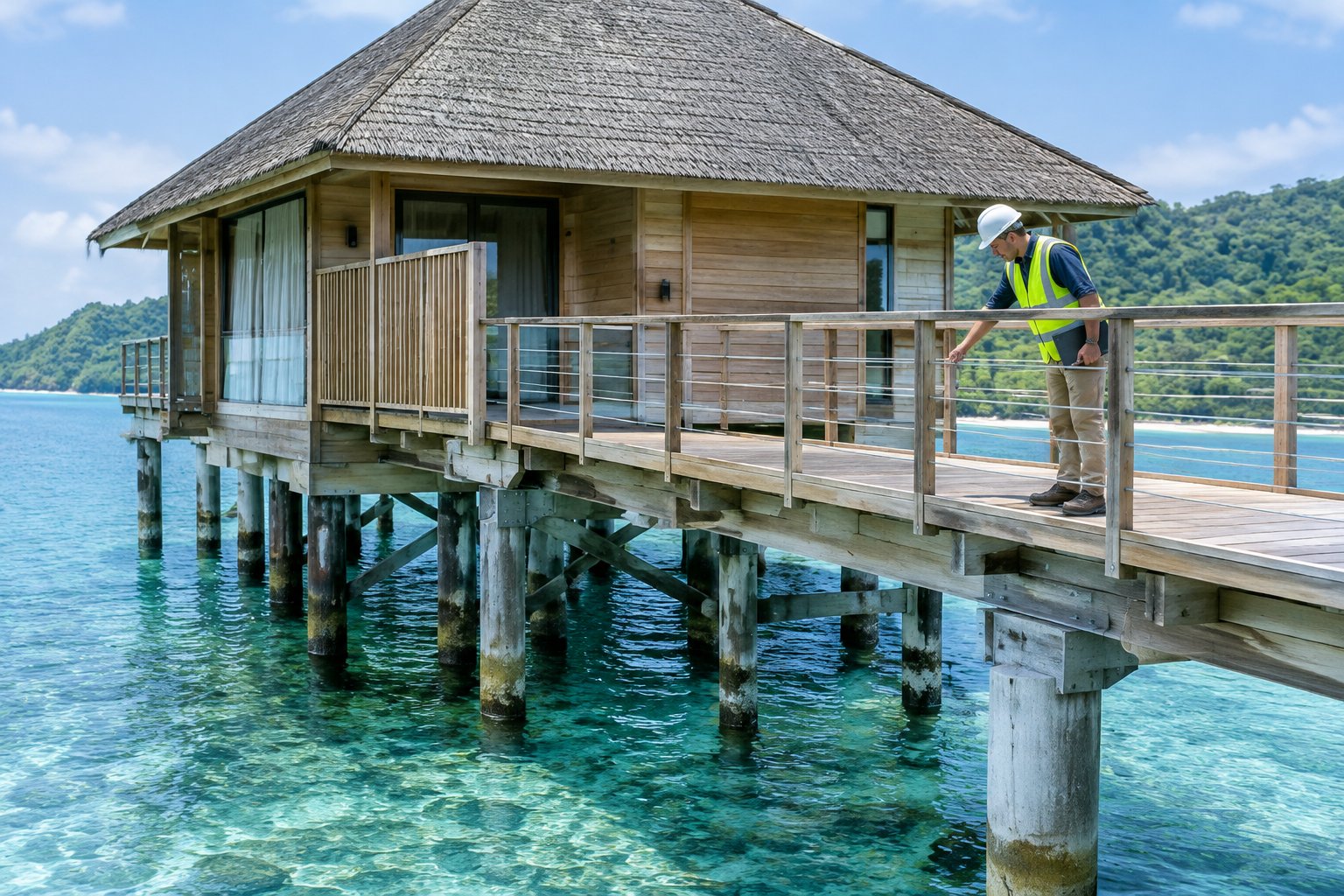
Local building codes and engineering plans set the core requirements for structure, fire protection, electrical work, and access. Your room’s glass floor, private deck, and direct lagoon access also call for clear maintenance and guest-safety procedures.
What Structural Standards Apply to Piles and Walkways?
Engineers design piles and walkways for site conditions such as waves, wind, tides, corrosion, and the weight of guests and furnishings. The applicable building code and permit conditions determine the required reviews and inspections.
Ask the resort how it handles routine inspections and repairs to supports, railings, and boardwalks. Report loose boards or damaged fittings to staff, and keep clear of any area they close for maintenance.
How Are Fire, Electrical, and Emergency Access Addressed?
Fire and electrical systems must meet the local rules that apply to the property. Ask where alarms, extinguishers, emergency lighting, and evacuation instructions are located, and learn how to contact staff from your room.
Walkways connect many overwater villas to the shore or main resort buildings. Check the posted route to the nearest safe area and ask how the resort handles storms, medical emergencies, and transfer disruptions.
What Safety Considerations Apply to Decks and Lagoon Entry?
A private terrace and deck can become slippery when wet, so follow posted guidance and use steps or ladders as directed. A glass floor or glass floor panels are design features; follow the resort’s instructions and report cracks or damage to staff.
Before swimming, ask about depth, currents, boat traffic, and approved entry points. Never dive from a deck, and keep children under close adult supervision around open water.
What Should Travelers Verify Before Booking?
Ask the resort to confirm its operating license, room-specific safety rules, and the services included in your rate. A private pool or infinity pool, room service, and butler service are property features, while local licenses and safety procedures are separate checks.
How Can You Confirm a Resort Is Properly Licensed?
Ask the resort for its current lodging or tourism license and the authority that issued it. You can also check whether local rules require the license number to appear on the property’s website or booking materials.
A recognized name, including Royalton Antigua or Sandals Resorts, does not replace room-specific questions. Confirm that your selected overwater villa is included in the resort’s approved accommodation and ask which safety rules apply to its deck and water access.
What Rules Apply to Pools, Butler Service, and Room Service?
Ask whether a private pool or infinity pool has posted use rules, age limits, or hours. Check how the resort handles supervision and emergency response near the pool and lagoon.
Confirm whether room service and butler service are included, available at all hours, or subject to extra fees. For family trips, ask about barriers, child policies, and any limits on booking an overwater room.
When Might a Beach Villa Be a Better Fit?
A beach villa can suit you if you want easier land access, a quieter route to resort facilities, or less direct exposure to open water. It can also be a more comfortable choice when someone in your party has limited swimming confidence or needs step-free access.
Compare the room layout, route to dining, and water-safety arrangements before you book. For an affordable overwater bungalow vacation, compare the full stay price with a beach-based or garden accommodation option and confirm what each rate includes.