
Should a Gentleman Stand When a Lady Leaves the Table? A Look at Dining Etiquette
When it comes to dining etiquette, you may wonder about the gesture of standing when a lady leaves the table. A gentleman should always stand when a lady leaves the table, as it shows respect and courtesy. This simple act can make a positive impression and reflects good manners.
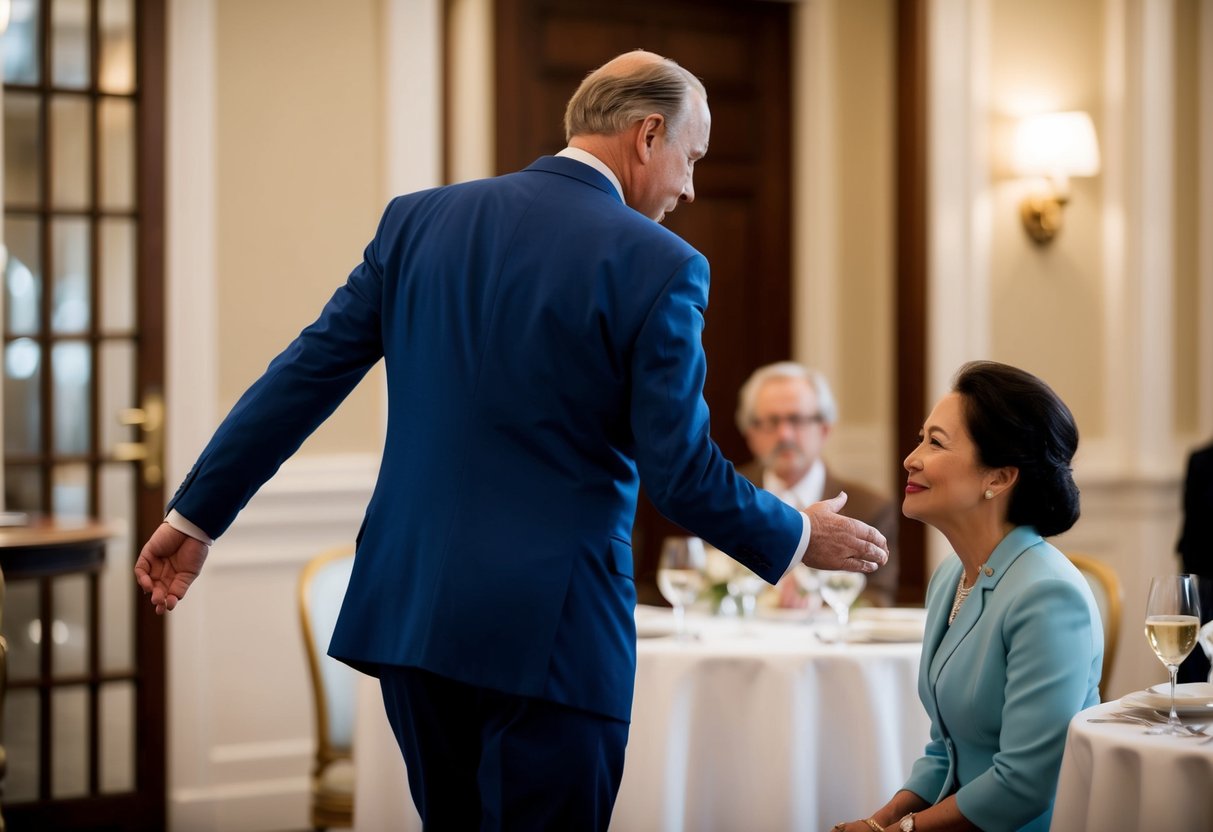
In social settings, standing when someone joins or leaves the table is a way to demonstrate that you value their presence. It creates an inviting atmosphere and acknowledges the person’s importance in that moment.
Whether it’s a formal dinner or a casual outing, these small gestures can greatly enhance your interactions.
Understanding the nuances of etiquette can enrich your social experiences. By knowing when to stand, you not only show respect but also embrace the art of conversation and connection.
Historical Context of Dining Etiquette
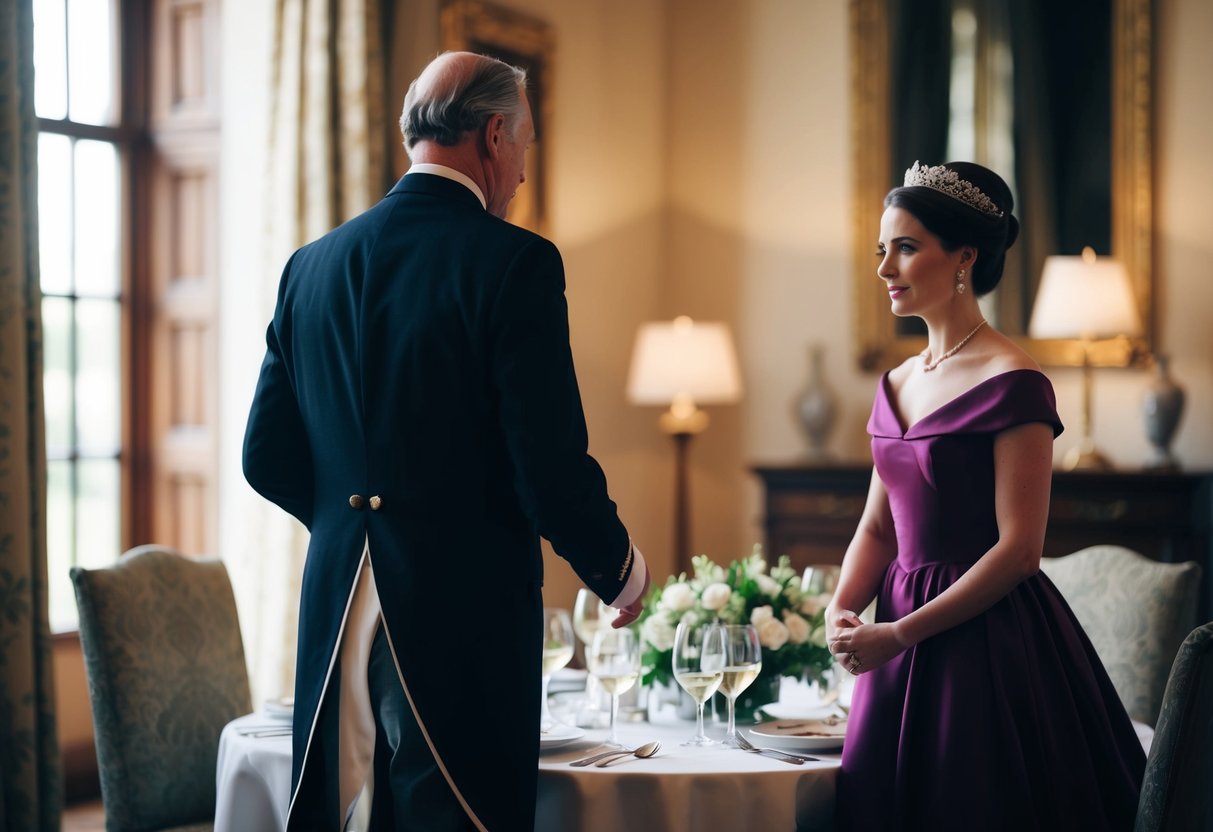
Dining etiquette has evolved over the years, shaped by cultural norms and social expectations. Understanding this history helps you appreciate the importance of manners at the table, especially regarding the practice of standing for a lady.
Evolution of Table Manners
Table manners have changed significantly throughout history. In the past, dining was a formal affair, especially in the Victorian era. The expectations were high for both men and women.
Key points include:
- Gentlemen were expected to exhibit proper etiquette by standing when a lady approached or left the table.
- This behavior reflected traditional etiquette standards that emphasized good manners and respect for women.
As society progressed, these protocols began to shift. Today, while many still value the practice, it is often seen as optional rather than obligatory.
Standing as a Gesture of Respect
Standing for a woman at the dining table is more than just an old custom; it symbolizes respect and courtesy.
Consider these aspects:
- When a lady leaves or approaches, standing allows you to acknowledge her presence and importance.
- This practice is rooted in the belief that men should always show consideration for women, reinforcing good manners.
Events and gatherings often have varying expectations. While formal settings might uphold this tradition, casual meals may not require it. Your understanding of these nuances will help you navigate different dining situations with confidence.
Modern Interpretation of Gentlemanly Conduct
Gentlemanly conduct has evolved with changing social norms. Today, it balances traditional etiquette with a focus on individual preferences. This section explores how to respect tradition while being mindful of modern interactions.
Balancing Tradition and Modern Manners
Standing when a lady leaves the table has traditional roots. It shows respect and acknowledgment. You might find that some people still appreciate this gesture.
However, modern manners have shifted. Many people now view this action differently. It can even feel outdated in casual settings.
When deciding whether to stand, consider the context. In formal situations, standing might be expected. In relaxed environments, a simple nod or eye contact can often be just as respectful.
Listening to the cues from those around you helps. Acknowledging others’ comfort levels makes you a considerate host or guest.
Respecting Personal Preferences
Respecting personal boundaries is essential. Some women appreciate the gesture of standing, while others may feel it’s unnecessary.
It’s important to pay attention to individual preferences in social gatherings. When greeting others or engaging in conversation, be attentive to their reactions. This can help you gauge their feelings about traditional practices.
You can also communicate openly. If you’re unsure what they prefer, don’t hesitate to ask. This builds rapport and shows that you value their comfort.
Respect is key in all interactions. Make an effort to engage smoothly while being considerate of everyone’s feelings. This is the essence of modern gentlemanly conduct.
Practical Applications at the Dining Table
Knowing when to stand at the dining table shows good manners and respect. You’ll find that these practices can enhance your dining experience and make social interactions more enjoyable.
Appropriate Times to Stand
There are specific moments when standing becomes important. Here are a few key times to consider:
-
When a Lady Arrives or Leaves: If a woman approaches or leaves the table, you should stand. This shows respect and attentiveness.
-
Joining Your Party: When a person joins your group, it’s courteous to stand. This applies whether you are at a dining table, a reception, or any gathering.
-
Greeting Guests: If someone new joins your conversation, standing helps acknowledge their presence and makes them feel welcome.
Remember, standing should feel natural. It’s a sign of good etiquette rather than a chore.
Understanding the Signals
It’s essential to read social cues during dining. This helps you decide when to stand. Here are some points to keep in mind:
-
Observe the Host: If the host stands to greet someone, follow their lead.
-
Body Language: Guests may lean forward or make eye contact before getting up. This can signal their intention to leave or engage with someone.
-
Cultural Differences: Understand that customs vary. What works in one culture may not apply in another, so be aware of your surroundings.
By paying attention to these signals, you ensure that your actions reflect good manners and proper etiquette.
Day-to-Day Courtesy Medleys
Practicing good manners is important in everyday situations. Incorporating etiquette into your daily life can enhance your interactions, whether at work or during social events. Here are some key ways to integrate courtesy.
Integrating Etiquette in Various Settings
In any social setting, first impressions matter. When you enter a room, greet people warmly with a smile and a handshake. This simple act shows respect and openness.
When introducing yourself, speak clearly and make eye contact. Encourage conversation by asking open-ended questions. This keeps discussions engaging.
In dining situations, remember to stand when a lady leaves the table. This small gesture shows respect and can set a positive tone for the gathering.
Remember, being courteous can create a welcoming atmosphere, making everyone feel valued.
The Role of Etiquette in Professional and Social Interactions
Etiquette plays a key role in building relationships in professional settings. Stand when someone joins your group, whether it is a coworker or a client. This shows you value their presence.
During conversations, remember that listening attentively is just as important as speaking. Nod occasionally to show engagement and provide feedback.
In social situations, hold doors open and offer your seat to those who may need it more. Such gestures convey thoughtfulness and kindness.
Finally, maintaining a polite and respectful tone in all communications can foster strong connections. Whether in person or online, your manners reflect who you are.